
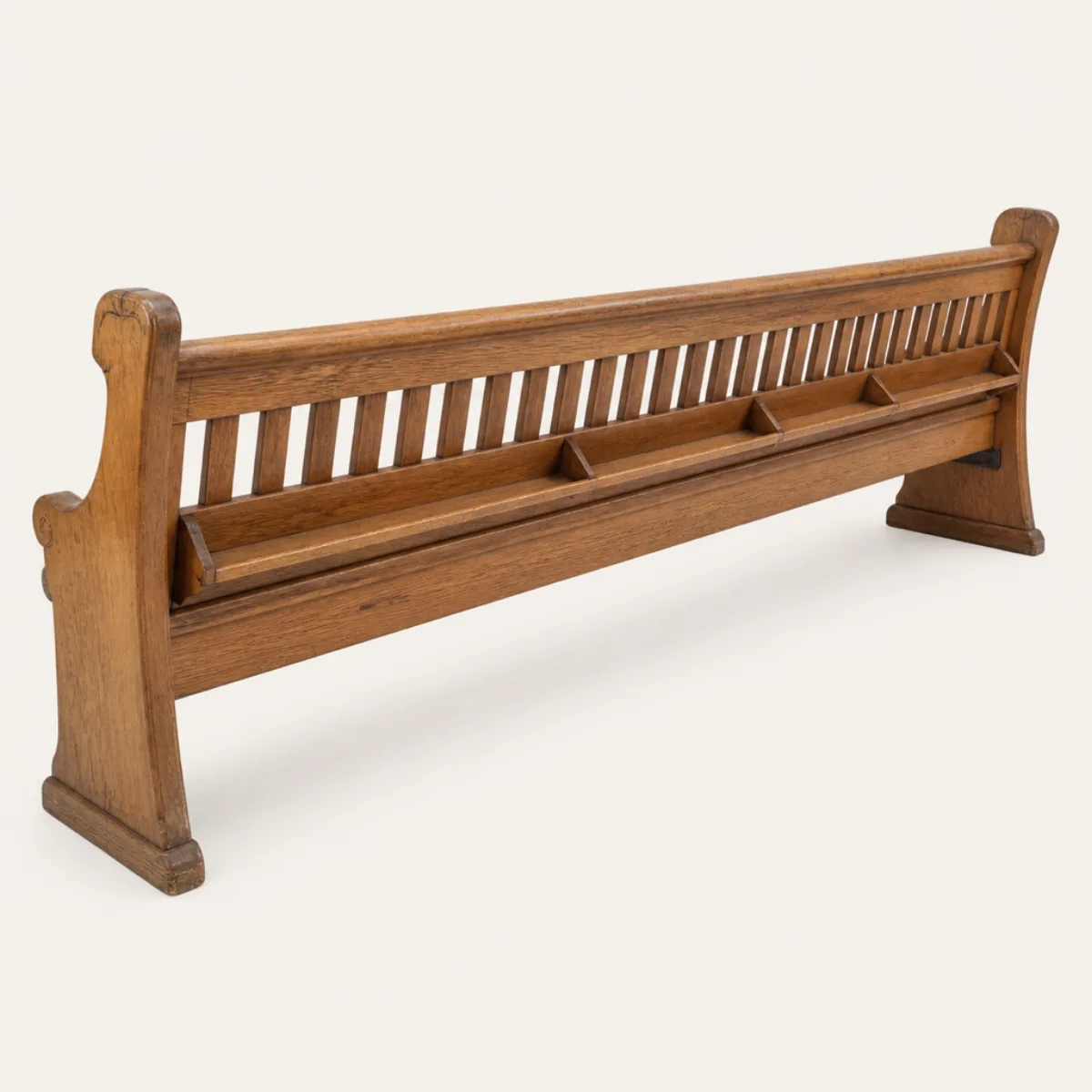
Timber pew
asset:pew
pack-assembly-oak
Look packs
An element is a 3D appearance written as data. A pack is a file of them — concatenate one onto a model and the look goes with it, so nothing is built into bimtex and nothing resolves against a server.
cat packs/trees.ndjson model.ndjson > dressed.ndjsonEvery one of these was authored against a reference picture of the real object. See all 211 beside their references — the comparison, on one page, which is how a body that came out wrong gets found.
211 elements
Built by the interpreter a model actually gets — not by preview code.
asset:pew
pack-assembly-oak
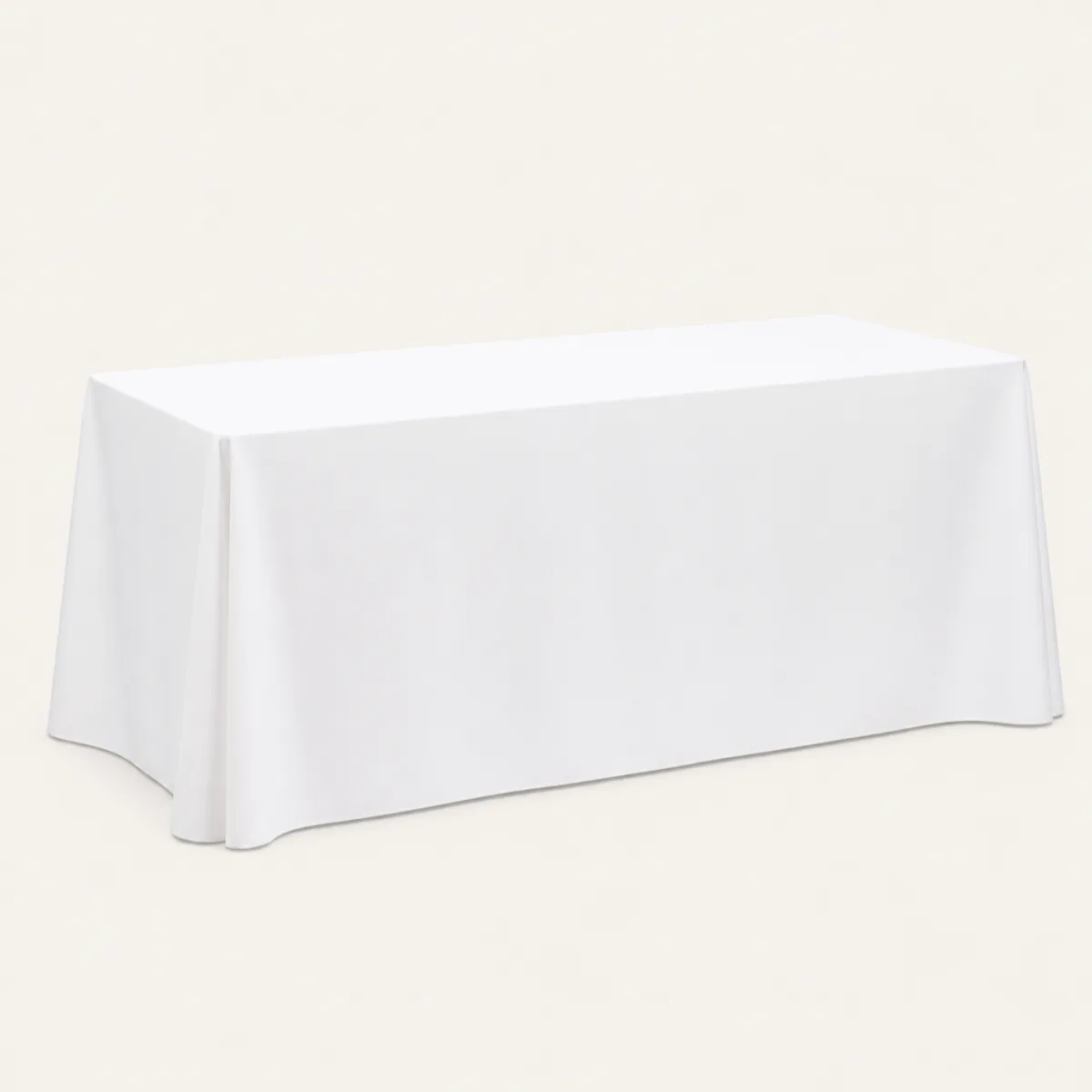
furniture:banquet-table
pack-assembly-ivory-cloth · pal-charcoal
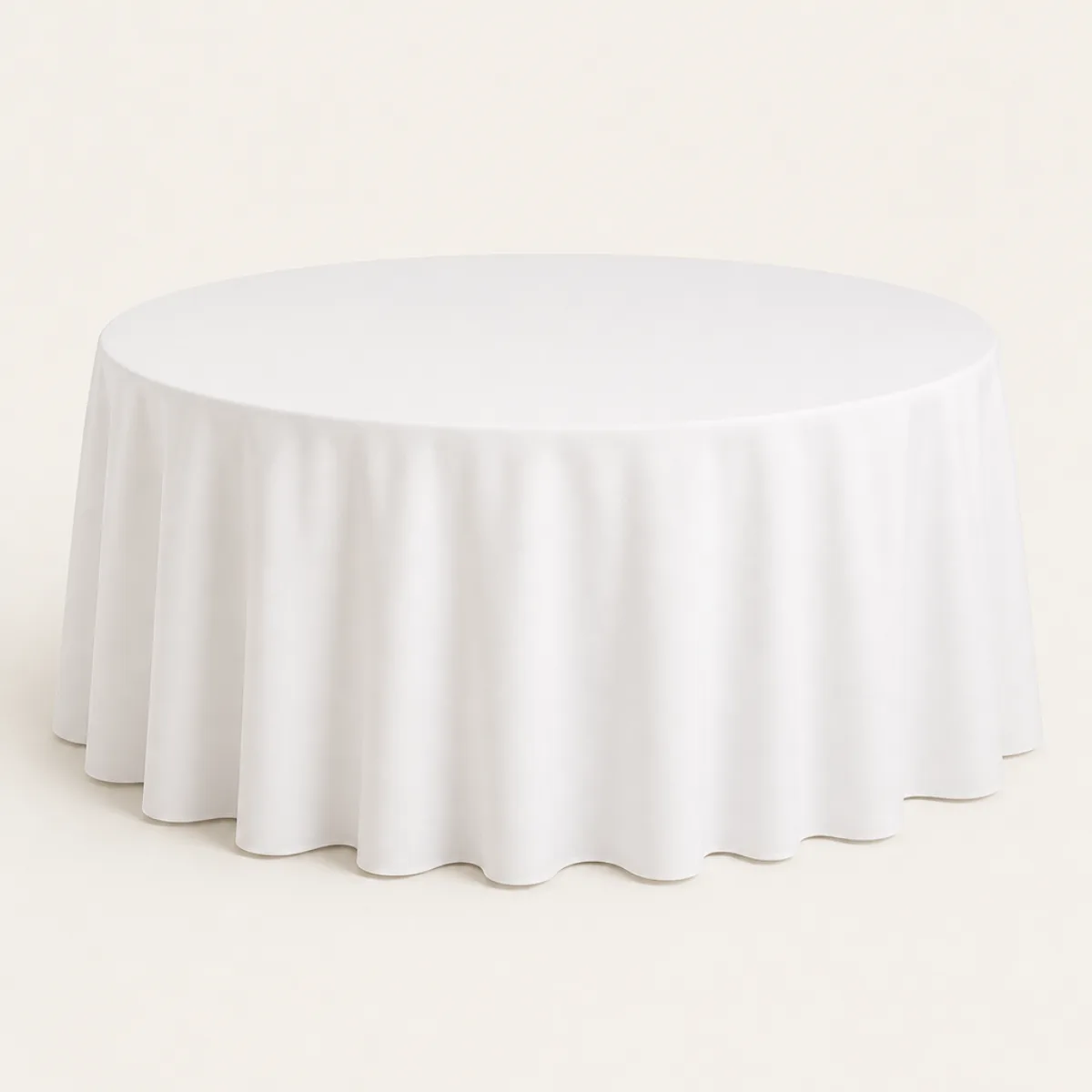
furniture:round-table-8
pack-assembly-ivory-cloth · pack-assembly-oak
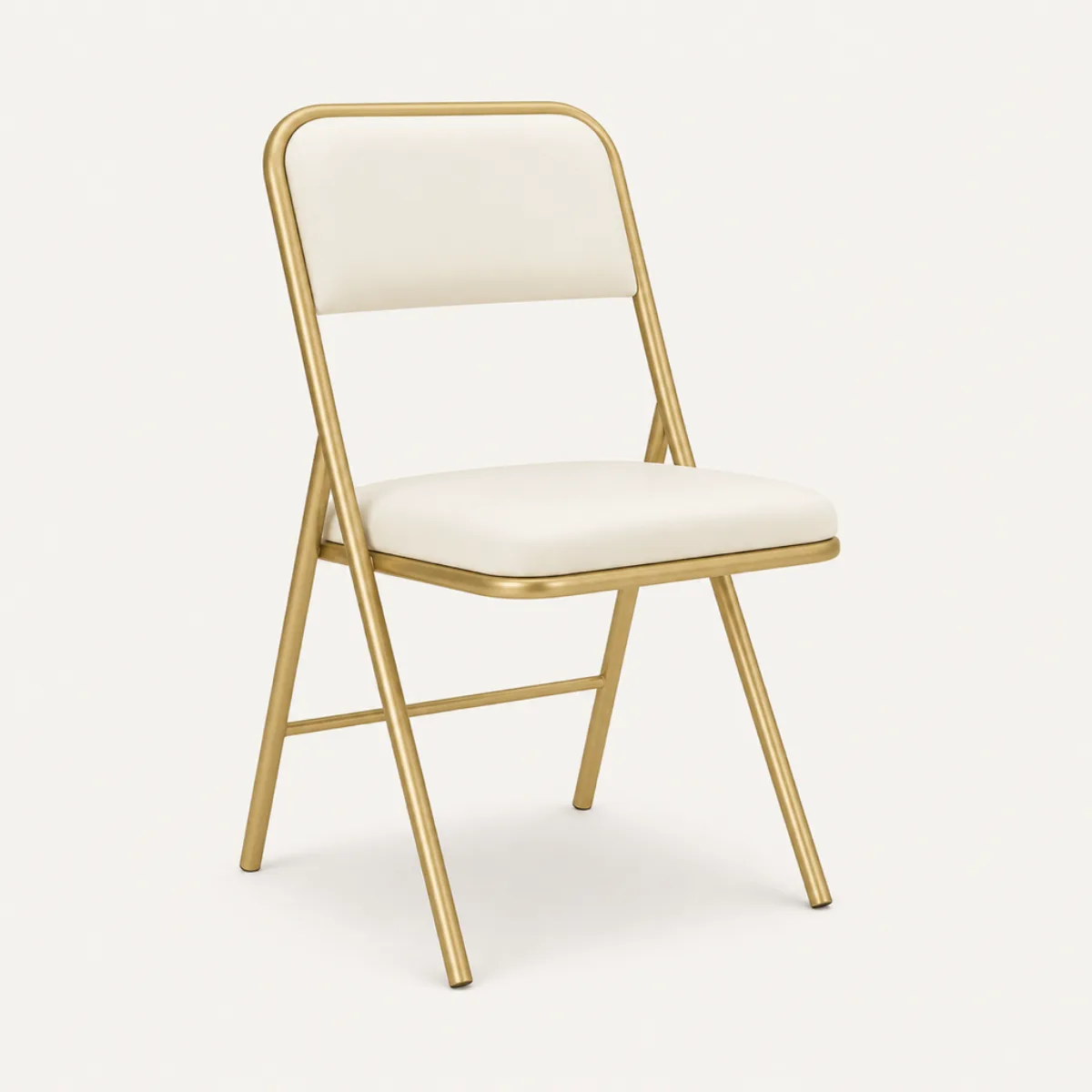
asset:folding-chair
pack-assembly-gold · pack-assembly-ivory-cloth
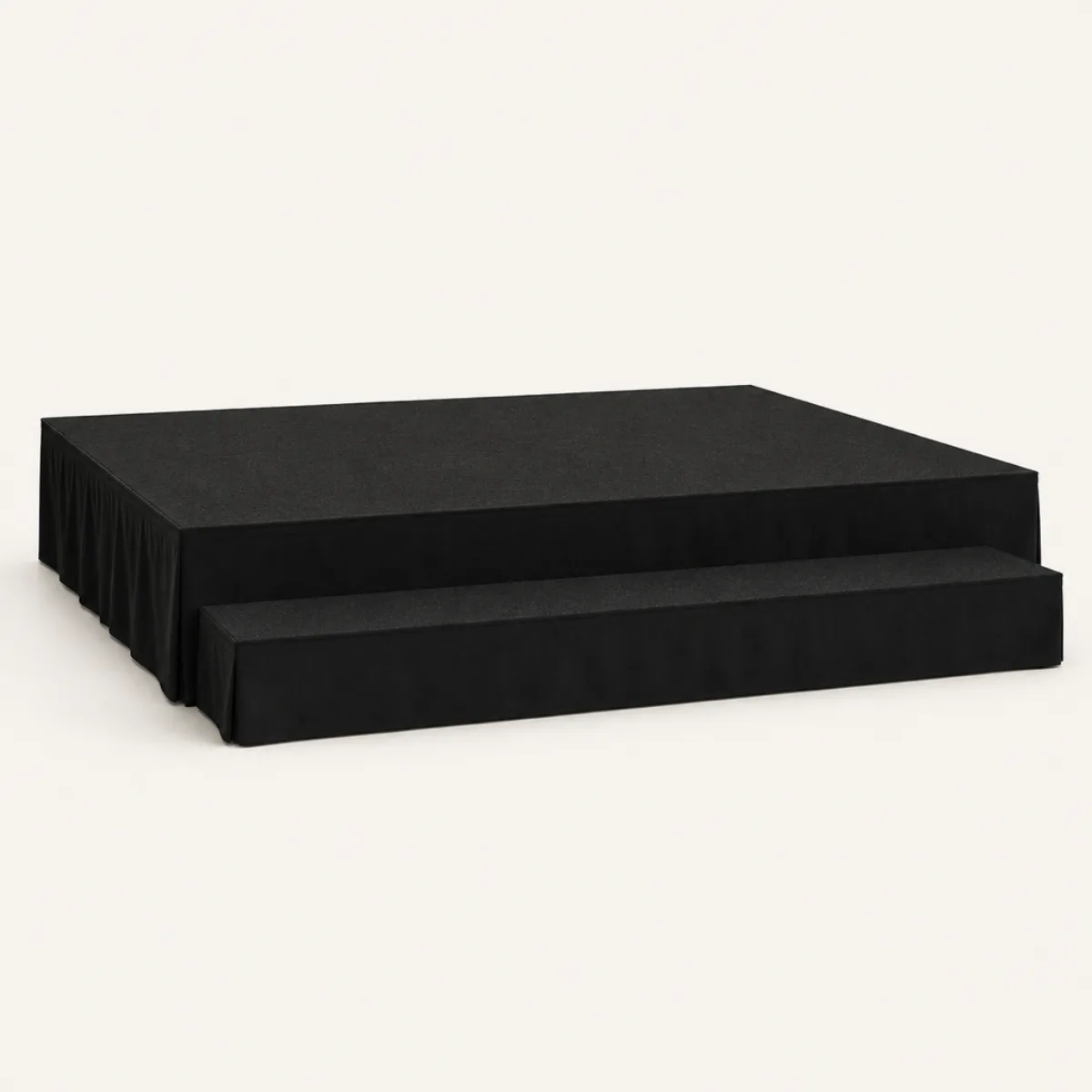
asset:stage
pal-charcoal
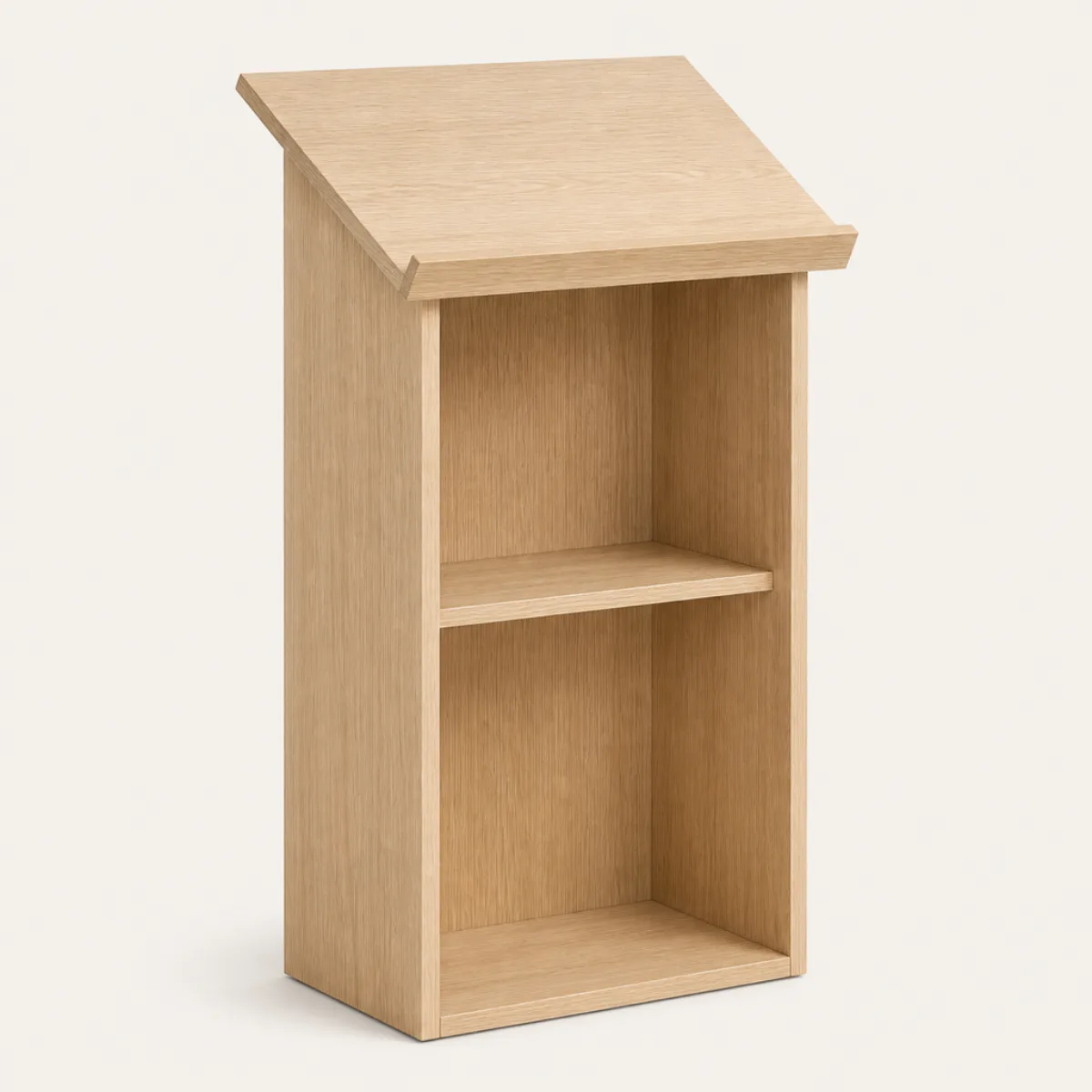
asset:lectern
pack-assembly-oak
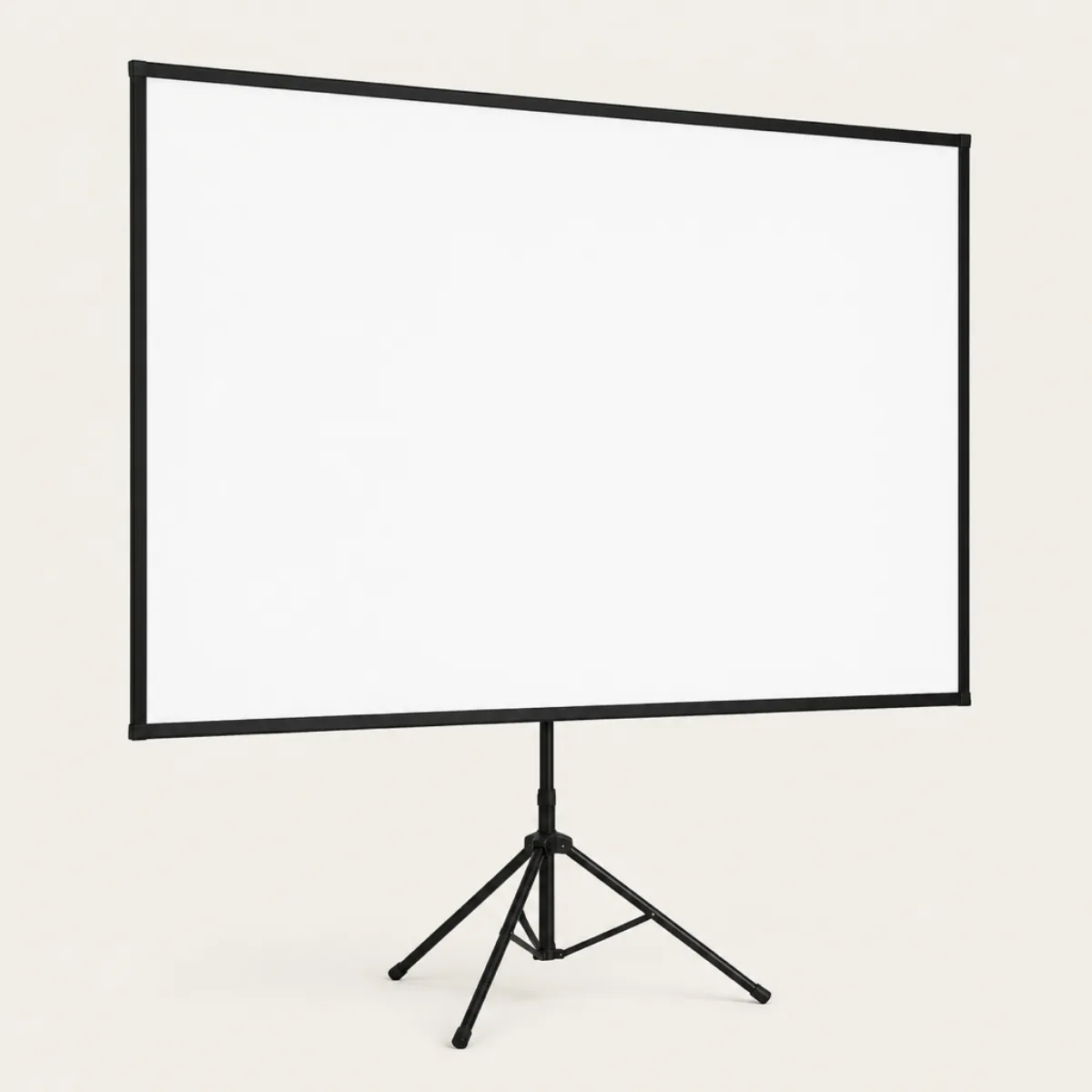
asset:av-screen
pal-charcoal · pal-white
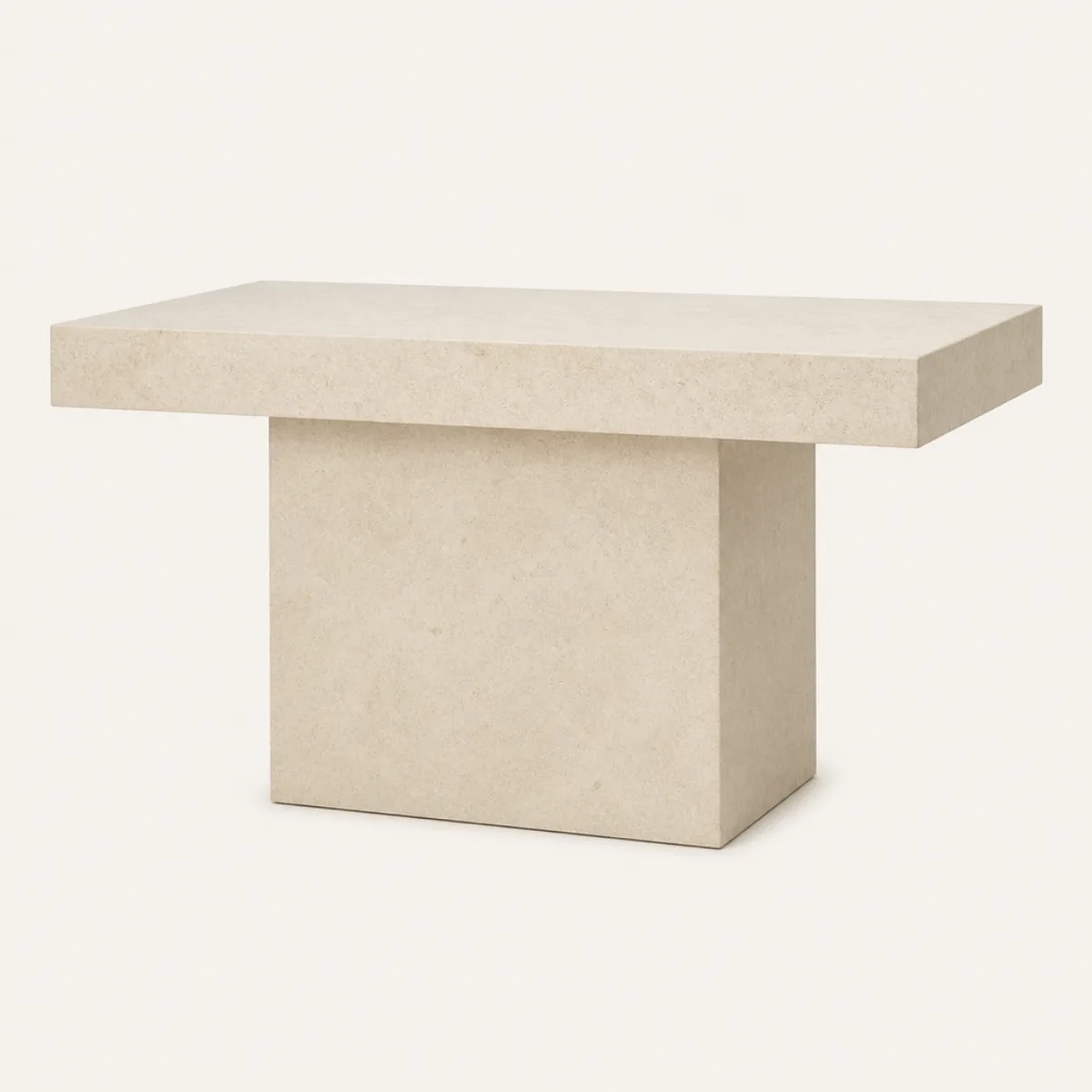
asset:altar
pal-stone
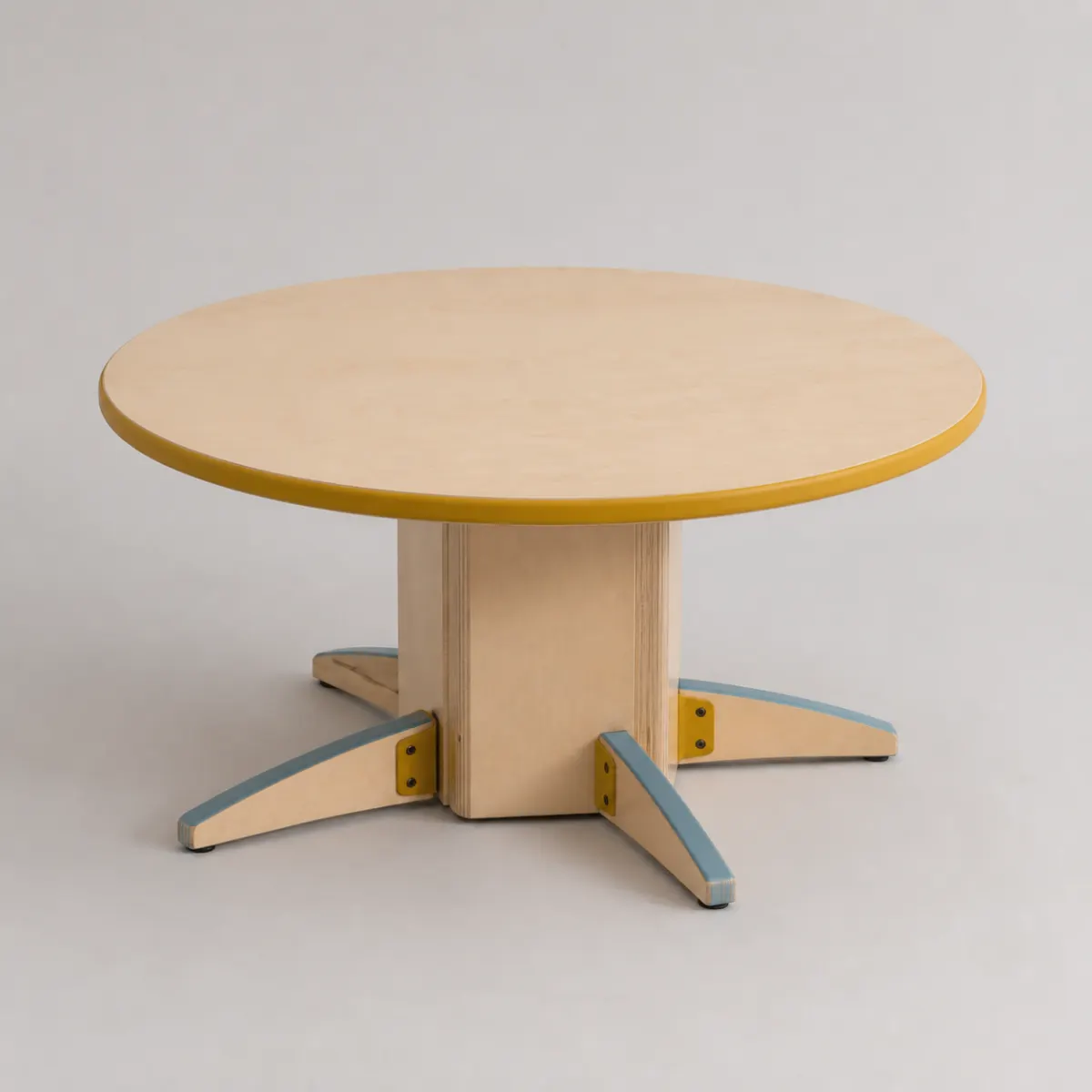
furniture:round-table-6
2 finishes
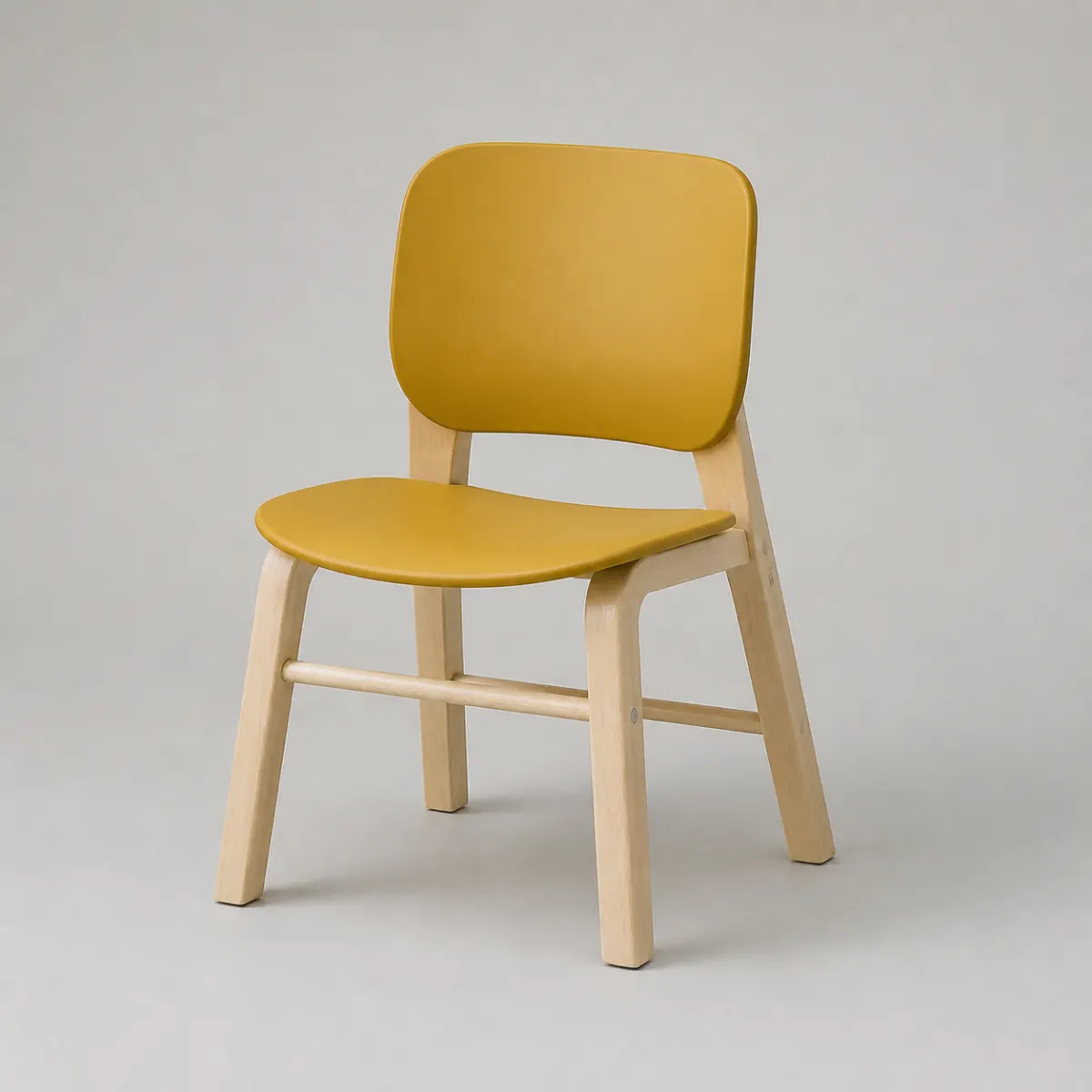
furniture:chair
4 finishes
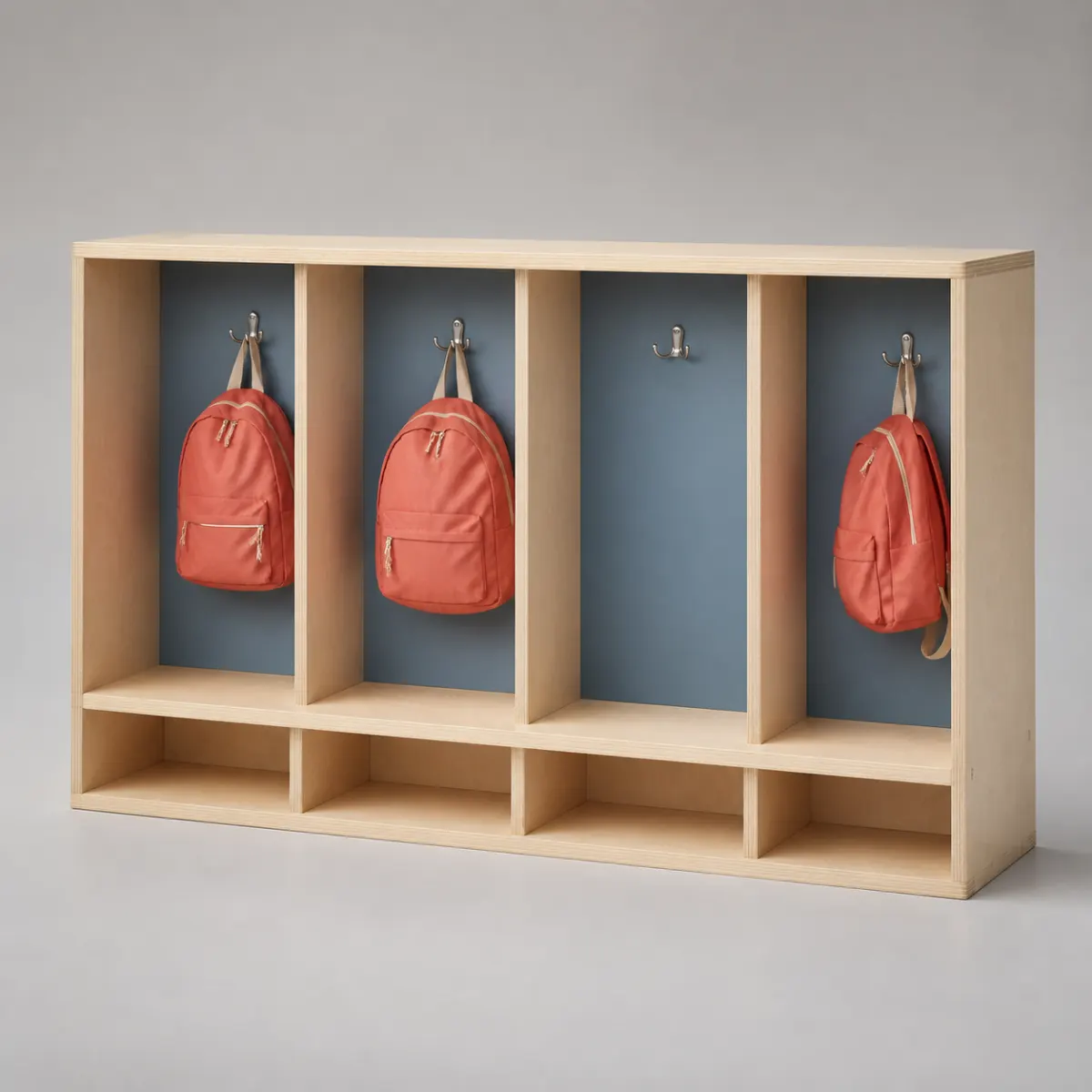
furniture:cubby-run
pack-cls-coral · pack-cls-sky · pal-oak-pale · pal-steel
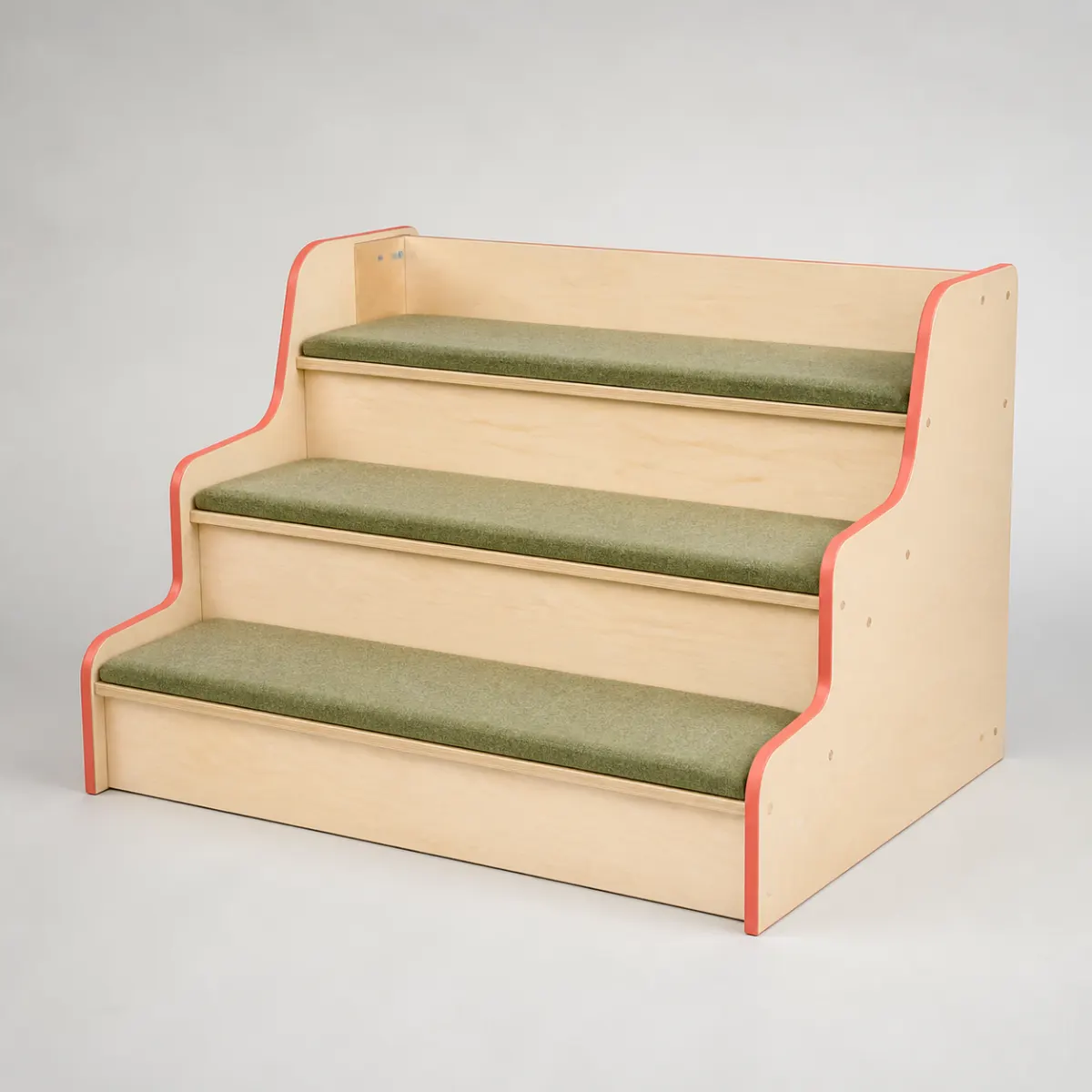
asset:story-steps
pack-cls-coral · pack-cls-moss · pal-oak-pale
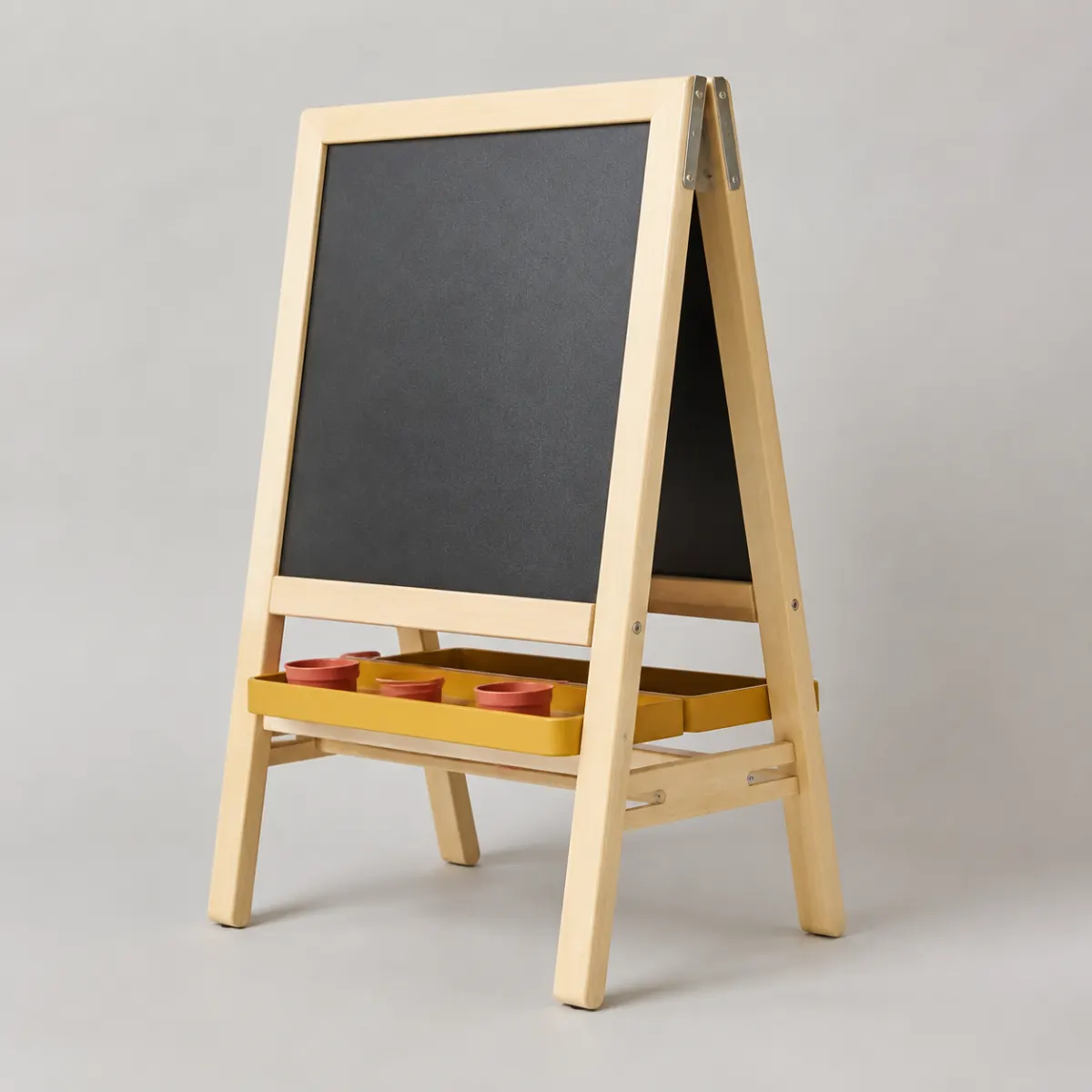
asset:easel
pack-cls-coral · pack-cls-sky · pal-charcoal · pal-oak-pale · pal-steel
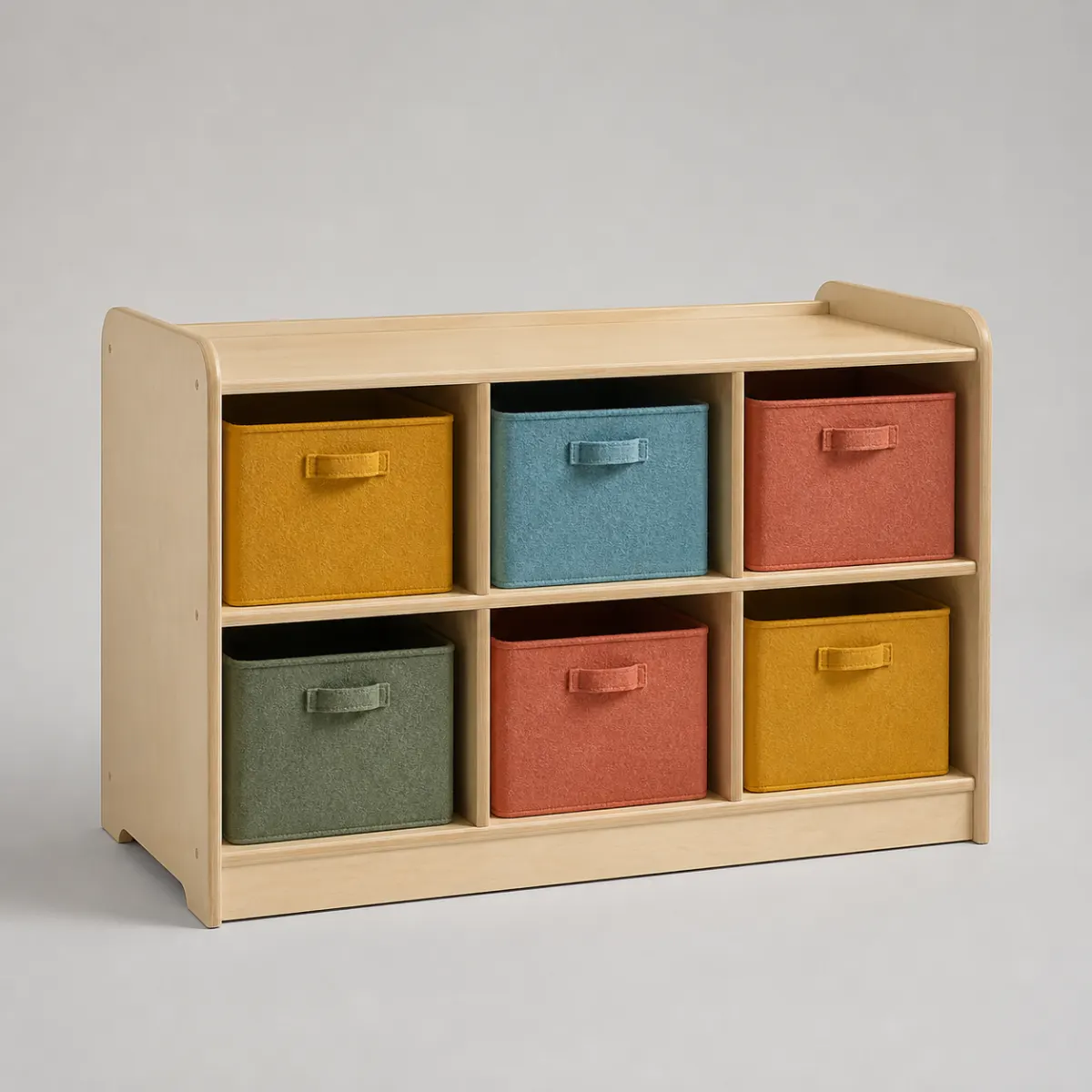
furniture:toy-shelf
pack-cls-coral · pack-cls-moss · pack-cls-sky · pack-cls-sun · pal-oak-pale
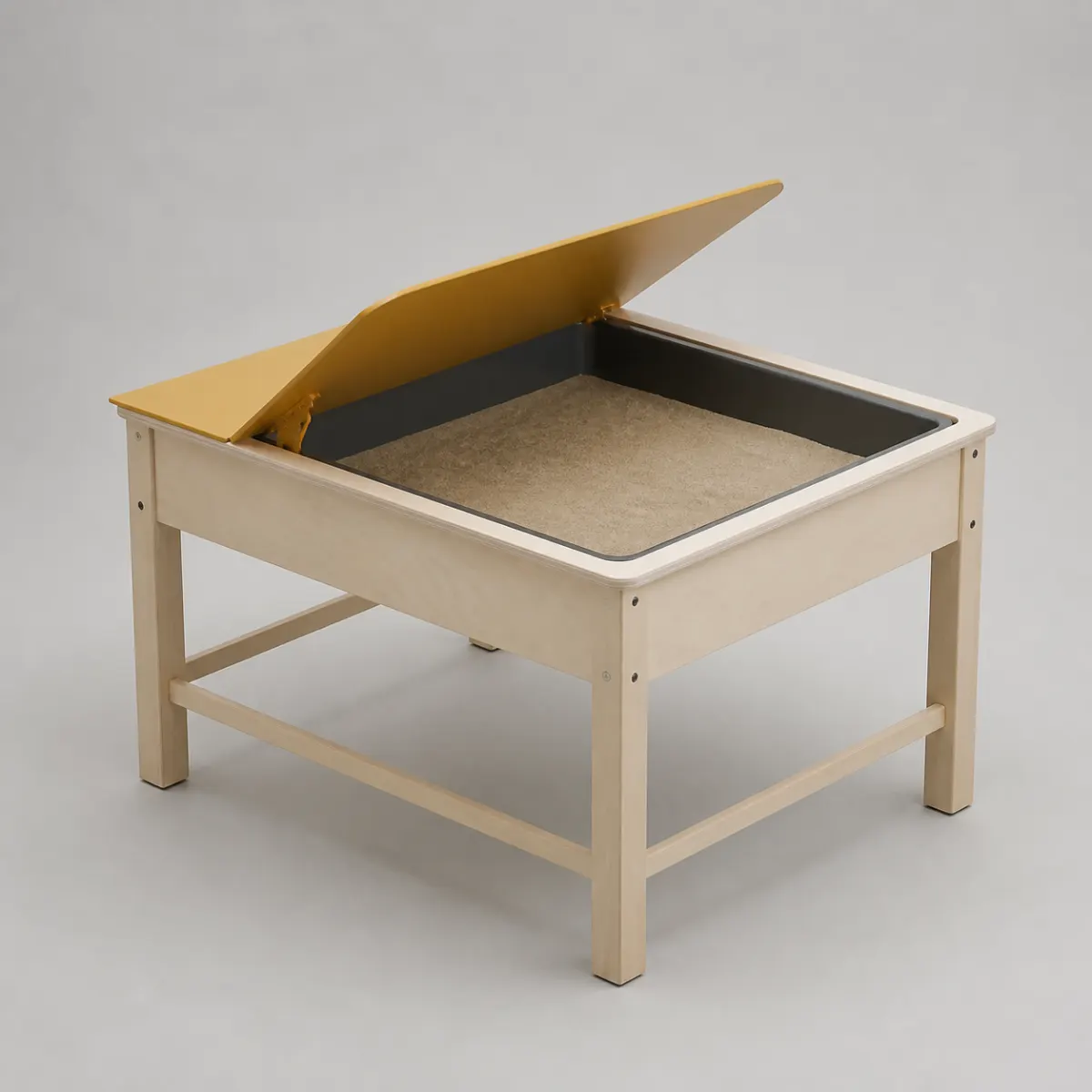
asset:sand-table
pack-cls-sand · pack-cls-sun · pal-oak-pale
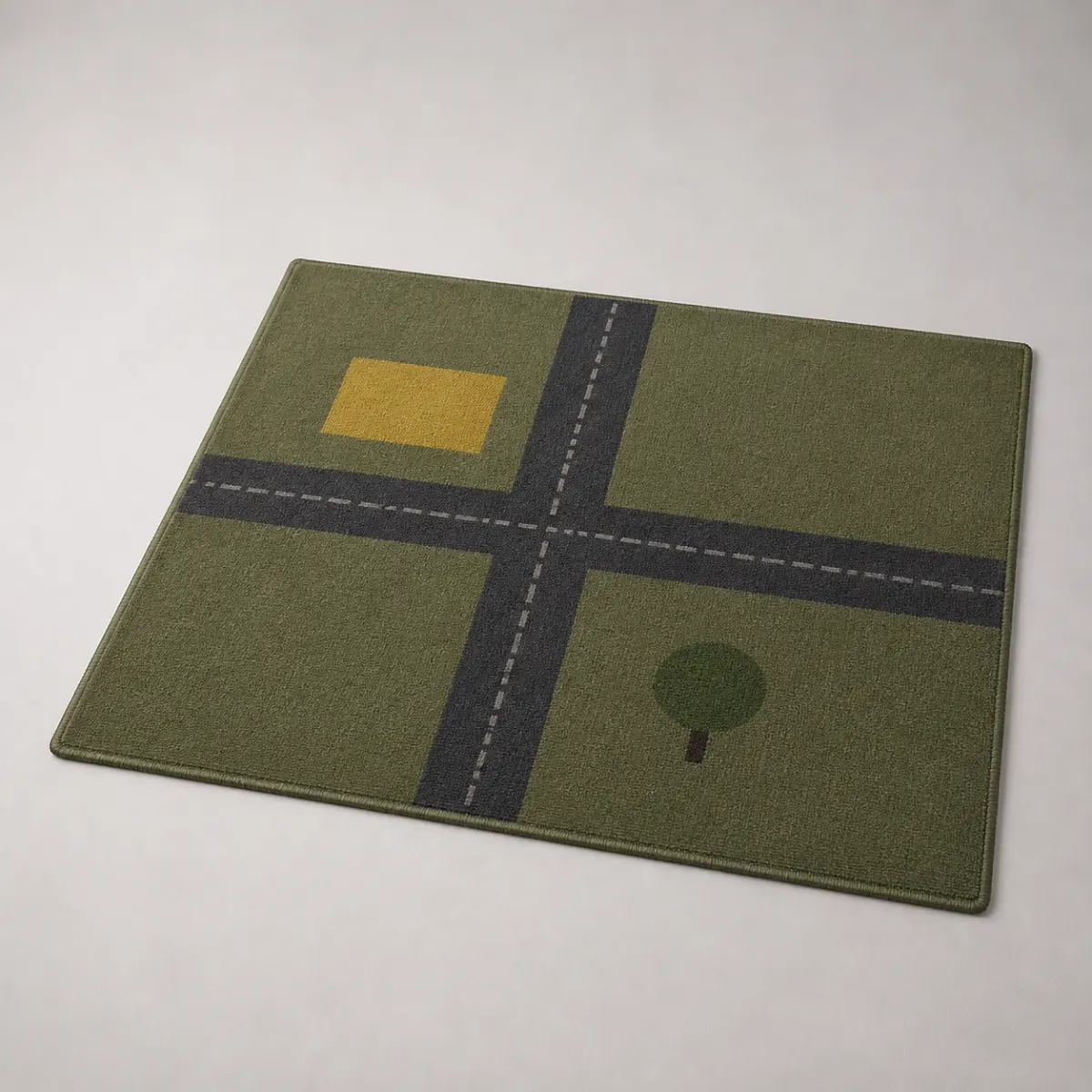
asset:play-mat
pack-cls-birch · pack-cls-moss · pack-cls-sun · pal-charcoal · pal-leaf
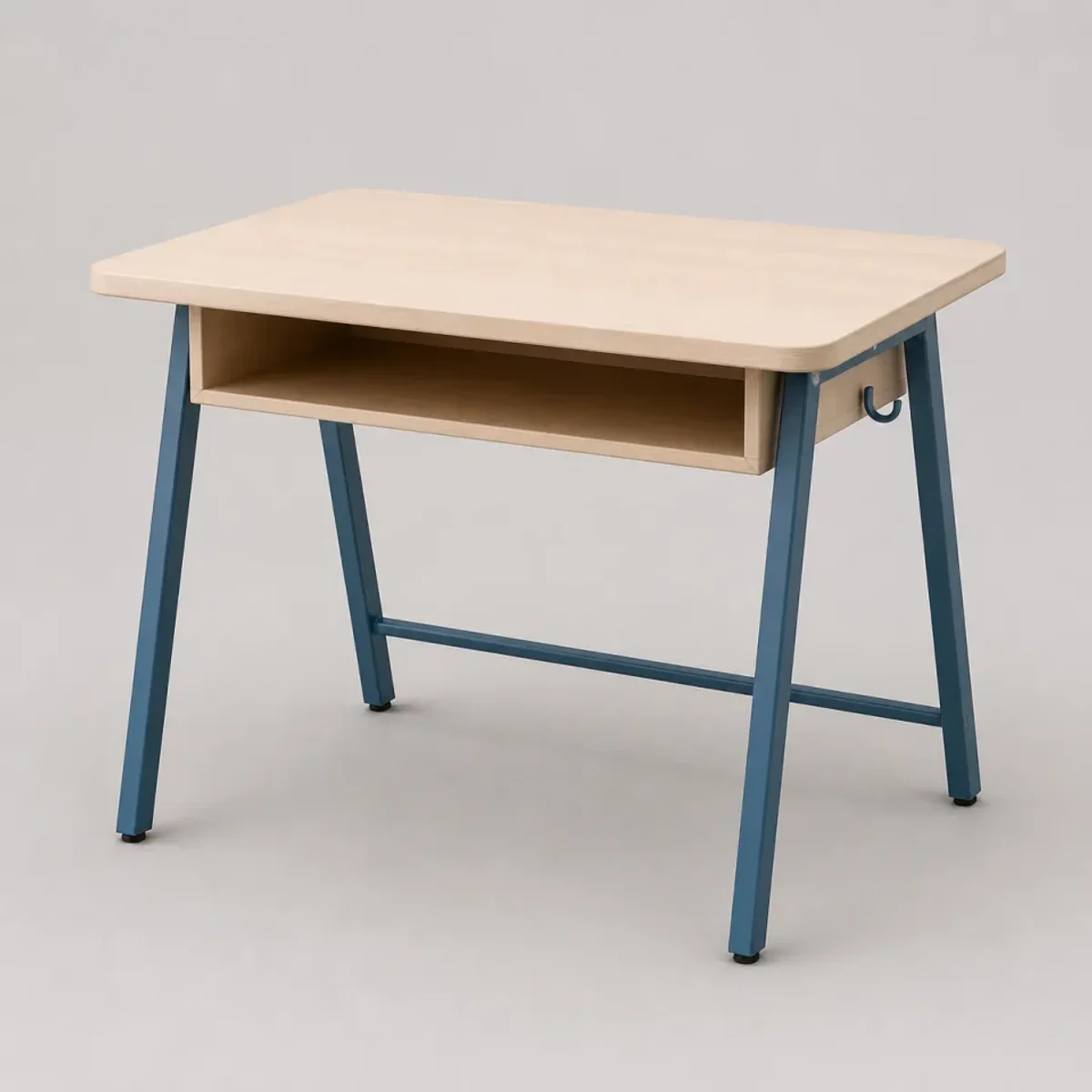
furniture:student-desk
pack-cls-sky · pal-oak-pale · pal-steel-dark
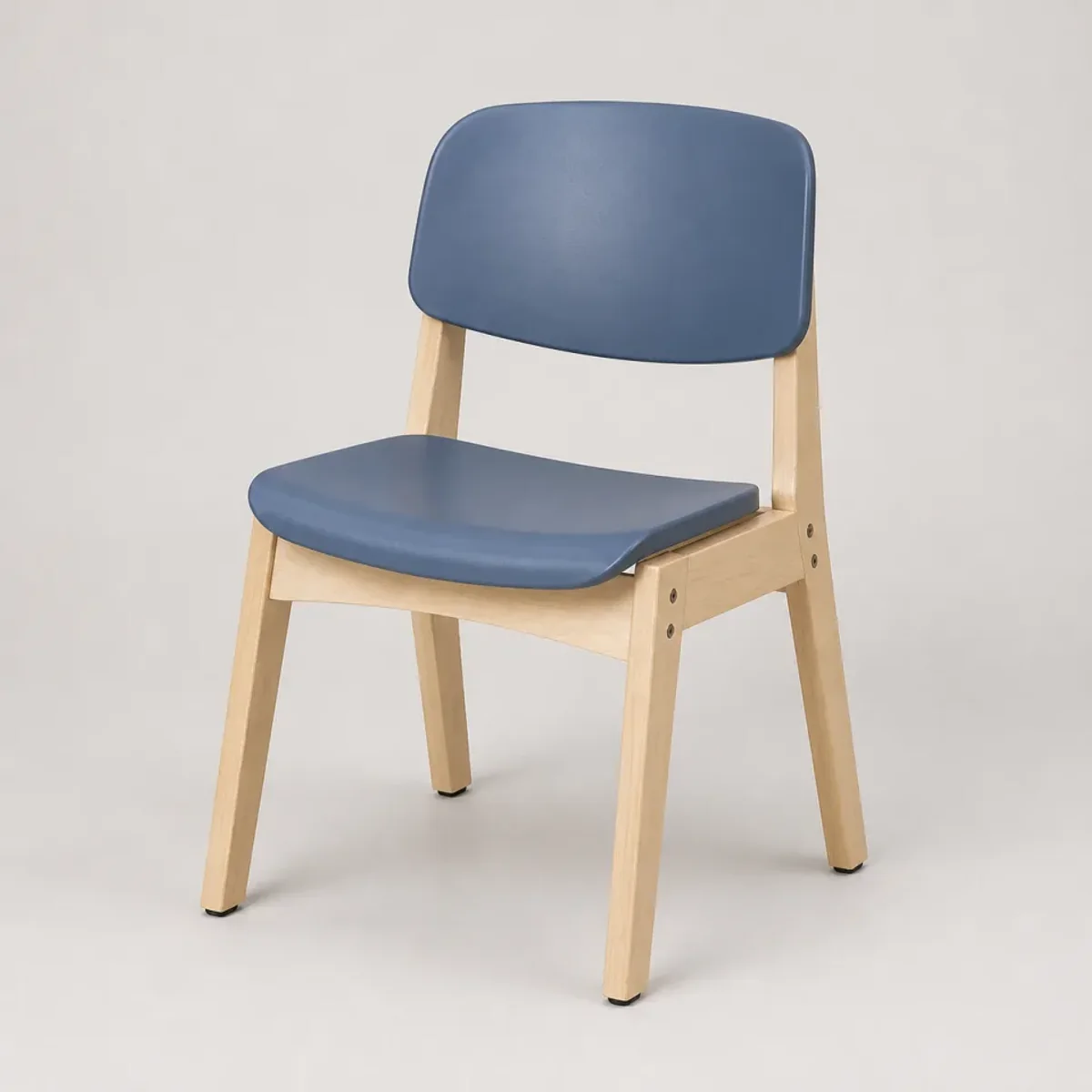
furniture:student-chair
pack-cls-sky · pal-oak-pale · pal-steel-dark
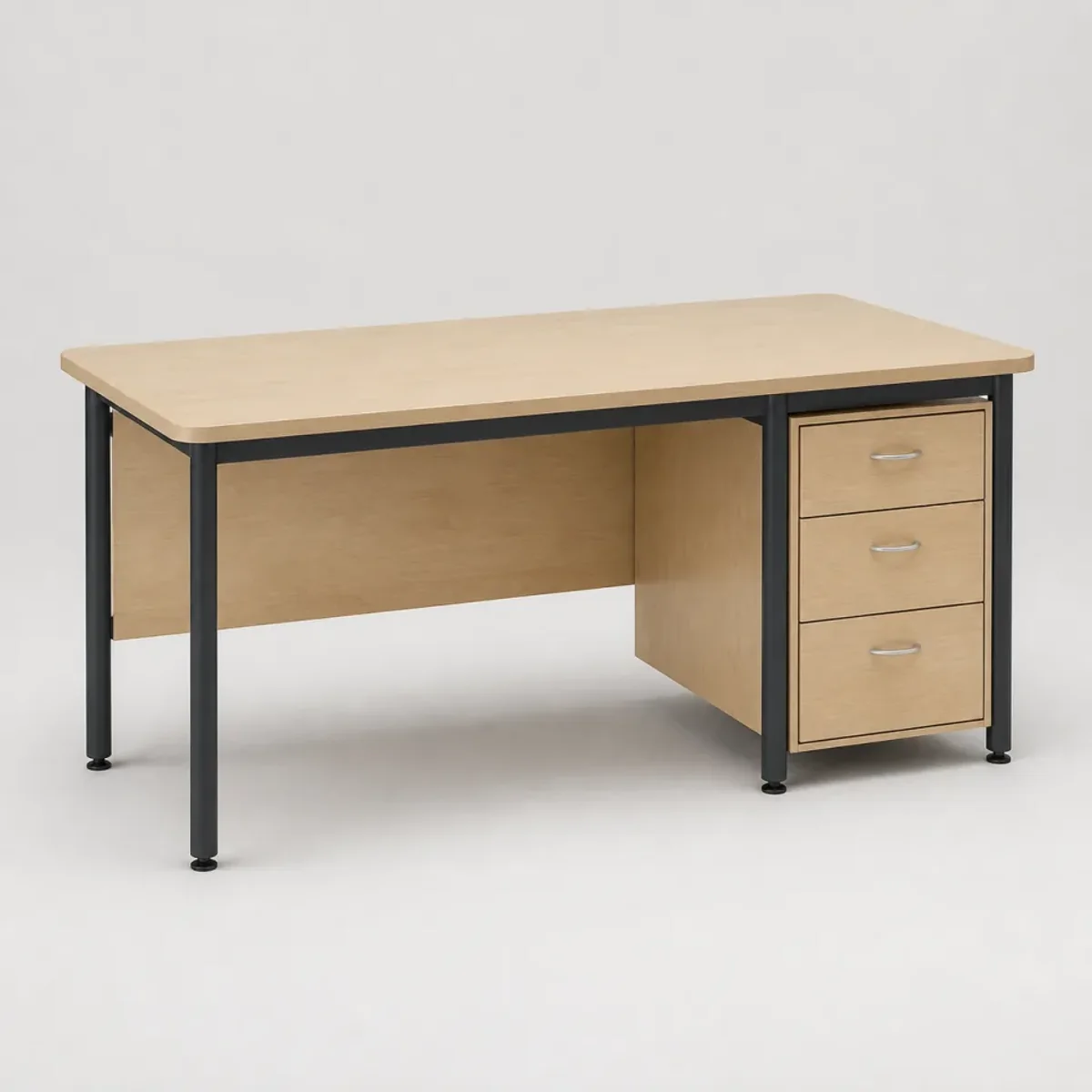
furniture:teacher-desk
pal-charcoal · pal-oak-pale · pal-steel
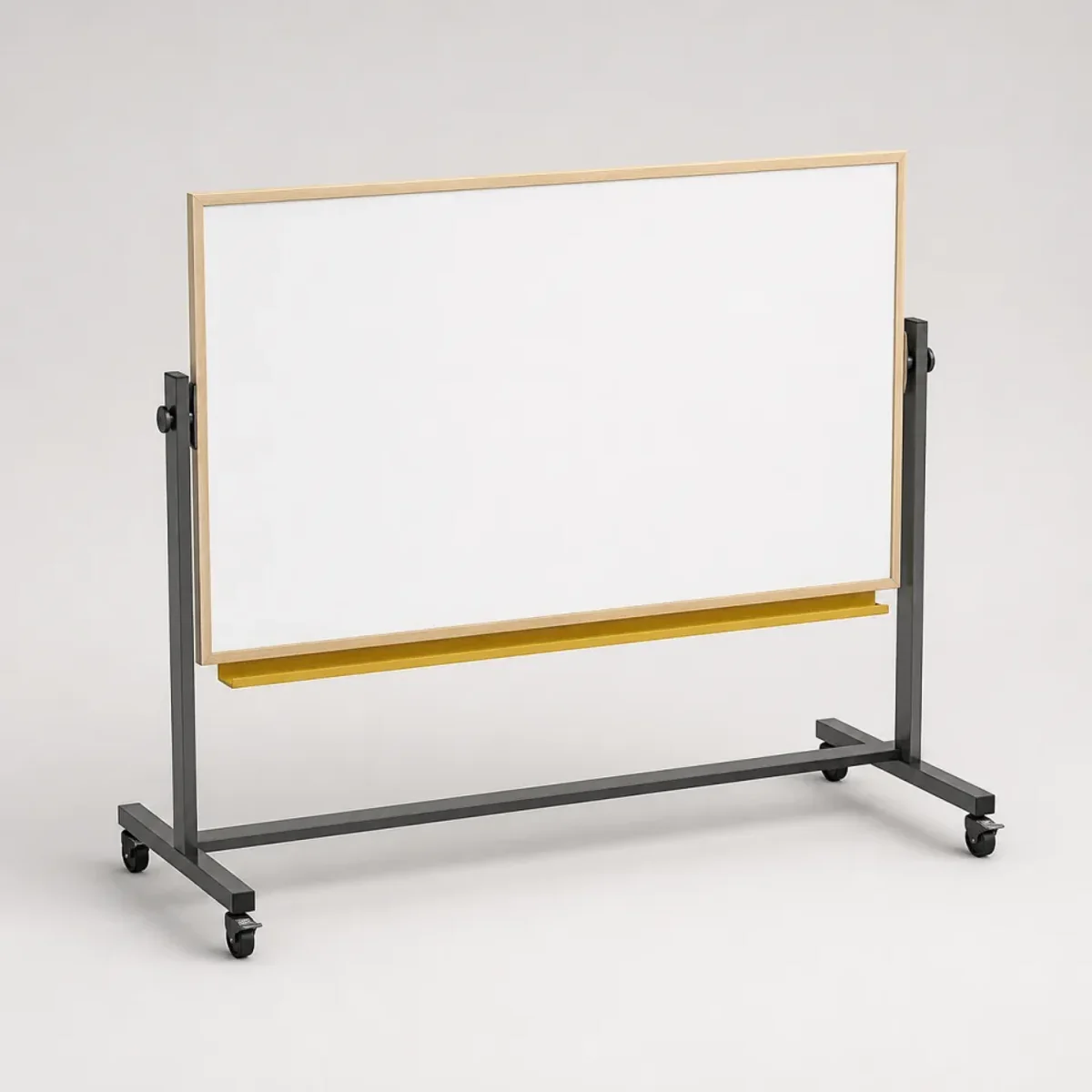
furniture:whiteboard
pack-cls-sun · pal-oak-pale · pal-off-white · pal-steel-dark
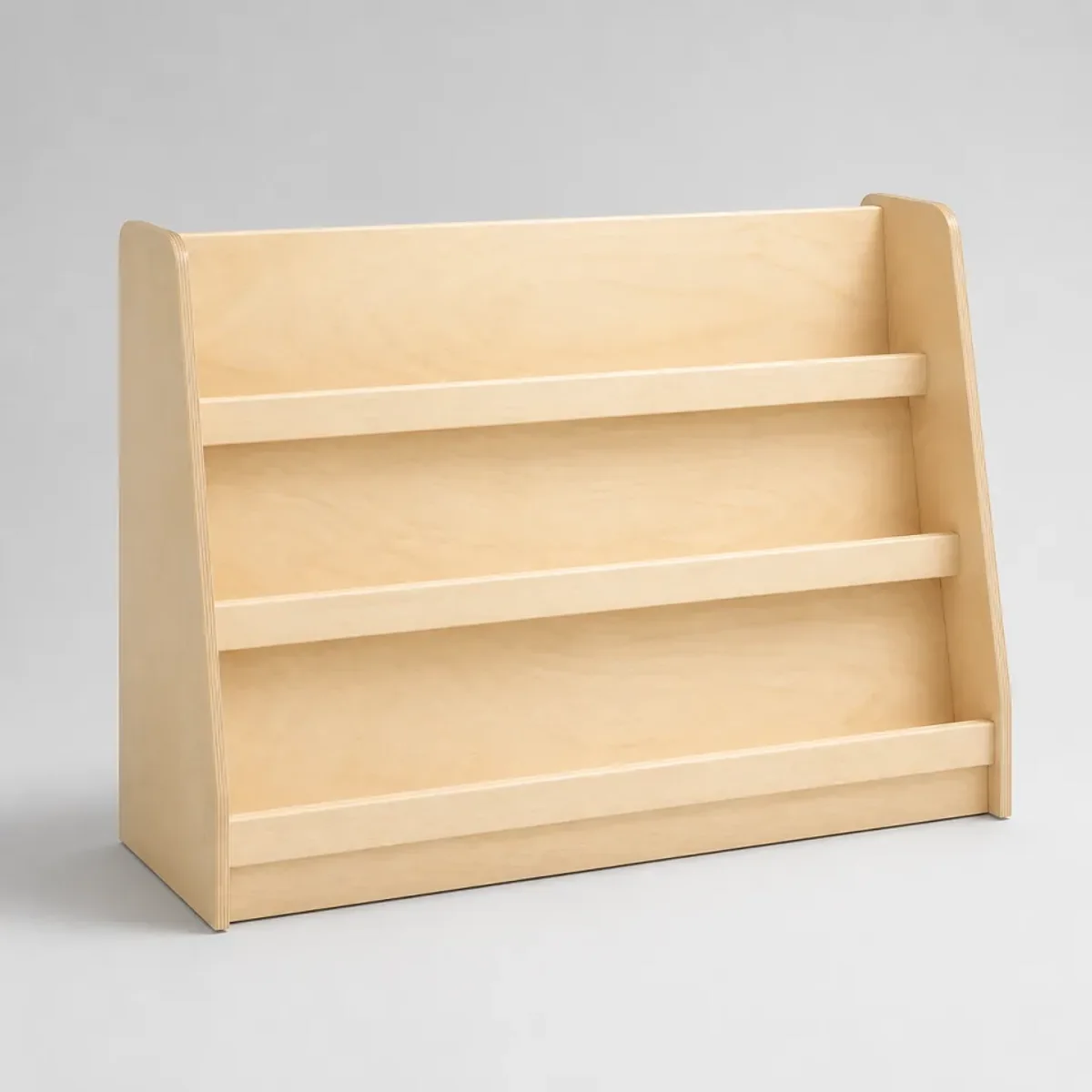
asset:classroom-book-display
pal-oak
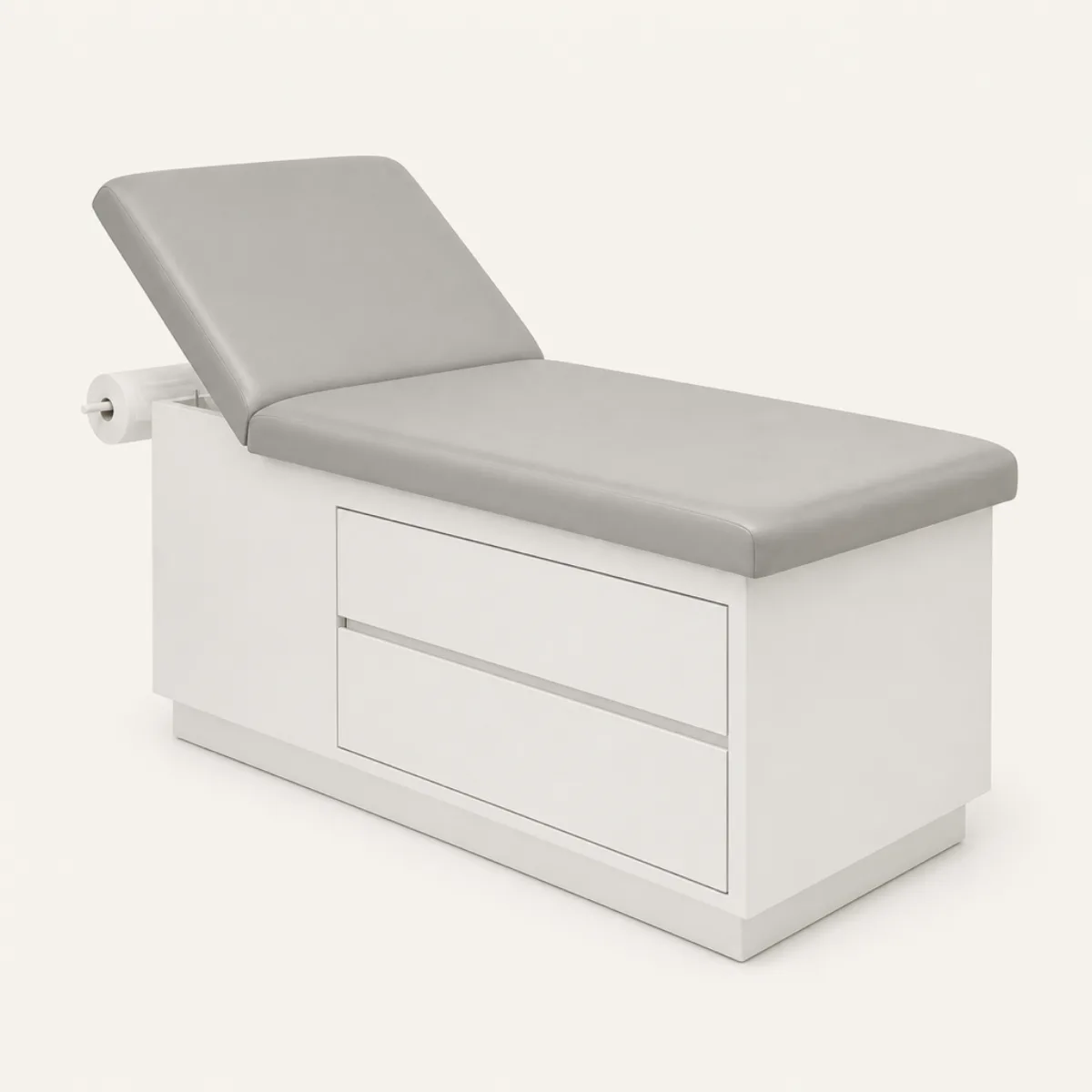
asset:exam-table
pack-clinic-grey · pack-clinic-paper · pack-clinic-steel · pal-white
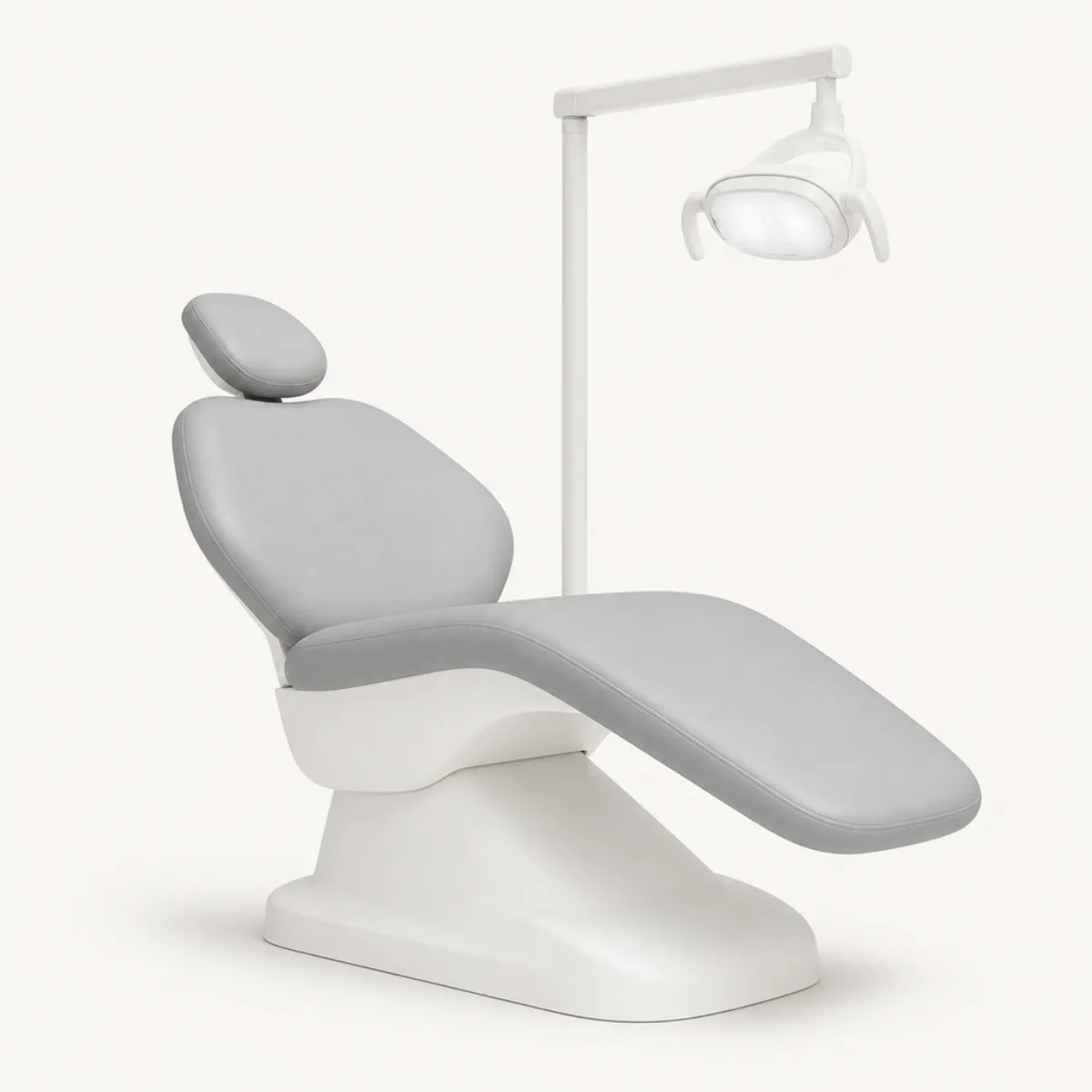
asset:dental-chair
pack-clinic-grey · pack-clinic-paper · pal-white
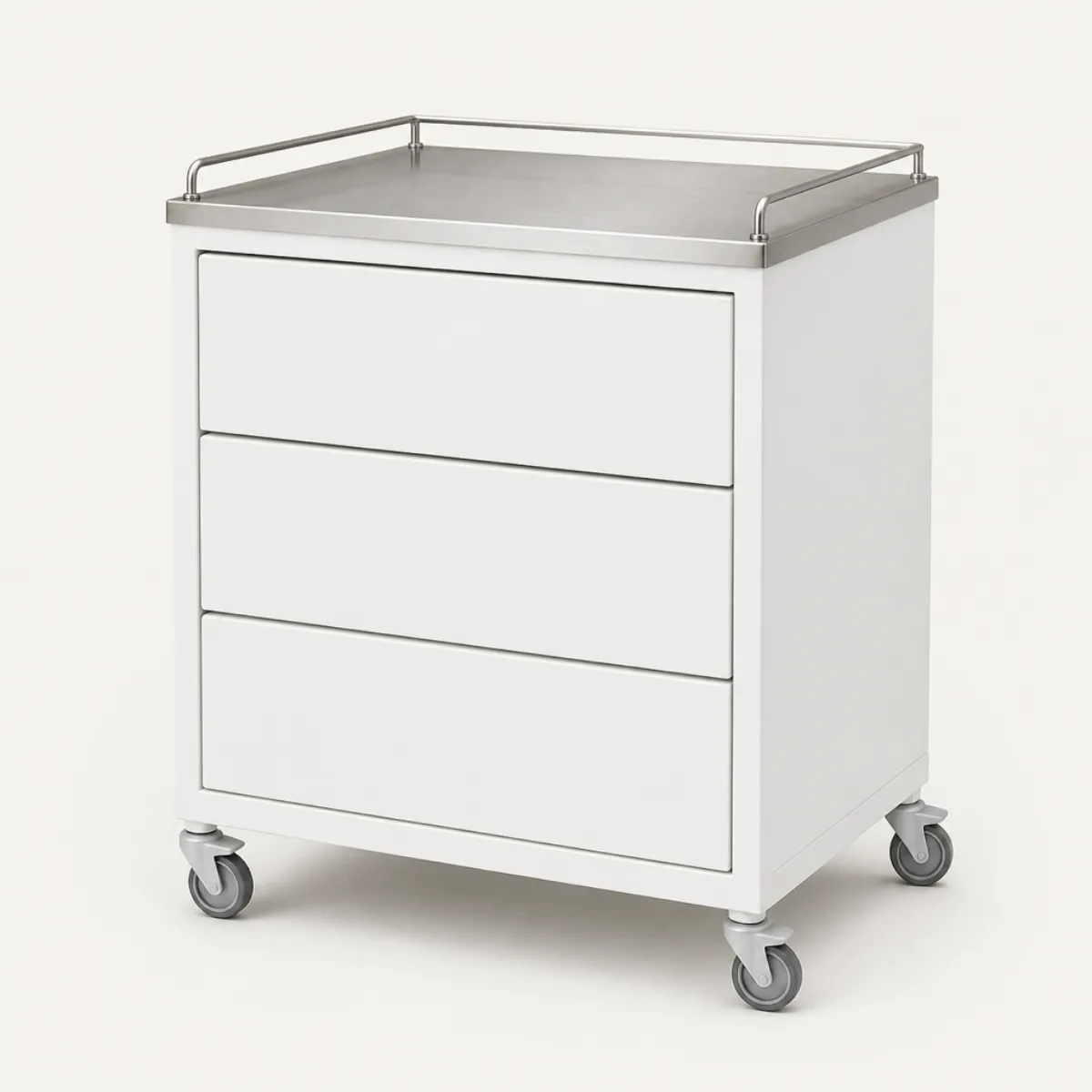
asset:treatment-cart
pal-steel · pal-white
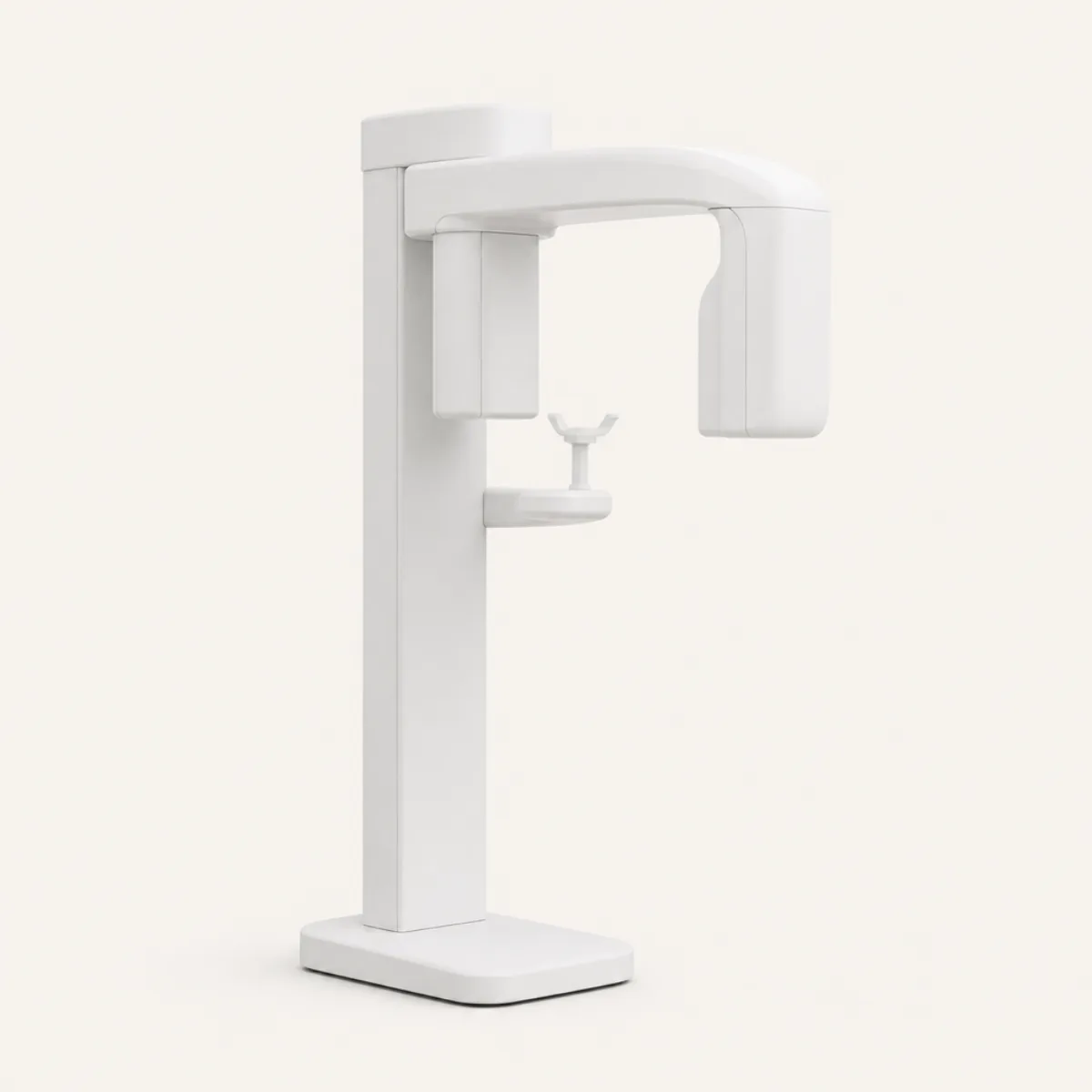
asset:x-ray-unit
pack-clinic-grey · pal-white
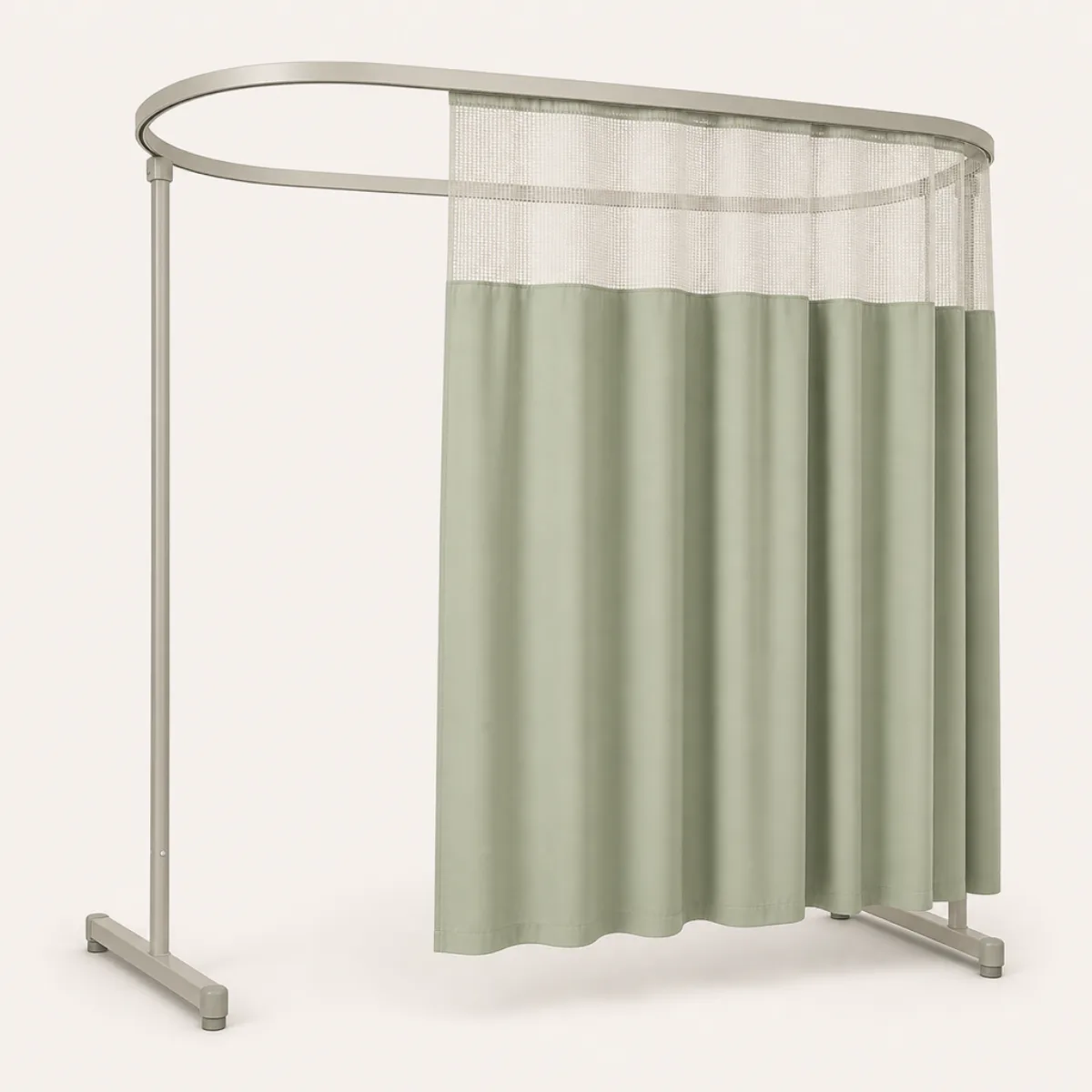
asset:privacy-curtain
pack-clinic-mesh · pack-clinic-sage · pal-steel
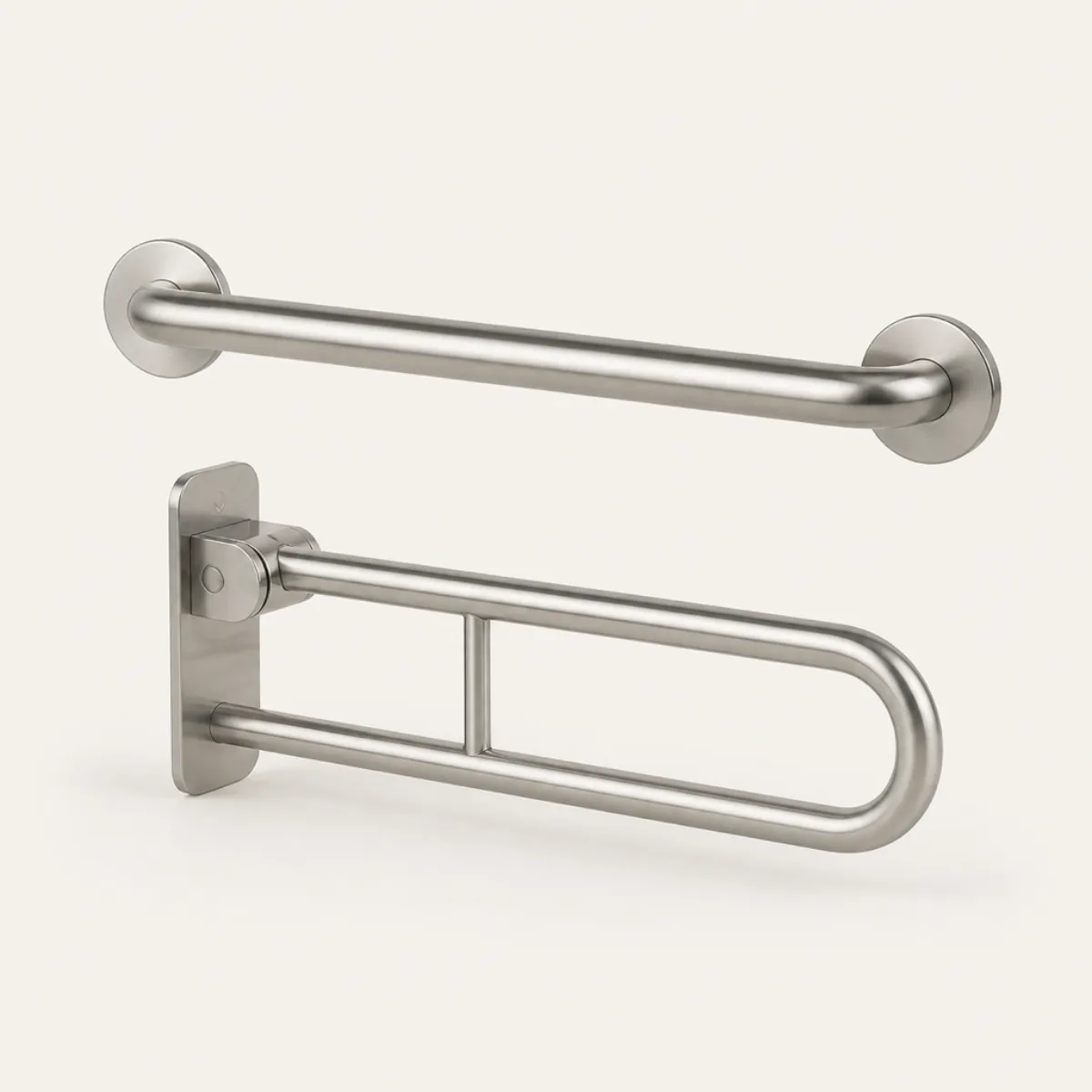
asset:grab-rail
pal-steel
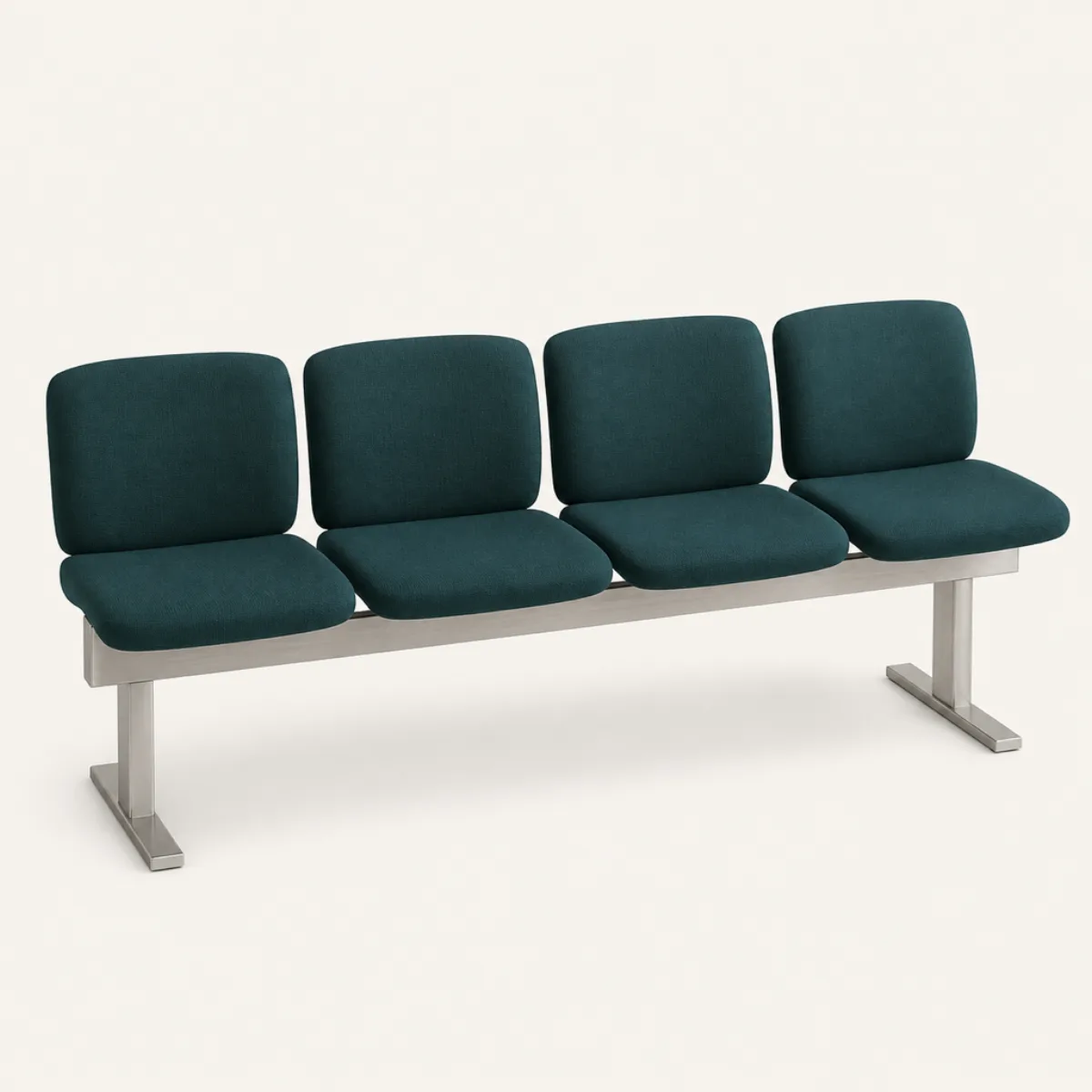
furniture:row-chairs
pack-clinic-teal · pal-steel
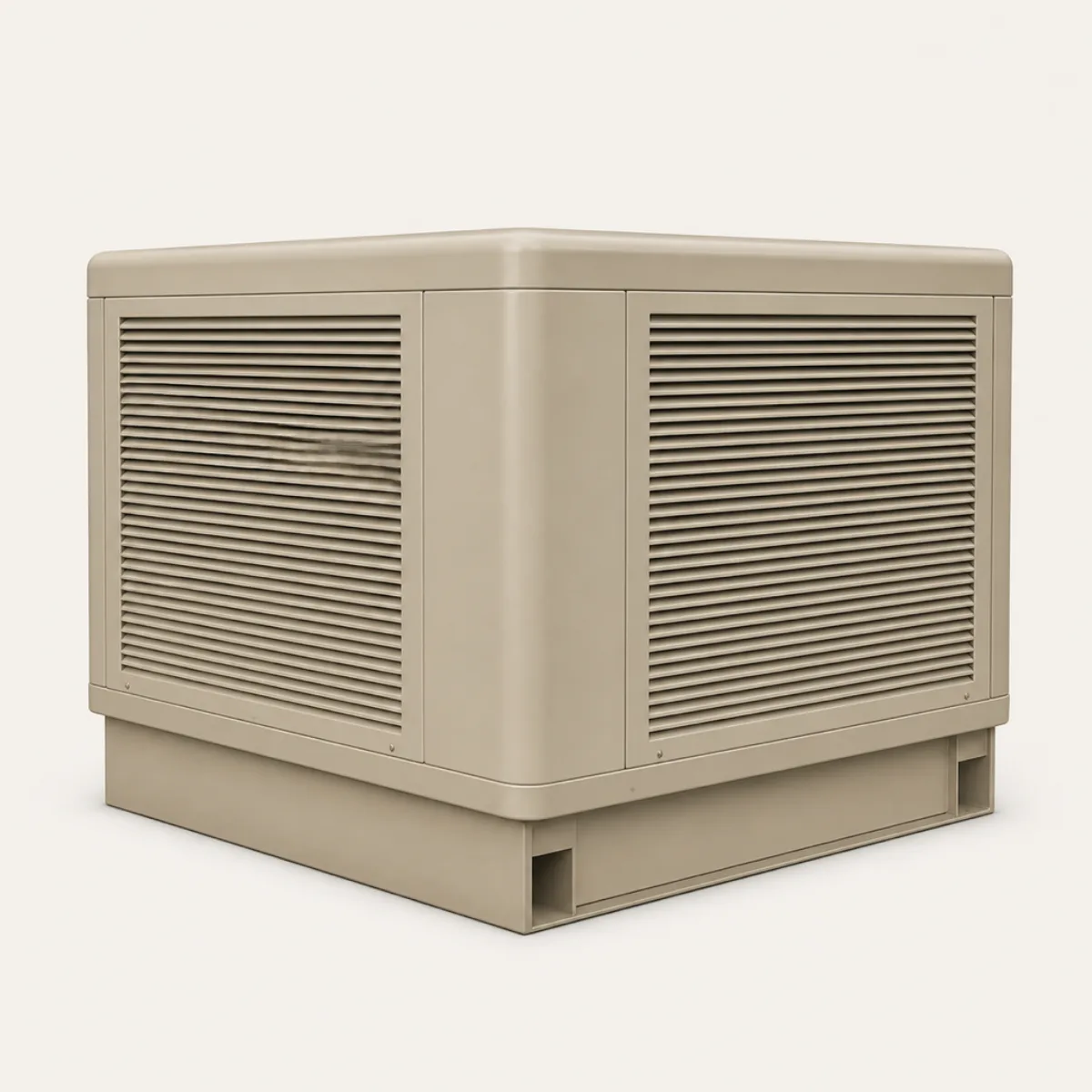
asset:rtu
pack-envelope-beige-steel · pal-steel-dark
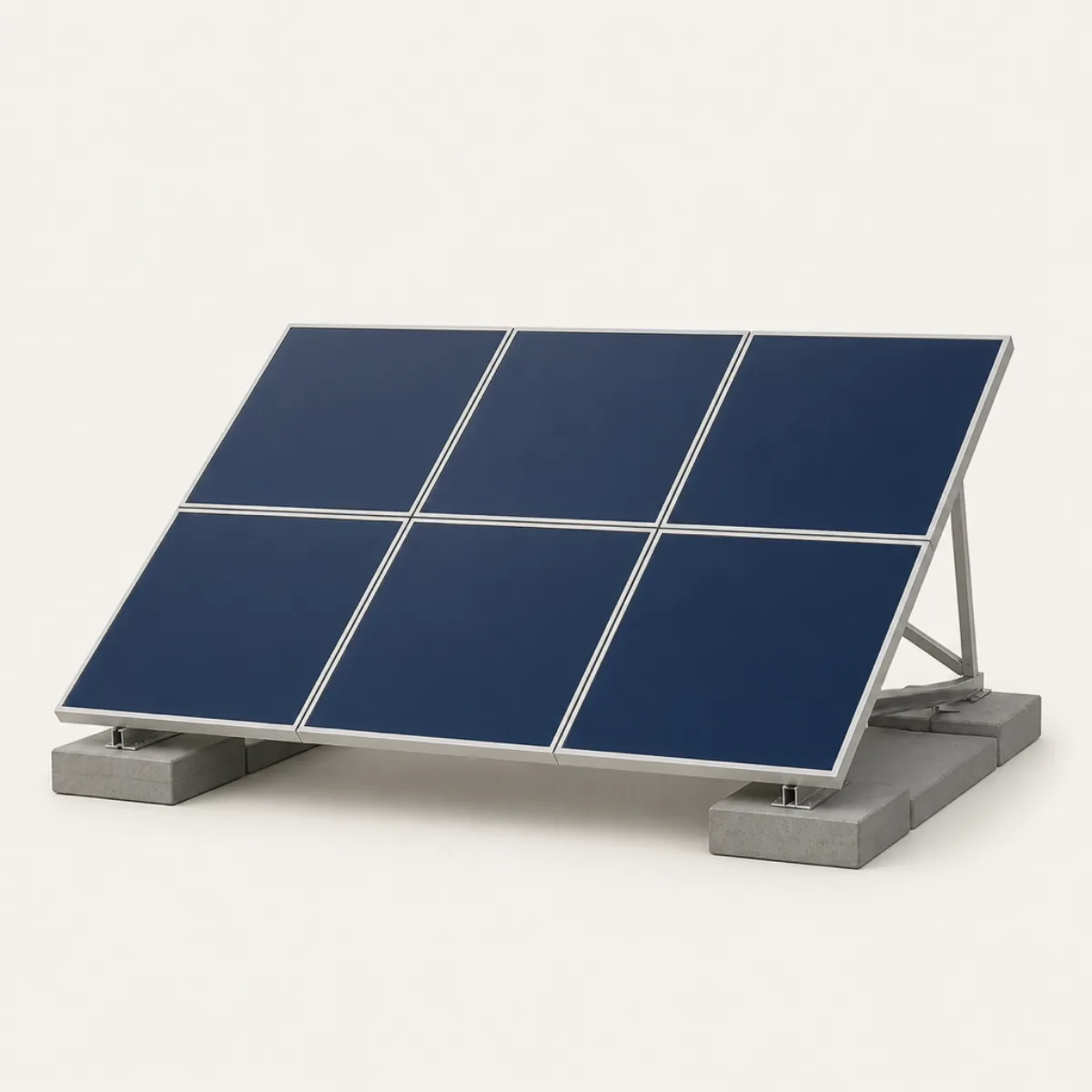
asset:pv-array
concrete · pack-envelope-pv · pal-steel
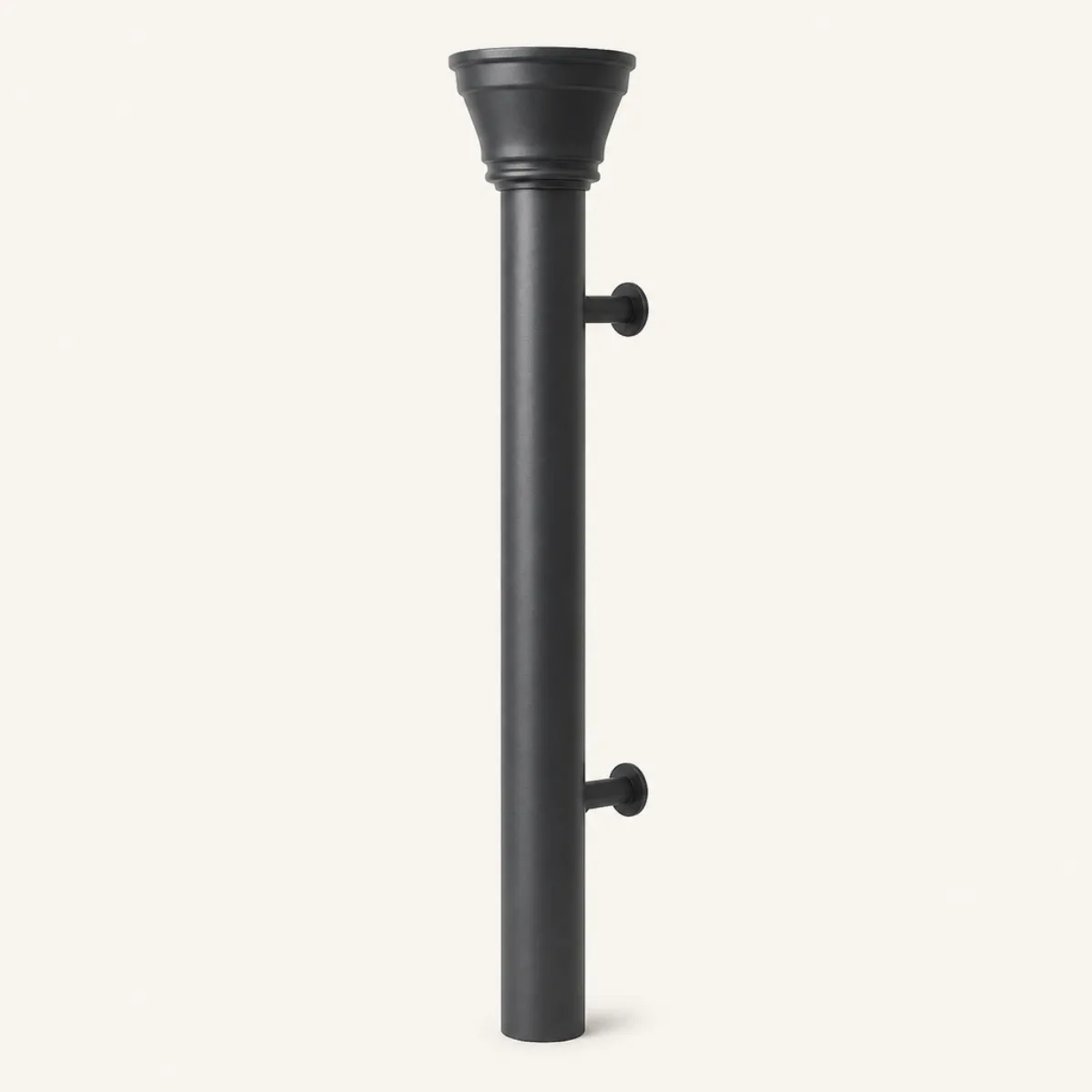
asset:downpipe
pal-steel-dark
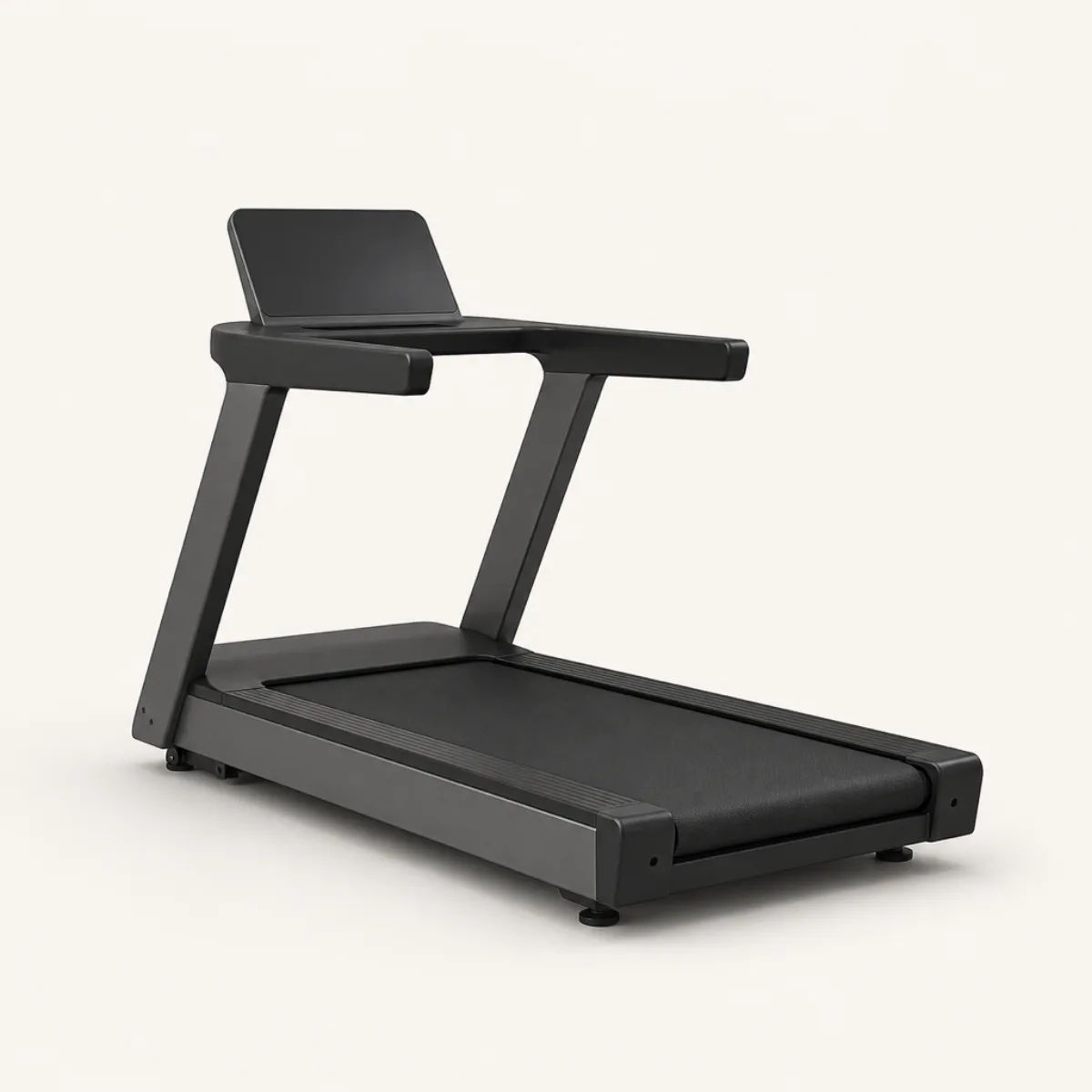
asset:treadmill
pack-fitness-screen · pal-charcoal
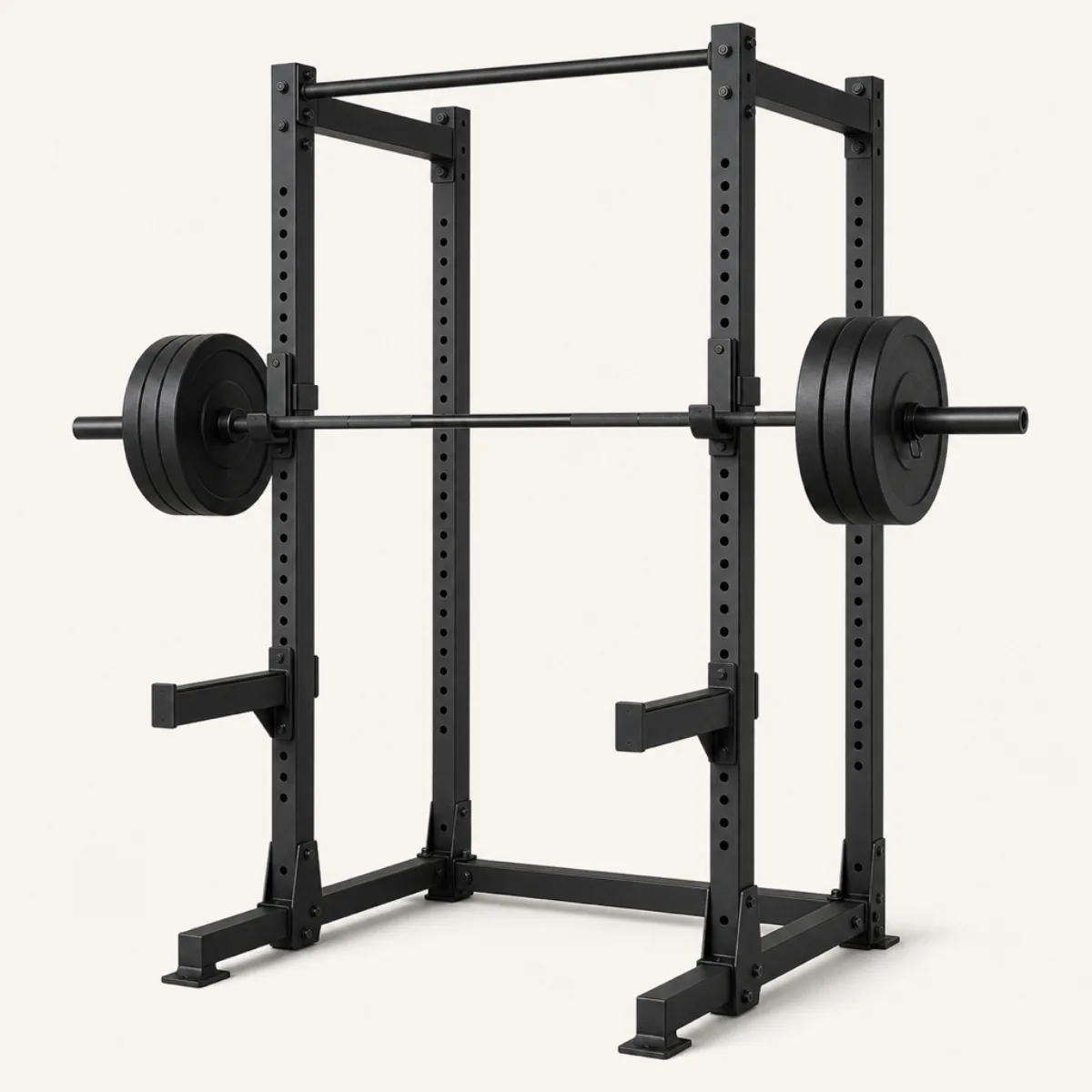
asset:squat-rack
pal-charcoal
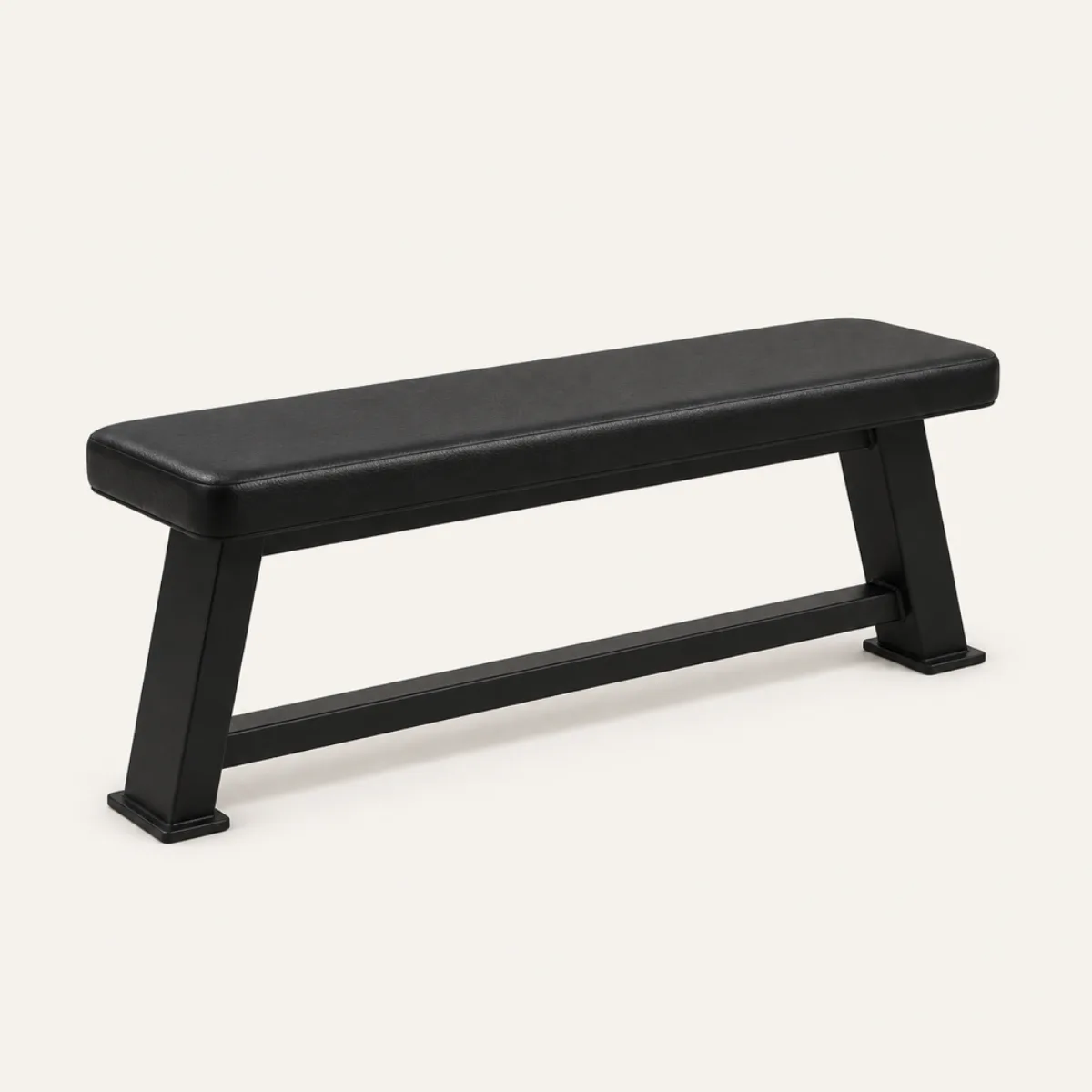
asset:weight-bench
pal-charcoal · pal-wool-dark
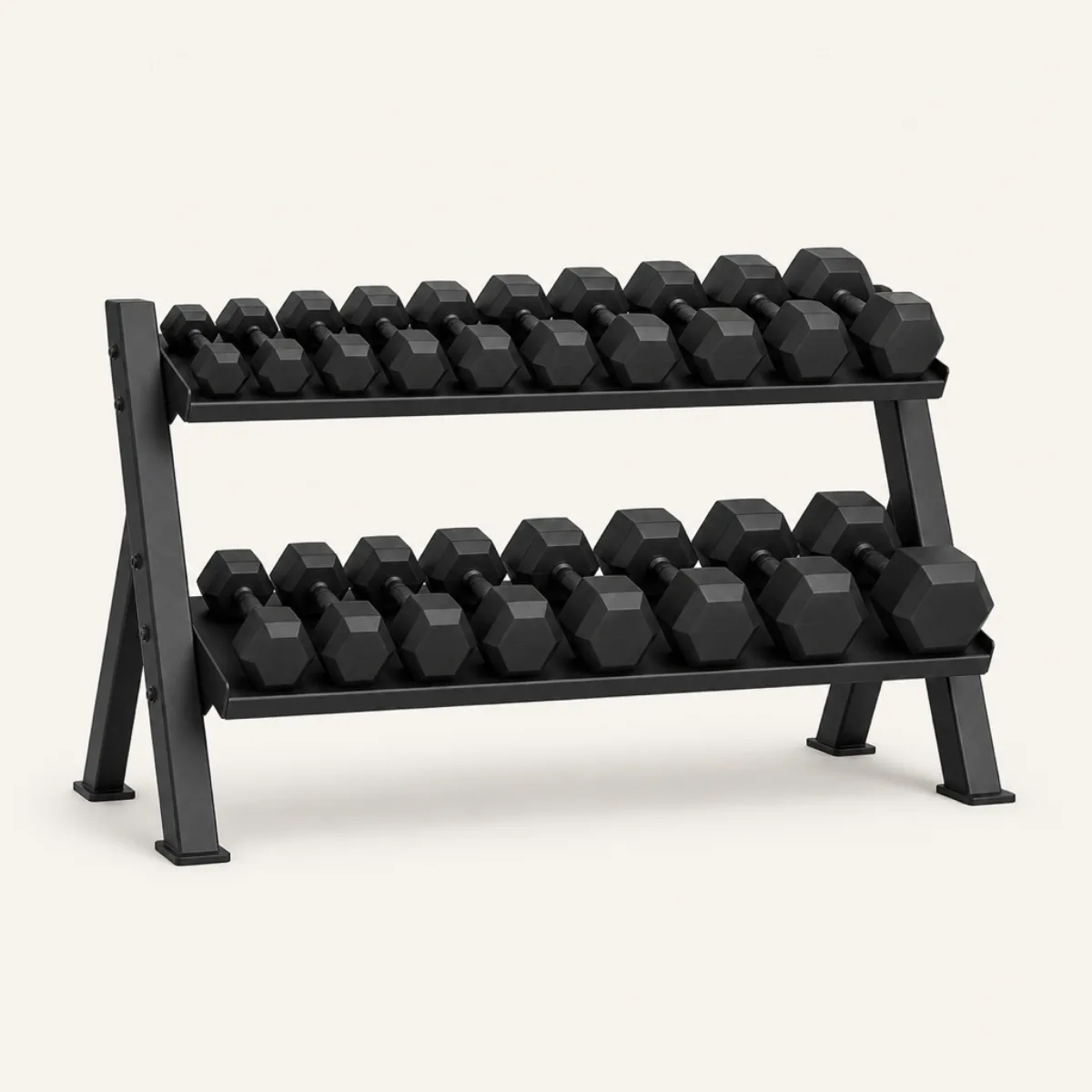
asset:dumbbell-rack
pack-fitness-aluminium · pal-charcoal
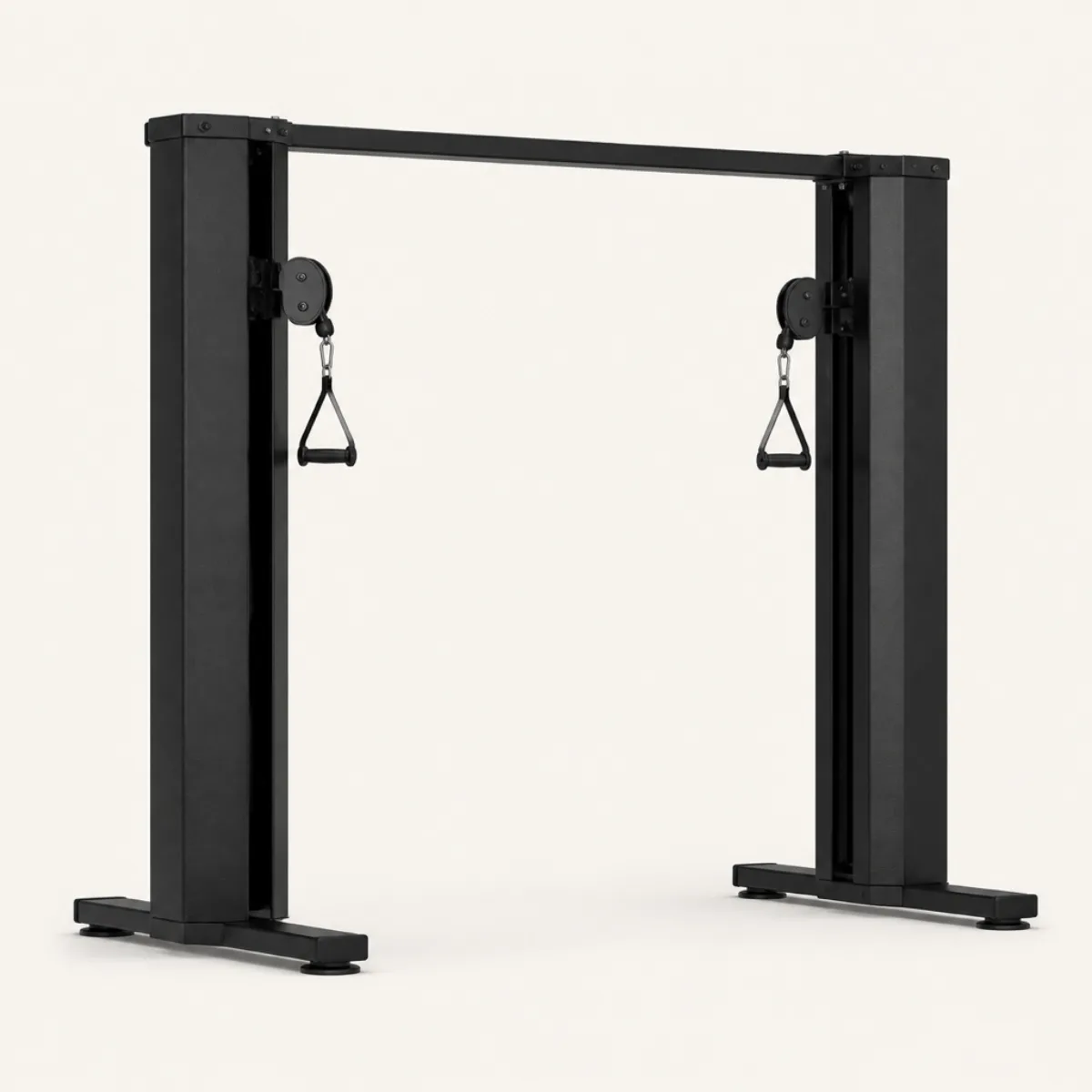
asset:cable-machine
pal-charcoal
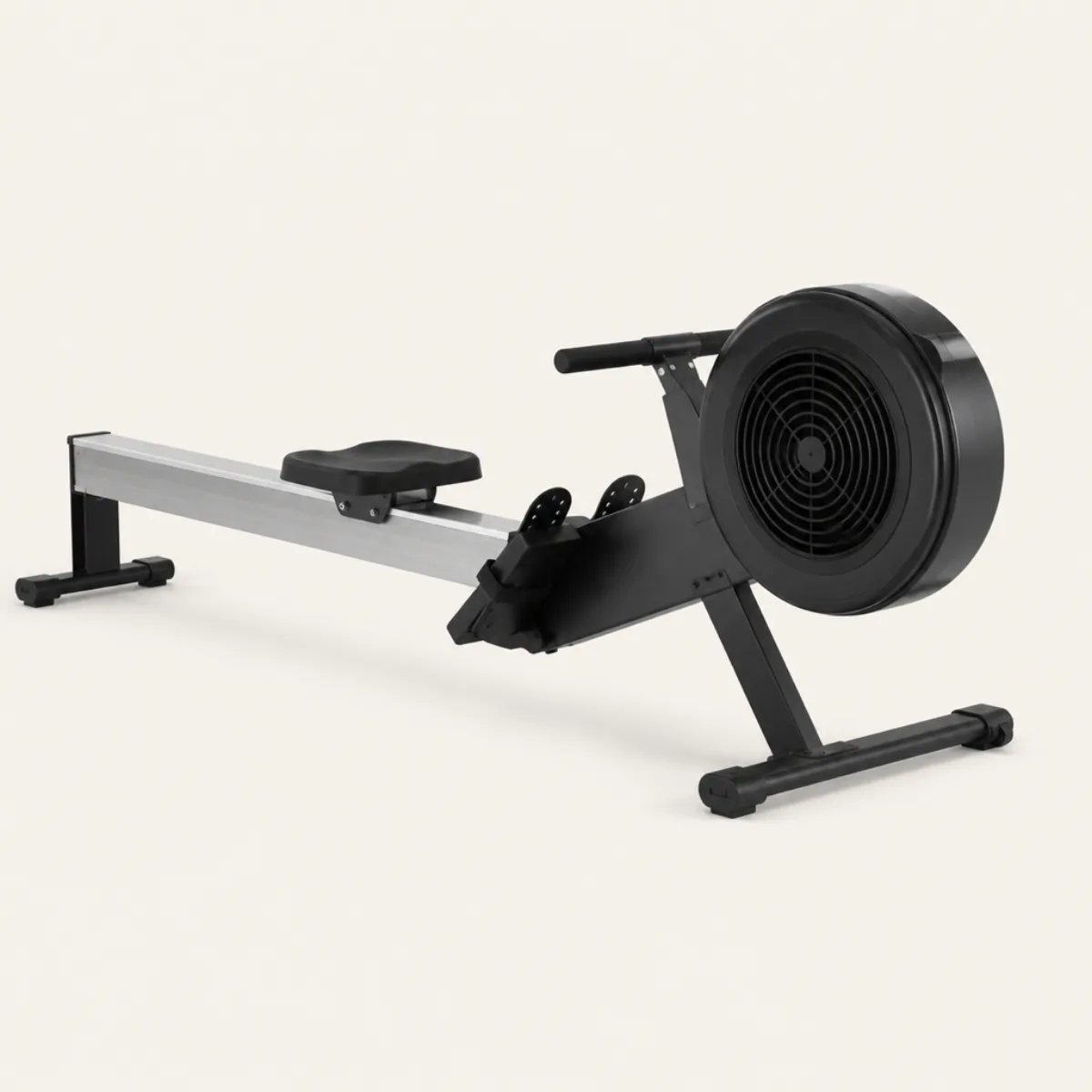
asset:rower
pack-fitness-frame · pal-steel · pal-wool-dark
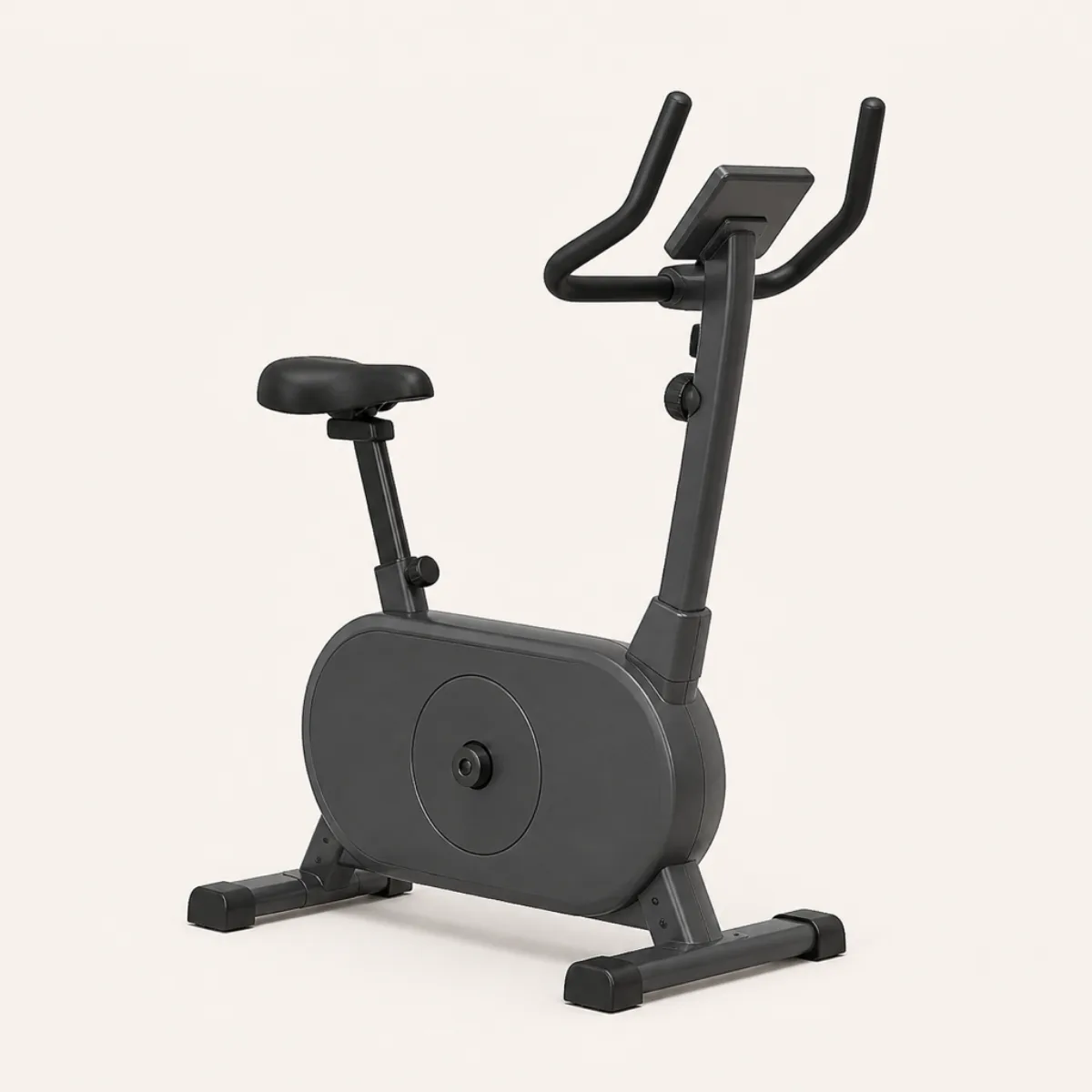
asset:exercise-bike
pack-fitness-screen · pal-charcoal · pal-wool-dark
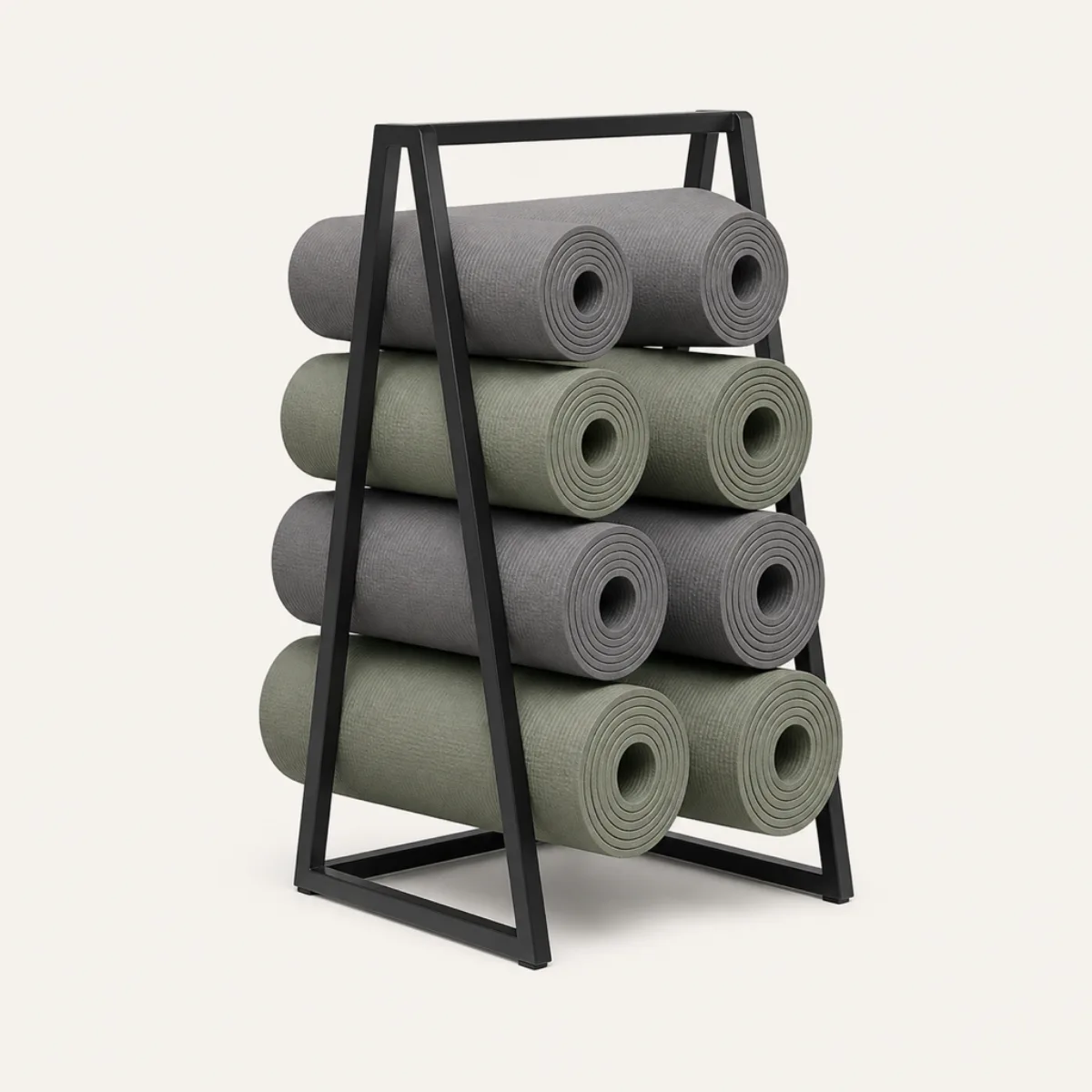
asset:mat-stack
pack-fitness-frame · pack-fitness-sage
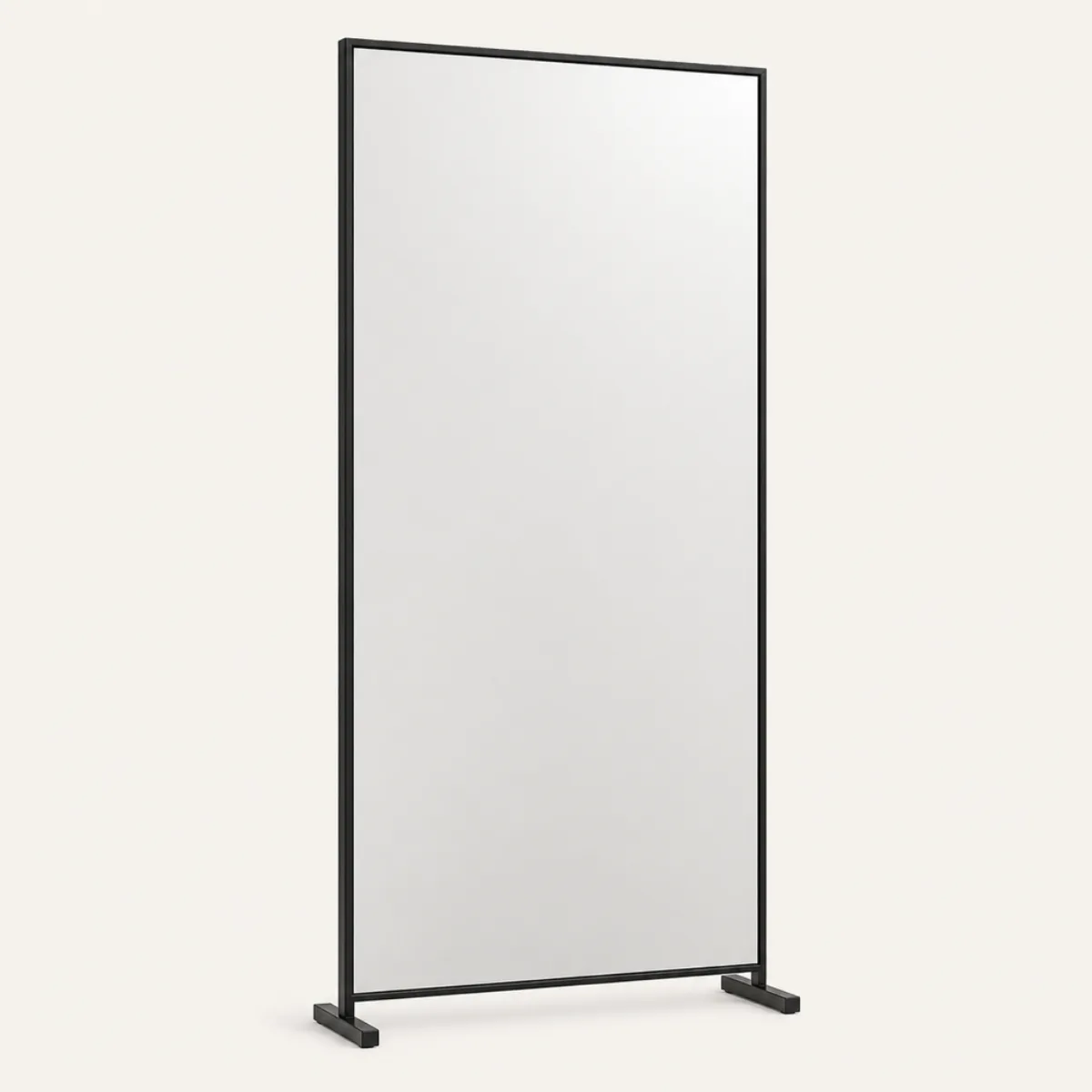
asset:mirror-wall
pack-fitness-mirror · pal-charcoal
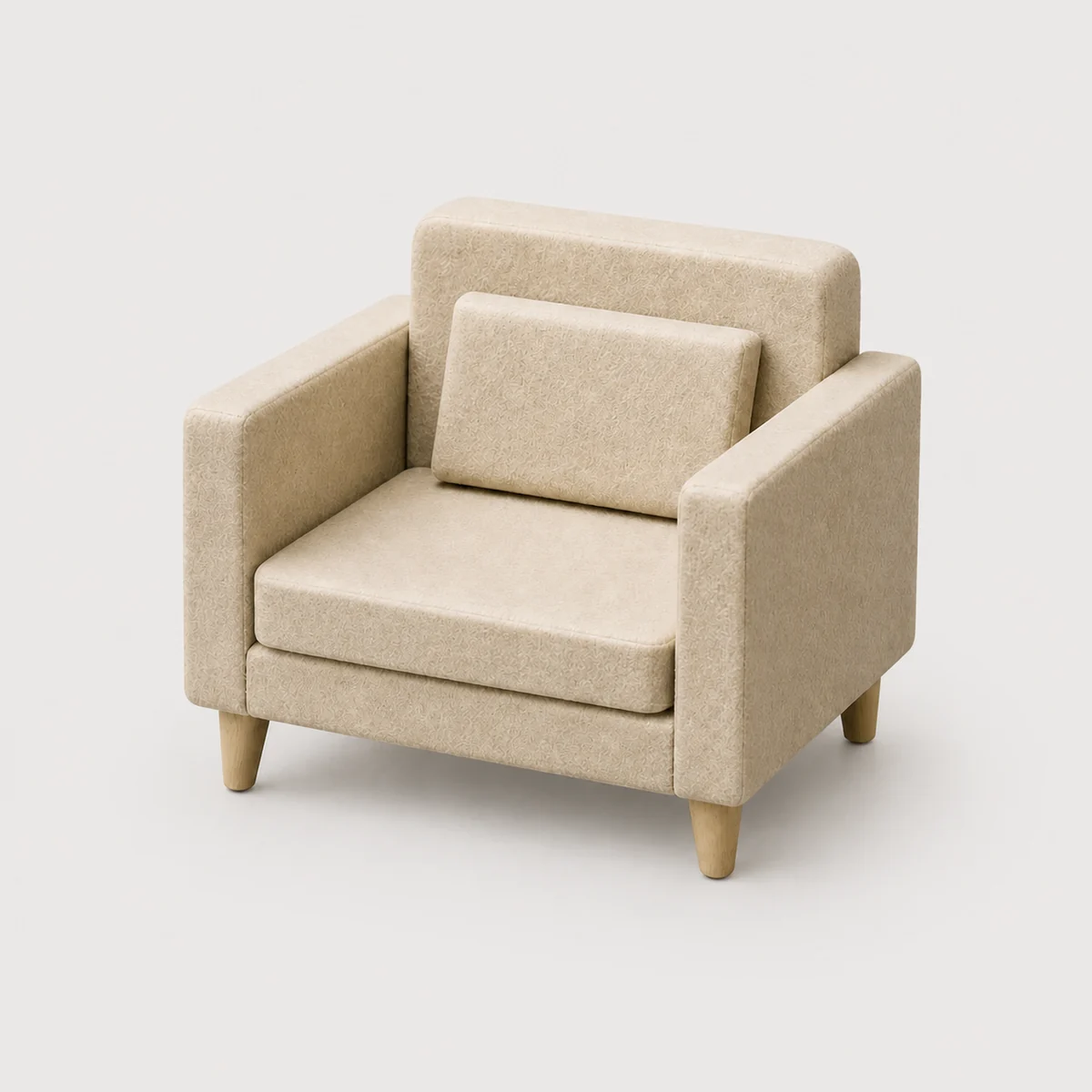
furniture:armchair
4 finishes
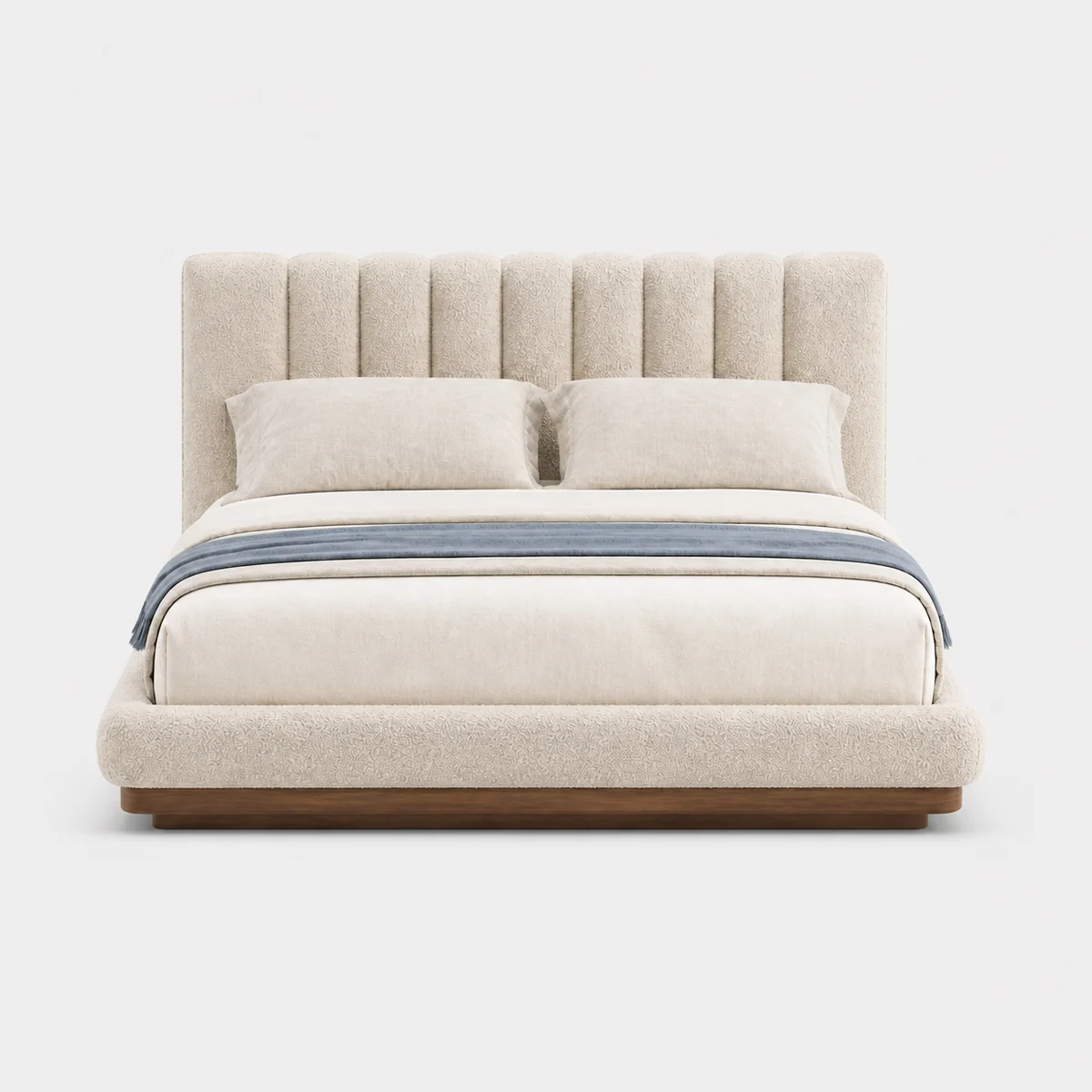
furniture:bed-queen
4 finishes
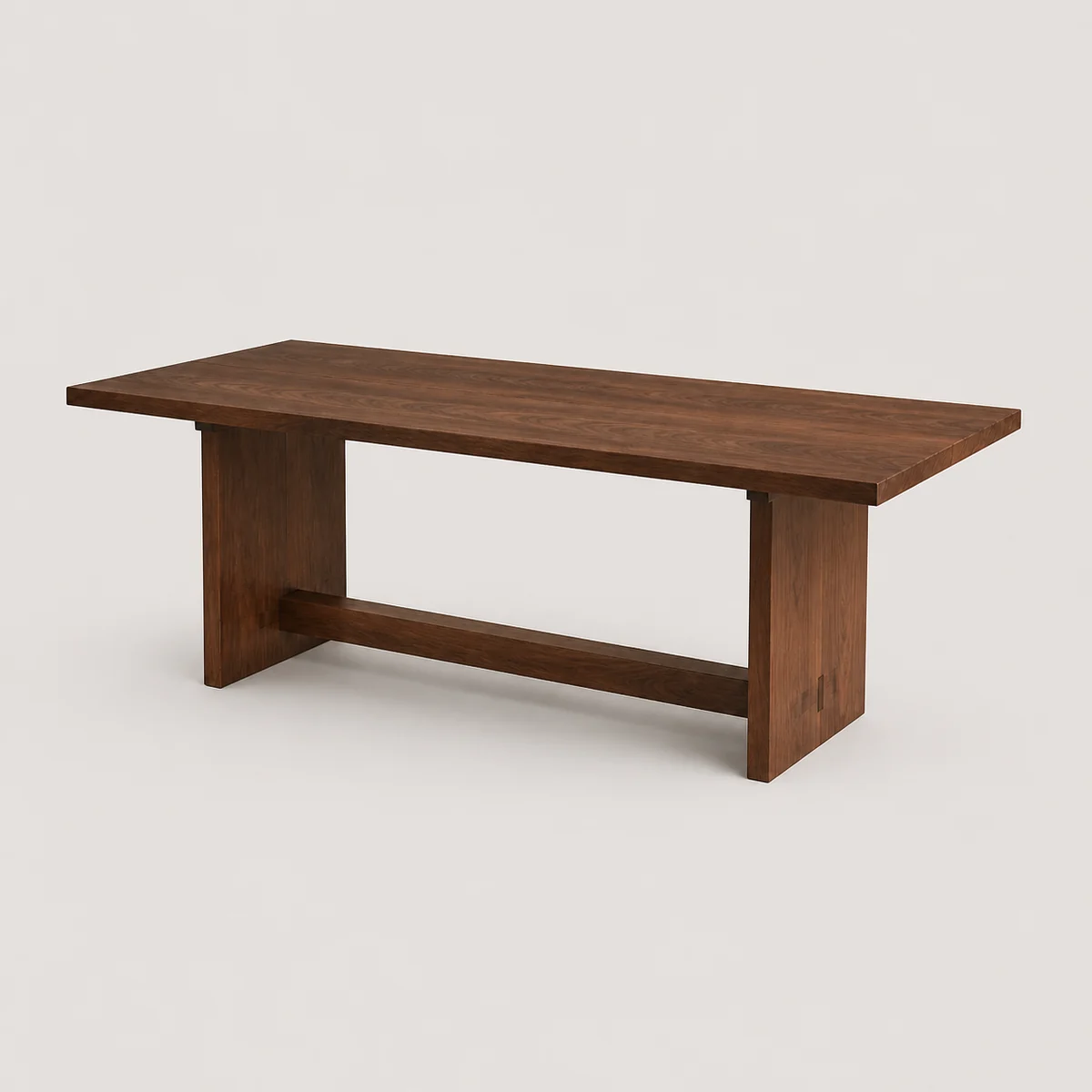
furniture:dining-table
2 finishes
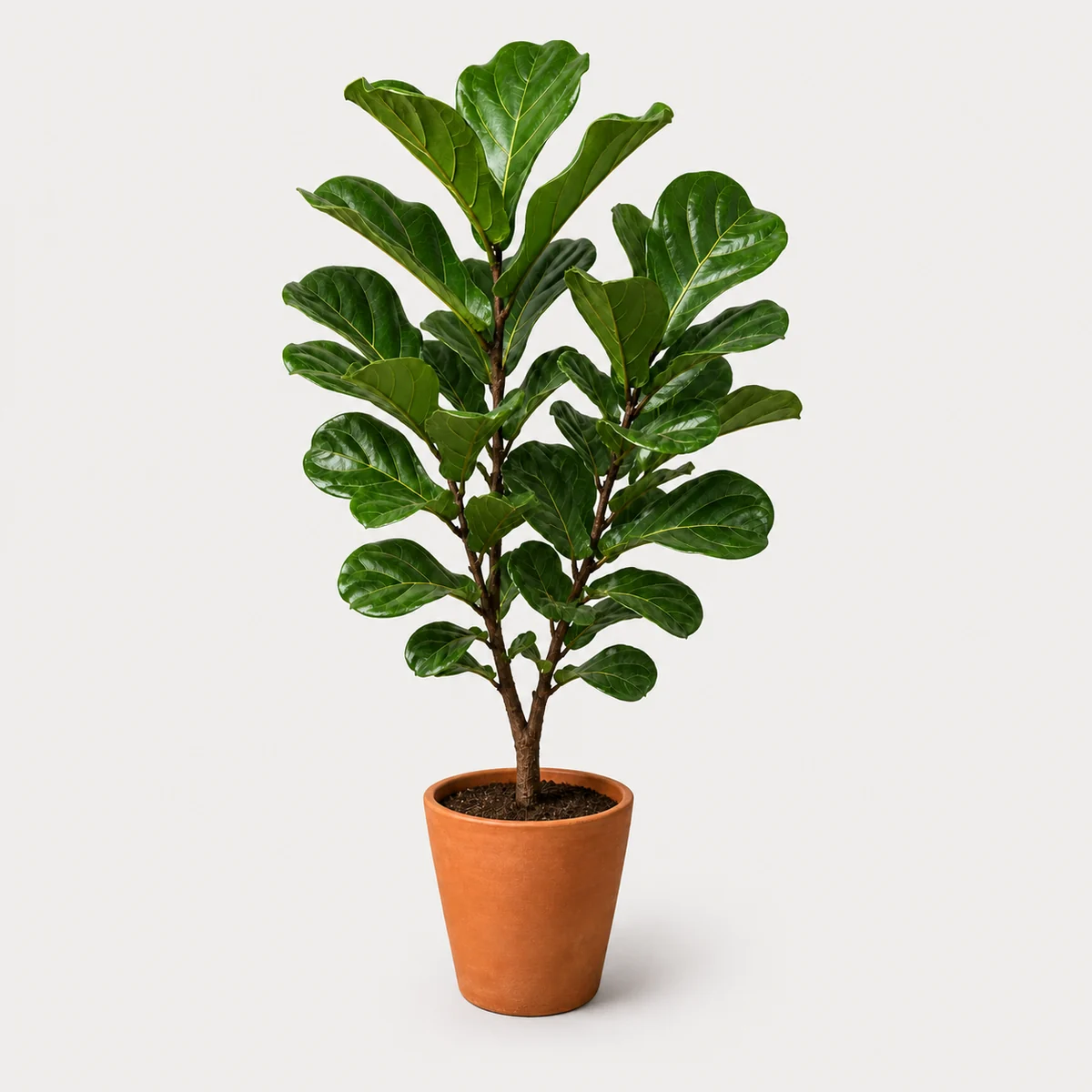
furniture:plant
2 finishes
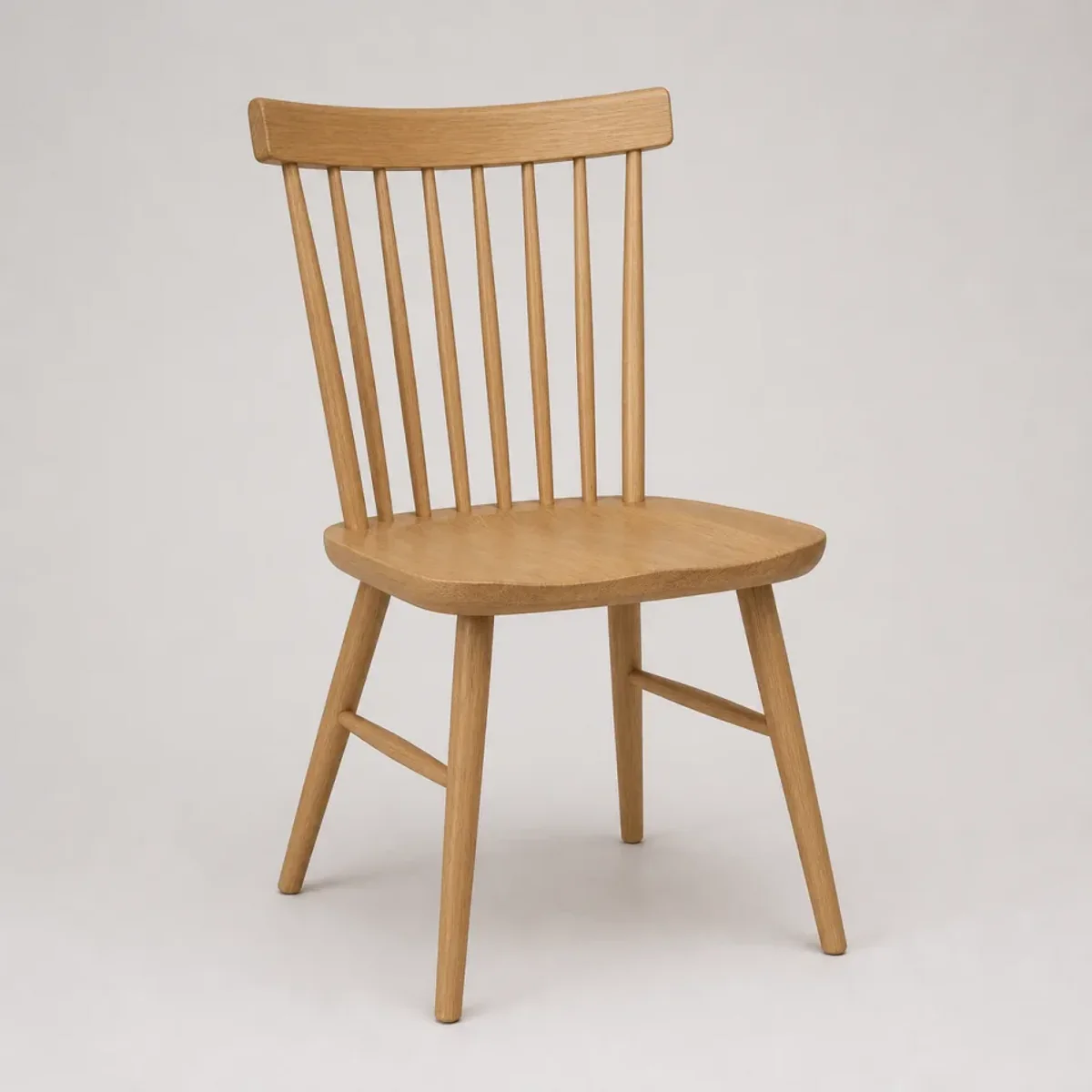
furniture:chair
pack-oak
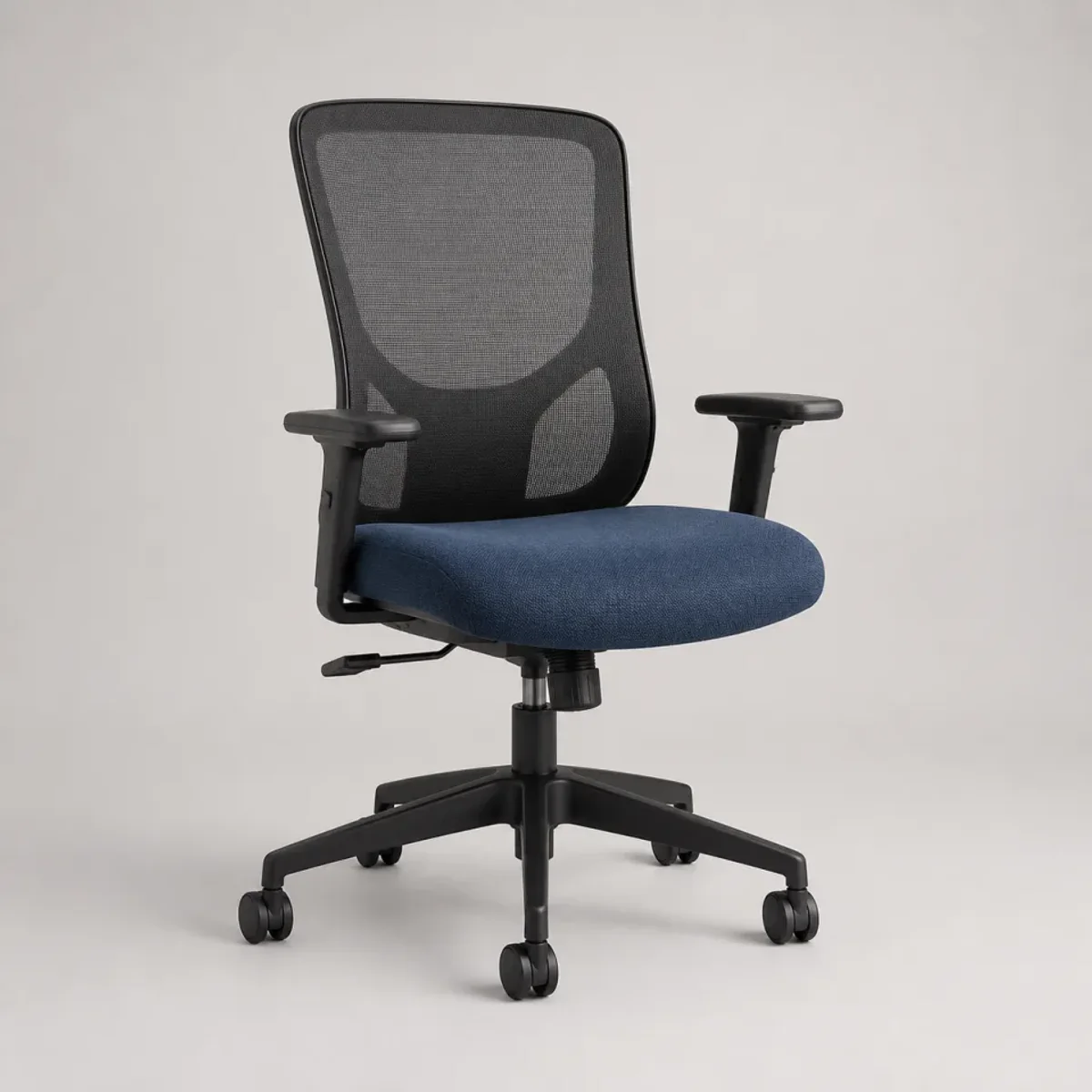
furniture:chair
pack-mesh · pack-wool · pal-charcoal · pal-steel-dark
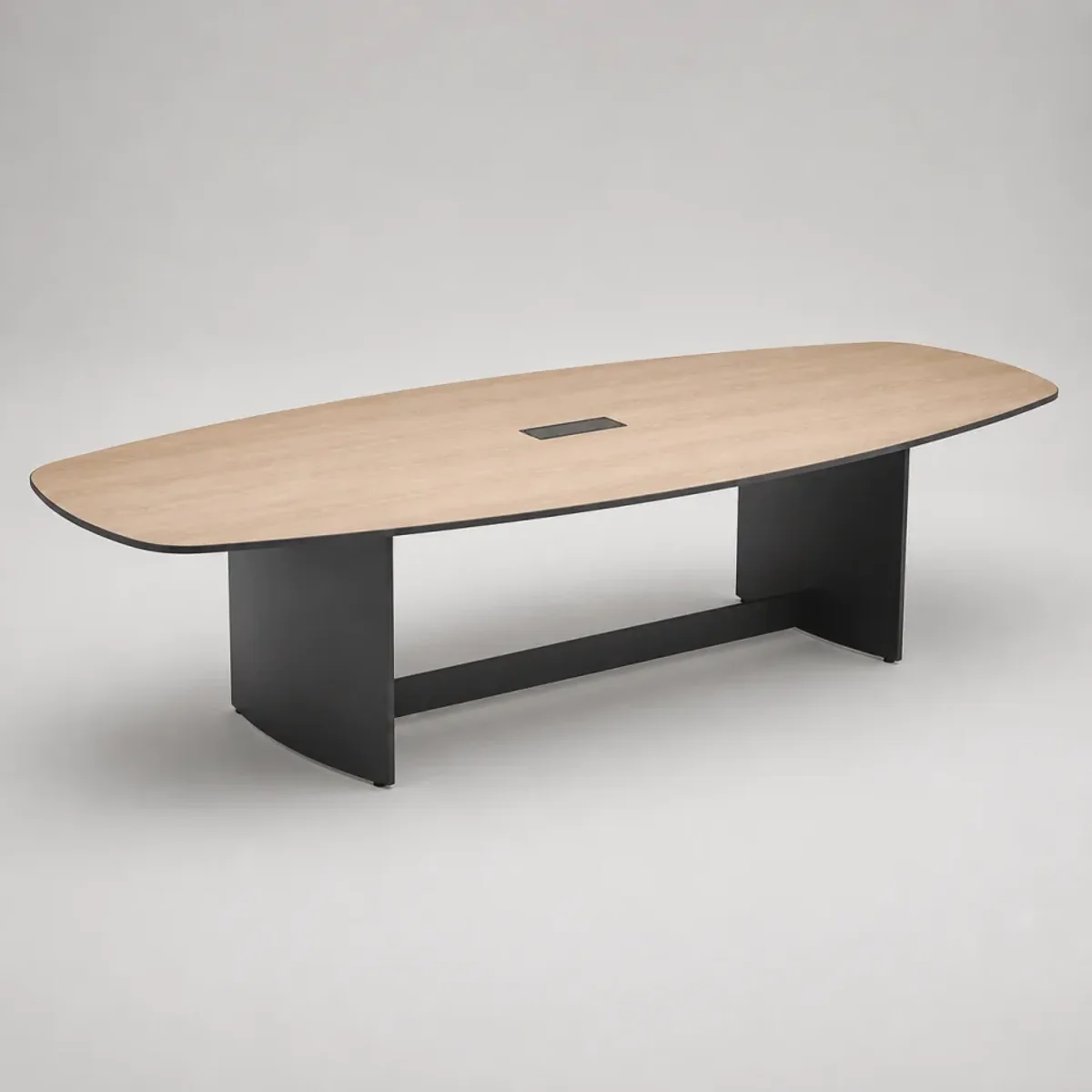
furniture:conference-table
pack-ash · pal-charcoal
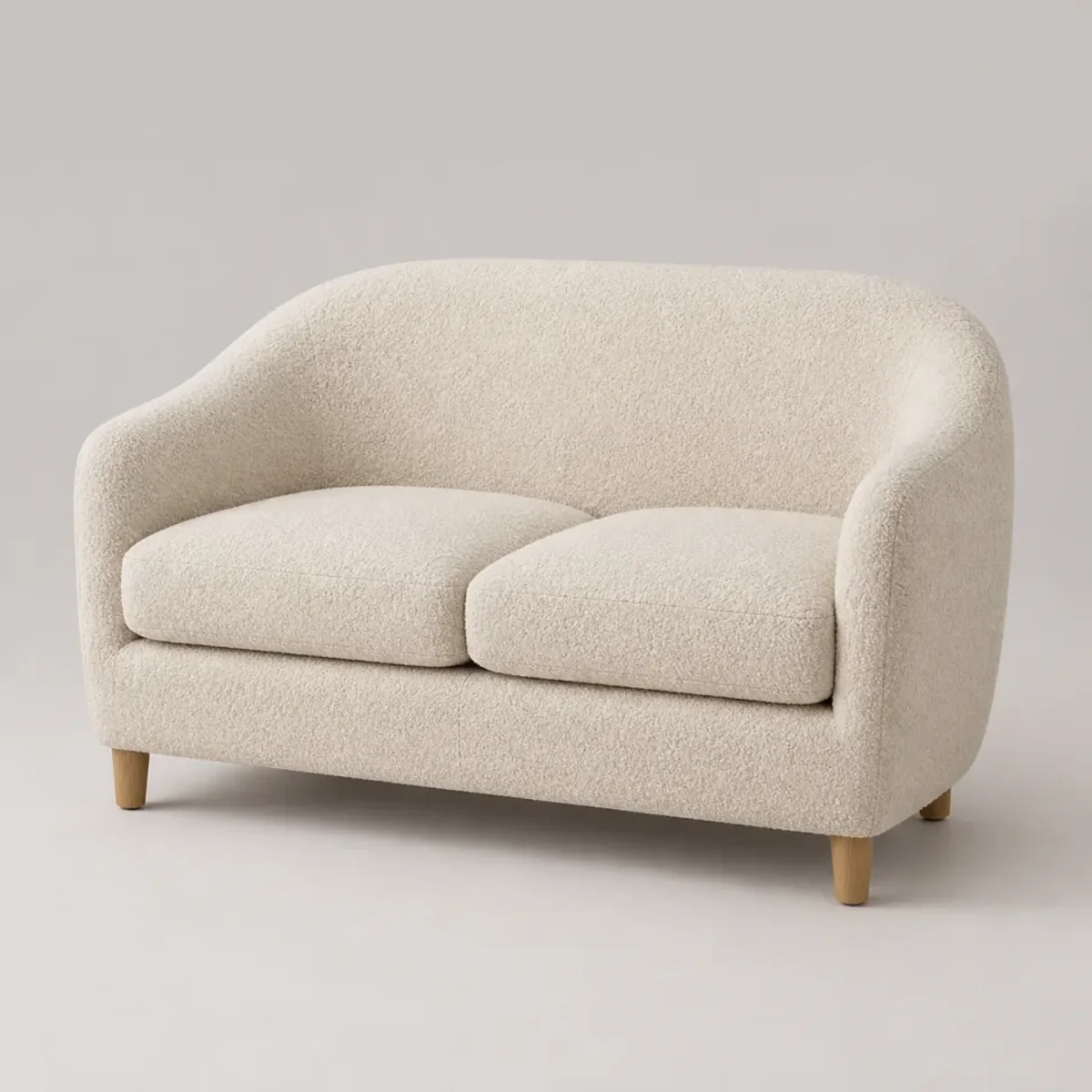
furniture:loveseat
pack-ash · pack-oatmeal
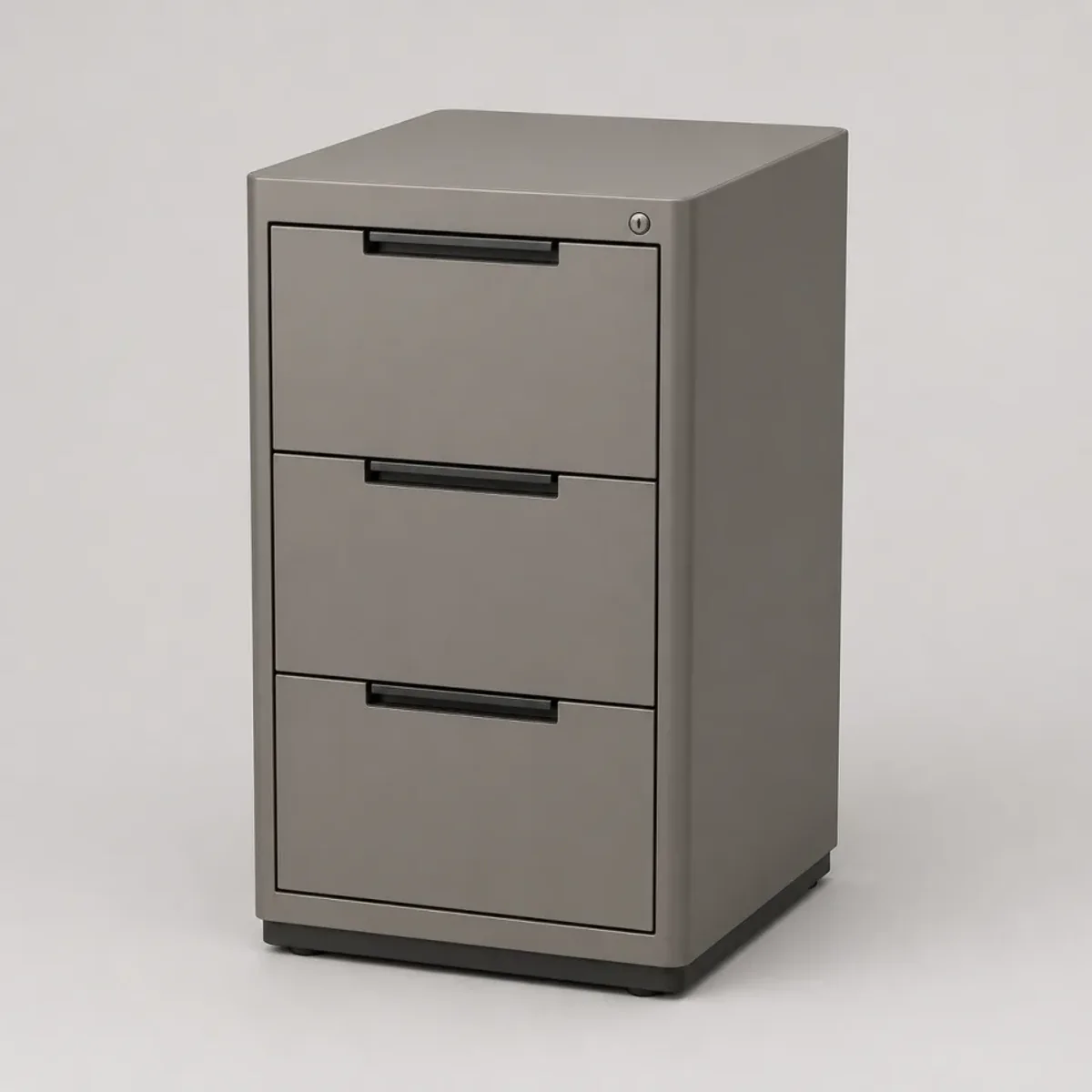
furniture:filing-cabinet
pack-warm-grey · pal-charcoal · pal-steel-dark
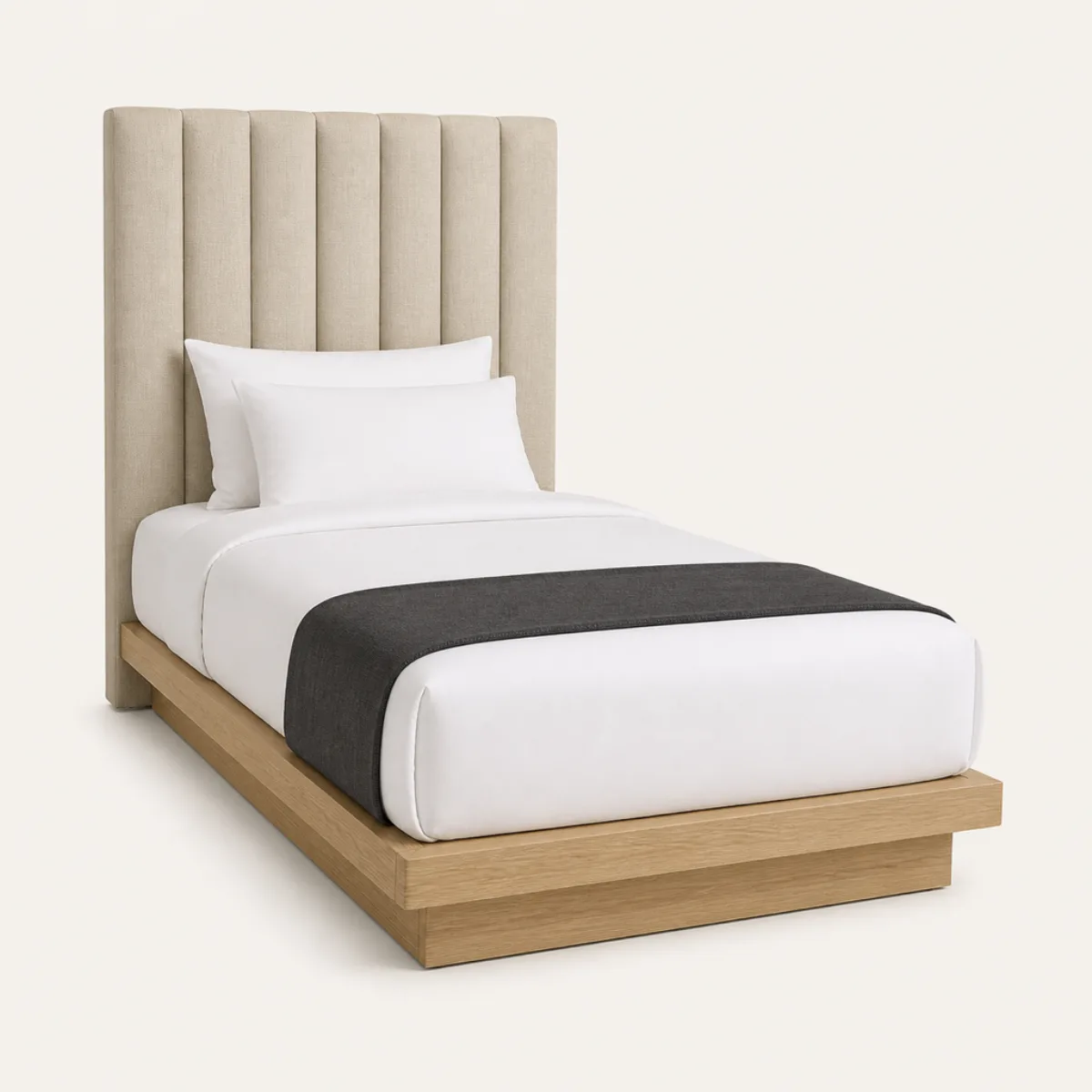
furniture:bed-single
pack-hotel-oatmeal · pack-hotel-runner · pack-hotel-white · pal-oak
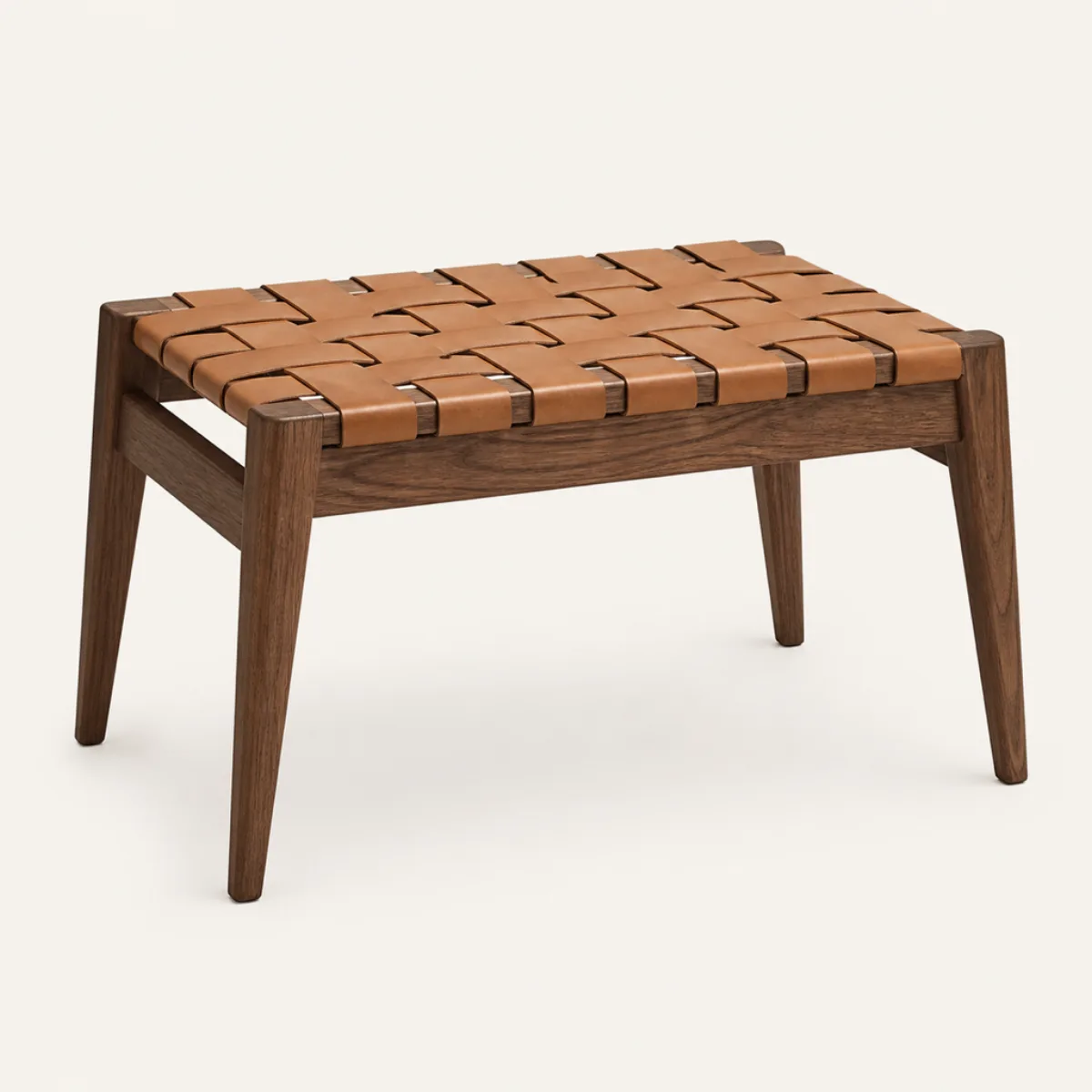
asset:luggage-bench
pack-hotel-leather · pack-hotel-walnut
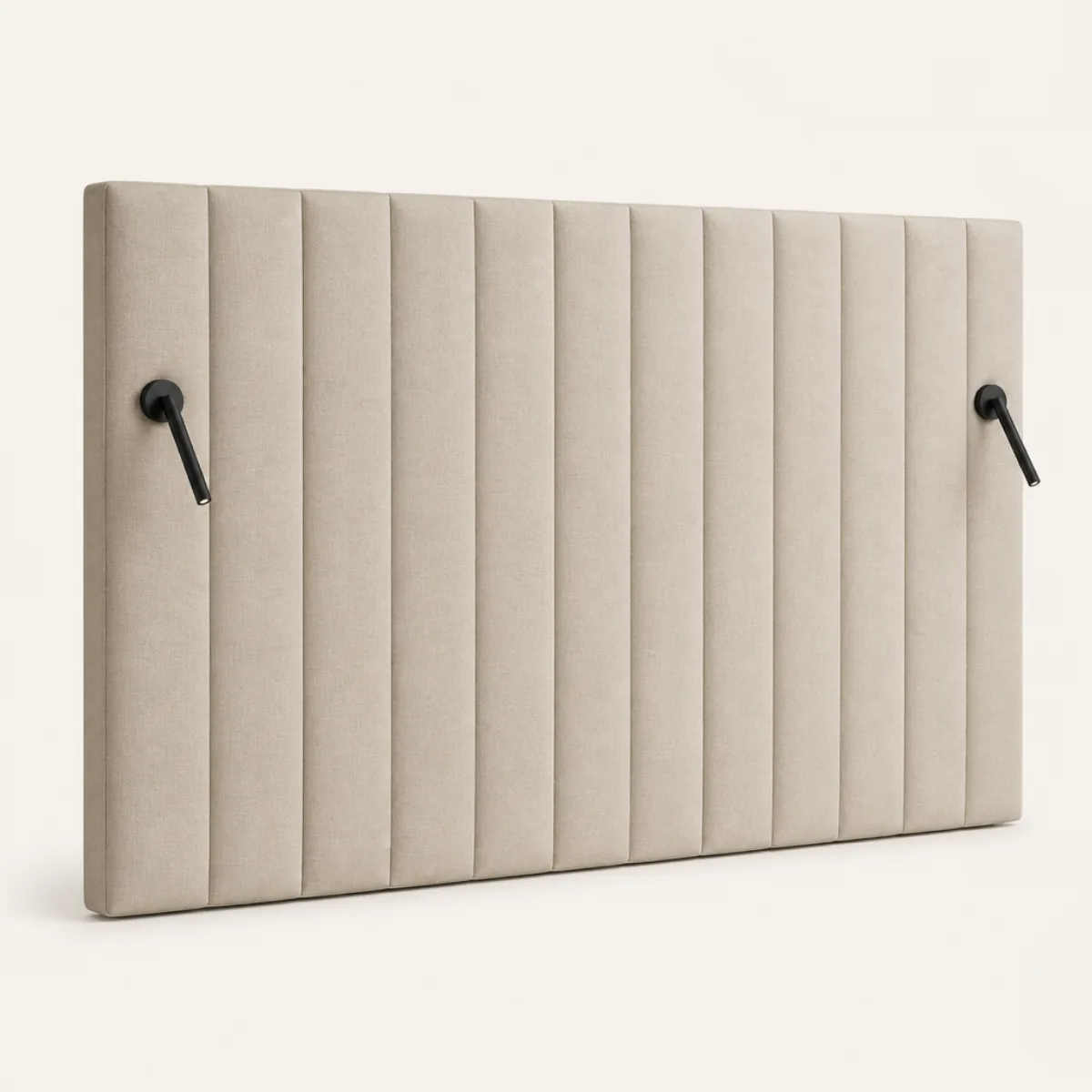
asset:headboard-panel
pack-hotel-oatmeal · pal-charcoal
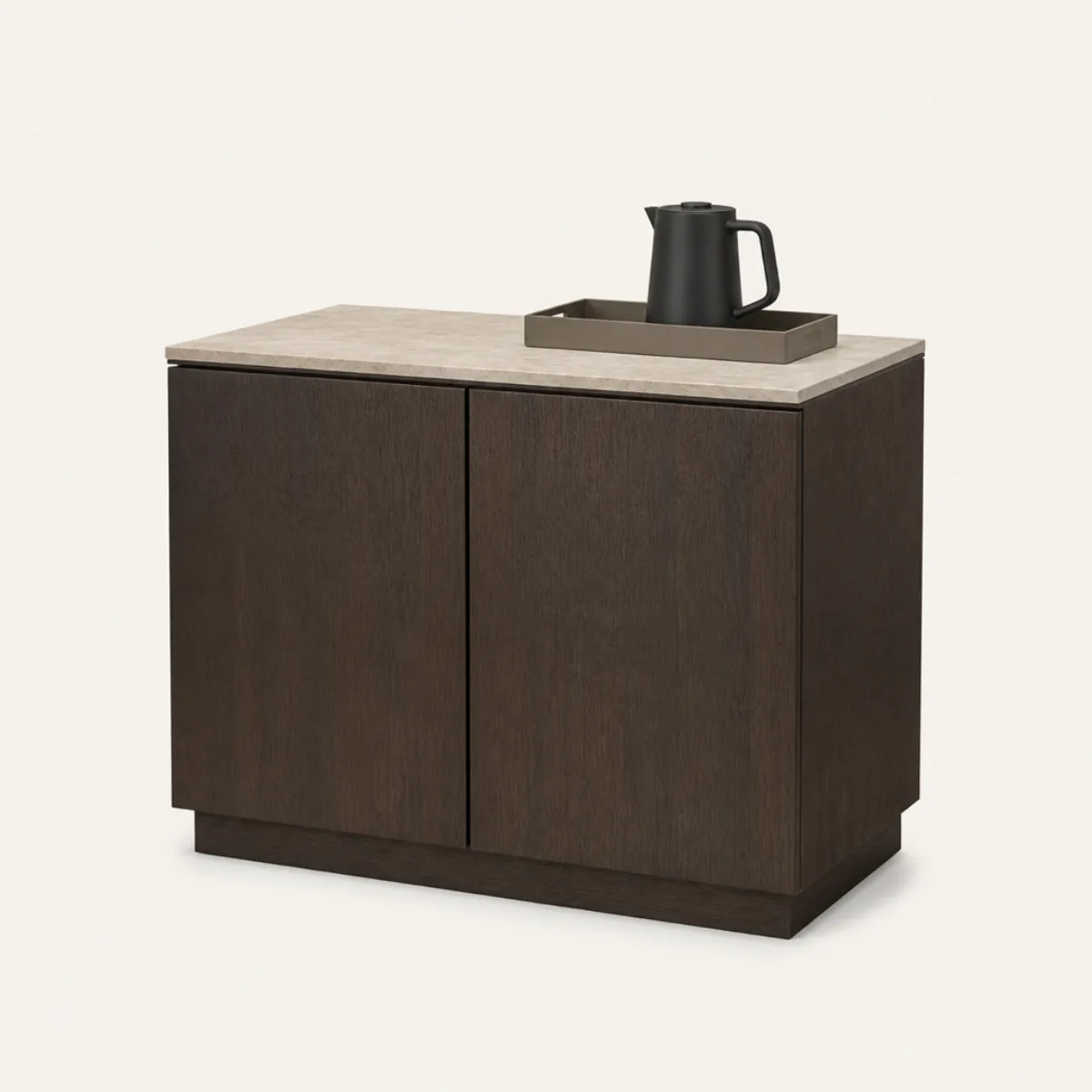
asset:minibar
pack-hotel-black · pack-hotel-walnut · pal-stone
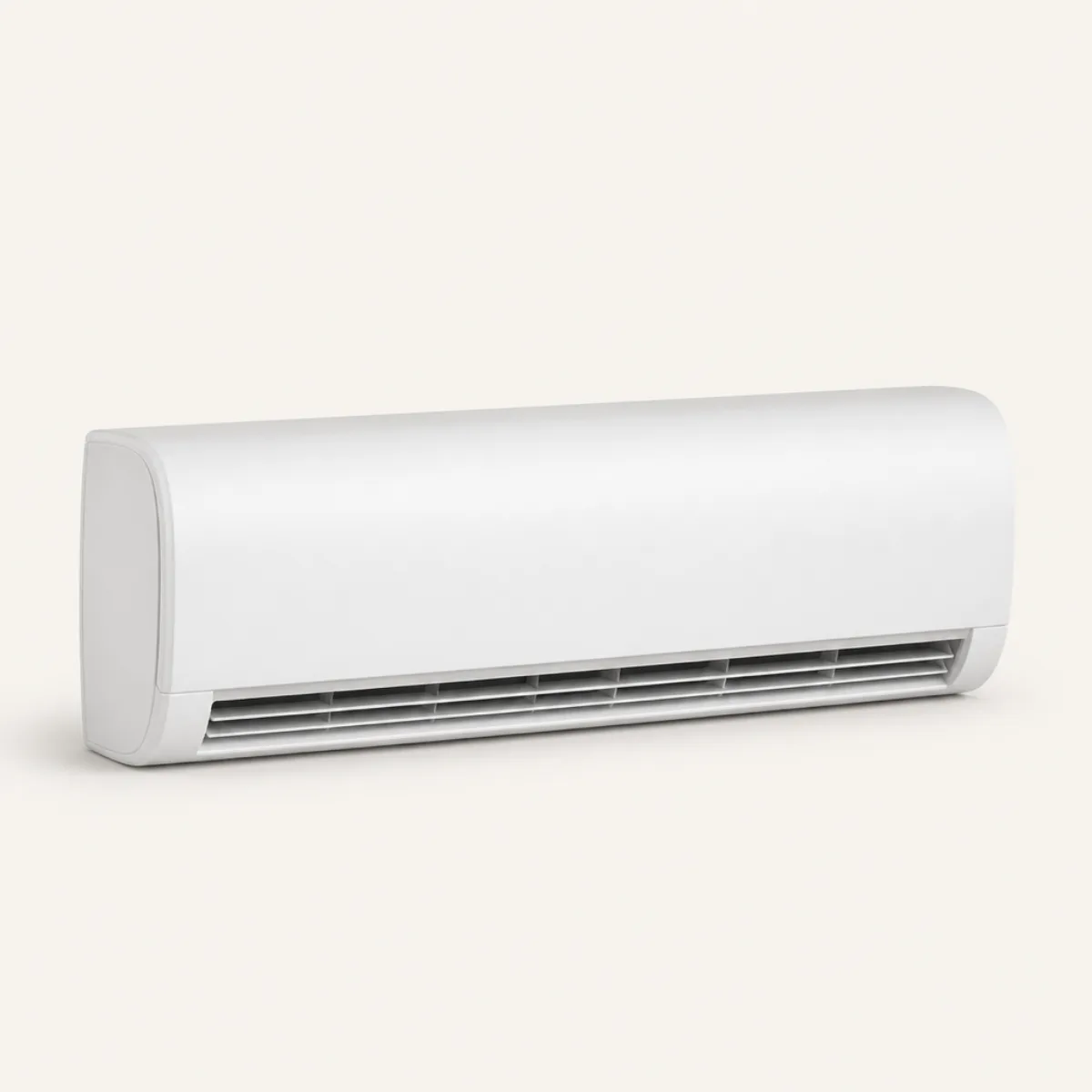
asset:fan-coil
pal-steel · pal-white
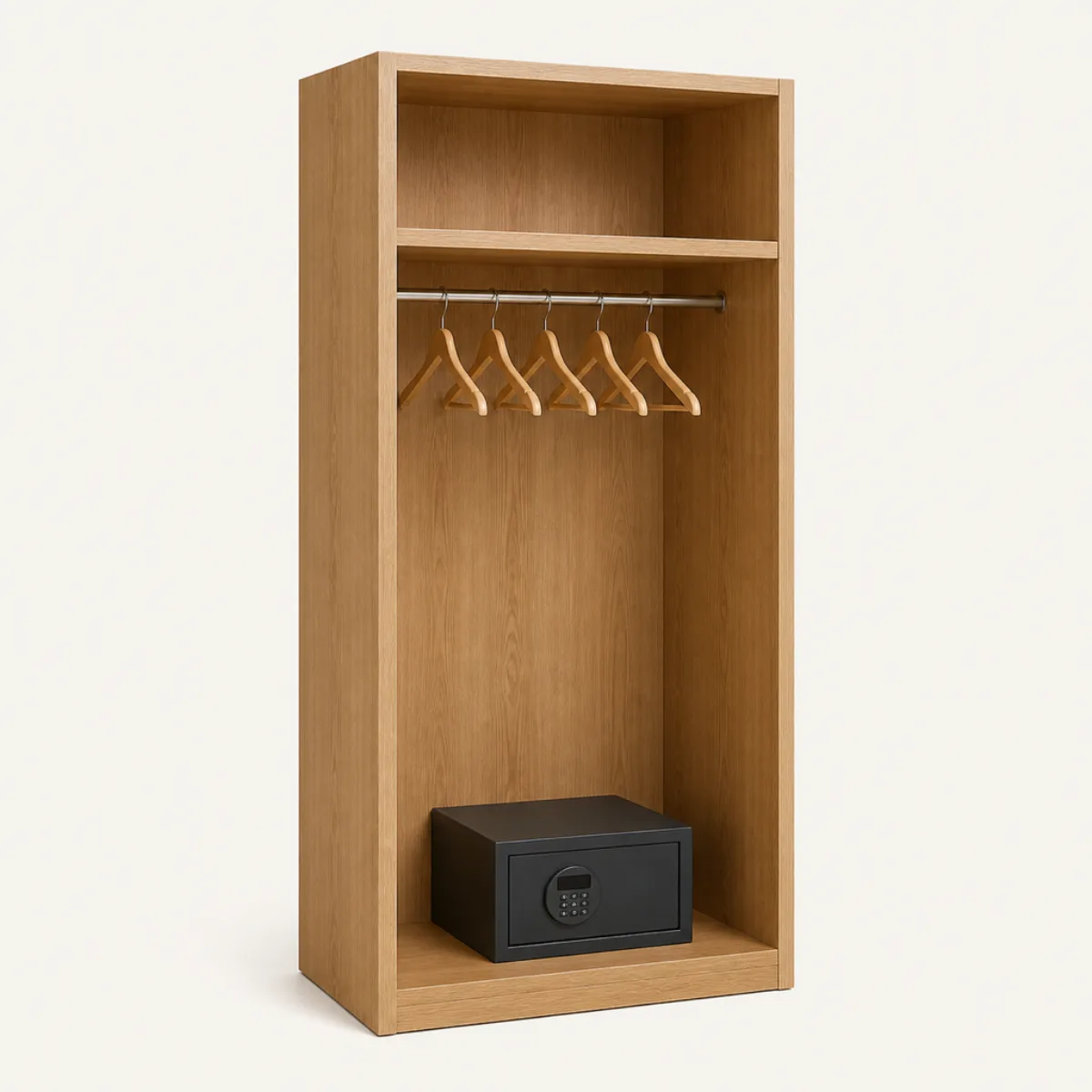
asset:wardrobe-niche
pack-hotel-black · pal-oak · pal-steel
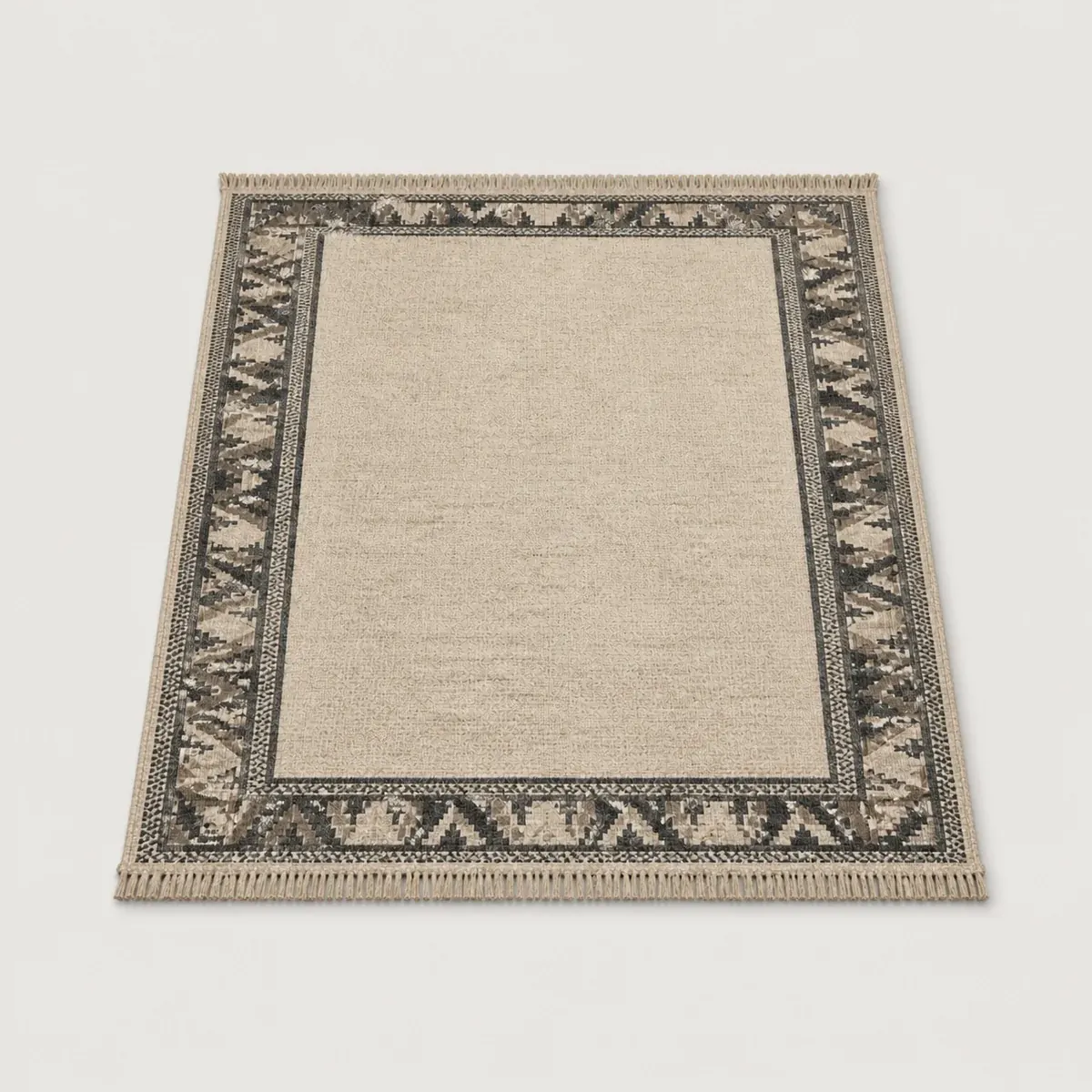
furniture:rug
2 finishes
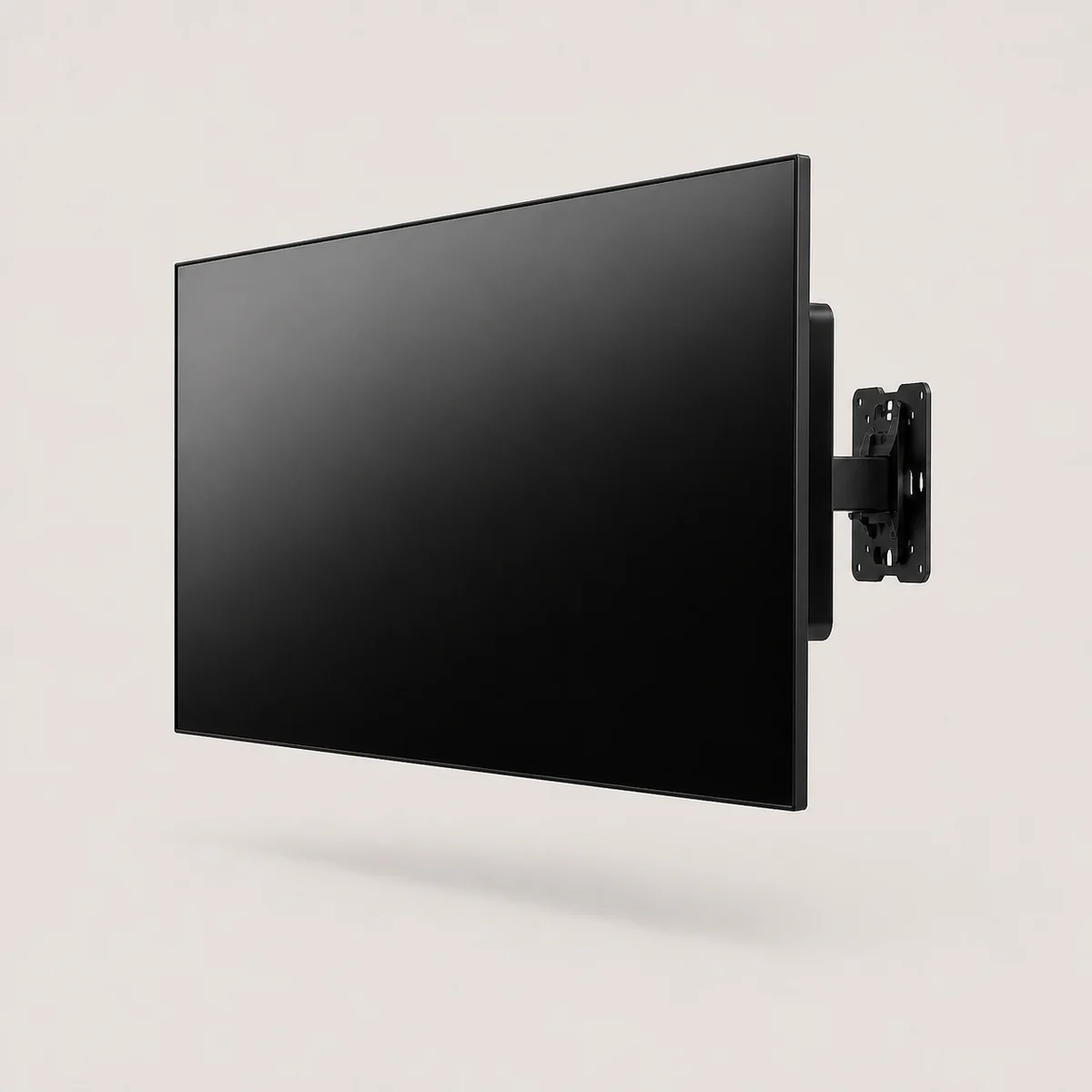
furniture:tv
pal-charcoal
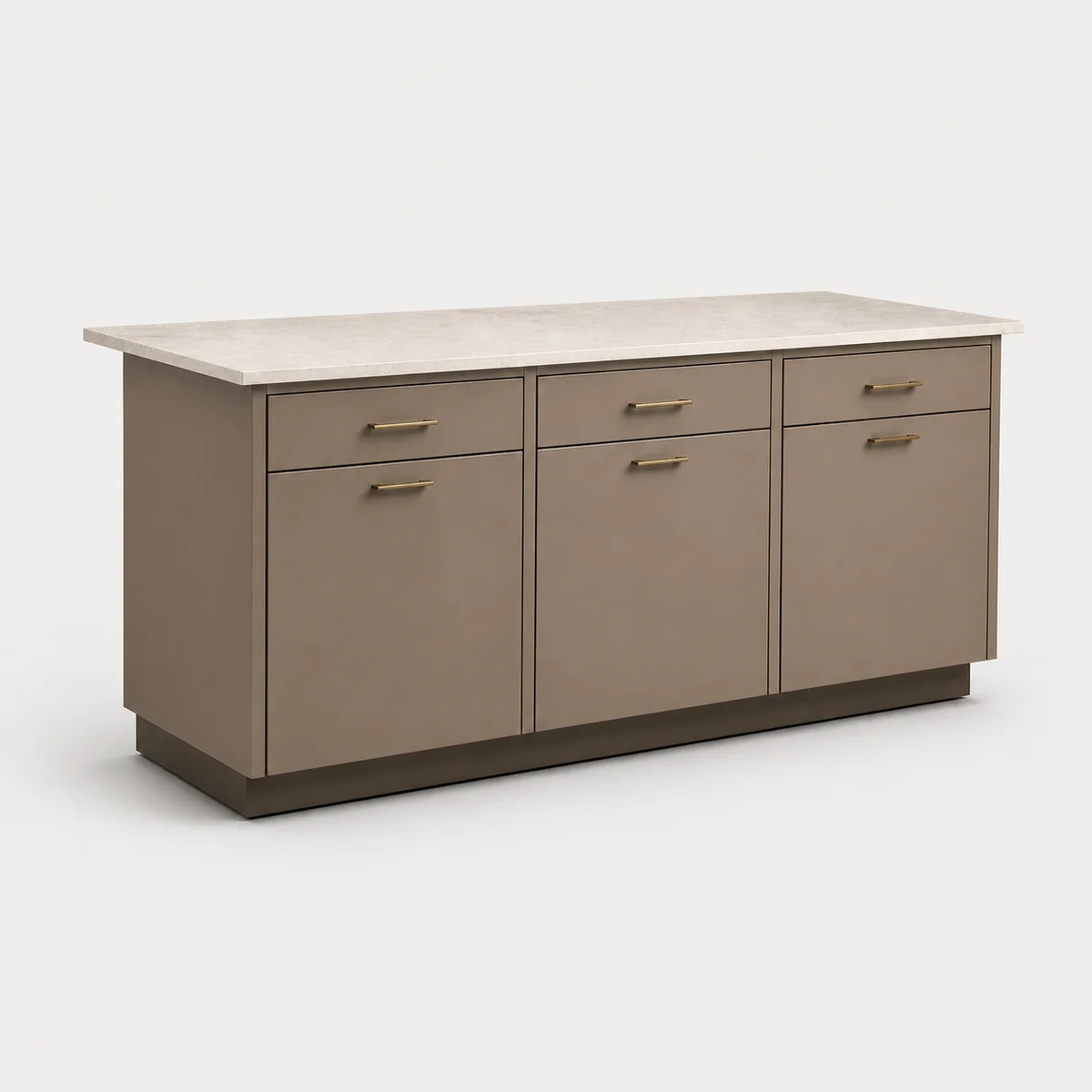
furniture:island
2 finishes
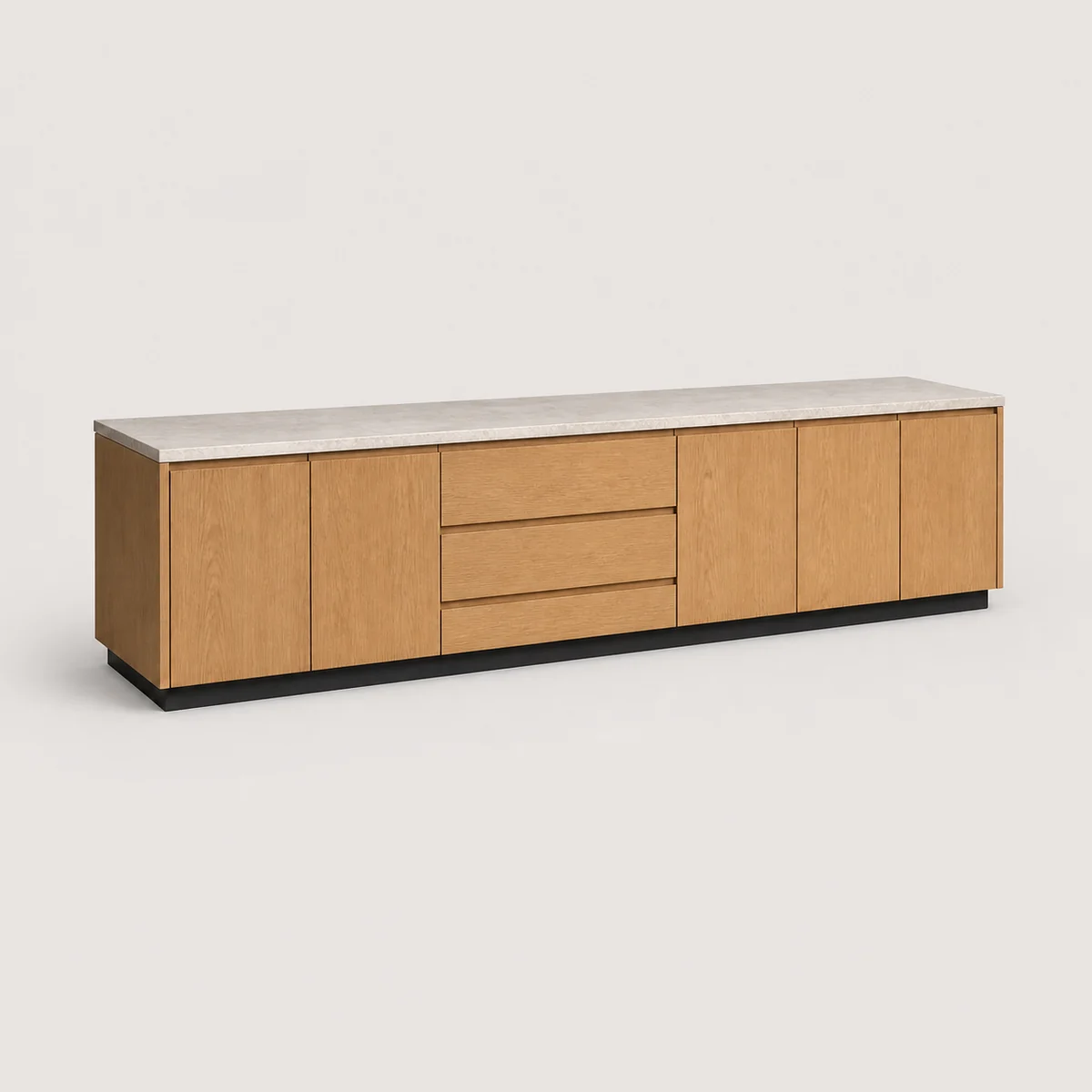
furniture:counter
pack-int-brass · pack-int-oak · pal-charcoal · pal-stone
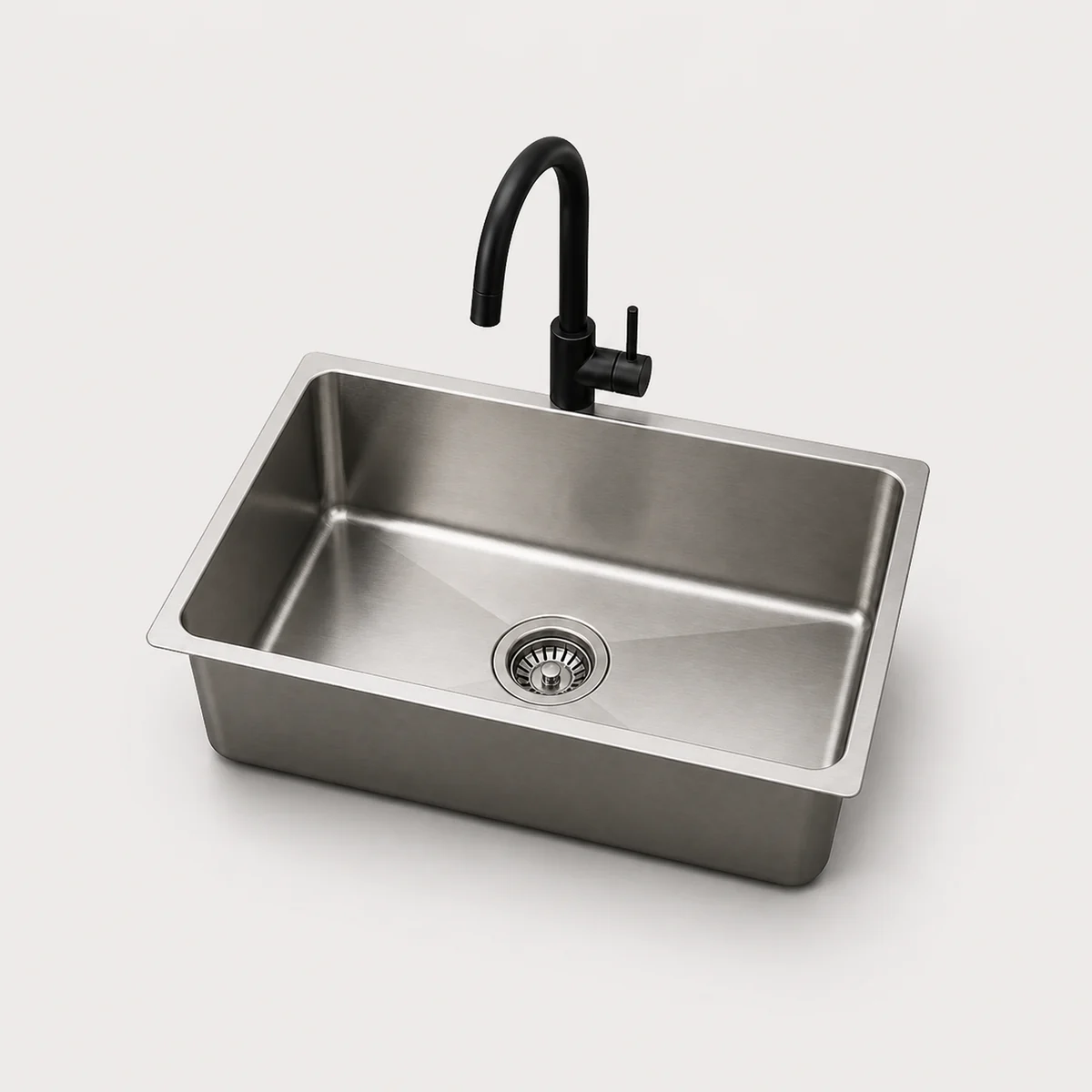
furniture:kitchen-sink
pal-charcoal · pal-steel · pal-steel-dark
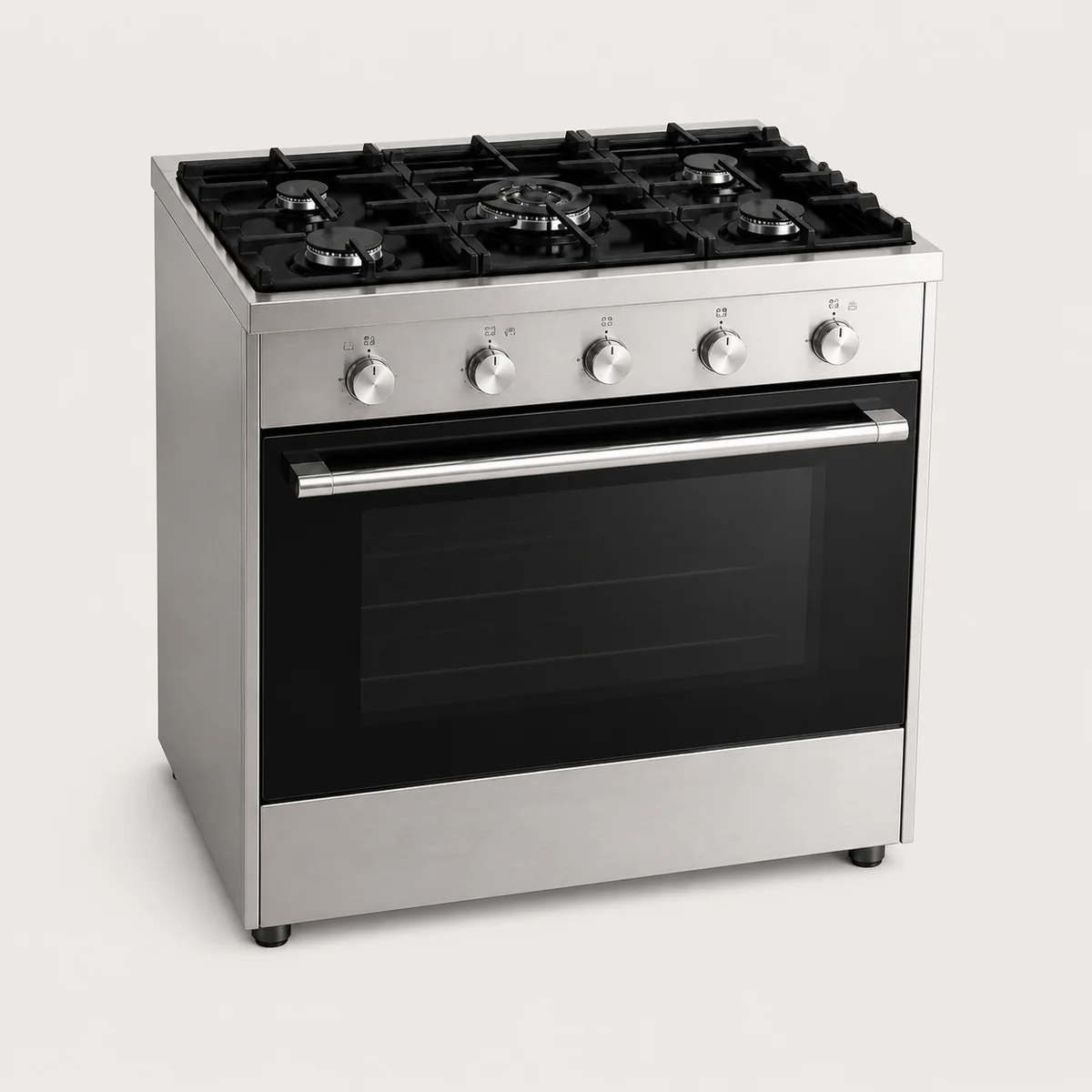
furniture:stove
pack-int-brass · pal-charcoal · pal-steel
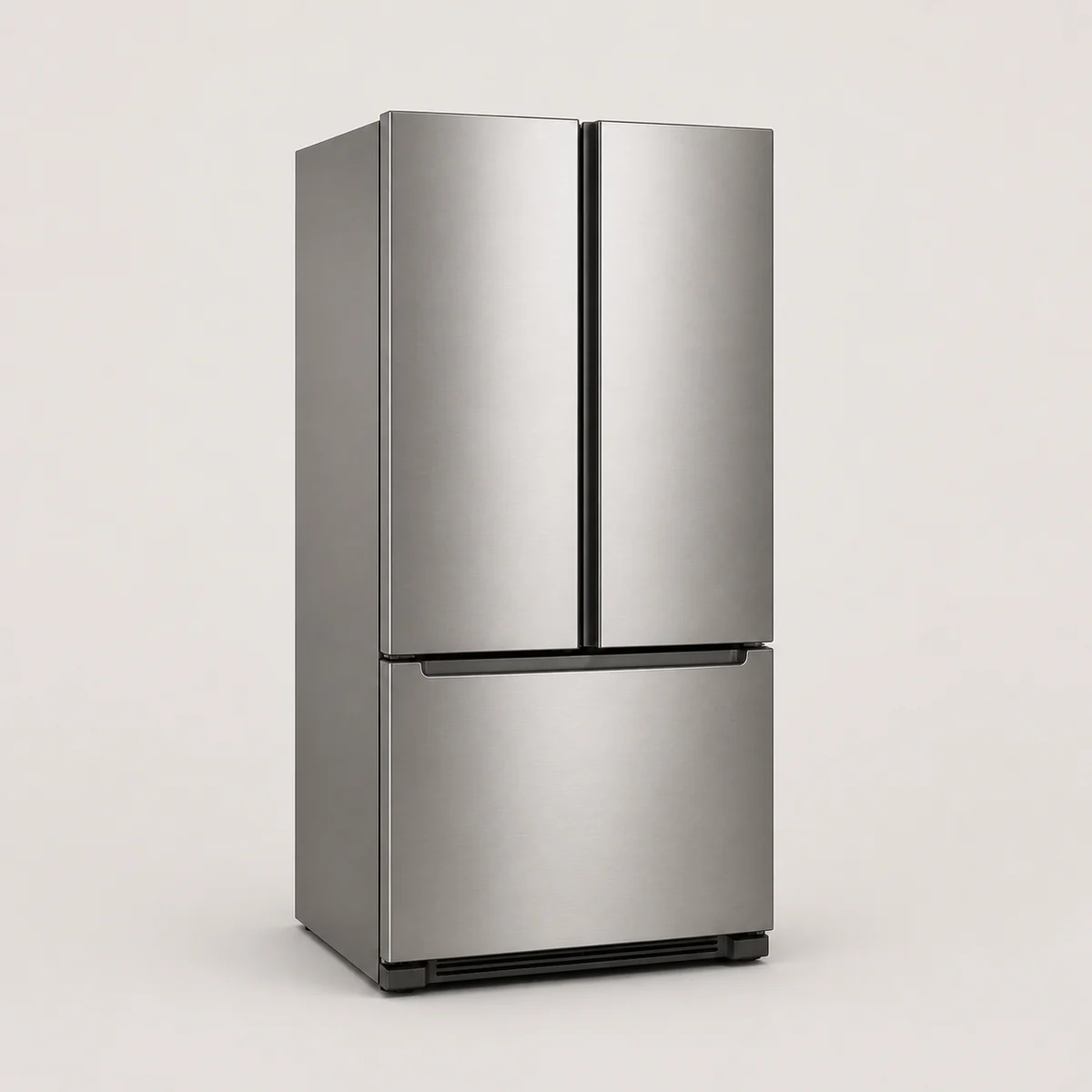
furniture:fridge
pack-int-brass · pal-charcoal · pal-steel
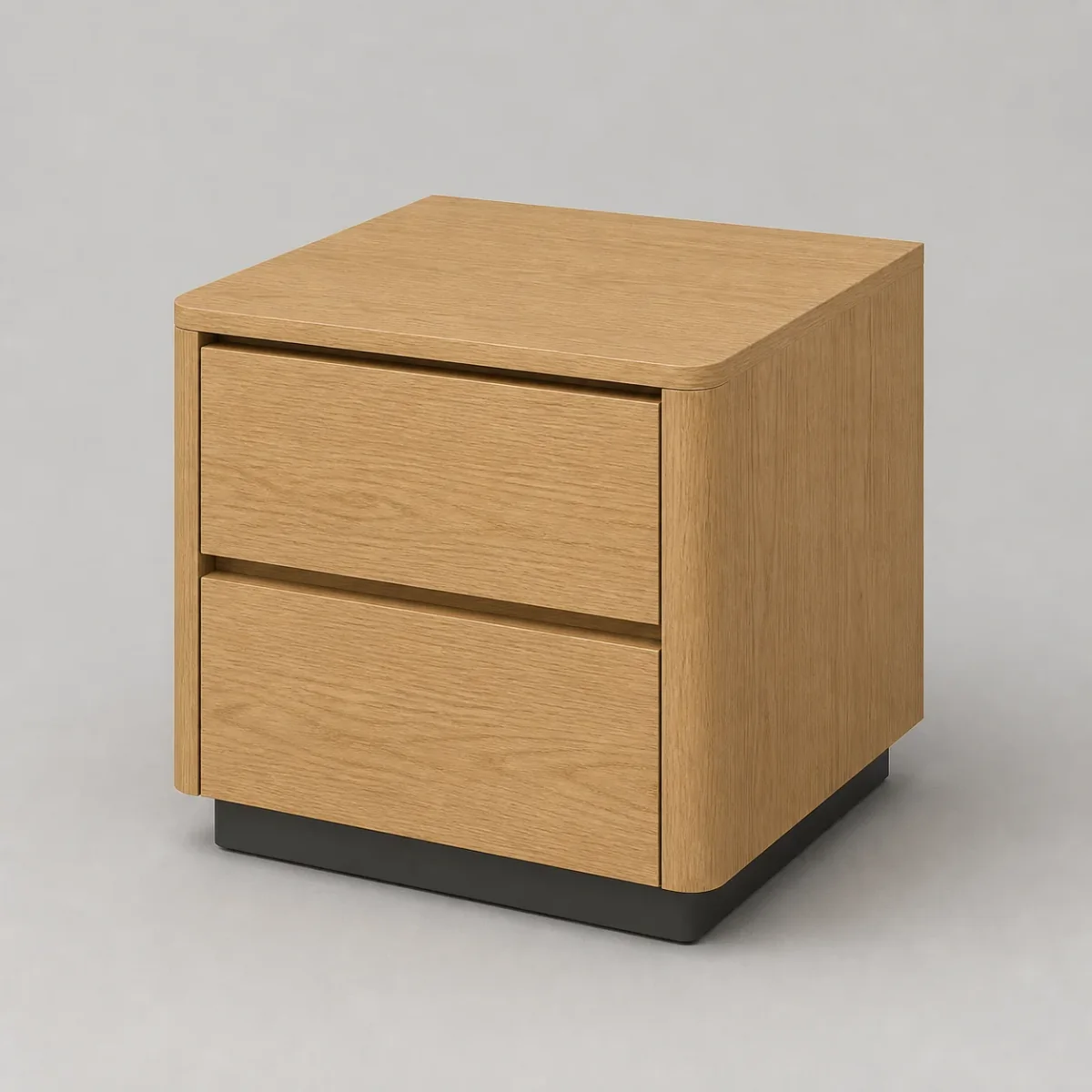
furniture:nightstand
pack-int-black · pack-int-oak
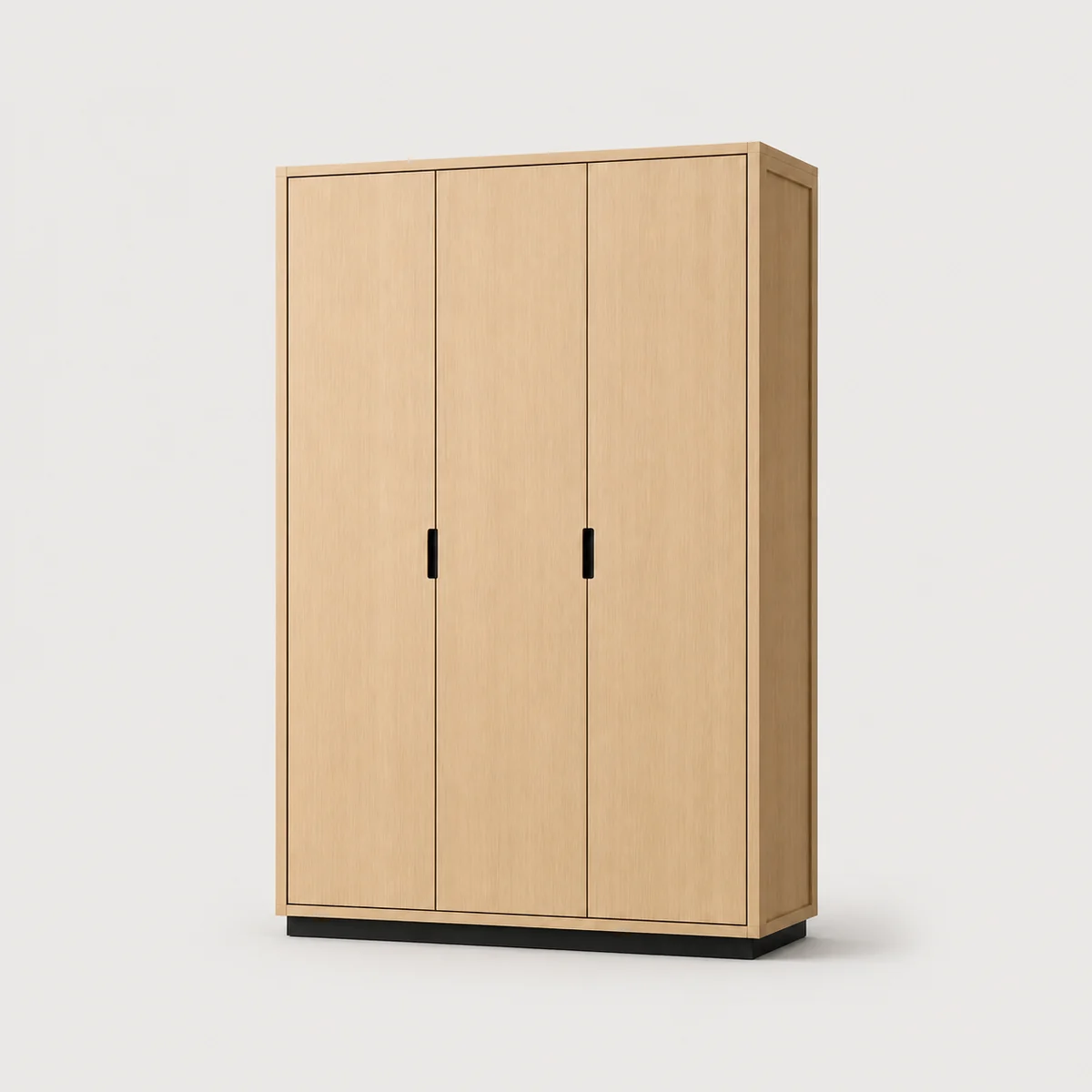
furniture:wardrobe
2 finishes
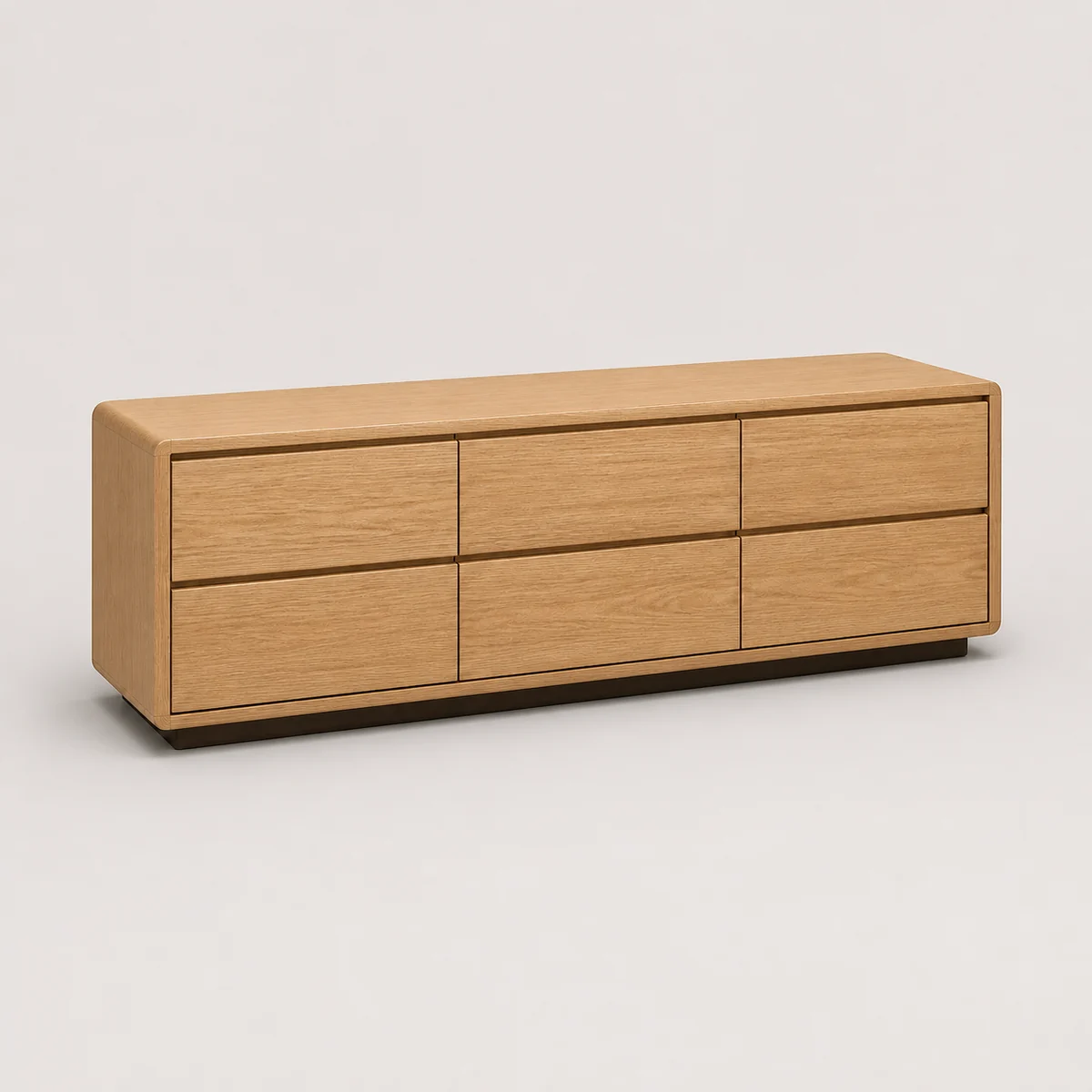
furniture:dresser
pack-int-brass · pack-int-oak · pal-charcoal
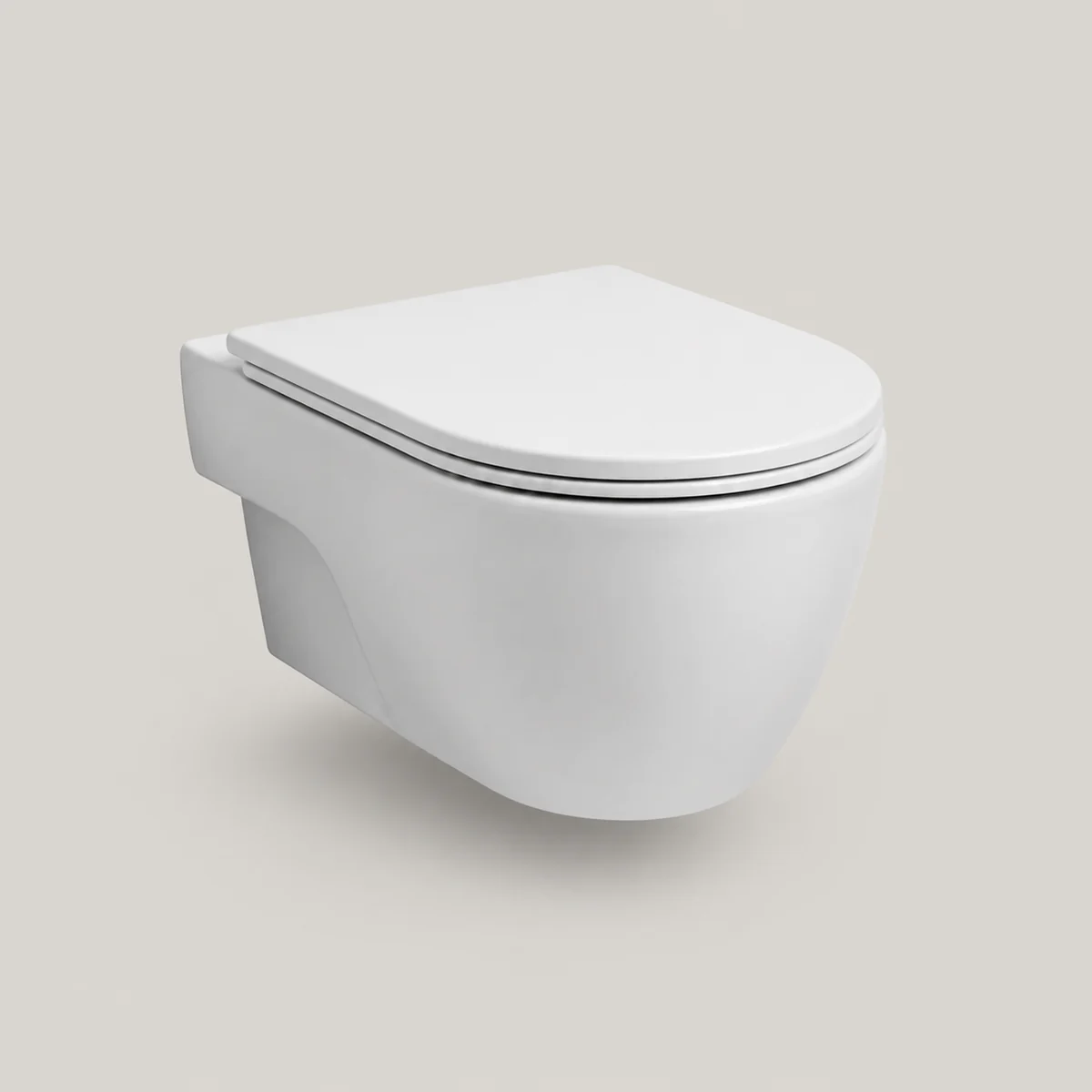
furniture:toilet
pack-int-linen-soft · pal-ceramic
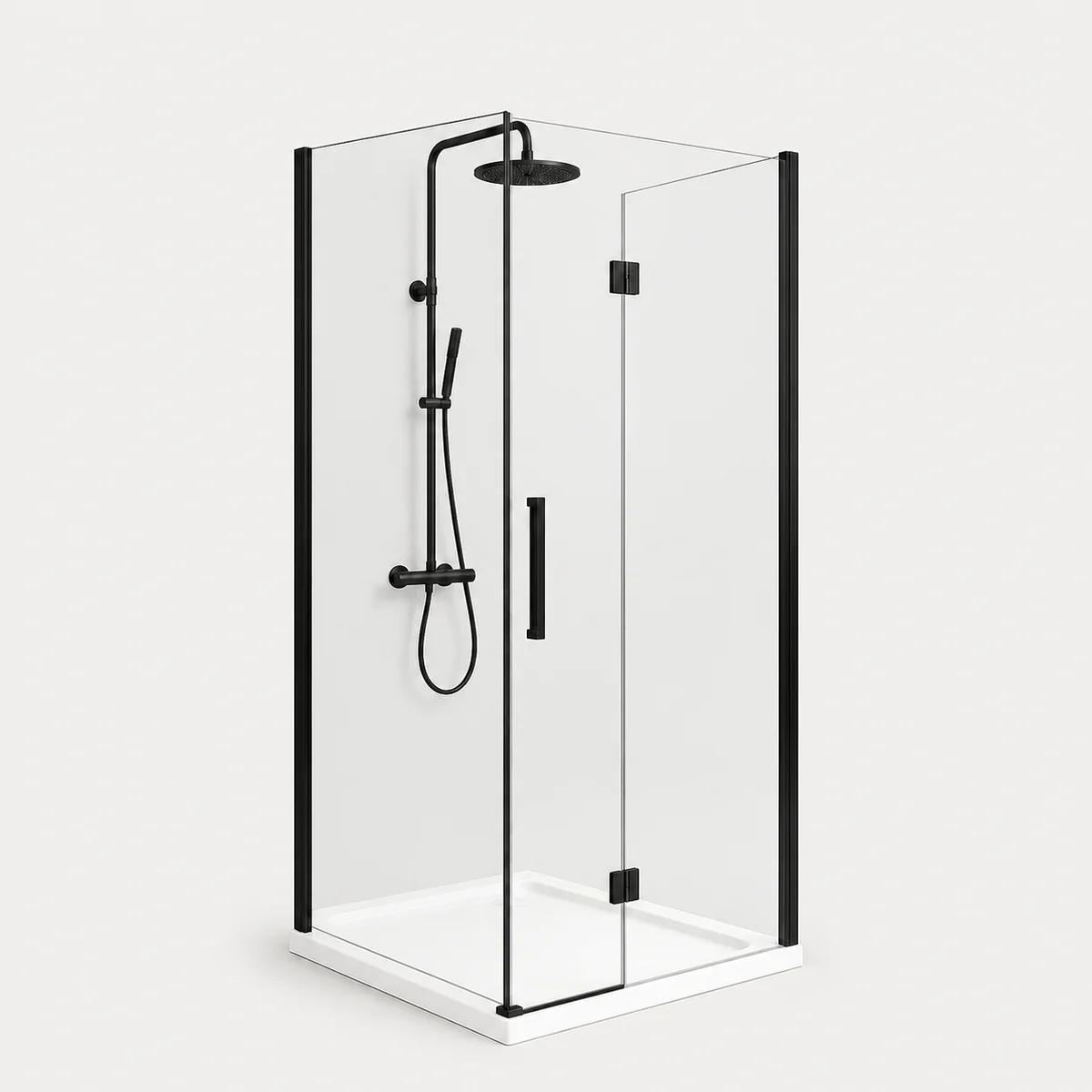
furniture:shower
pack-int-glass · pal-ceramic · pal-charcoal
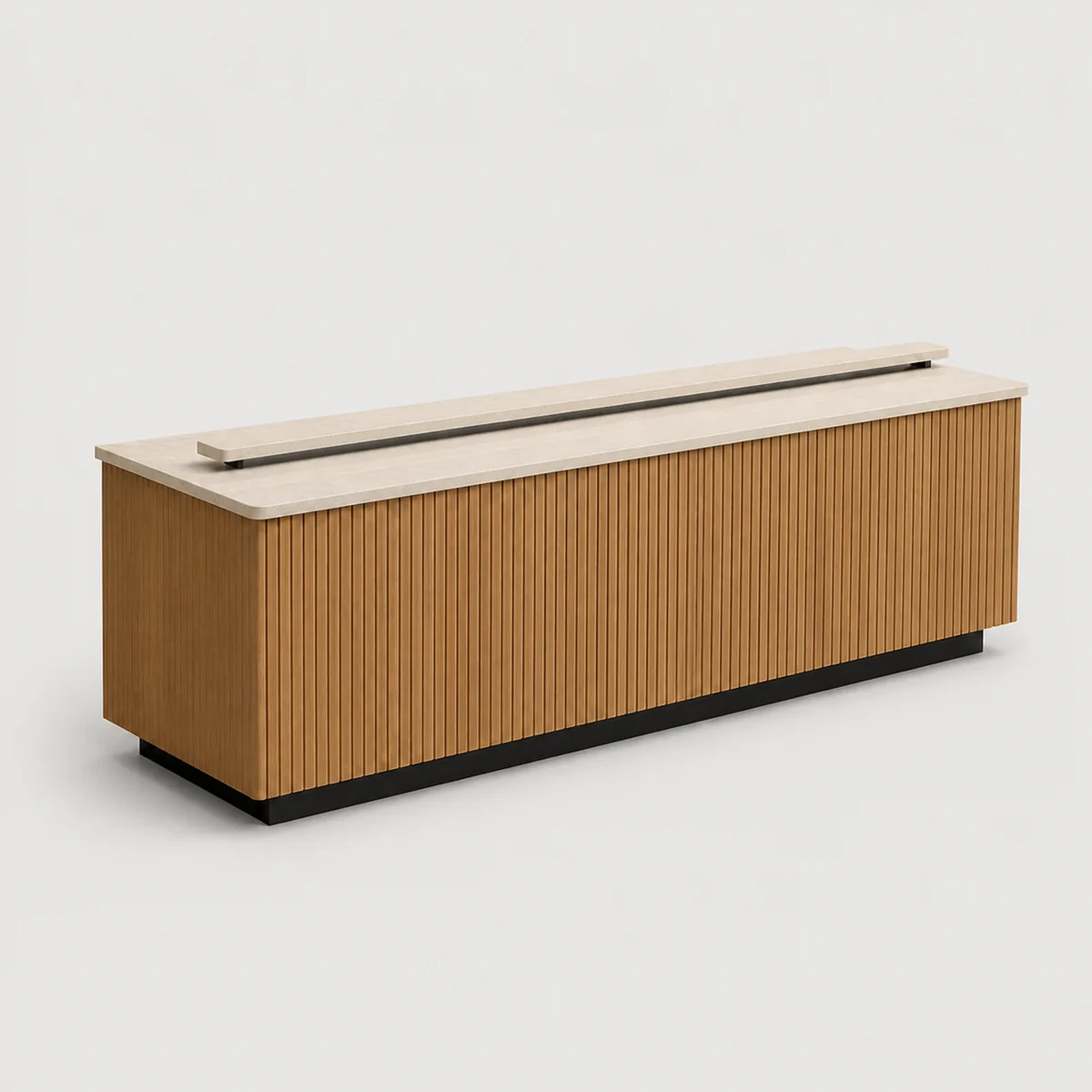
furniture:bar
pack-int-oak · pal-charcoal · pal-steel · pal-stone
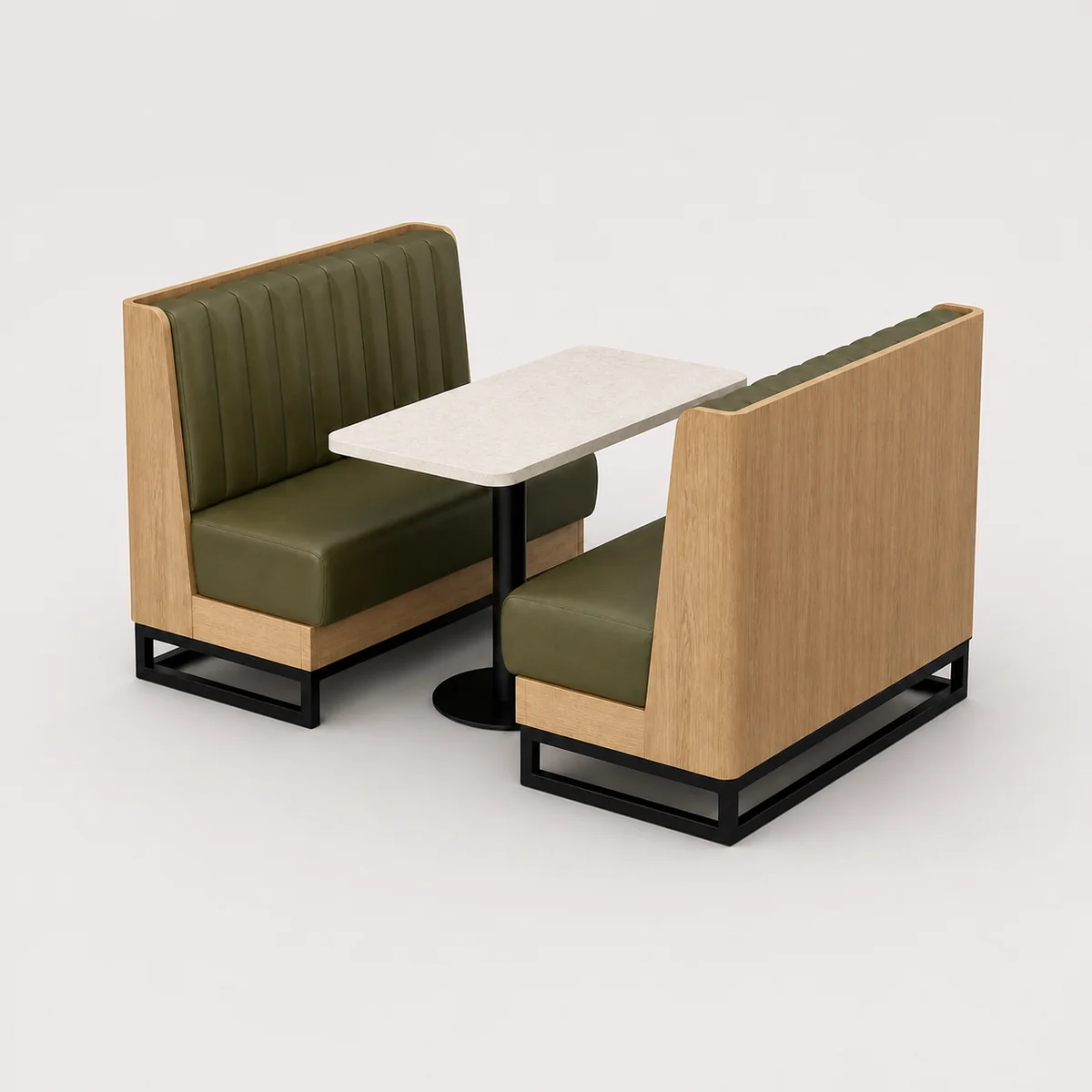
furniture:booth
pack-int-moss · pack-int-oak · pal-charcoal · pal-stone
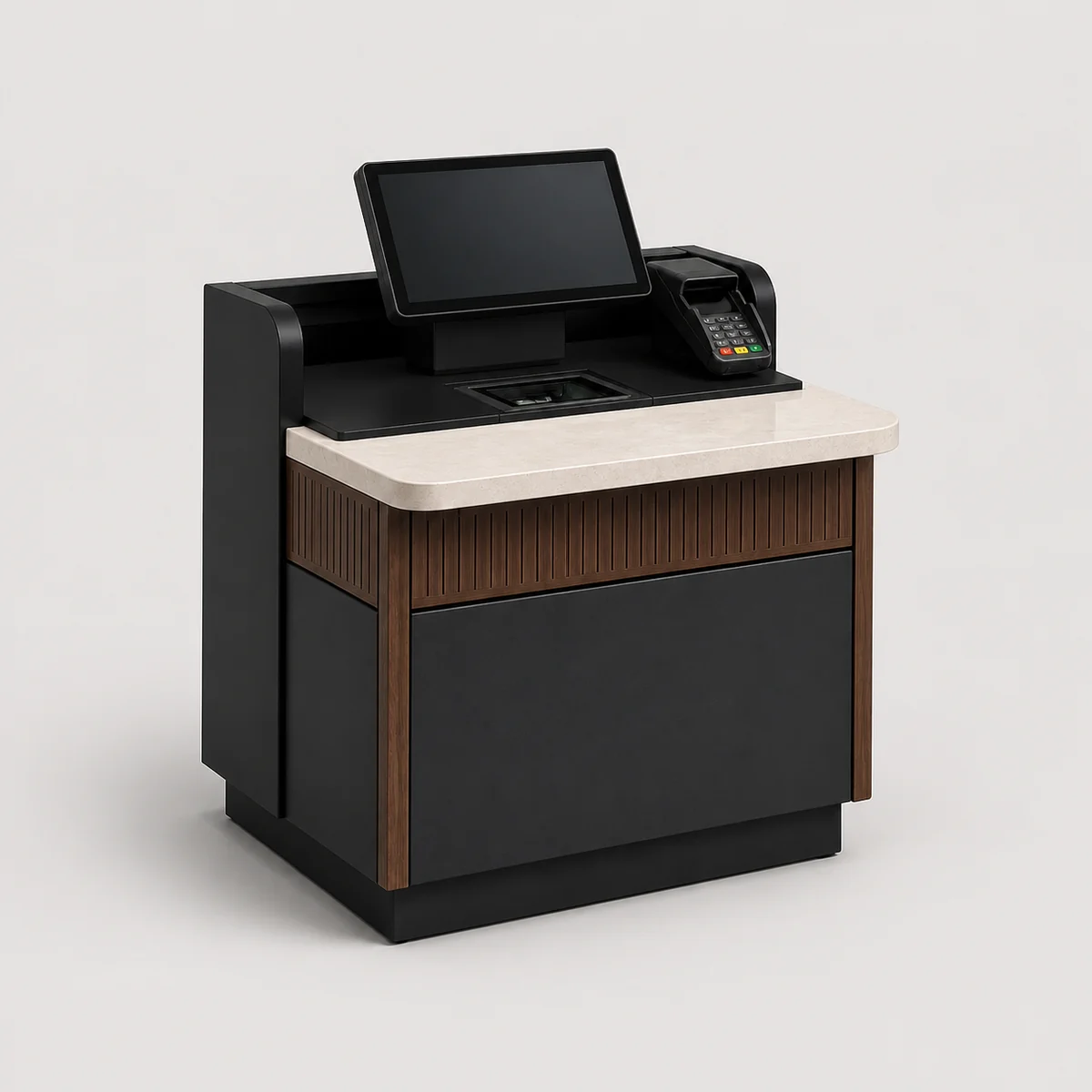
furniture:checkout
pack-int-oak · pal-charcoal · pal-steel-dark · pal-stone
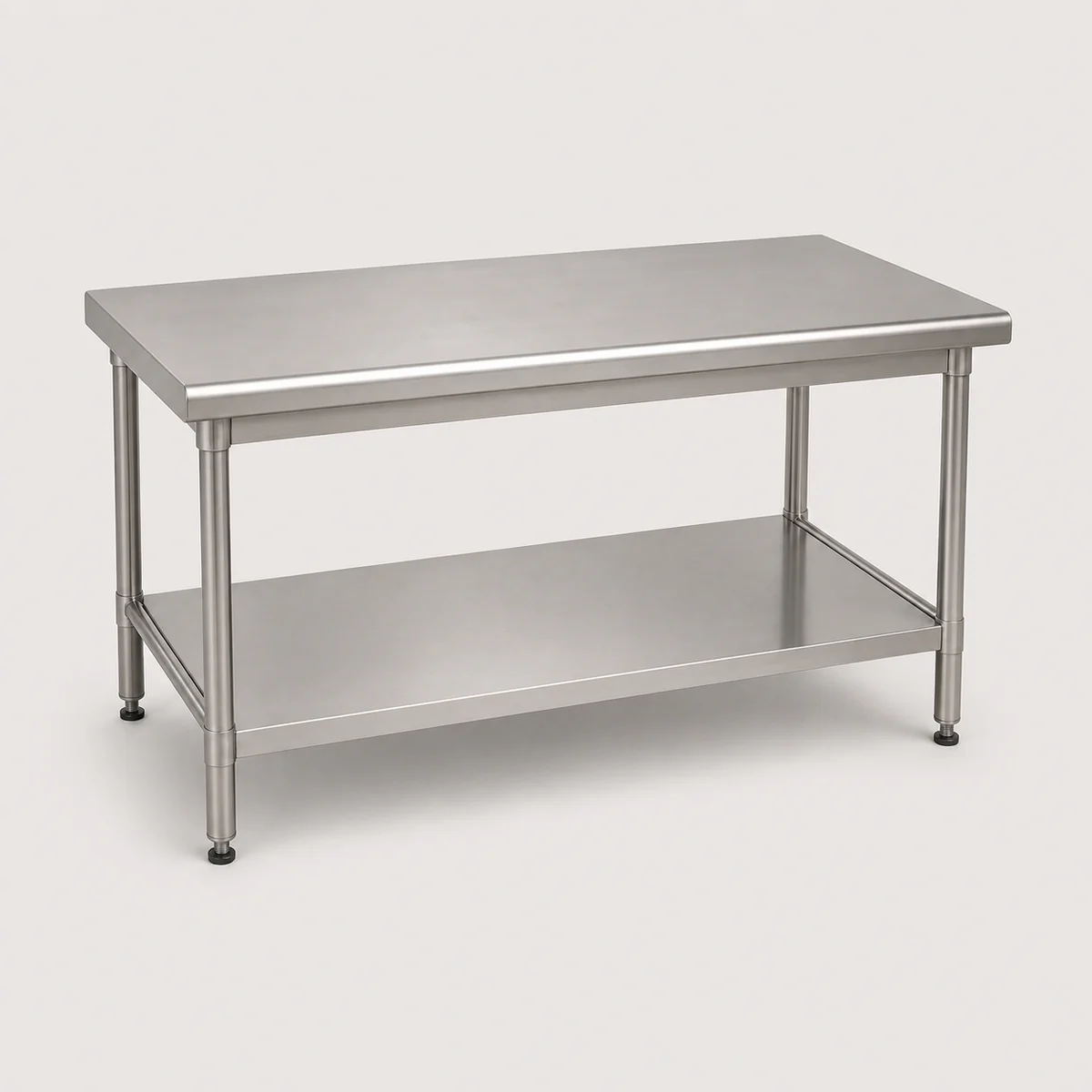
furniture:prep-table
pal-charcoal · pal-steel
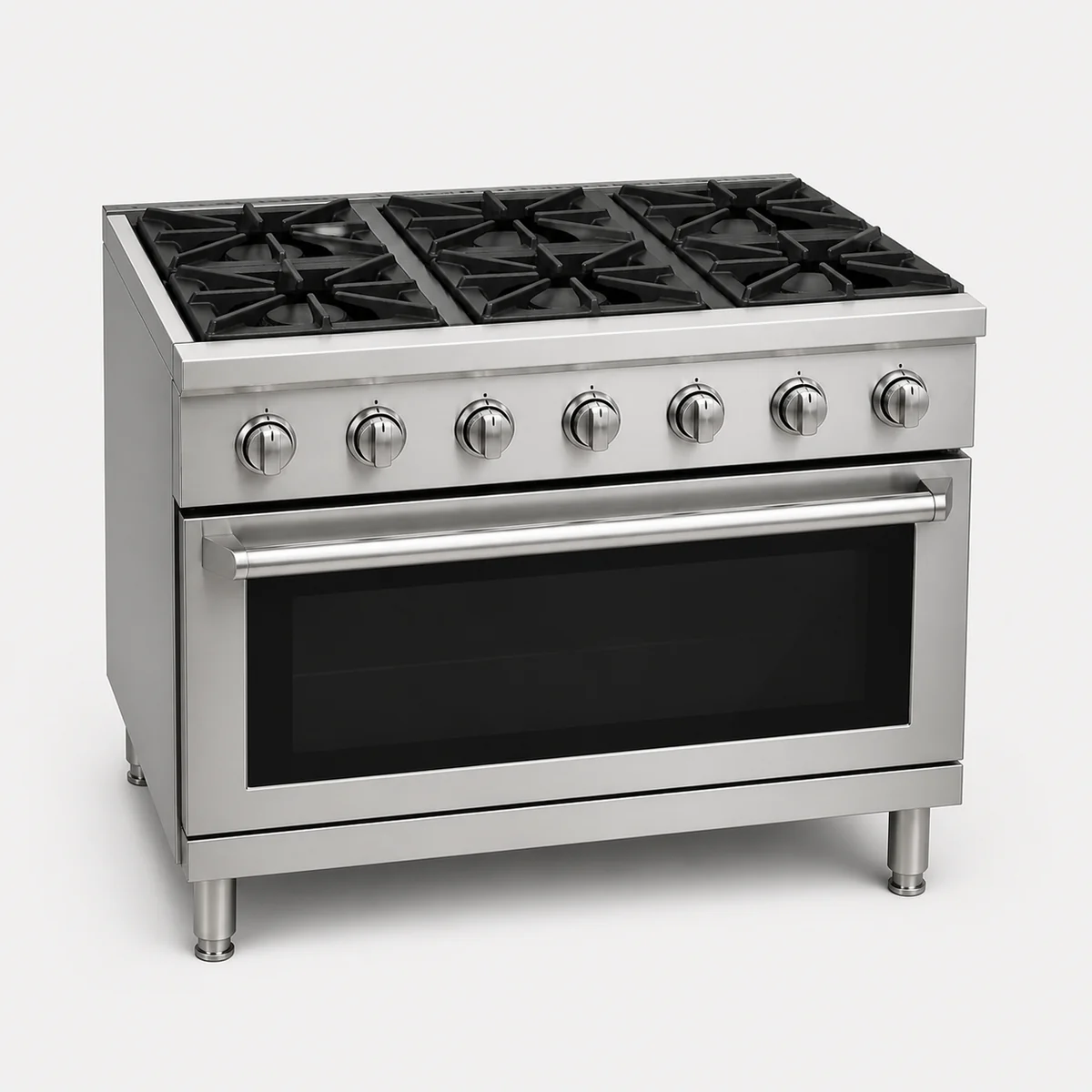
furniture:range
pack-int-steel · pal-charcoal · pal-glass-dark
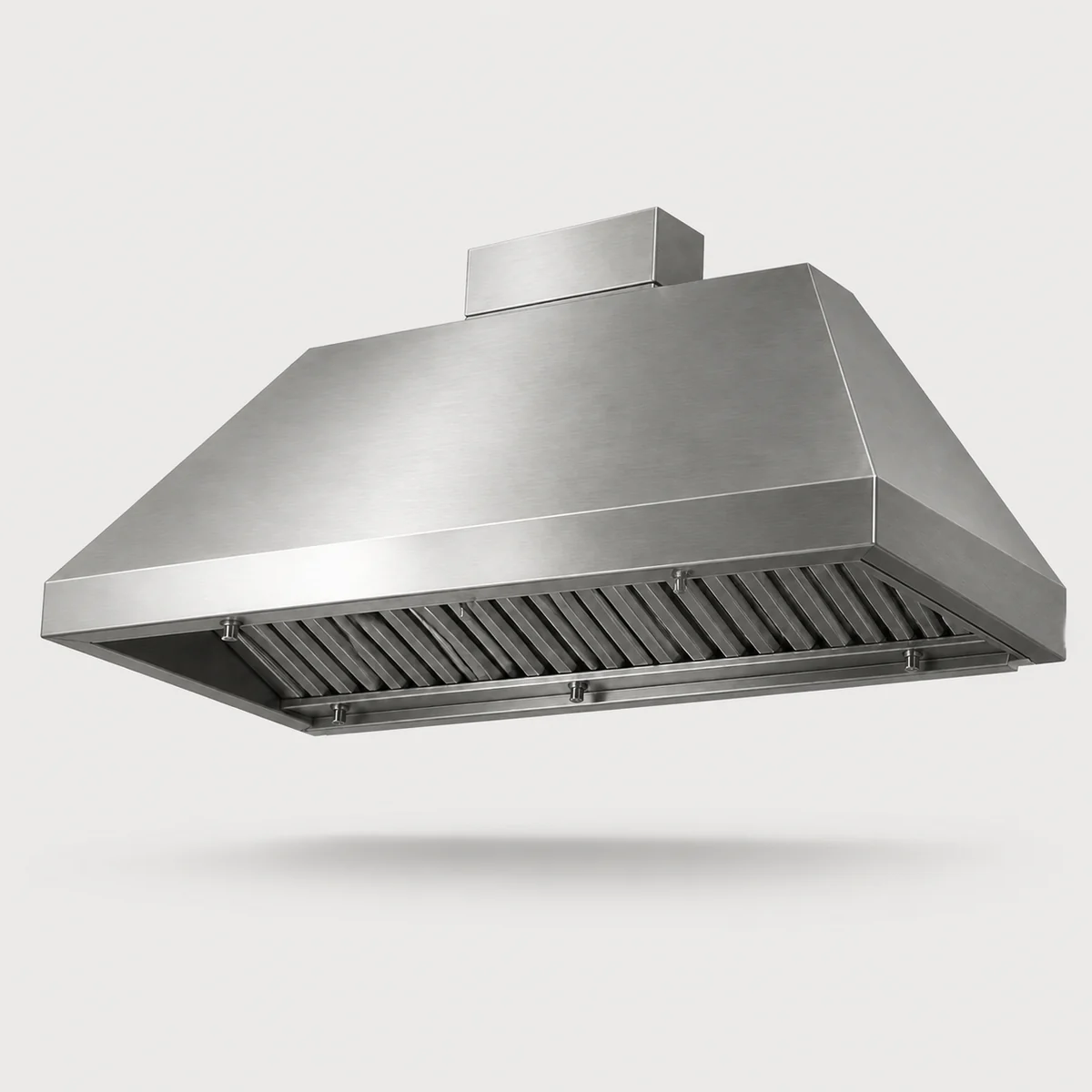
furniture:range-hood
pack-int-linen-soft · pack-int-steel · pal-charcoal
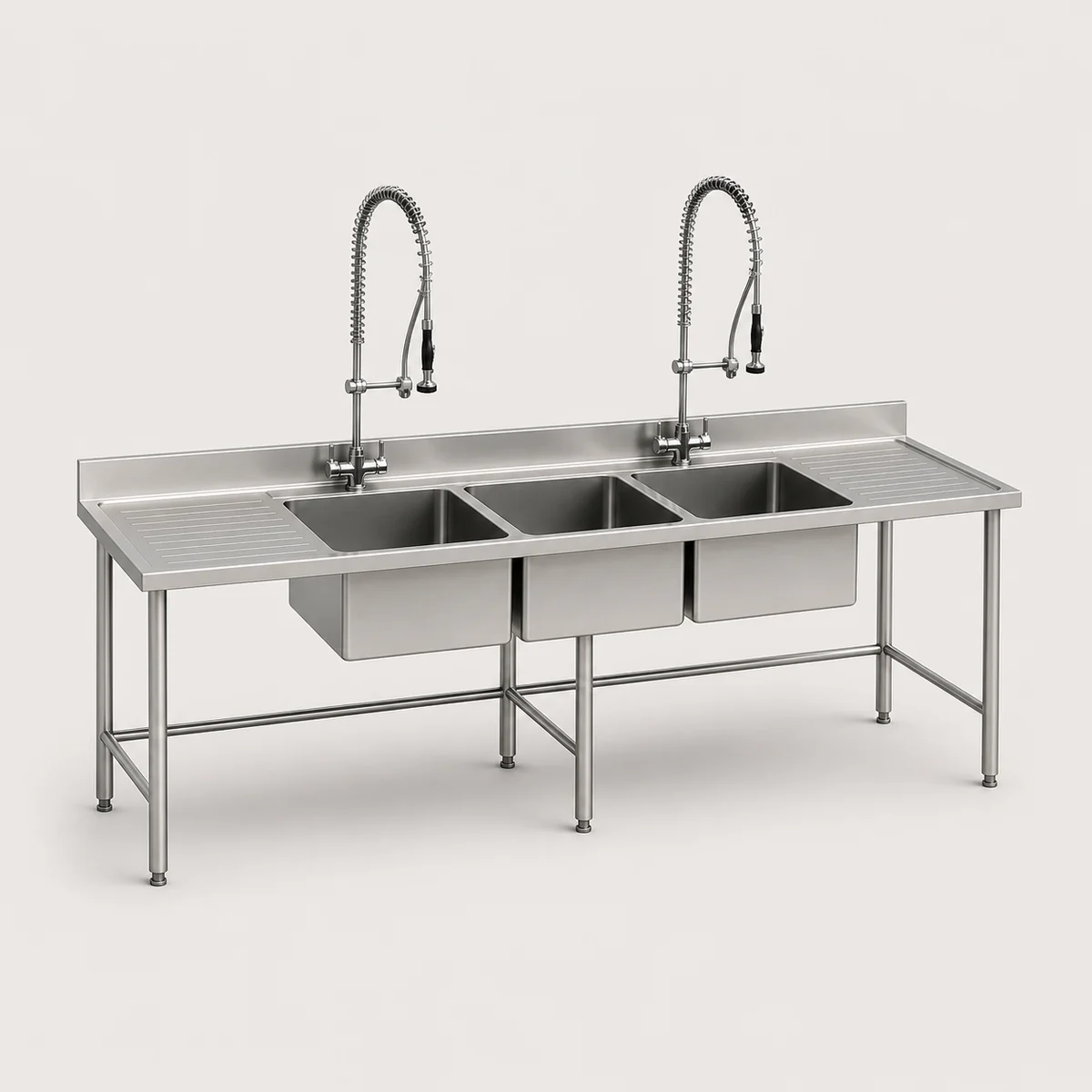
furniture:commercial-sink
pack-int-steel · pal-charcoal
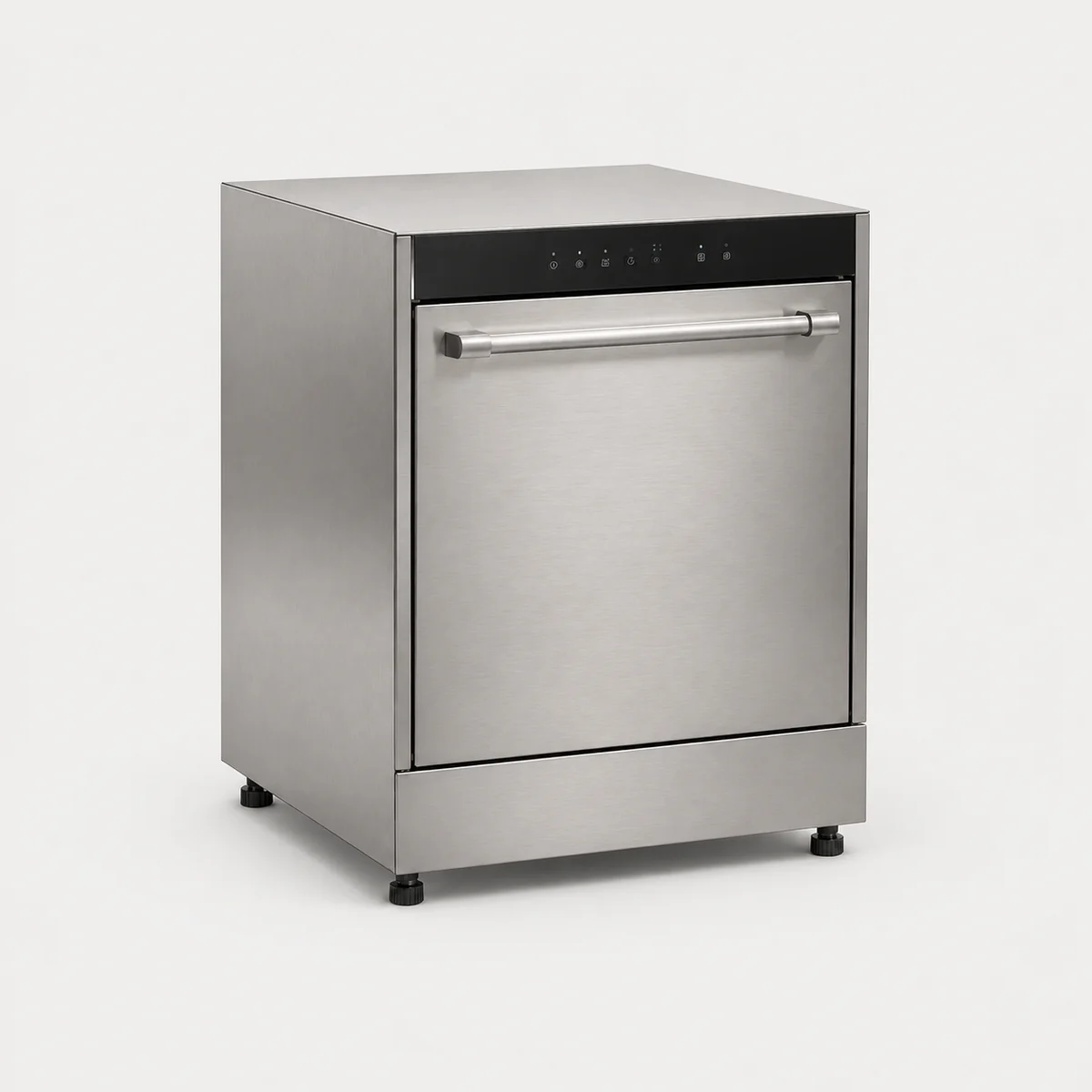
furniture:dishwasher
pal-charcoal · pal-grey · pal-steel
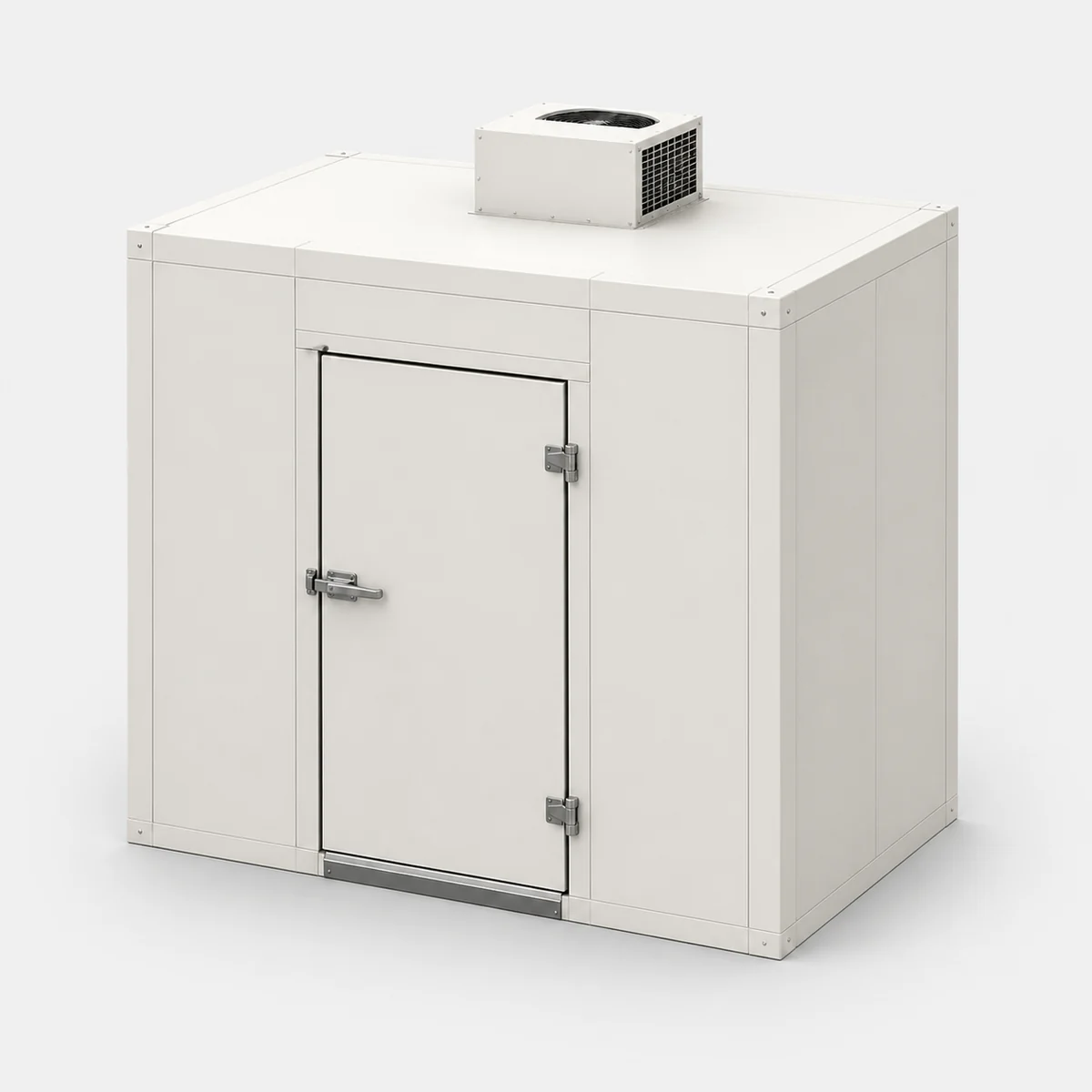
furniture:walk-in
pack-int-linen · pal-charcoal · pal-steel
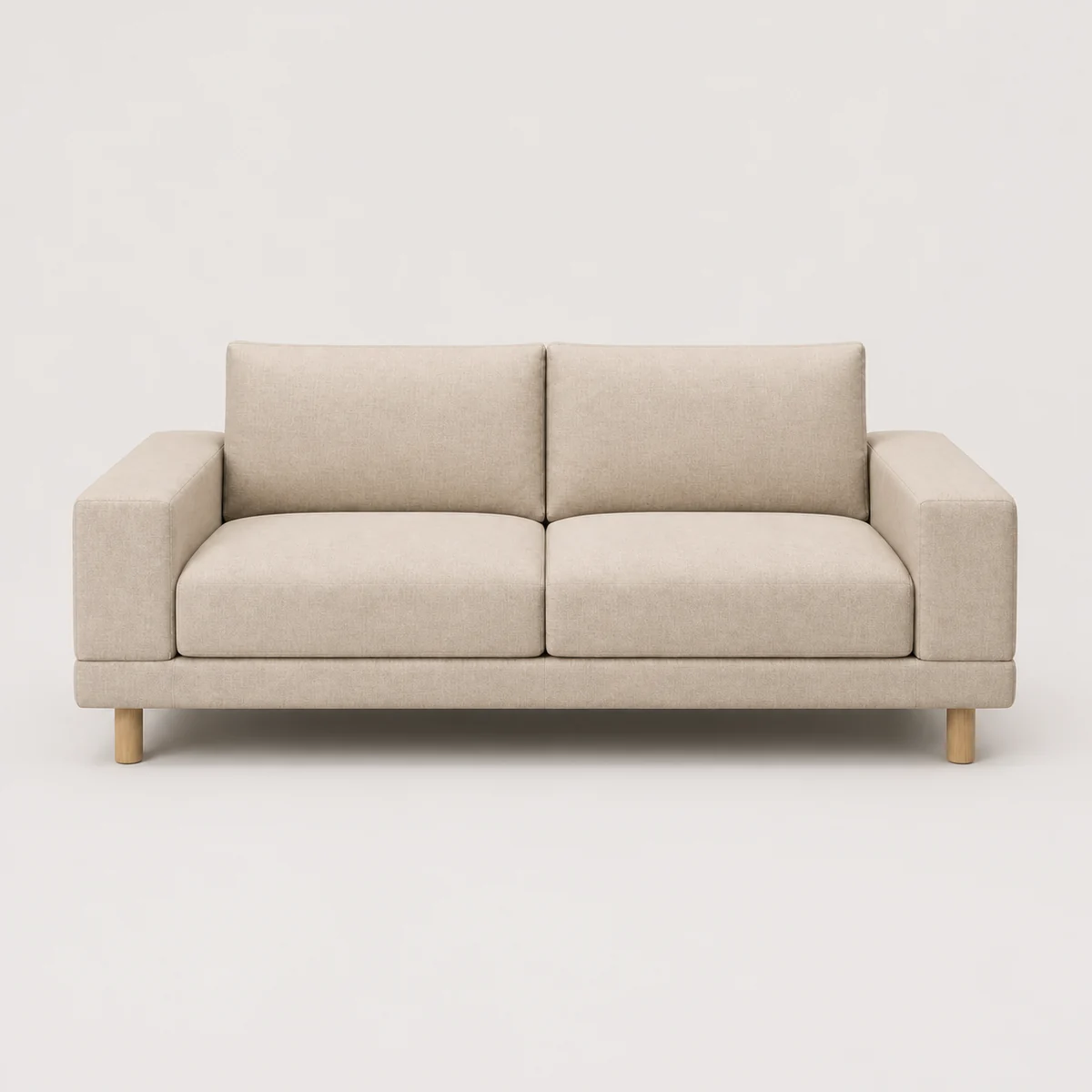
furniture:sofa
5 finishes
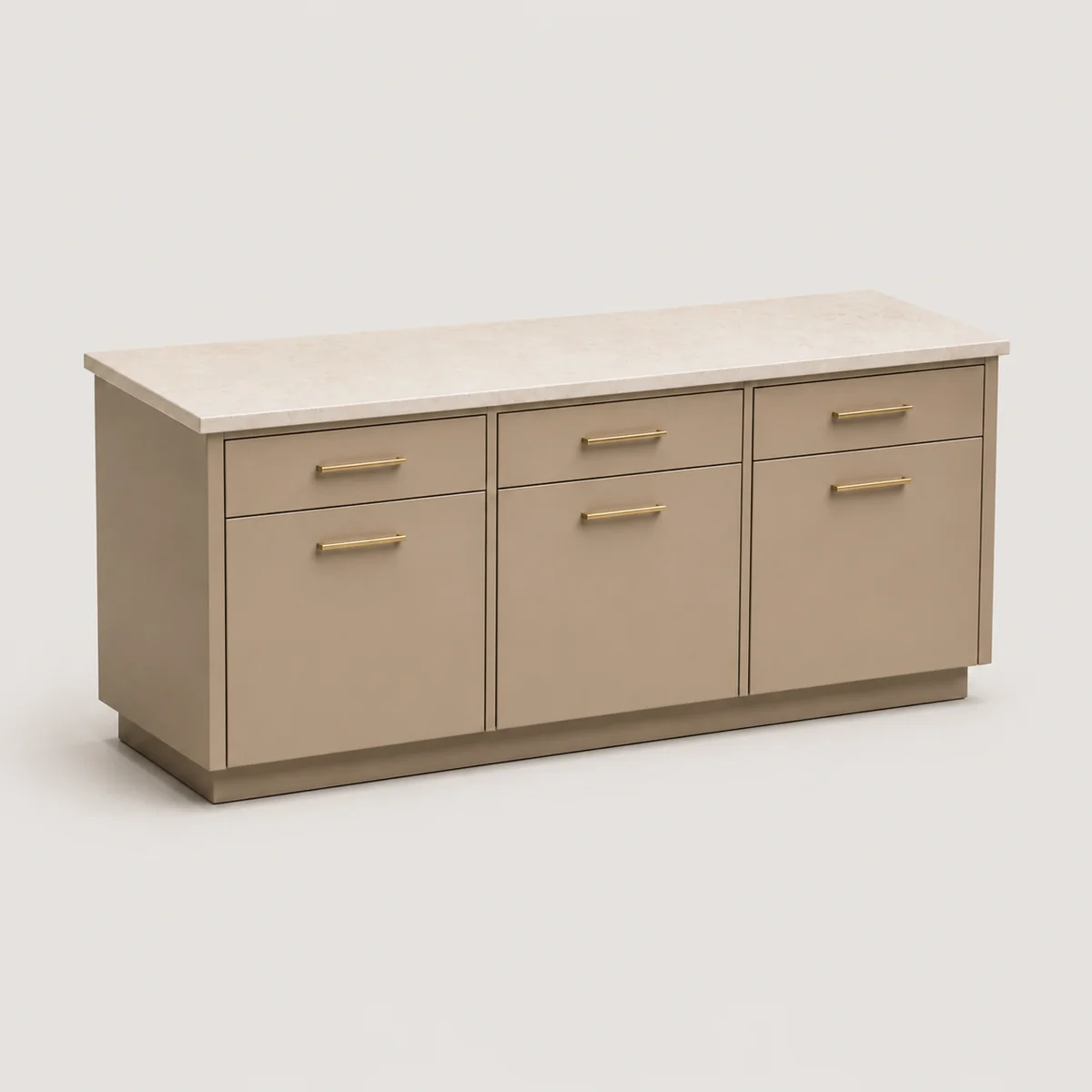
furniture:island
2 finishes
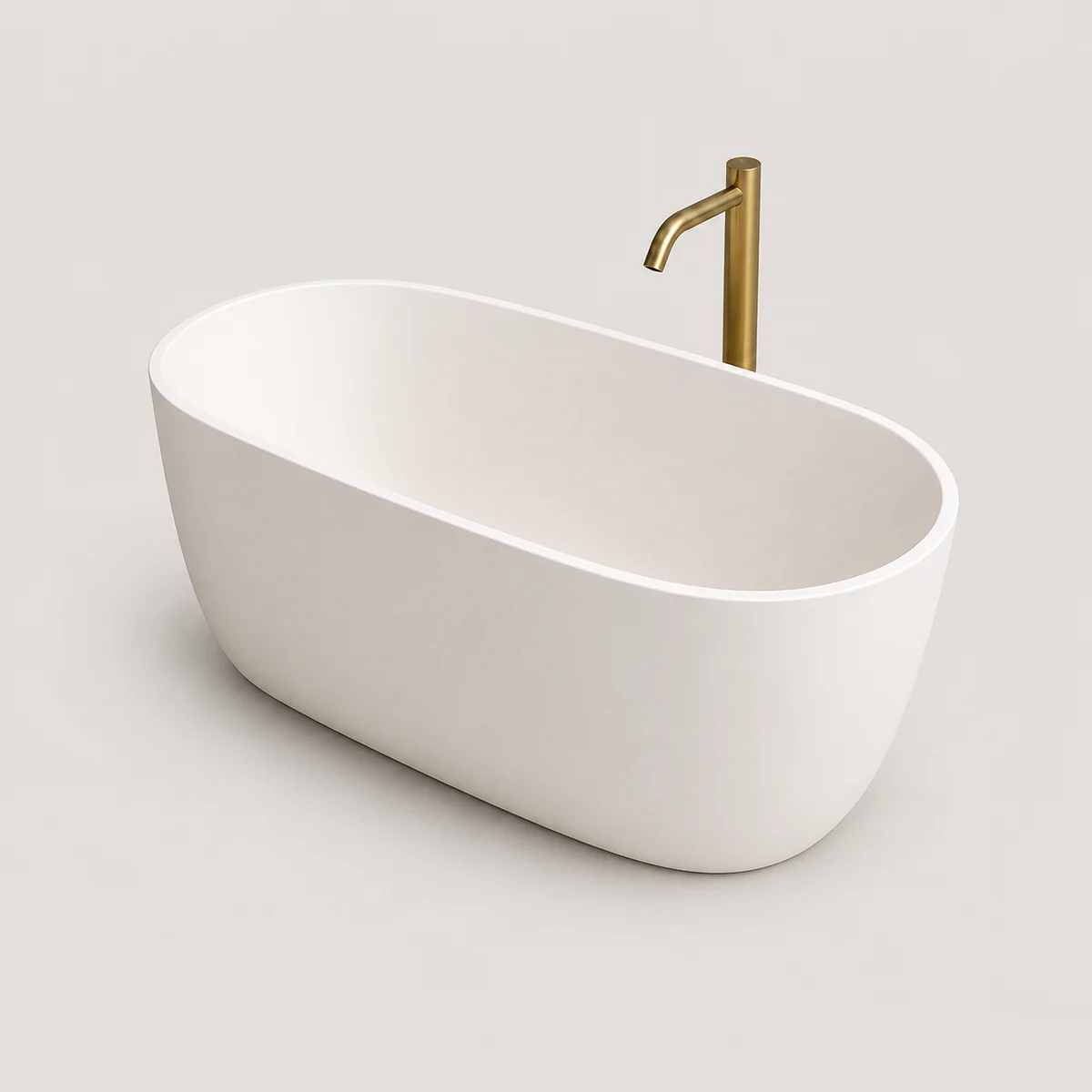
furniture:bathtub
pack-int-brass · pal-ceramic
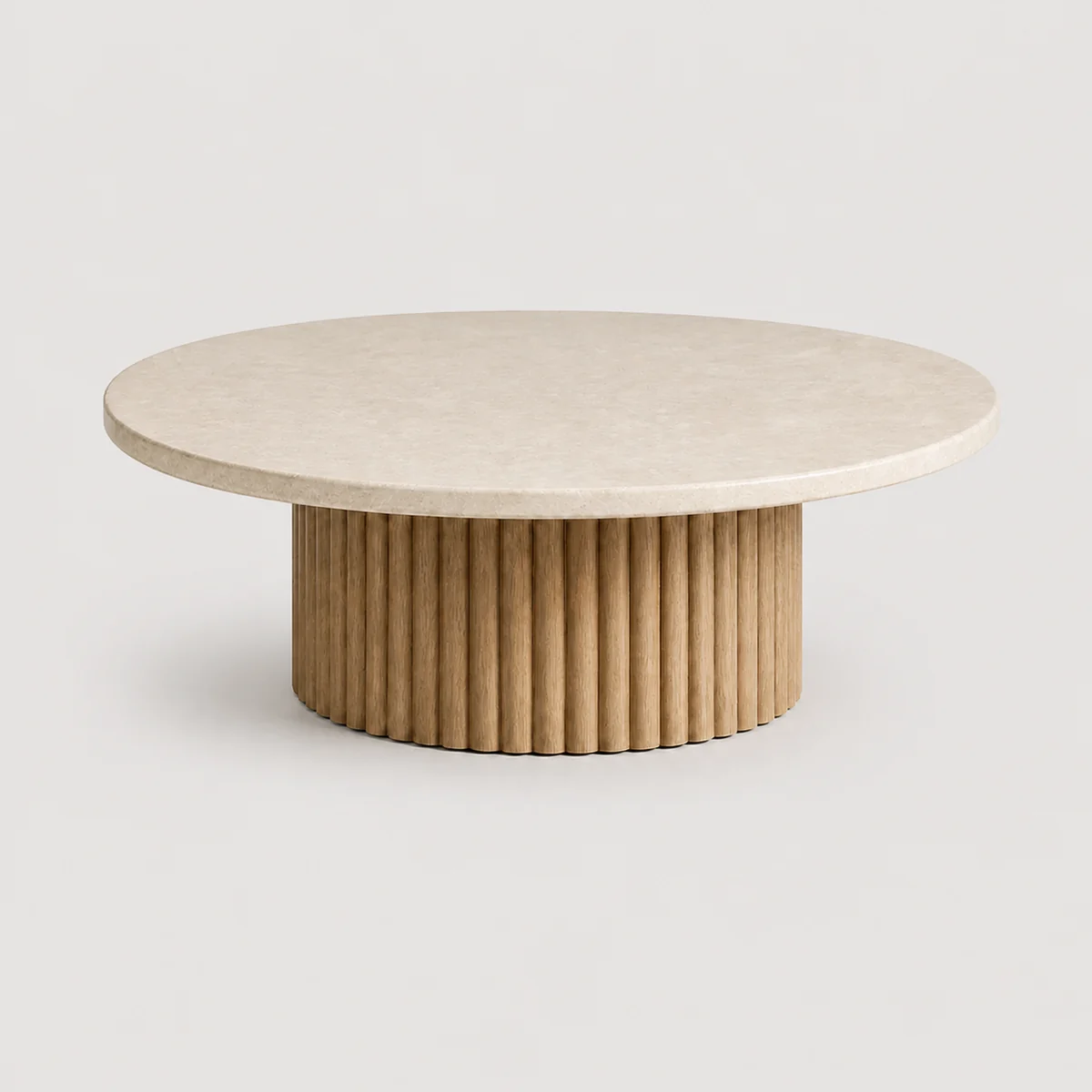
furniture:coffee-table
pack-int-oak · pal-stone
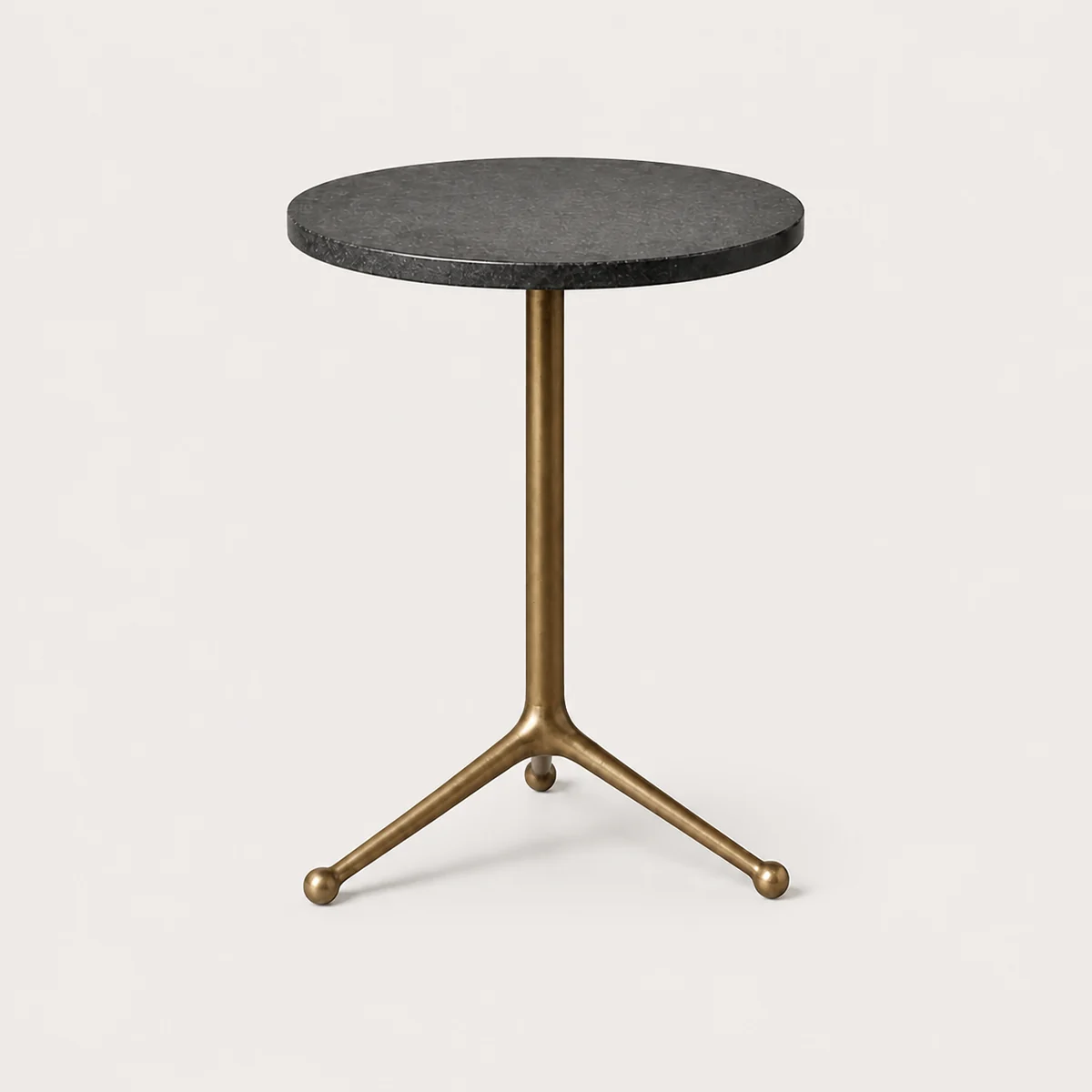
furniture:side-table
pal-charcoal · pal-grey
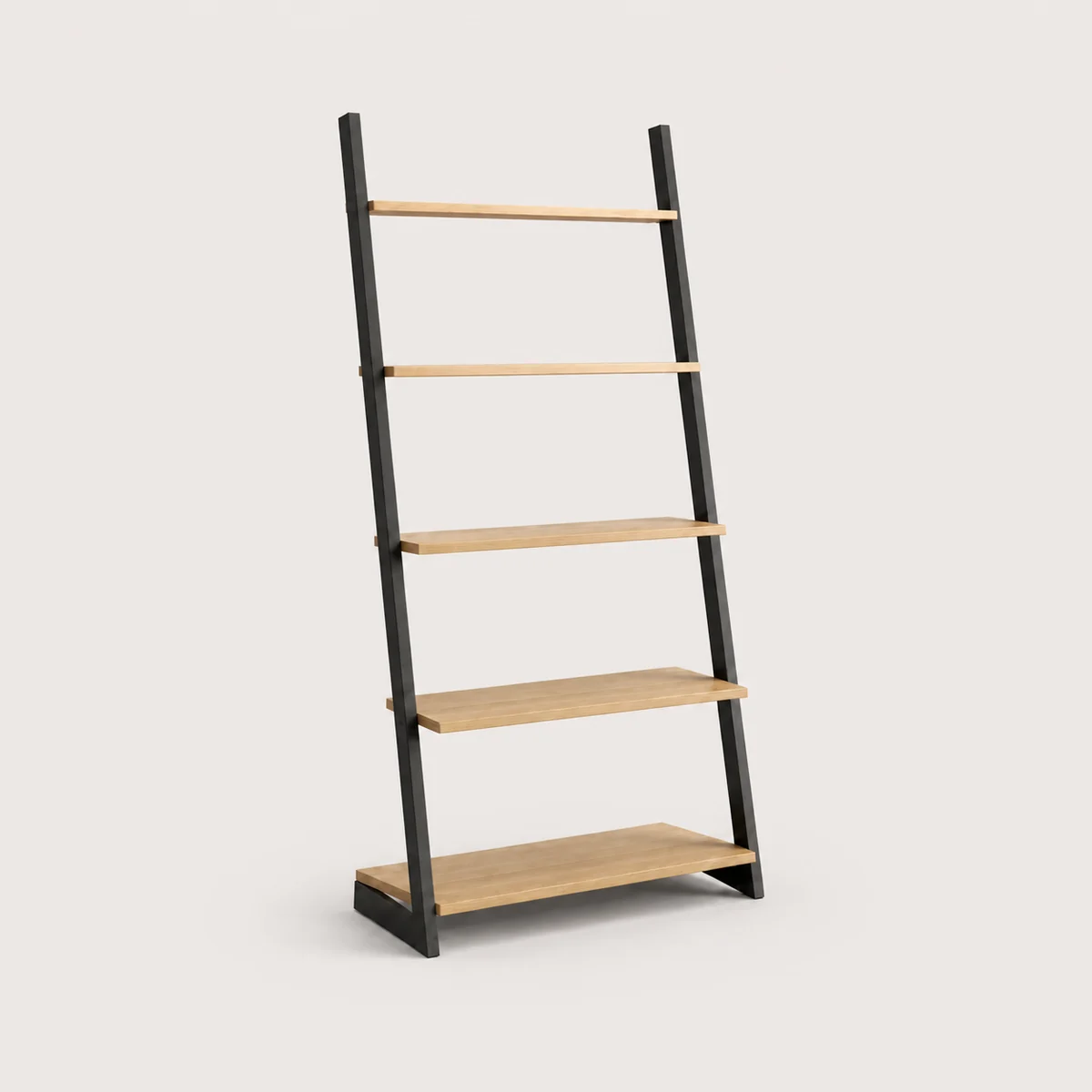
furniture:bookshelf
pack-int-oak · pal-charcoal
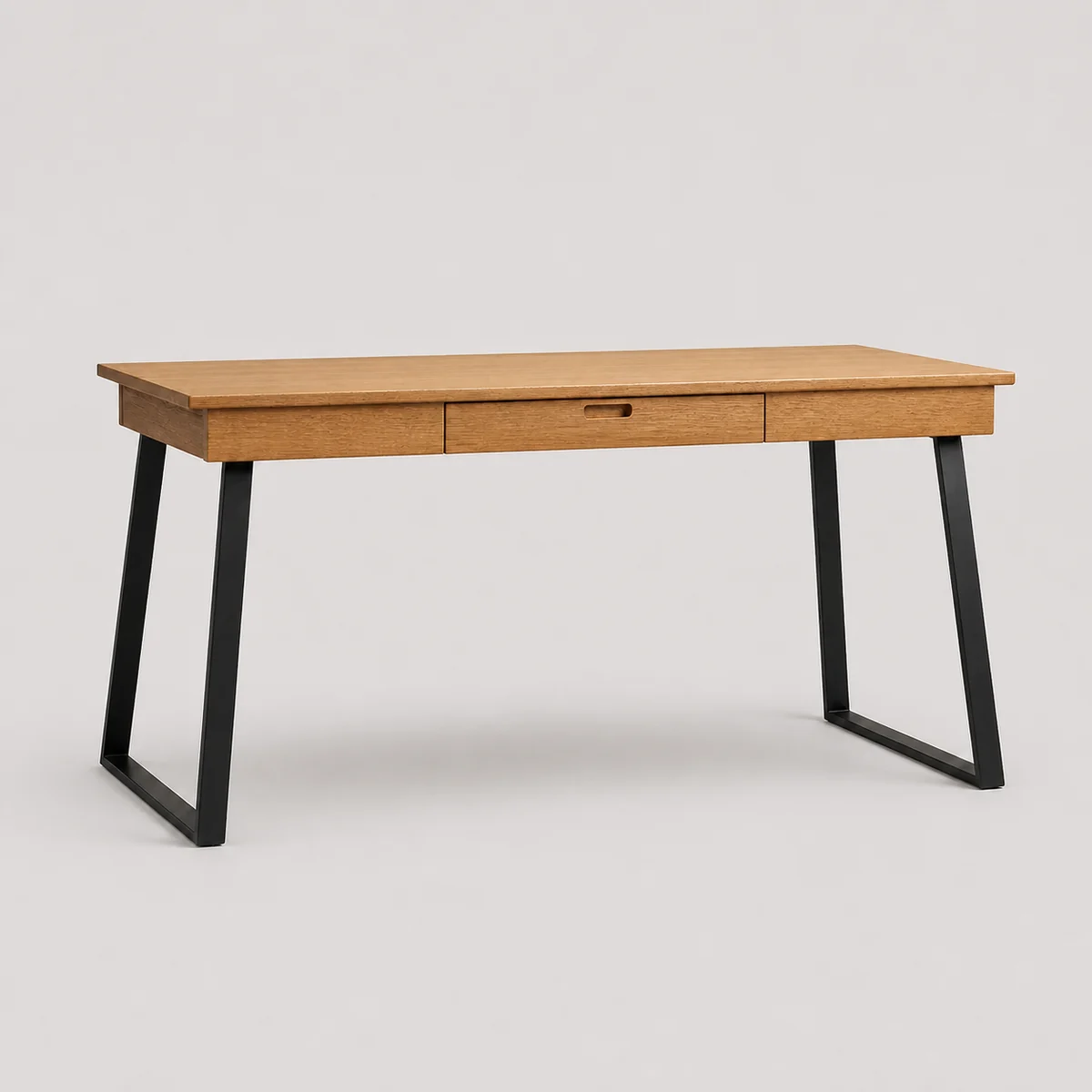
furniture:desk
pack-int-oak · pal-charcoal
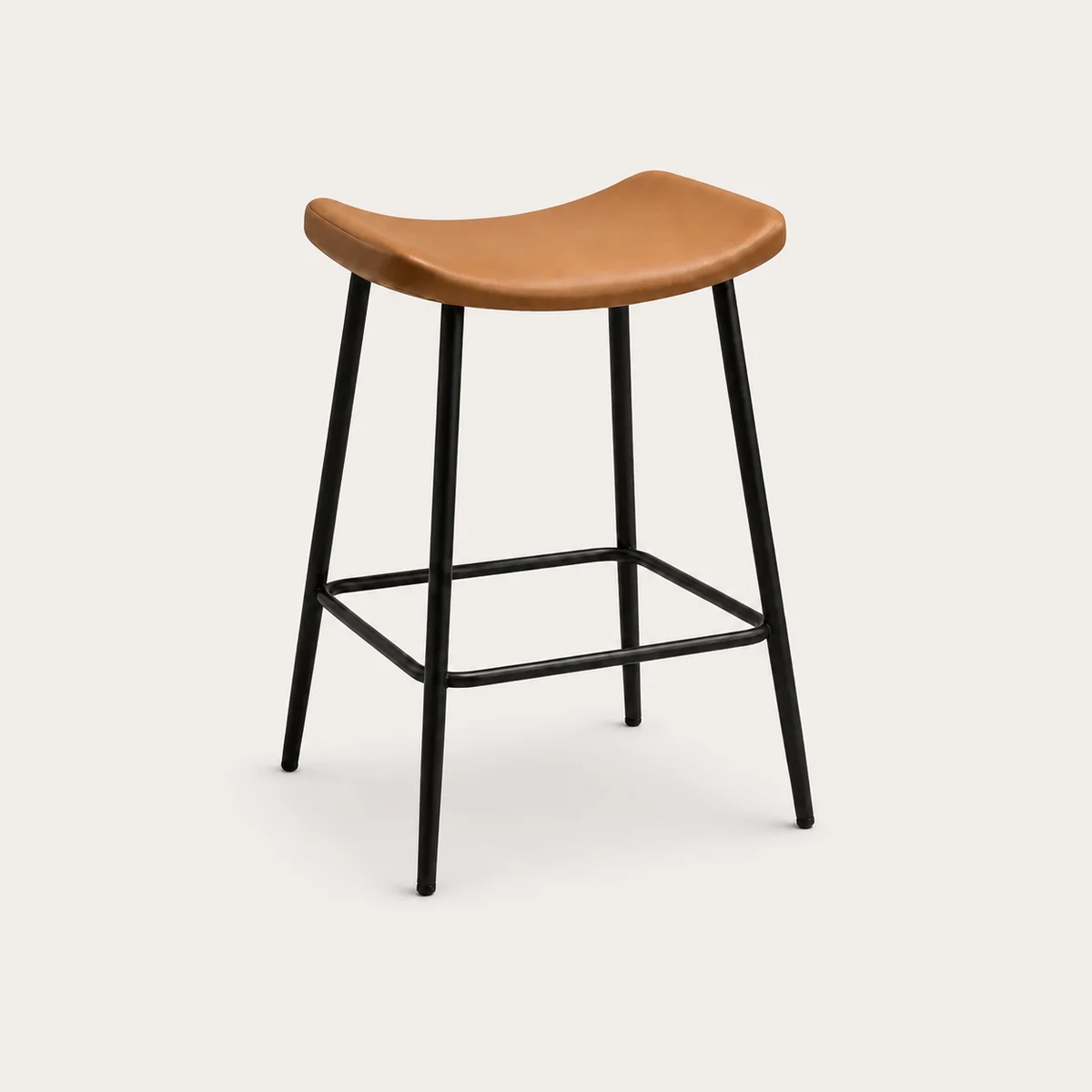
furniture:bar-stool
pack-int-saddle · pal-charcoal
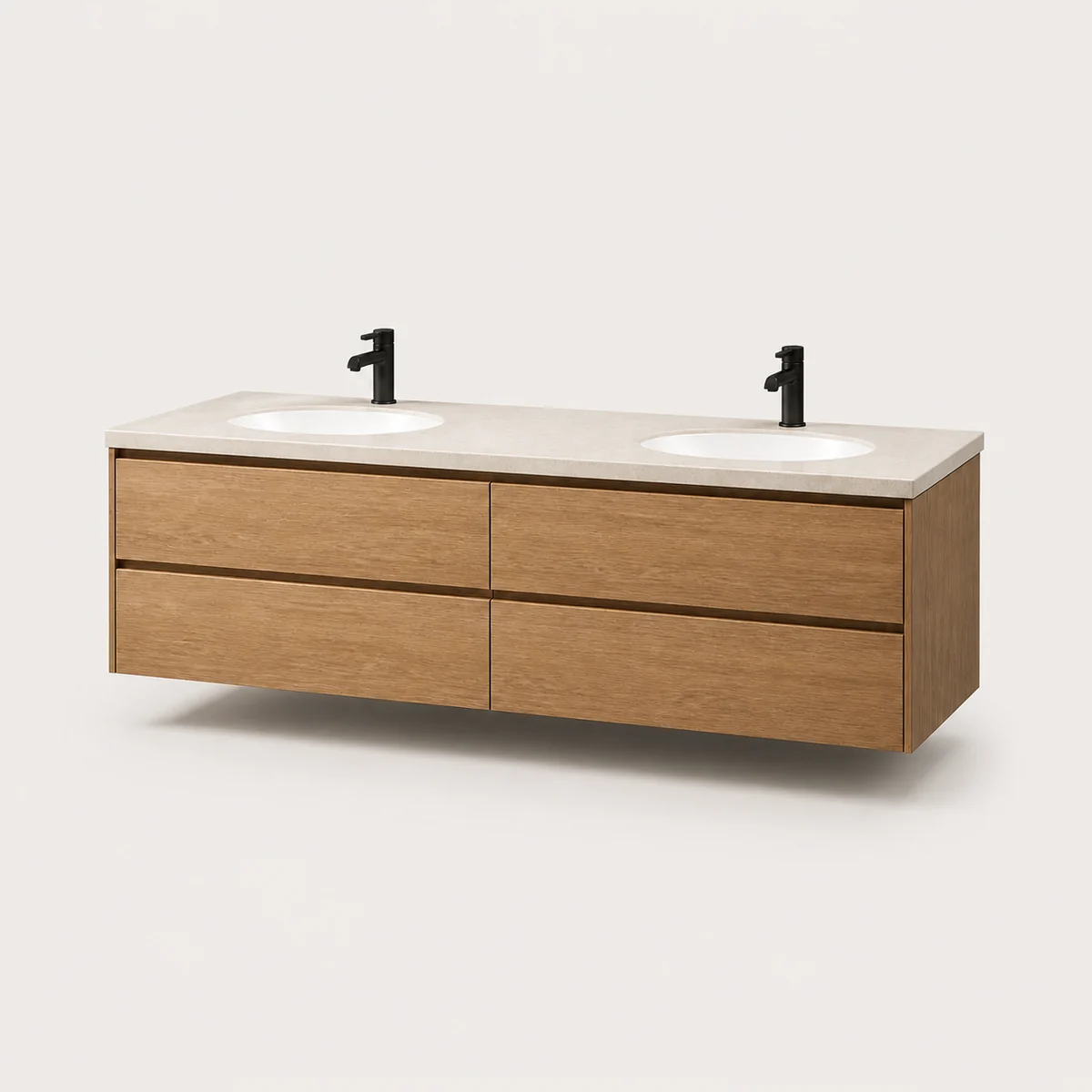
furniture:vanity
pack-int-oak · pal-ceramic · pal-steel-dark · pal-stone
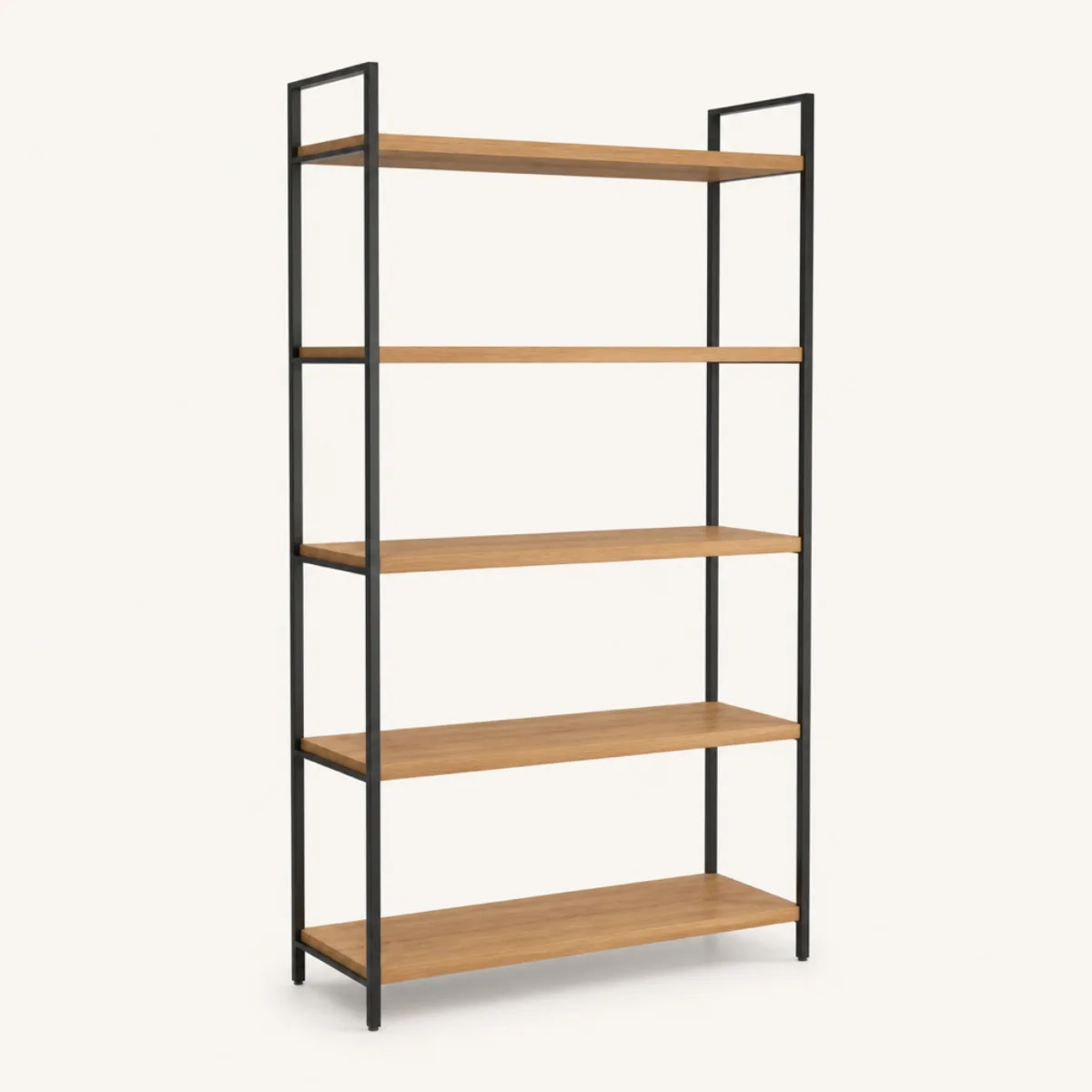
furniture:shelving
pack-int-oak · pal-charcoal
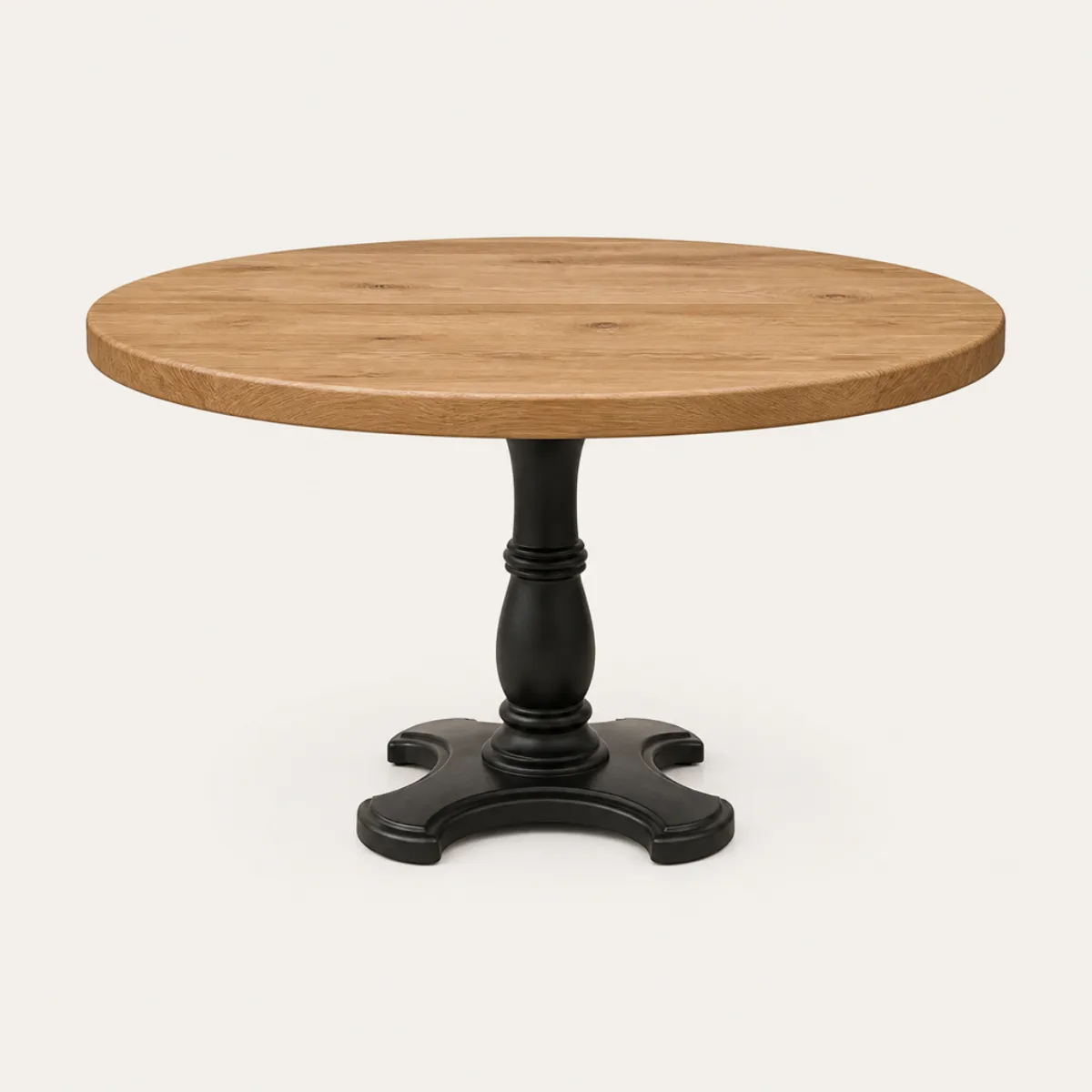
furniture:round-table-4
pack-int-oak · pal-charcoal
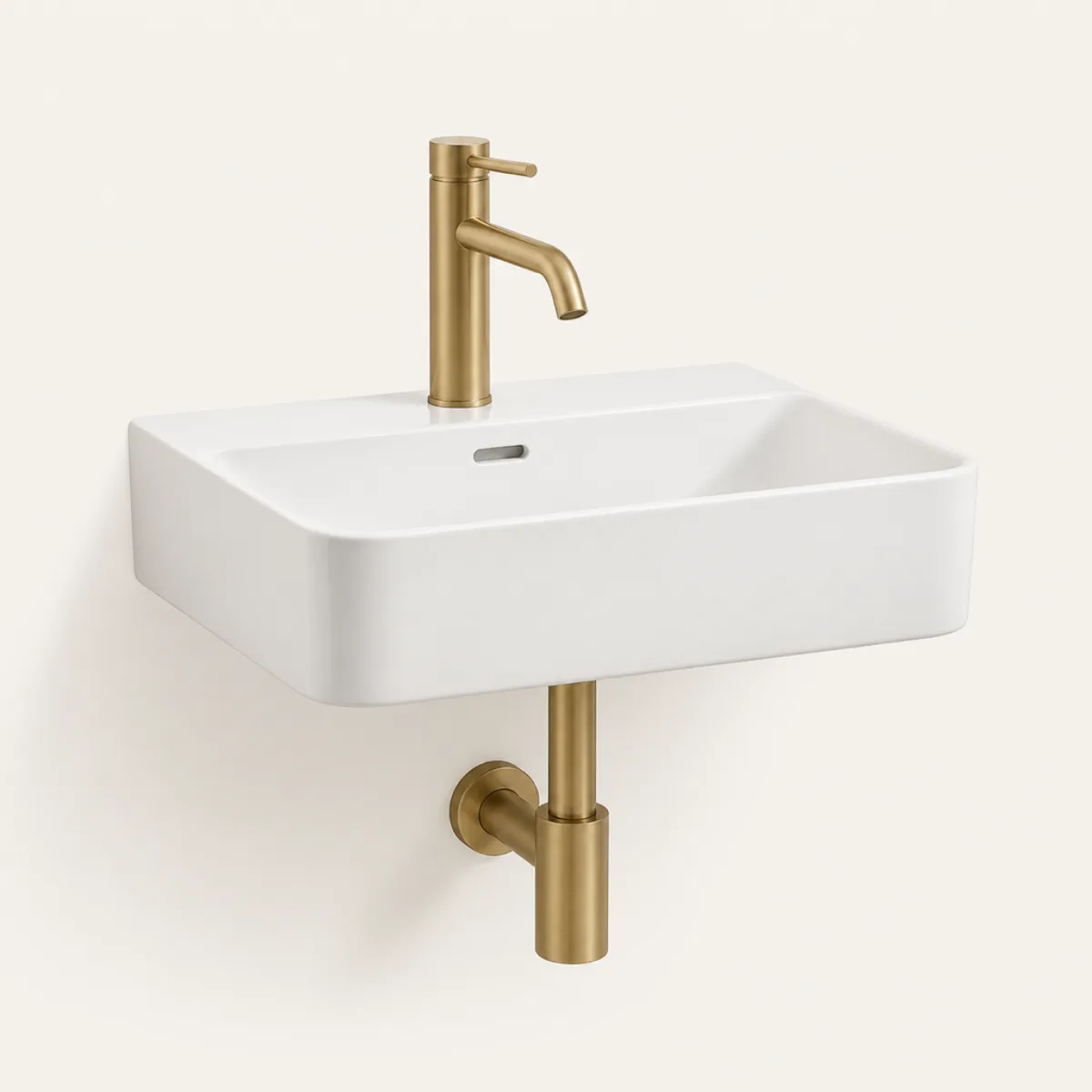
furniture:sink
pal-ceramic · pal-grey
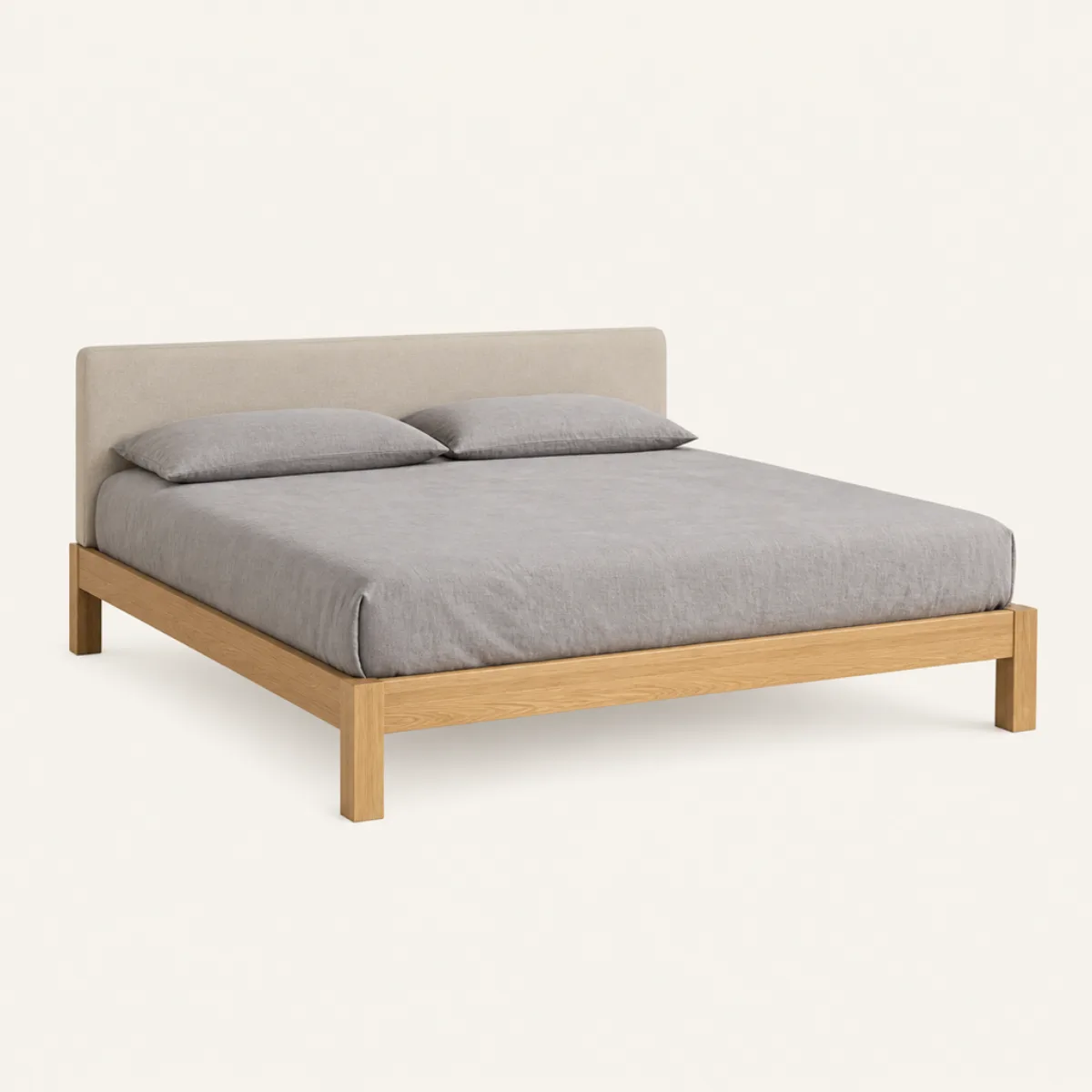
furniture:bed-double
pack-int-linen · pack-int-upholstery-sand · pal-oak
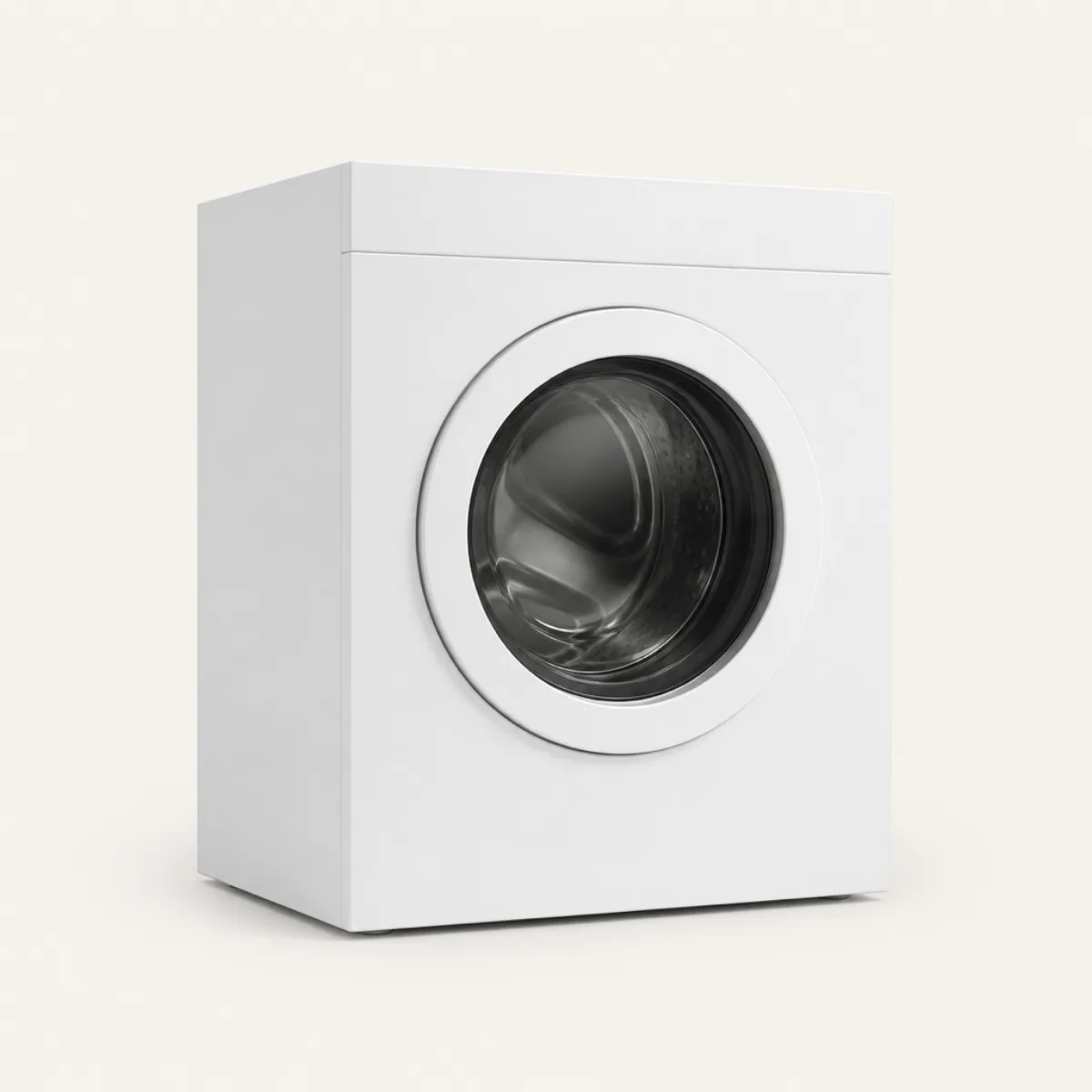
furniture:washer
pack-int-glass · pal-ceramic · pal-charcoal
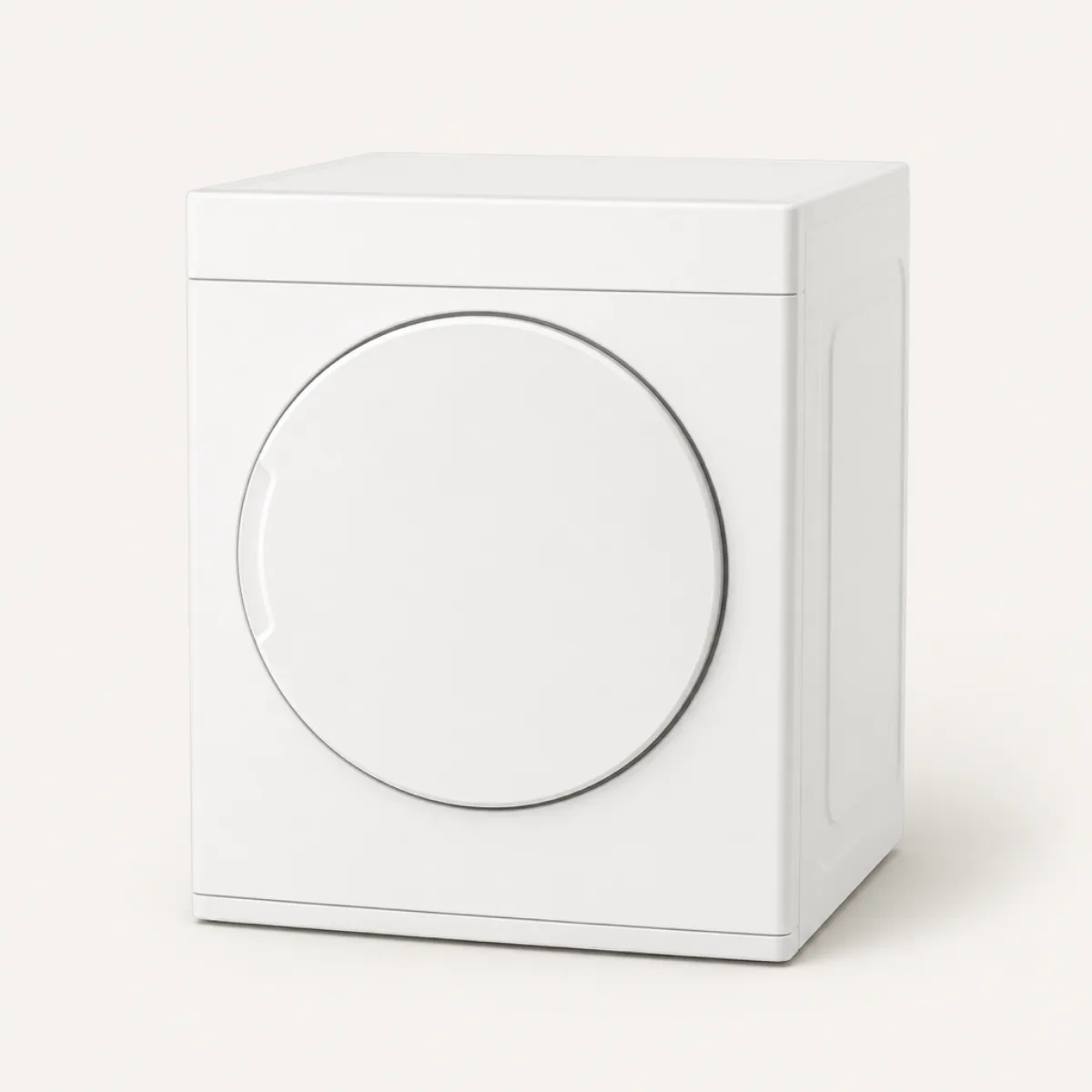
furniture:dryer
pal-ceramic · pal-charcoal
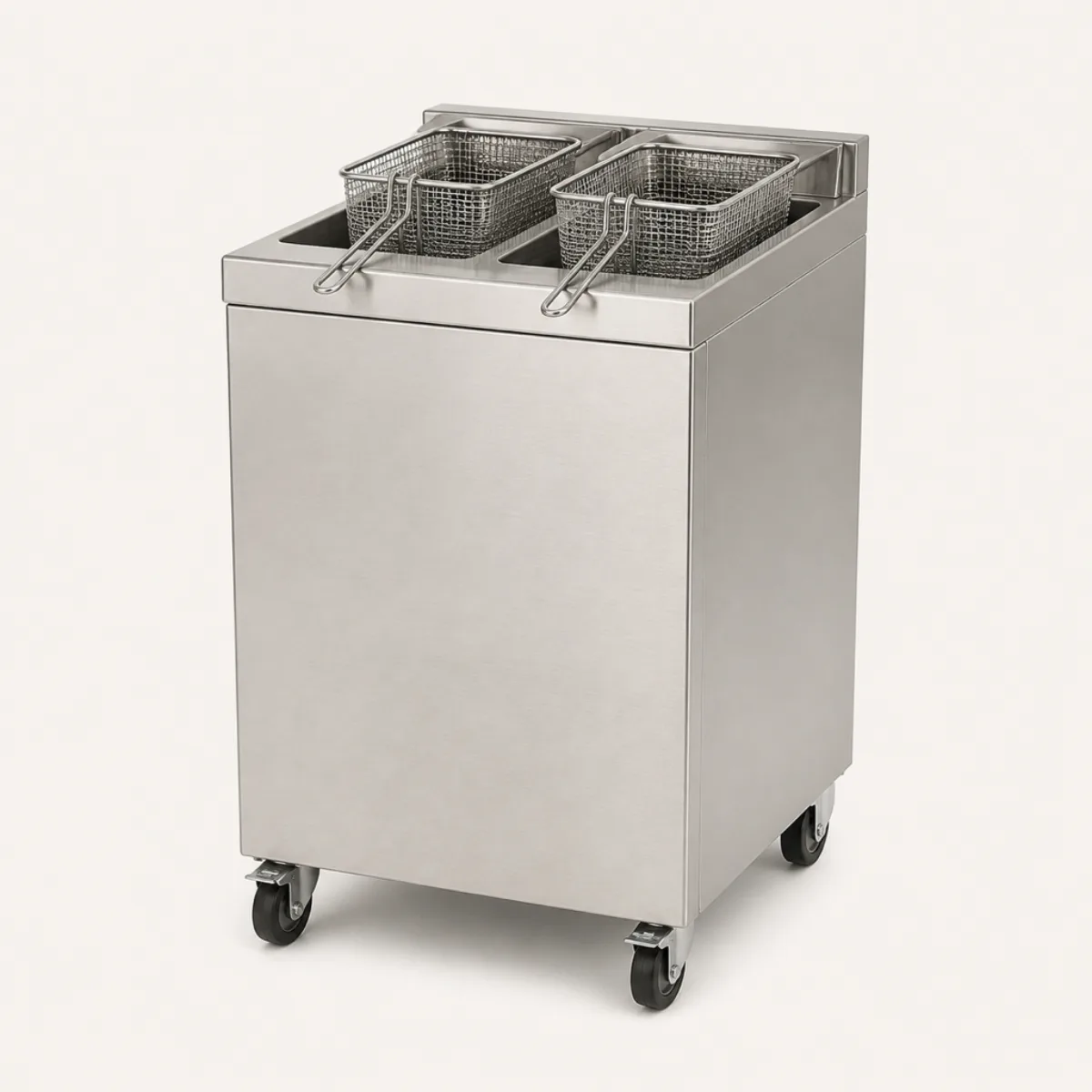
furniture:fryer
pal-charcoal · pal-steel
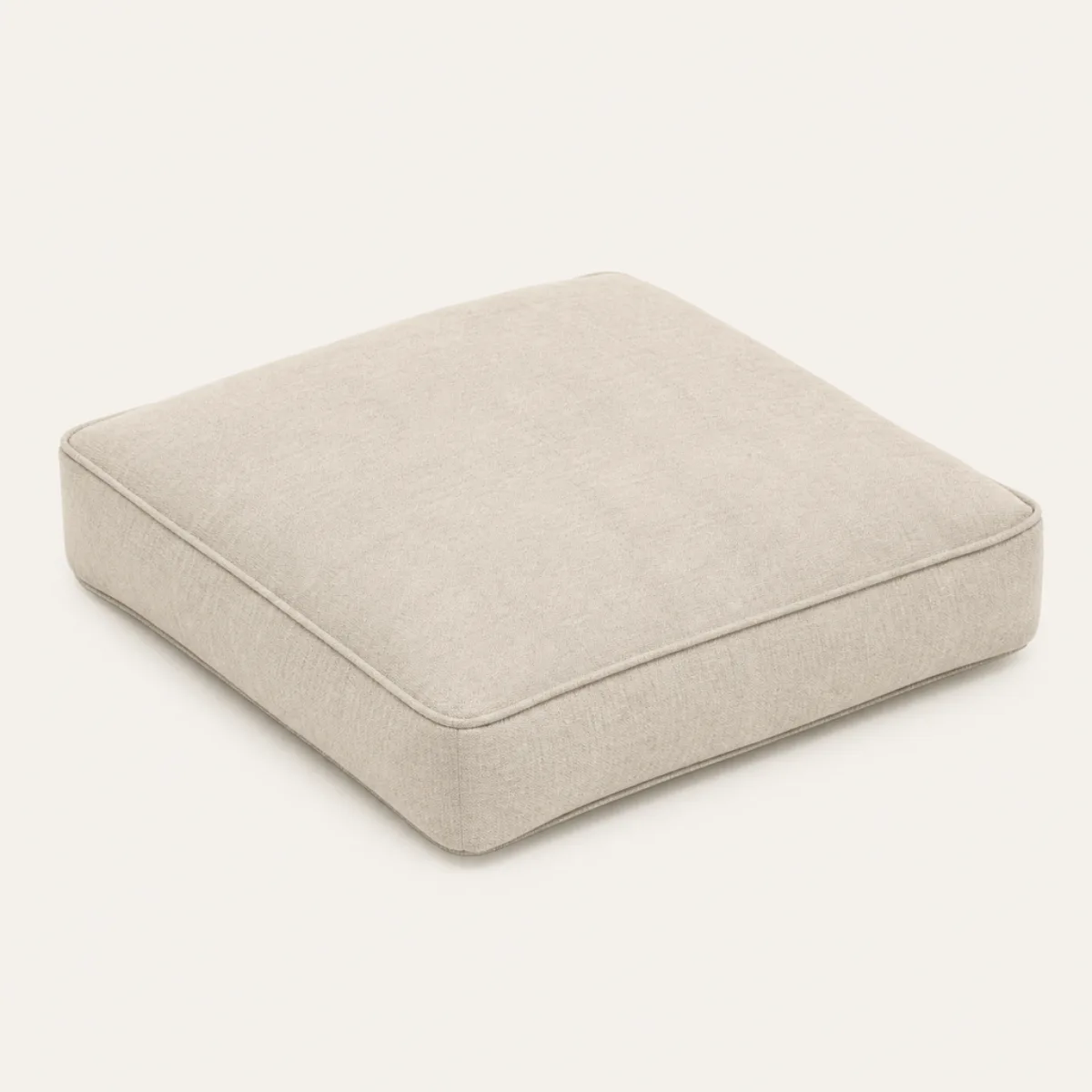
furniture:cushion
pack-int-linen-soft
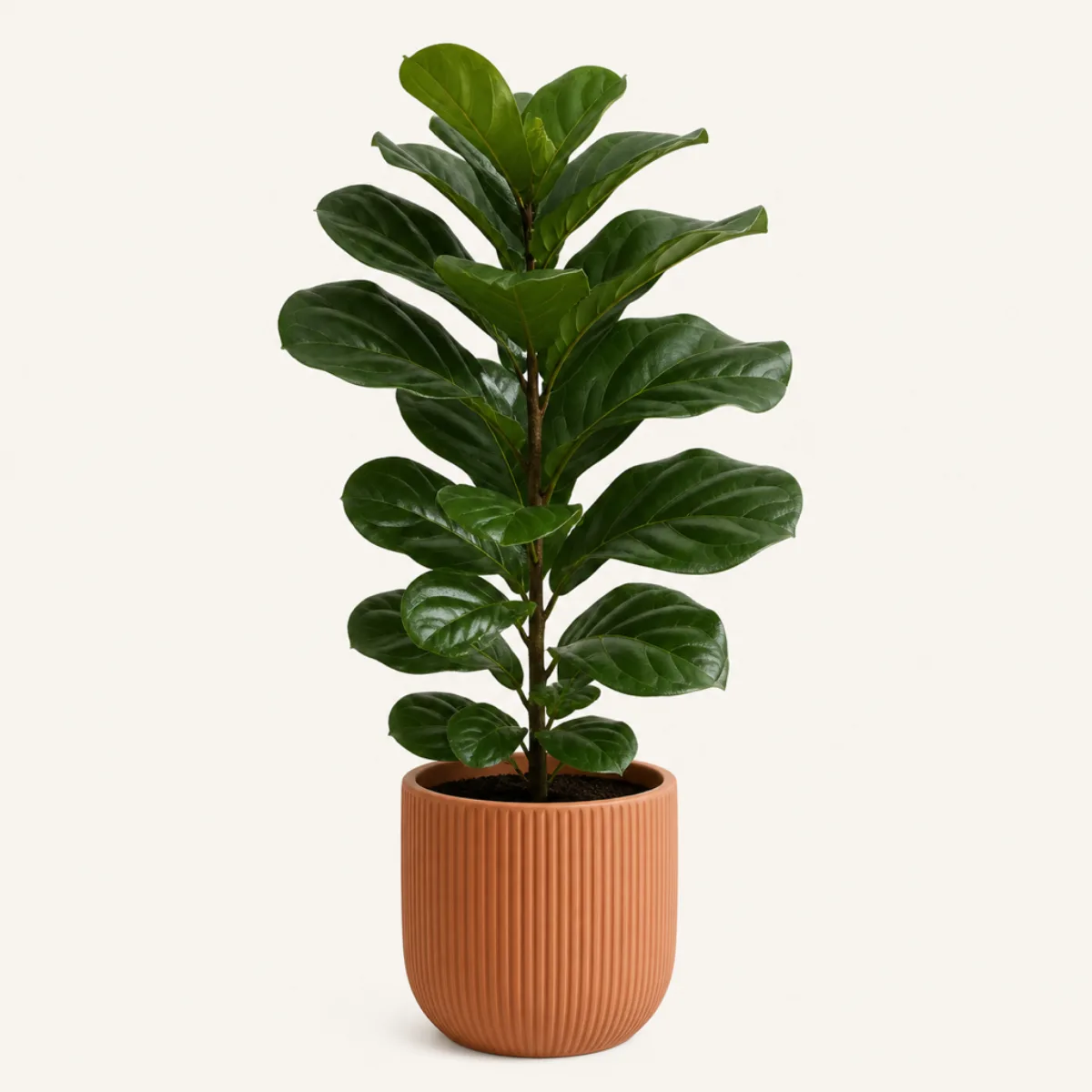
asset:interior-plant
pack-int-black · pack-int-oak · pack-int-plant-leaf-light · pal-leaf · pal-stone
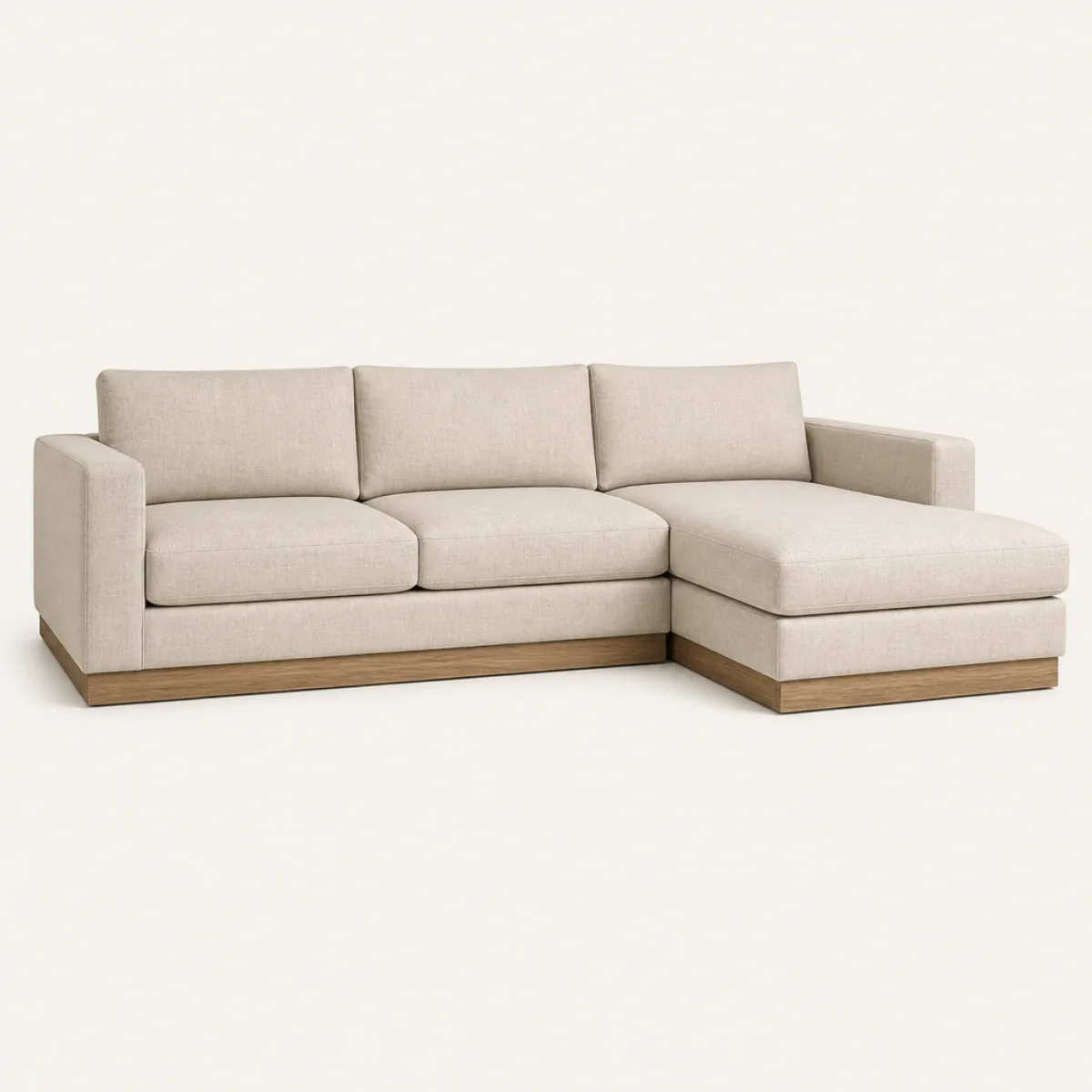
furniture:sectional
pack-int-upholstery-sand · pal-oak
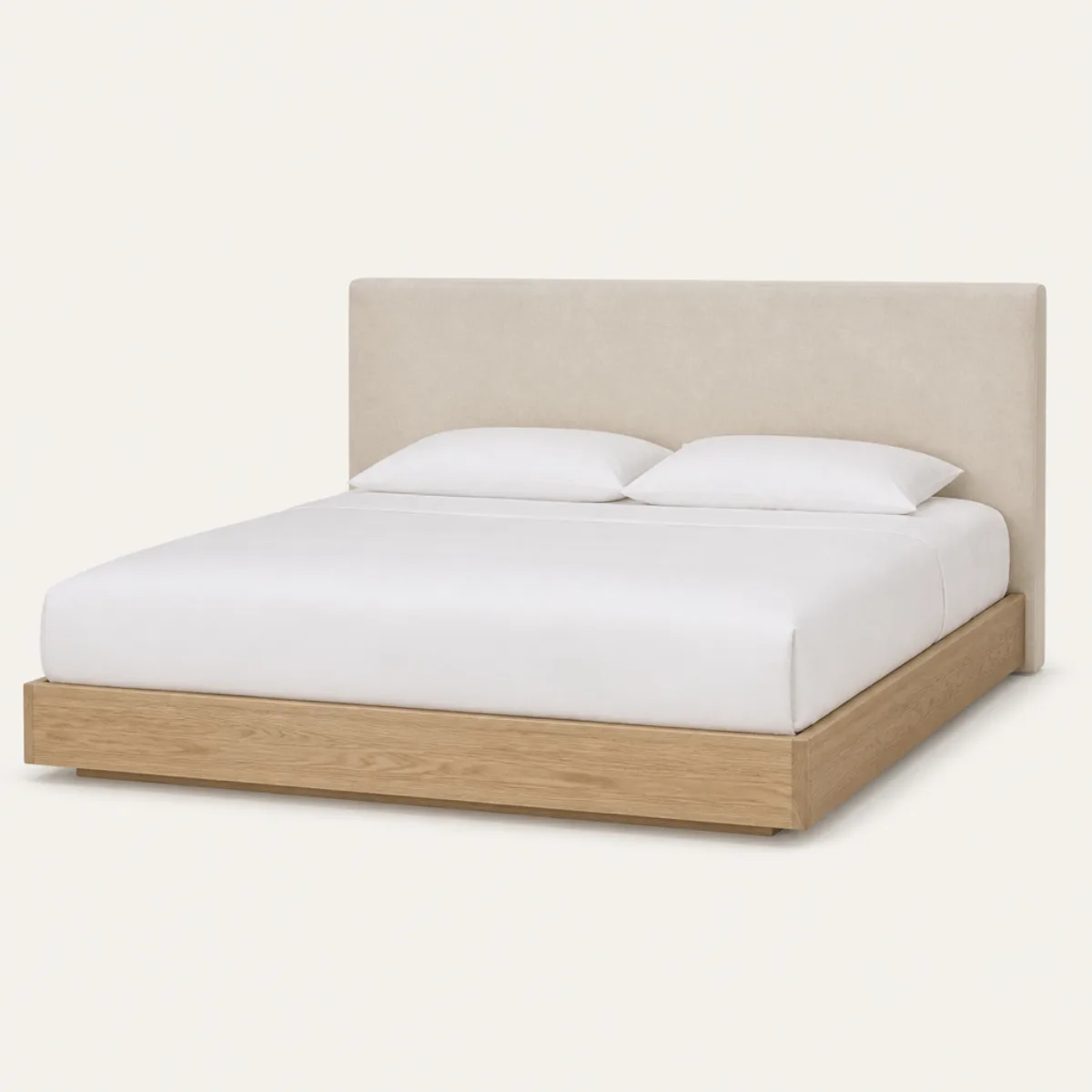
furniture:bed-king
pack-int-bedding-sand · pack-int-oak · pack-int-upholstery-sand
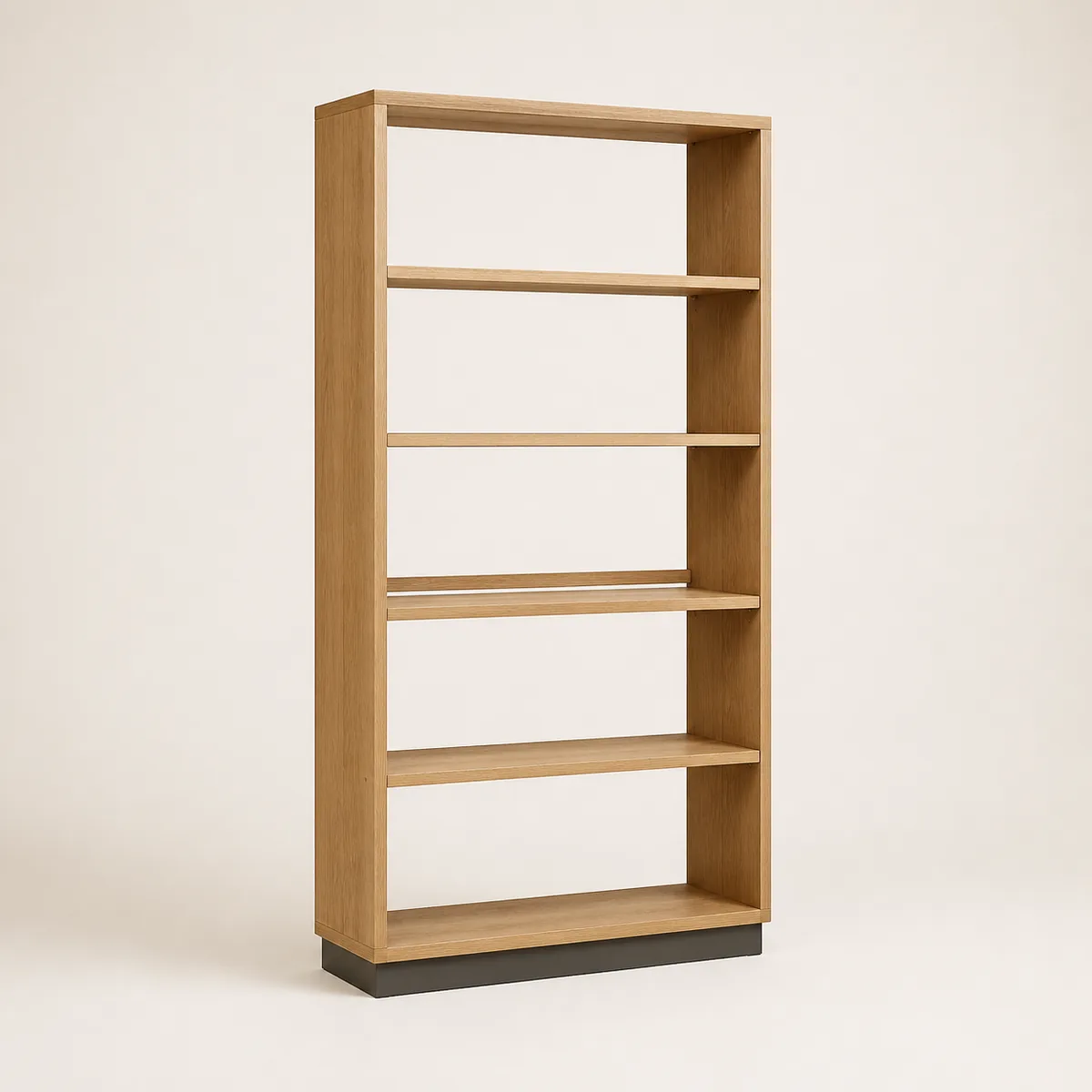
furniture:bookcase
pal-charcoal · pal-oak
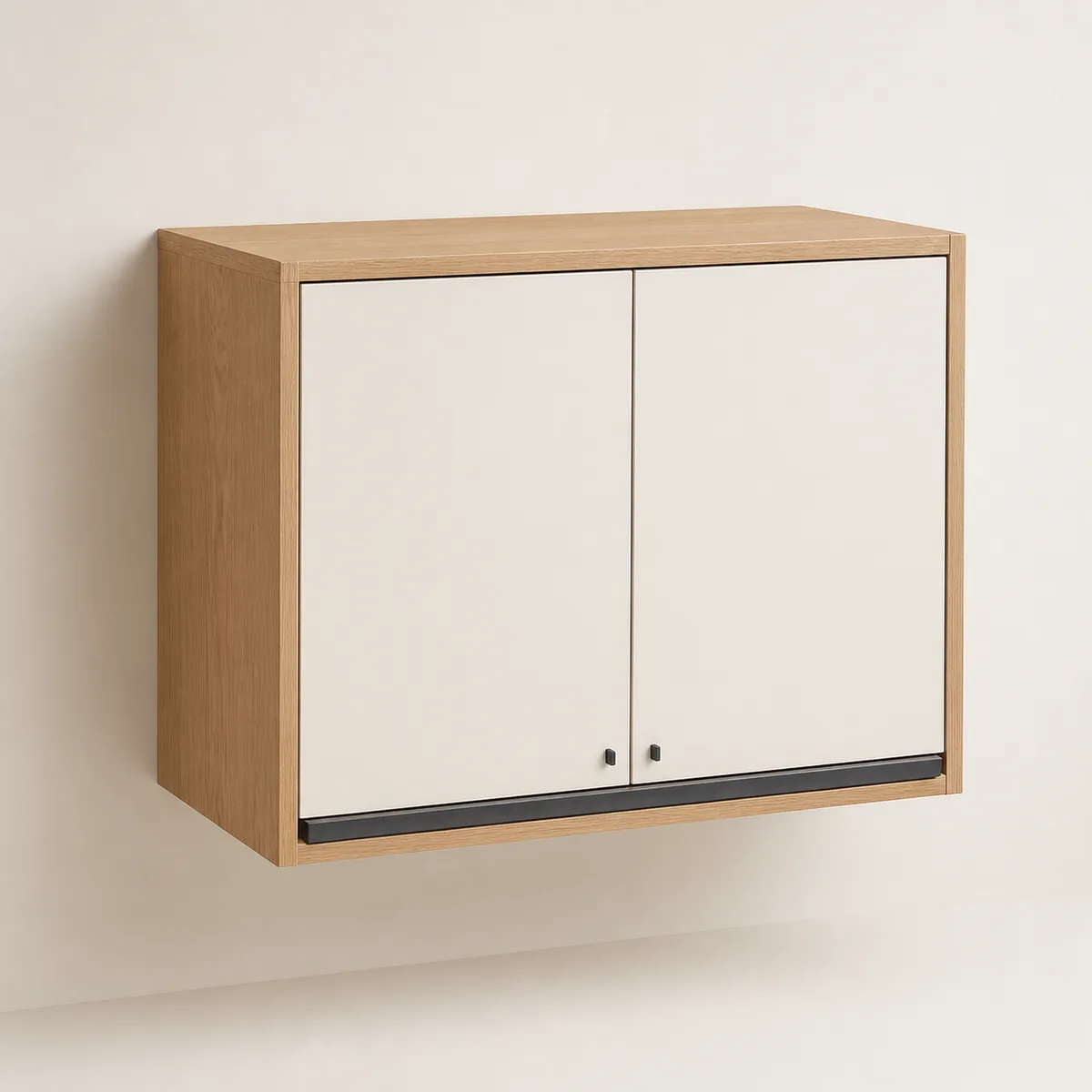
furniture:wall-cabinet
pal-oak · pal-off-white · pal-steel-dark
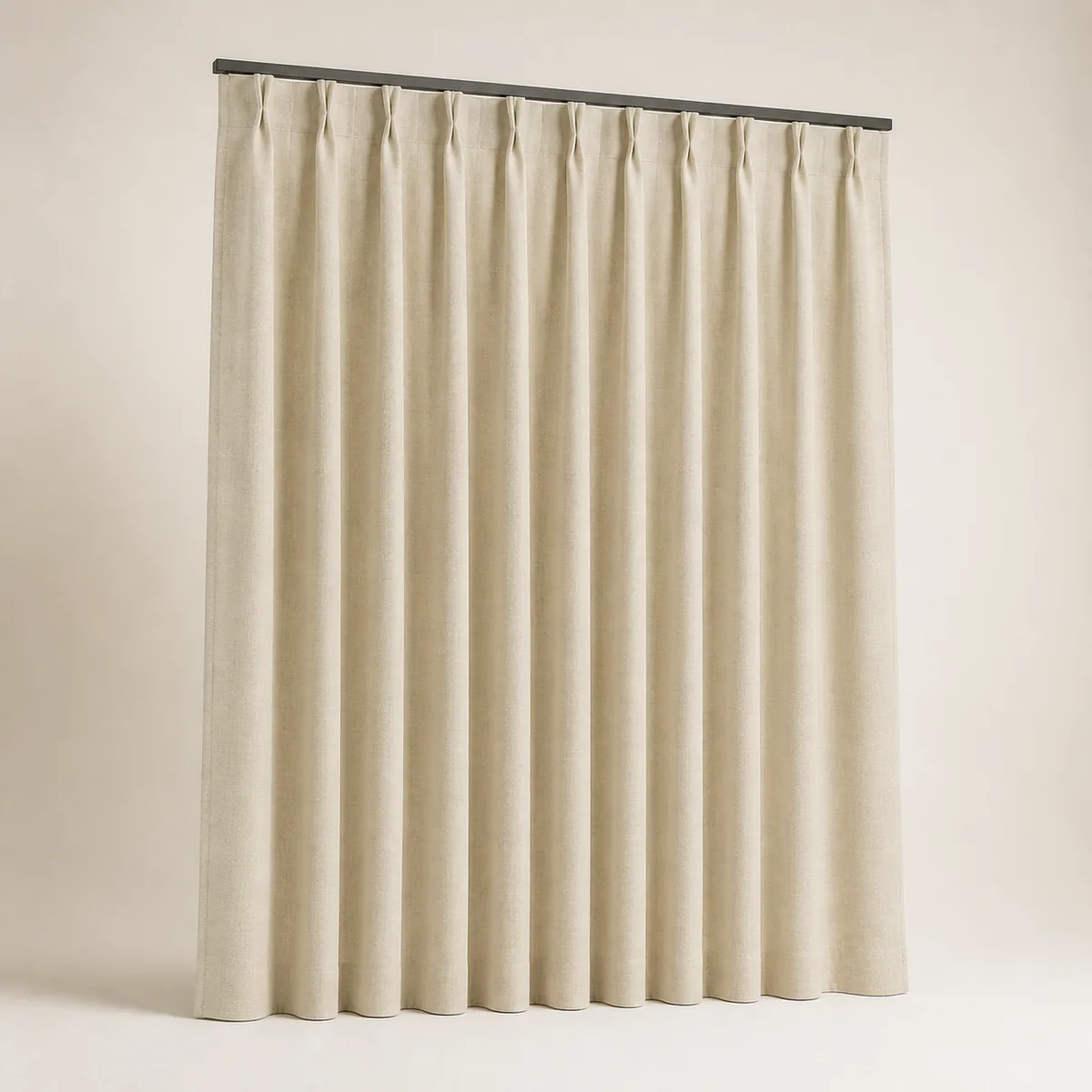
asset:curtain
pack-int-drape · pal-steel-dark
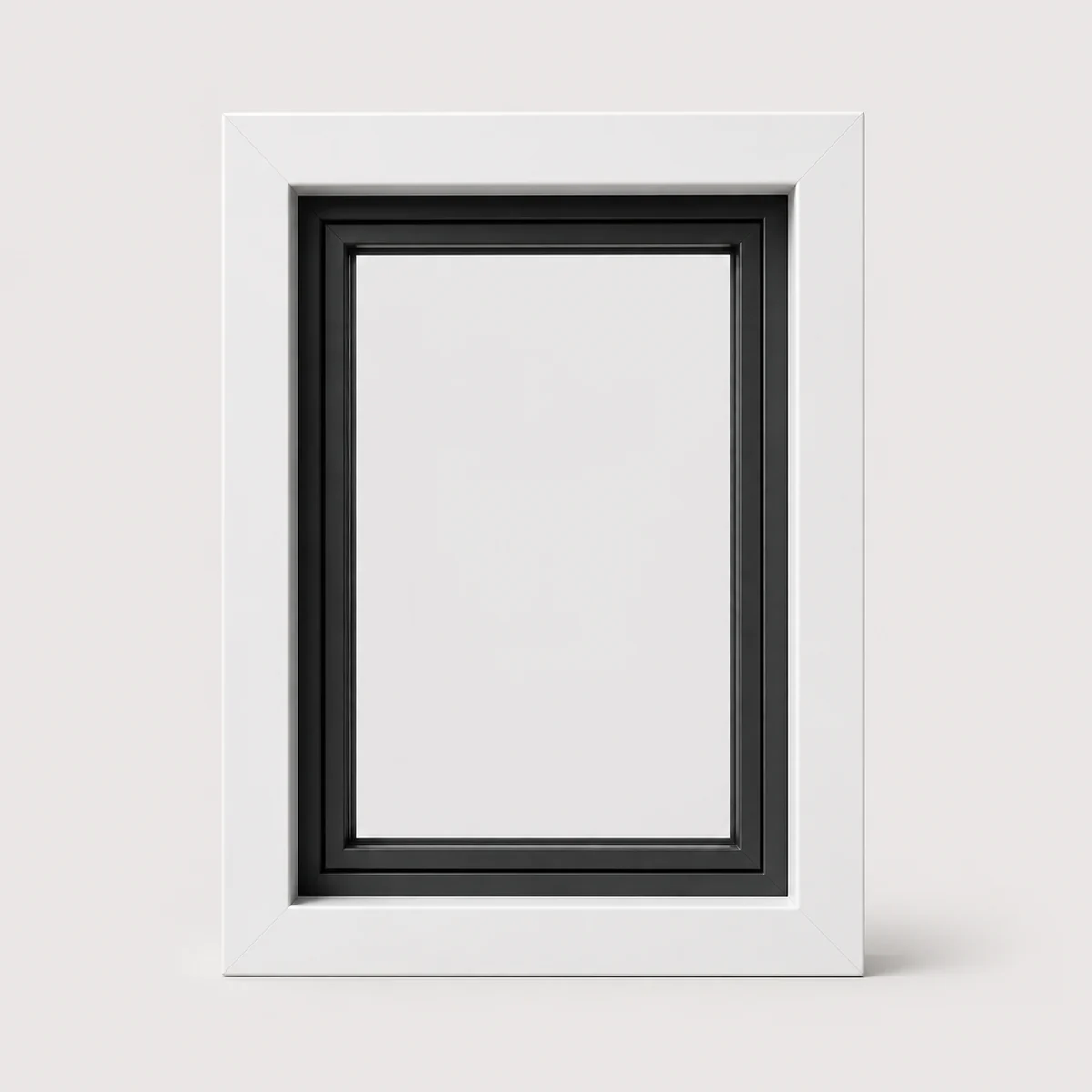
opening:window
pack-opening-glass · pal-steel-dark · pal-white
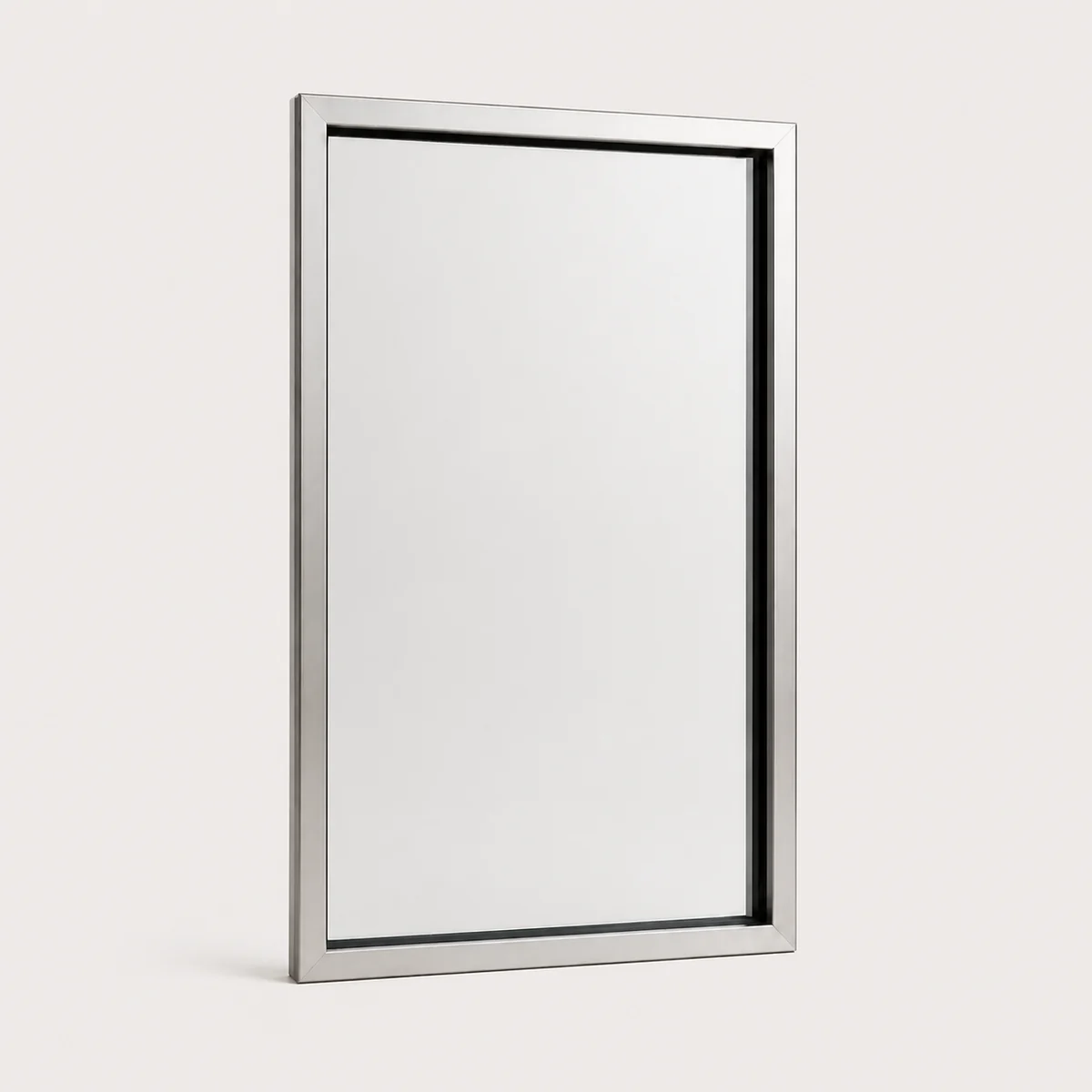
opening:fixed
pack-opening-glass · pal-steel · pal-steel-dark
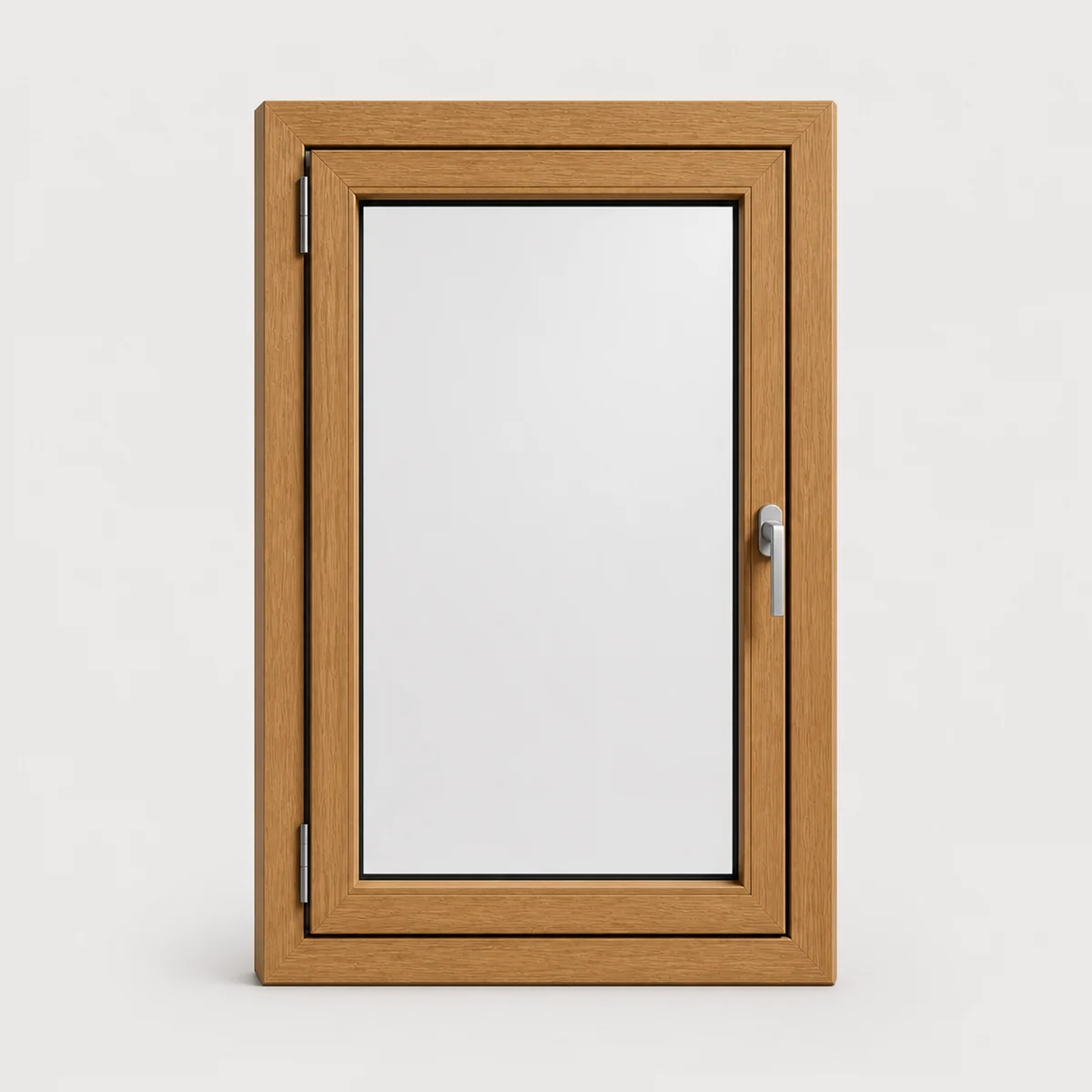
opening:operable
pack-opening-glass · pack-opening-oak · pal-steel
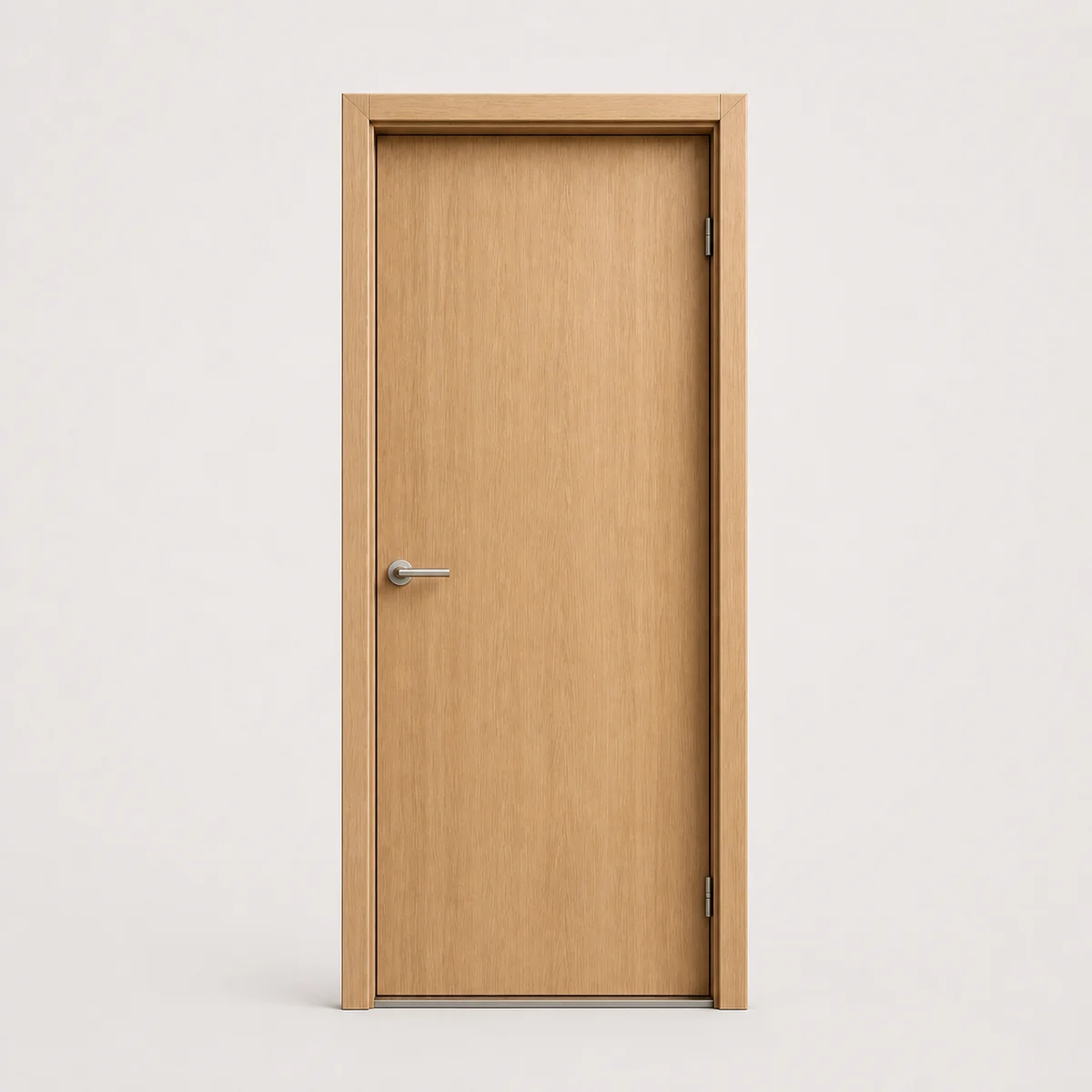
opening:door
pack-opening-oak · pal-steel
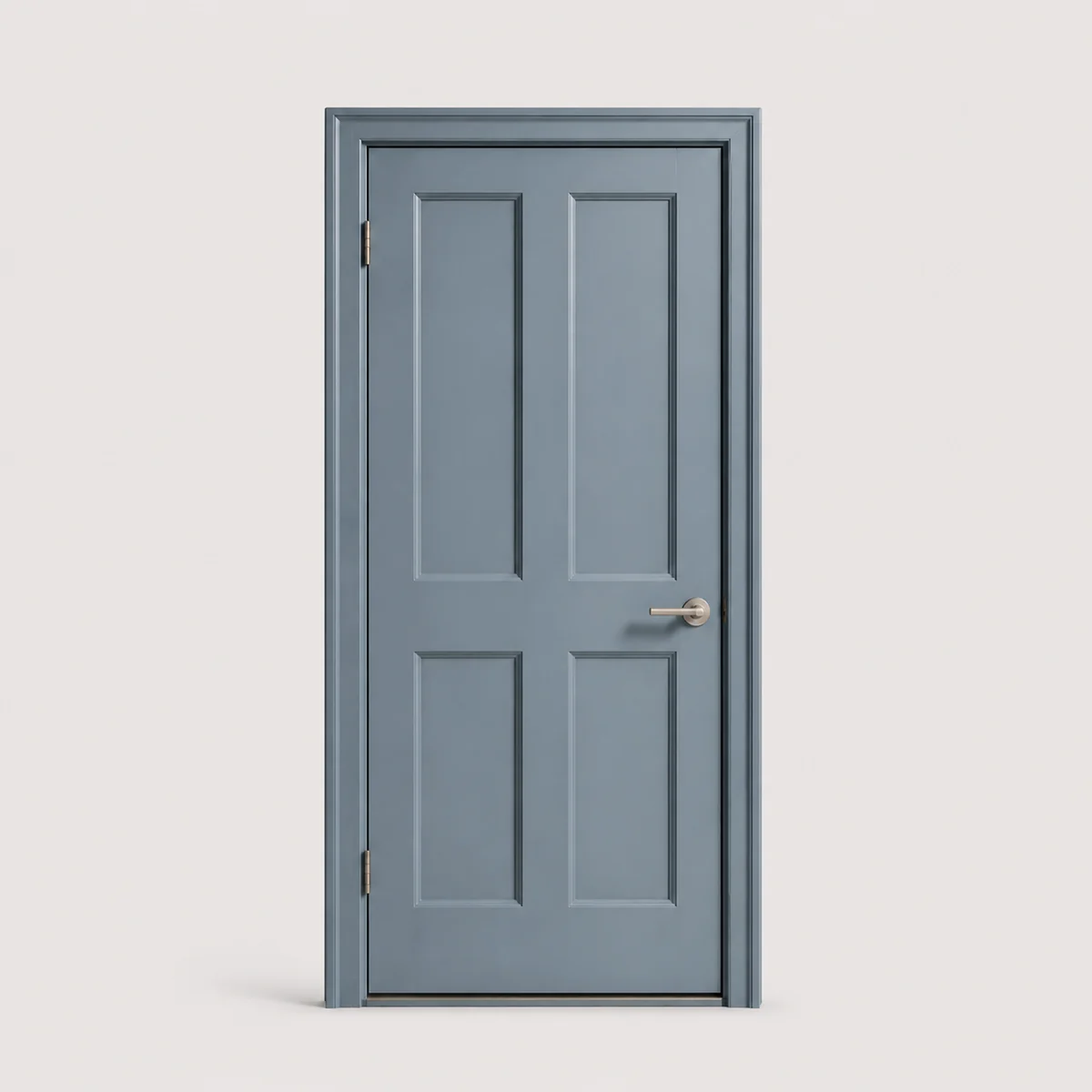
opening:swing
pack-opening-blue · pal-steel · pal-steel-dark · pal-white
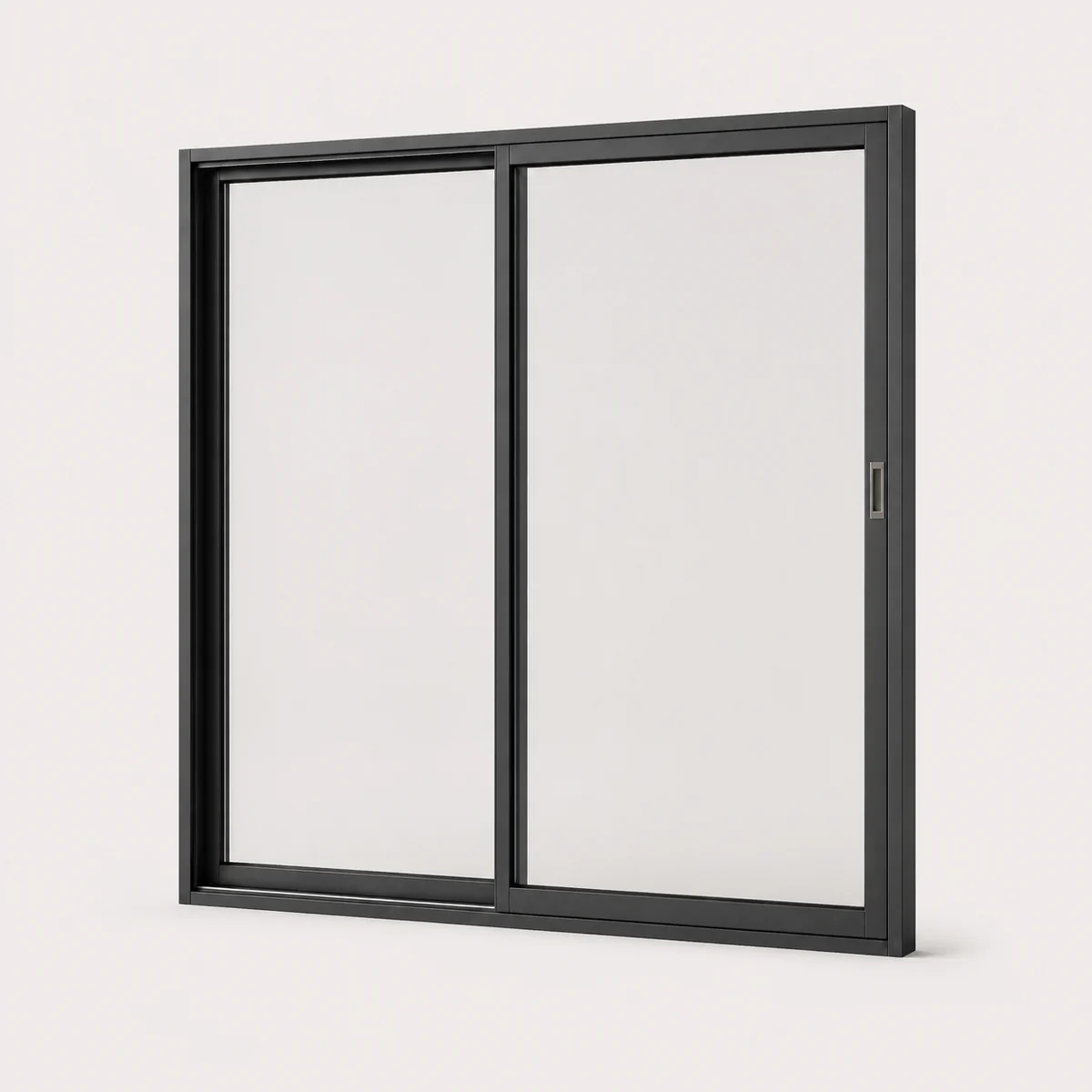
opening:sliding
pack-opening-glass · pal-steel · pal-steel-dark
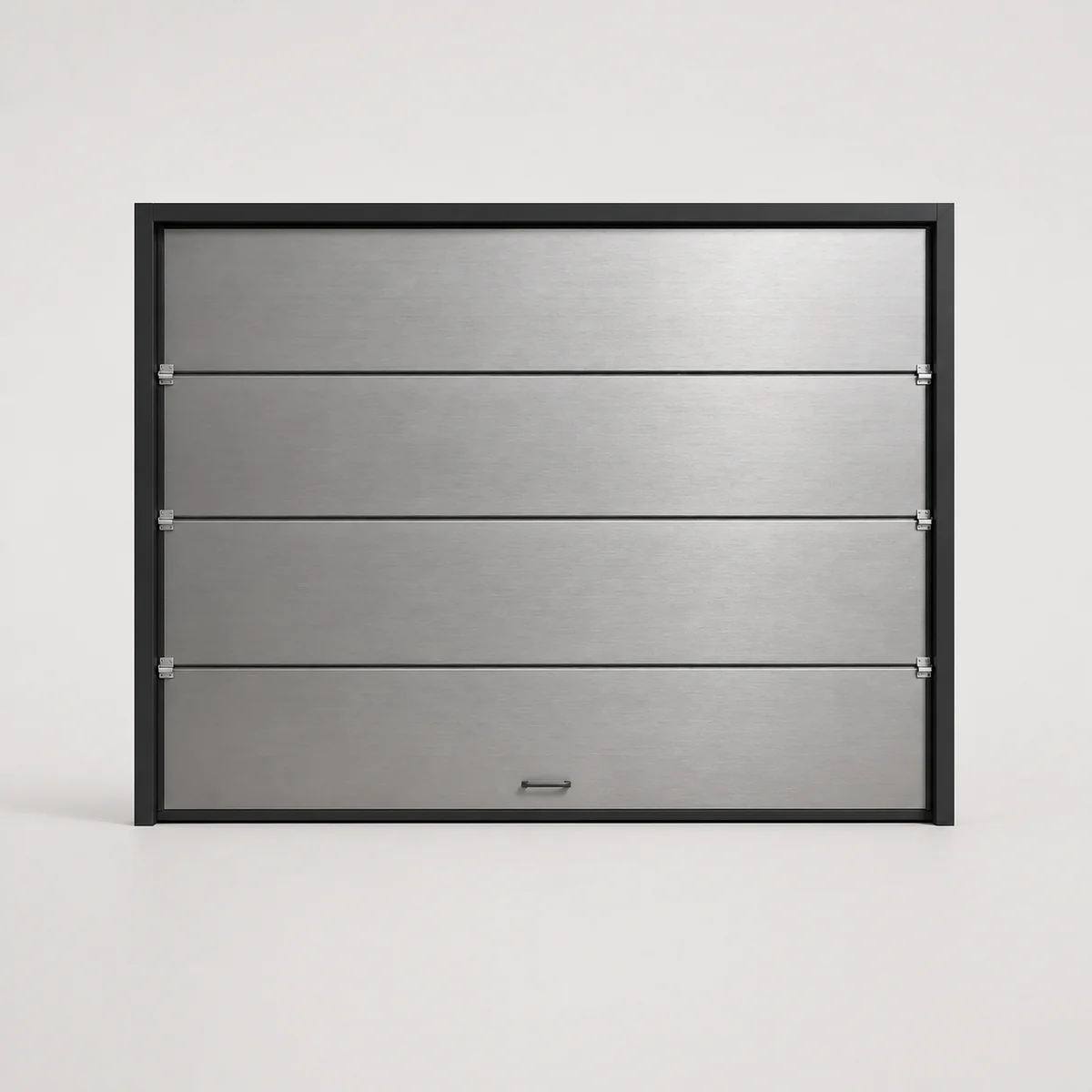
opening:overhead
pal-steel · pal-steel-dark
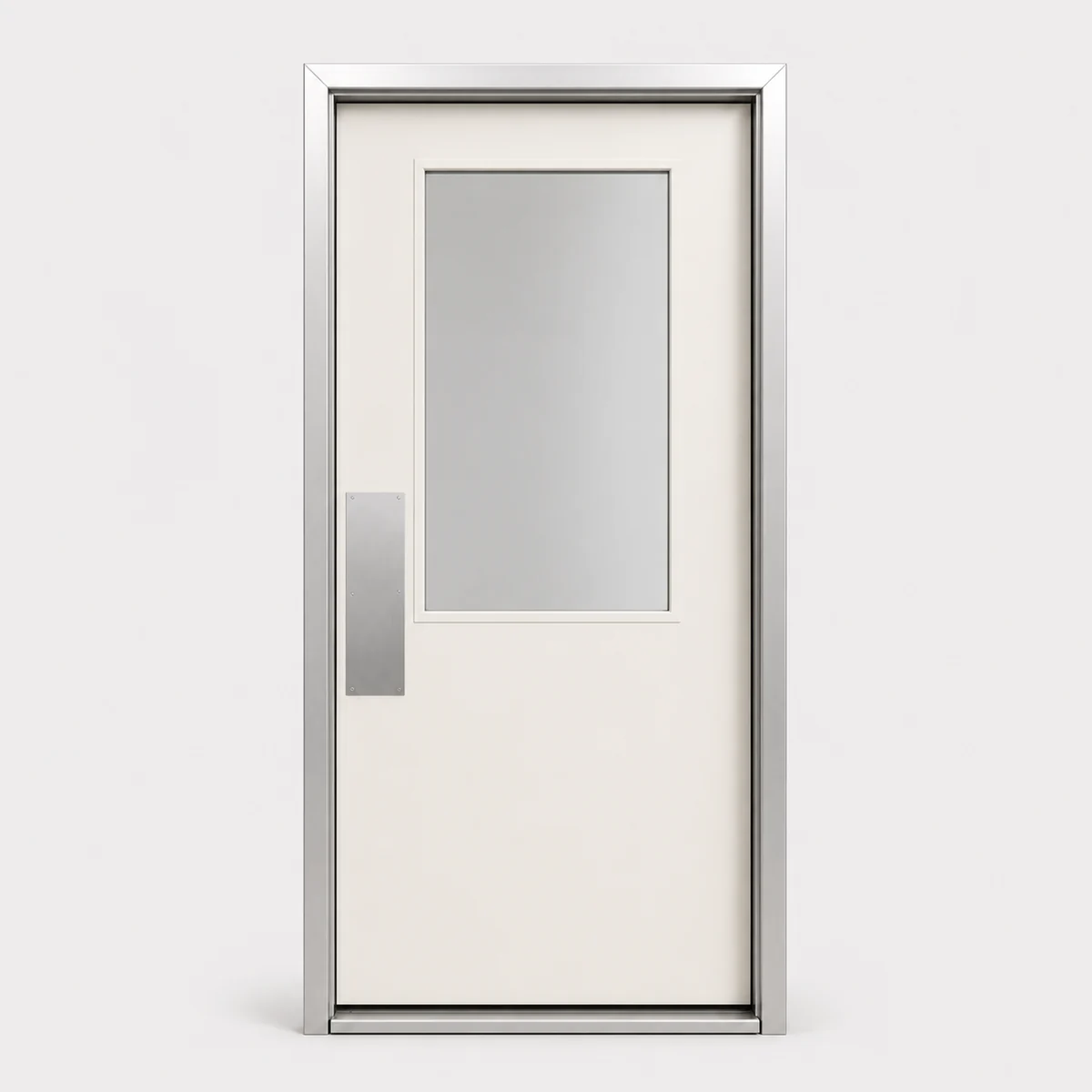
opening:double-acting
pack-opening-glass · pal-off-white · pal-steel

asset:car
4 finishes

asset:car-suv
2 finishes
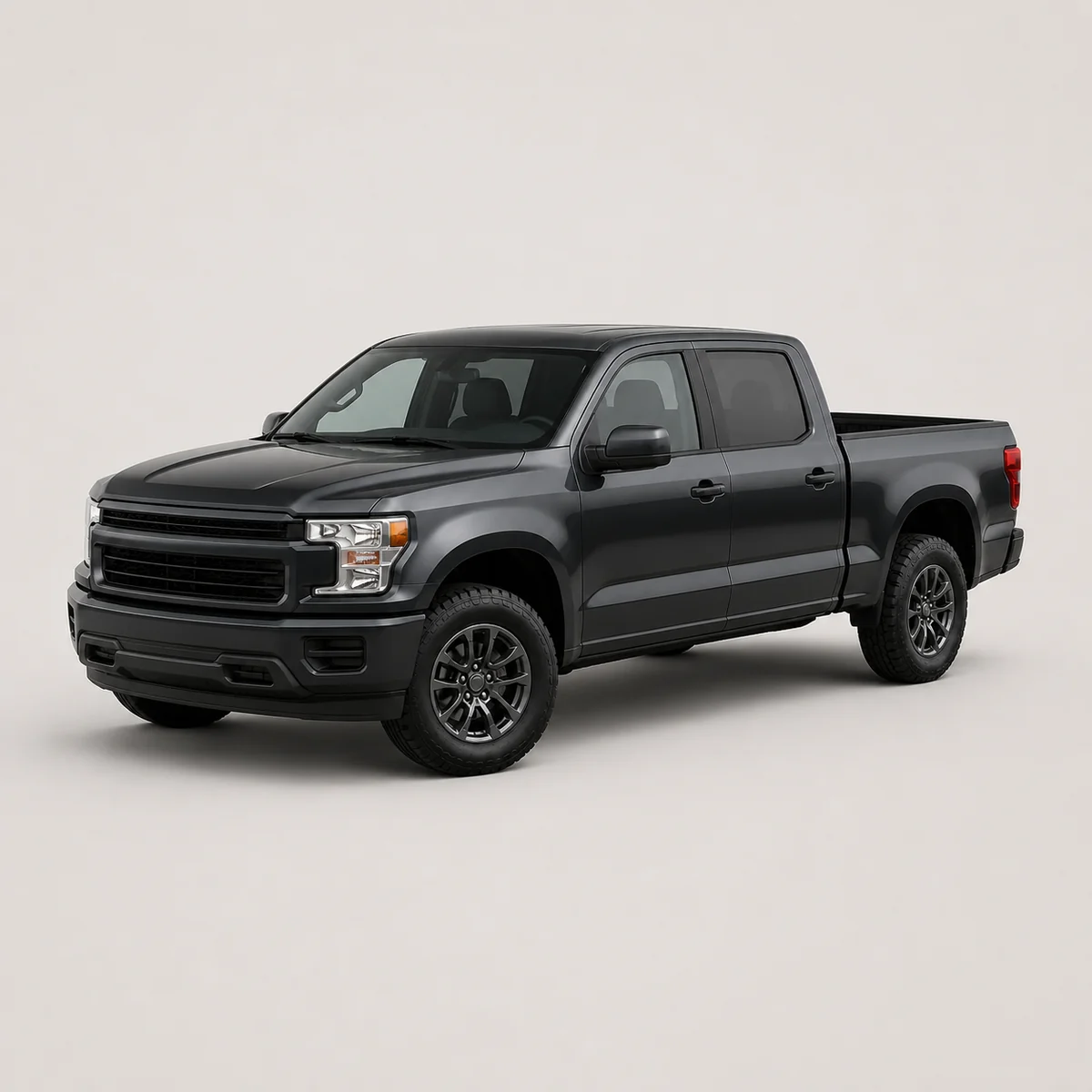
asset:pickup
2 finishes
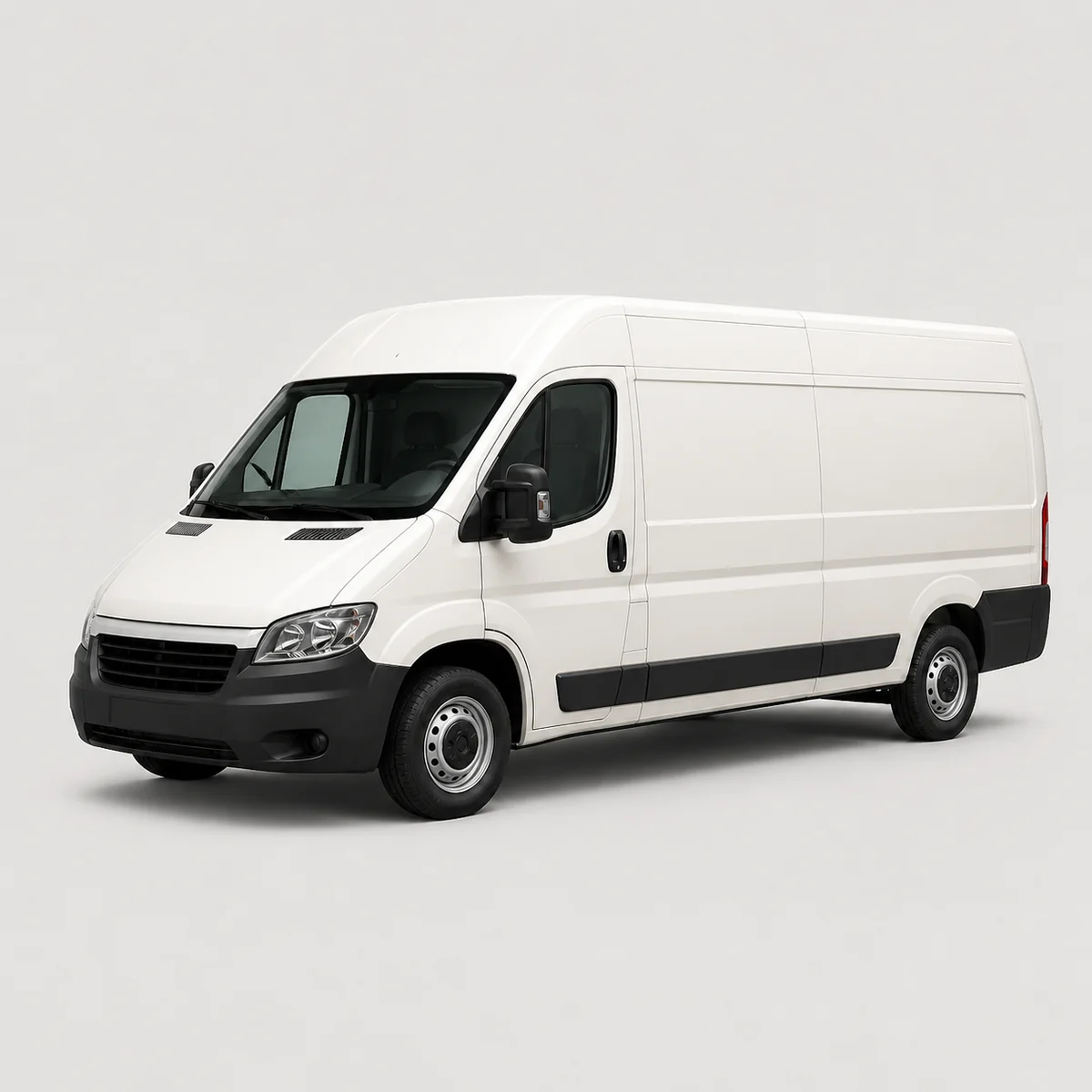
asset:van
pack-car-glass · pack-car-graphite · pack-car-white · pack-head-lamp · pack-tail-lamp · pal-steel · pal-steel-dark
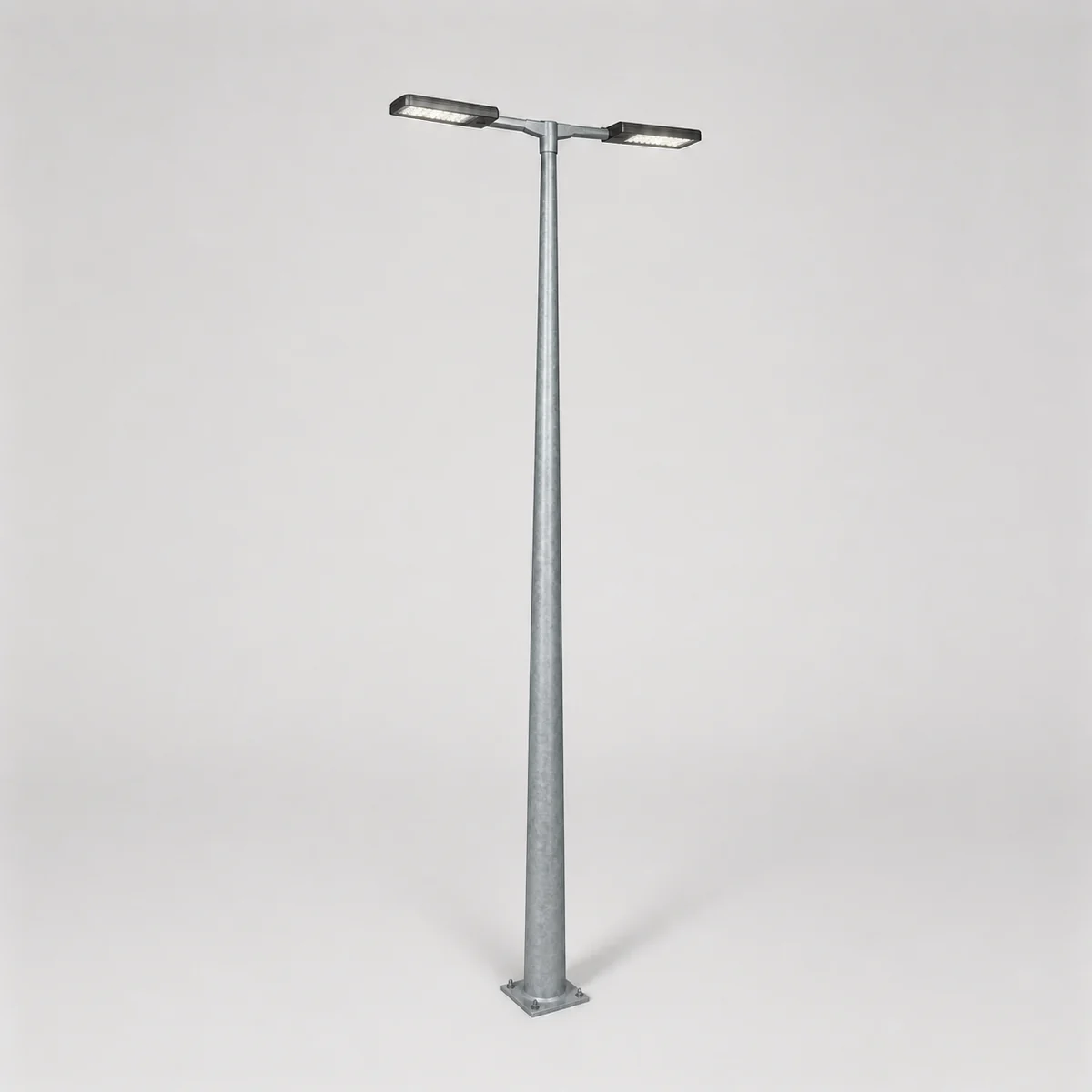
asset:light-column
2 finishes
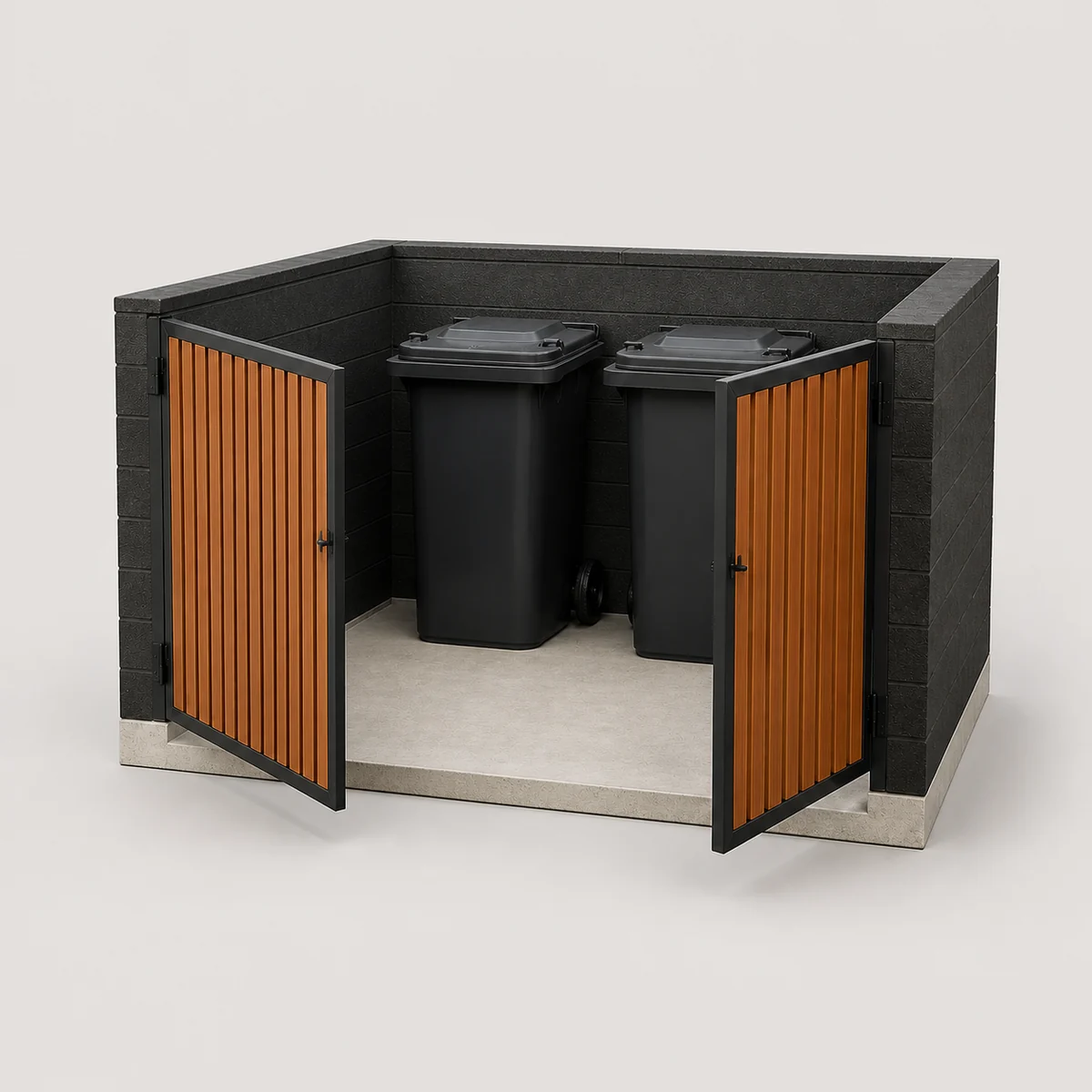
asset:refuse-enclosure
2 finishes
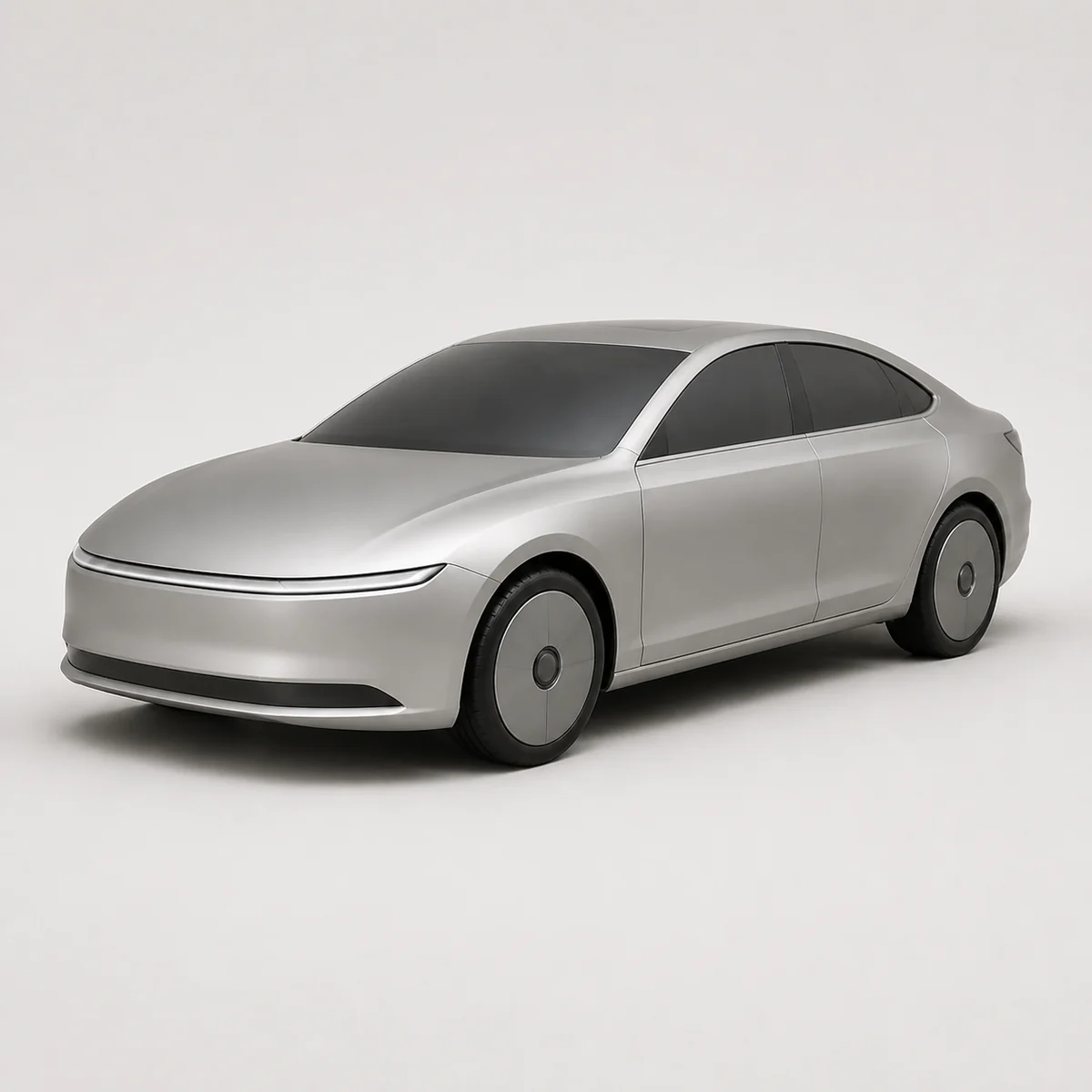
asset:car
4 finishes
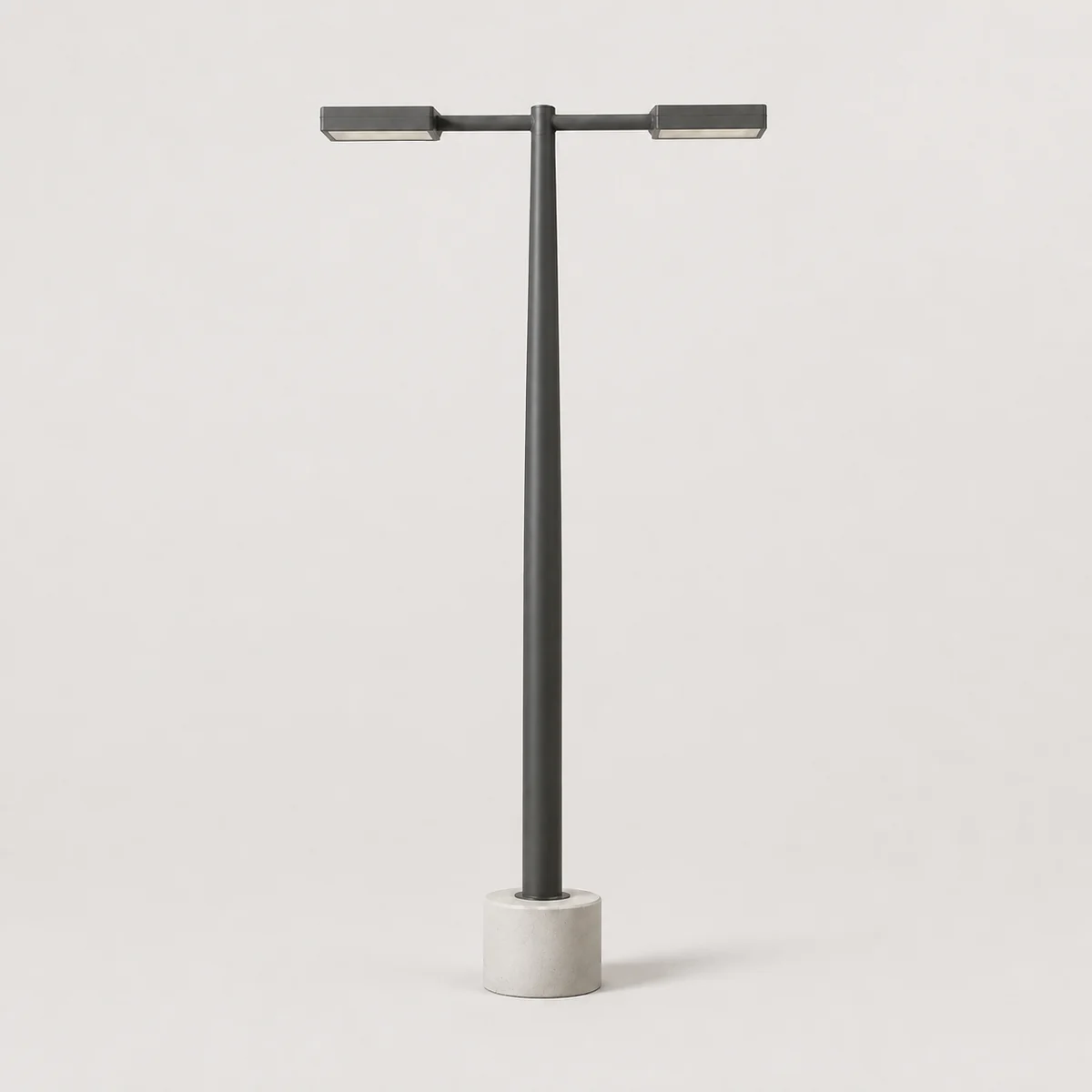
asset:light-column
2 finishes
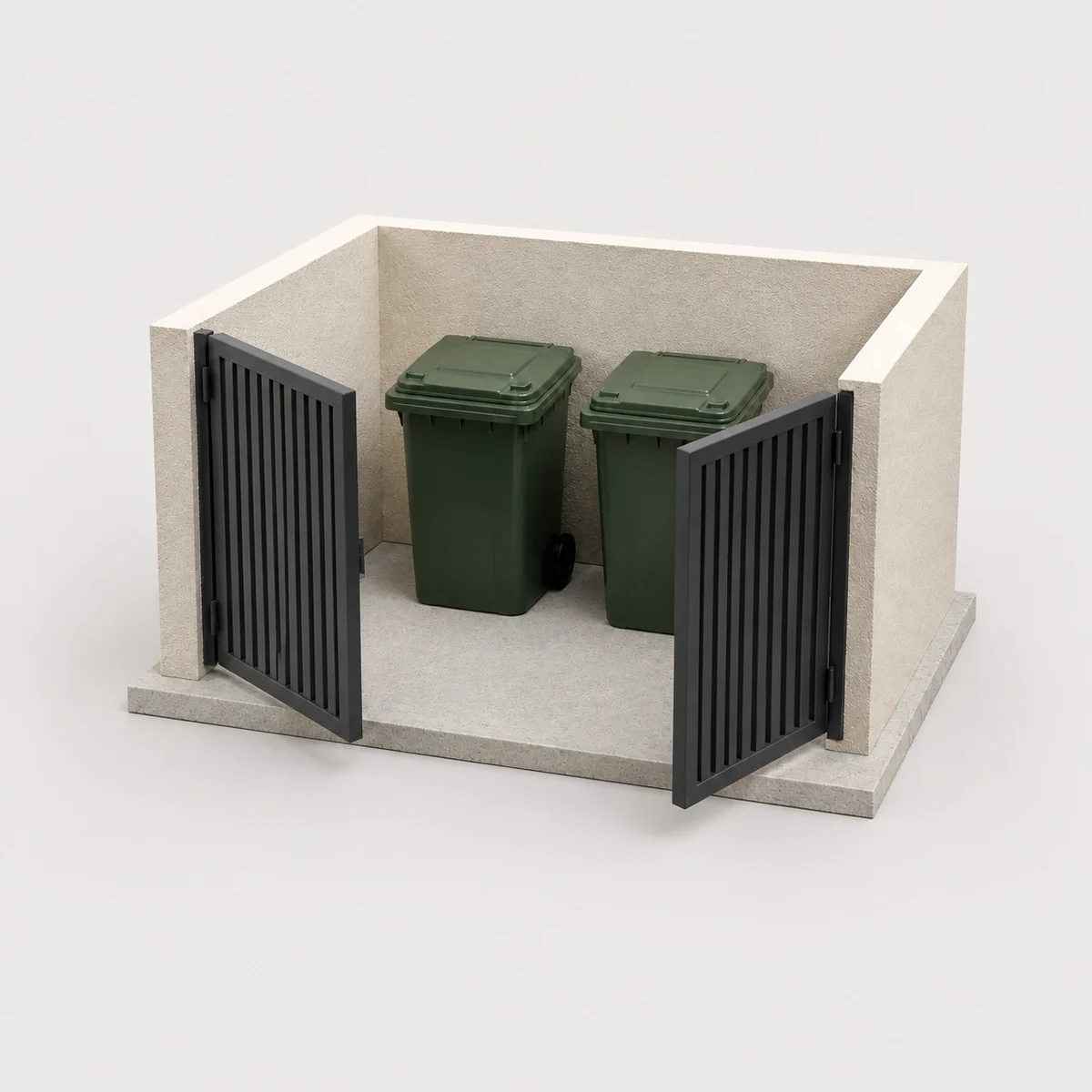
asset:refuse-enclosure
2 finishes
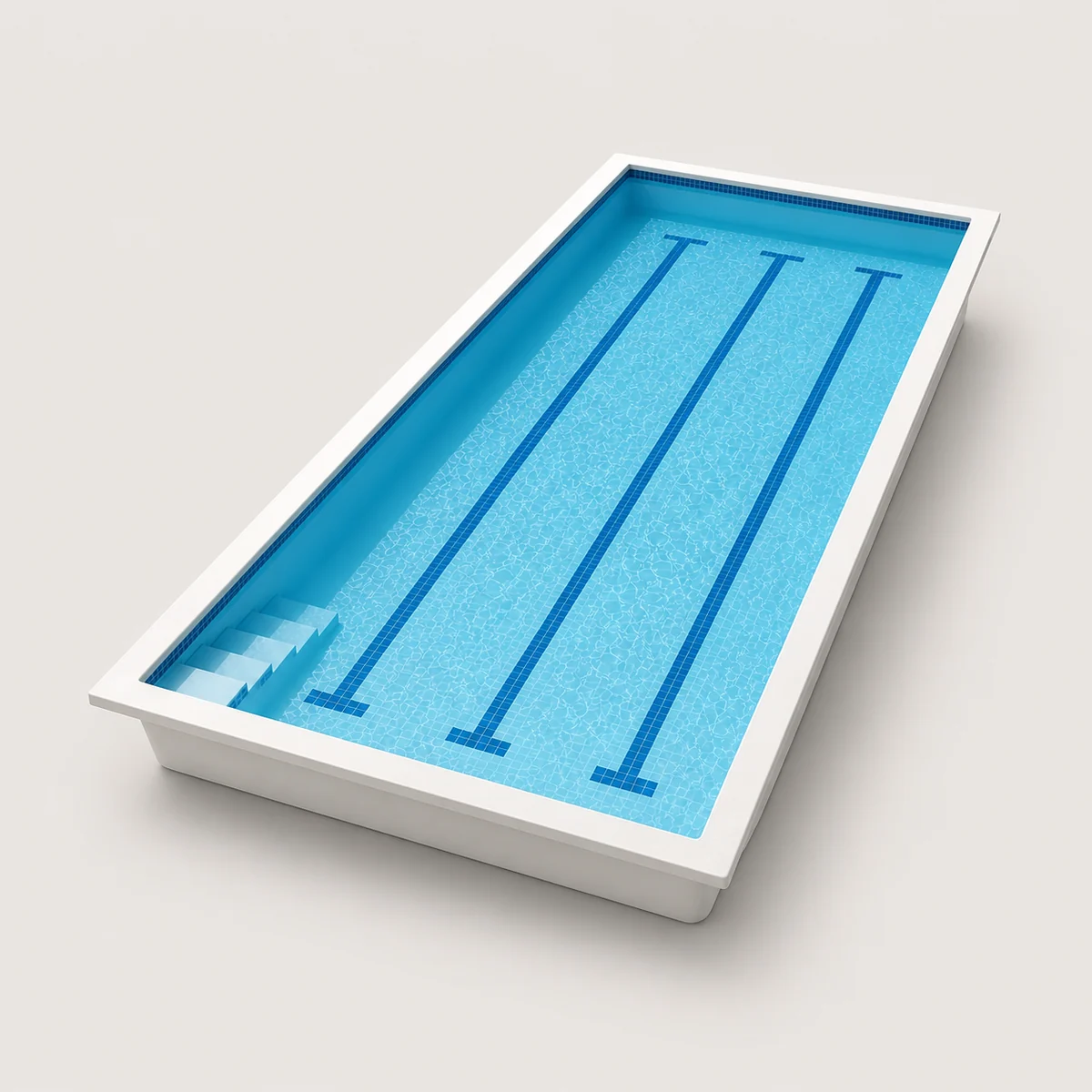
pool
2 finishes
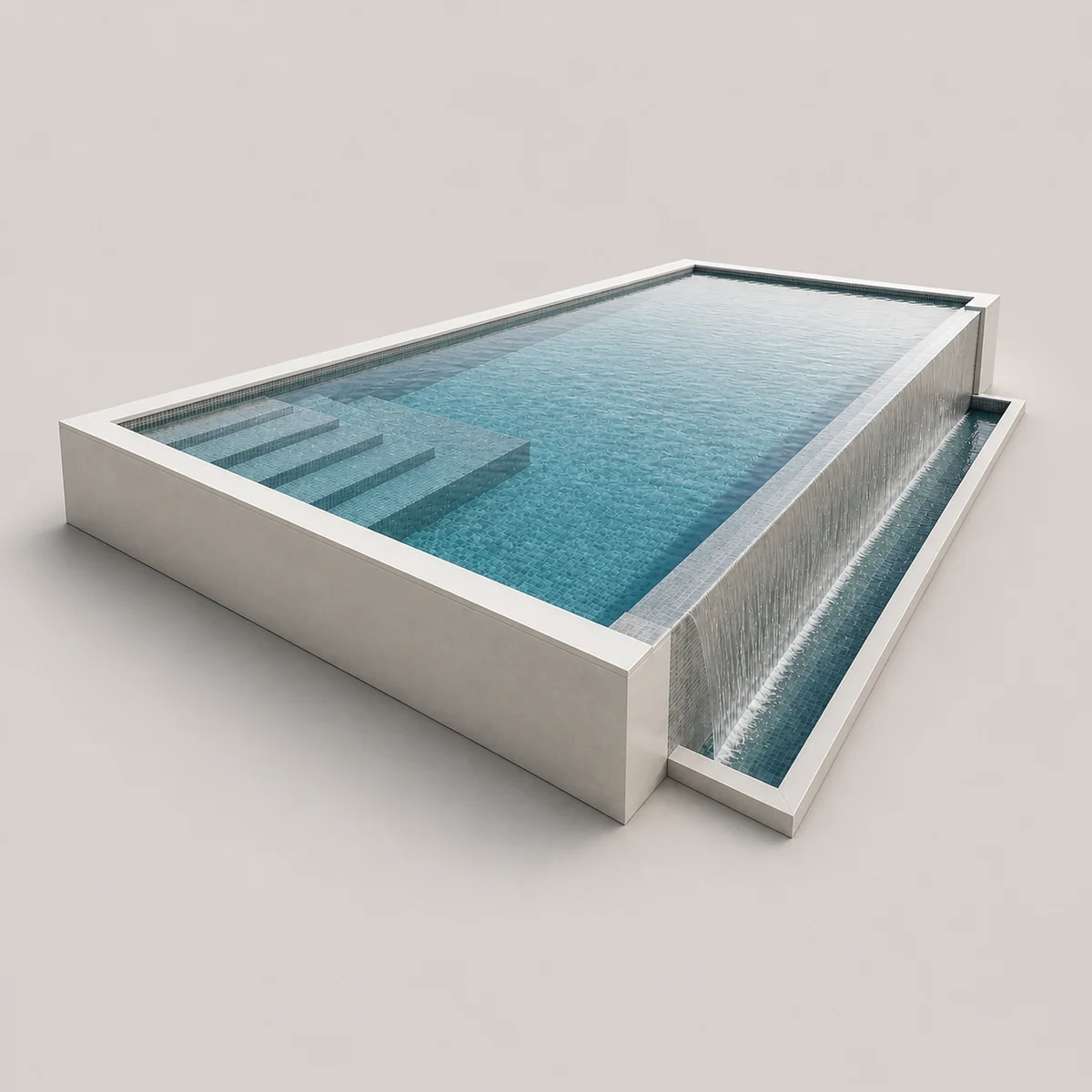
pool
pack-pool-tile · pack-pool-water · pal-off-white · pal-stone
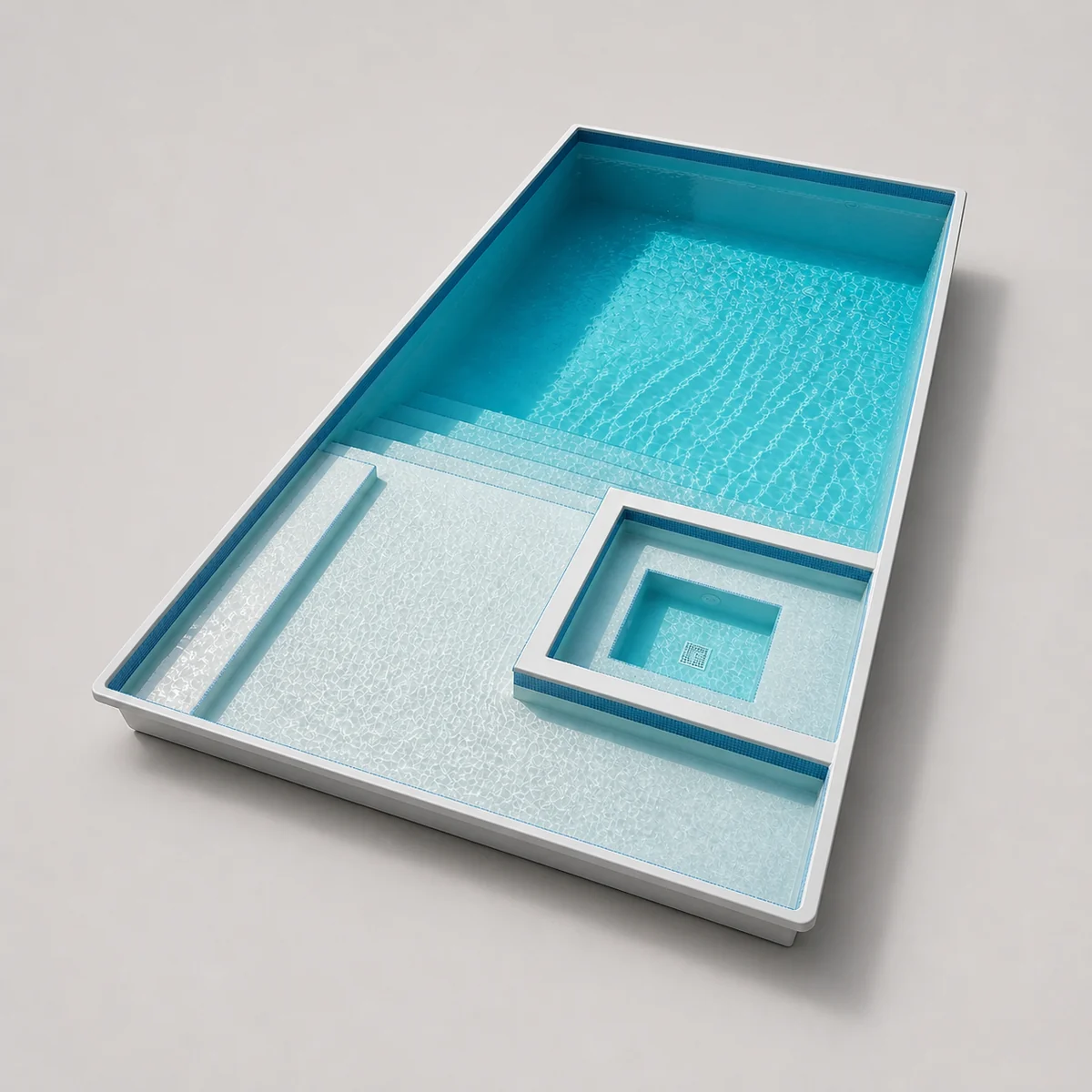
pool
2 finishes
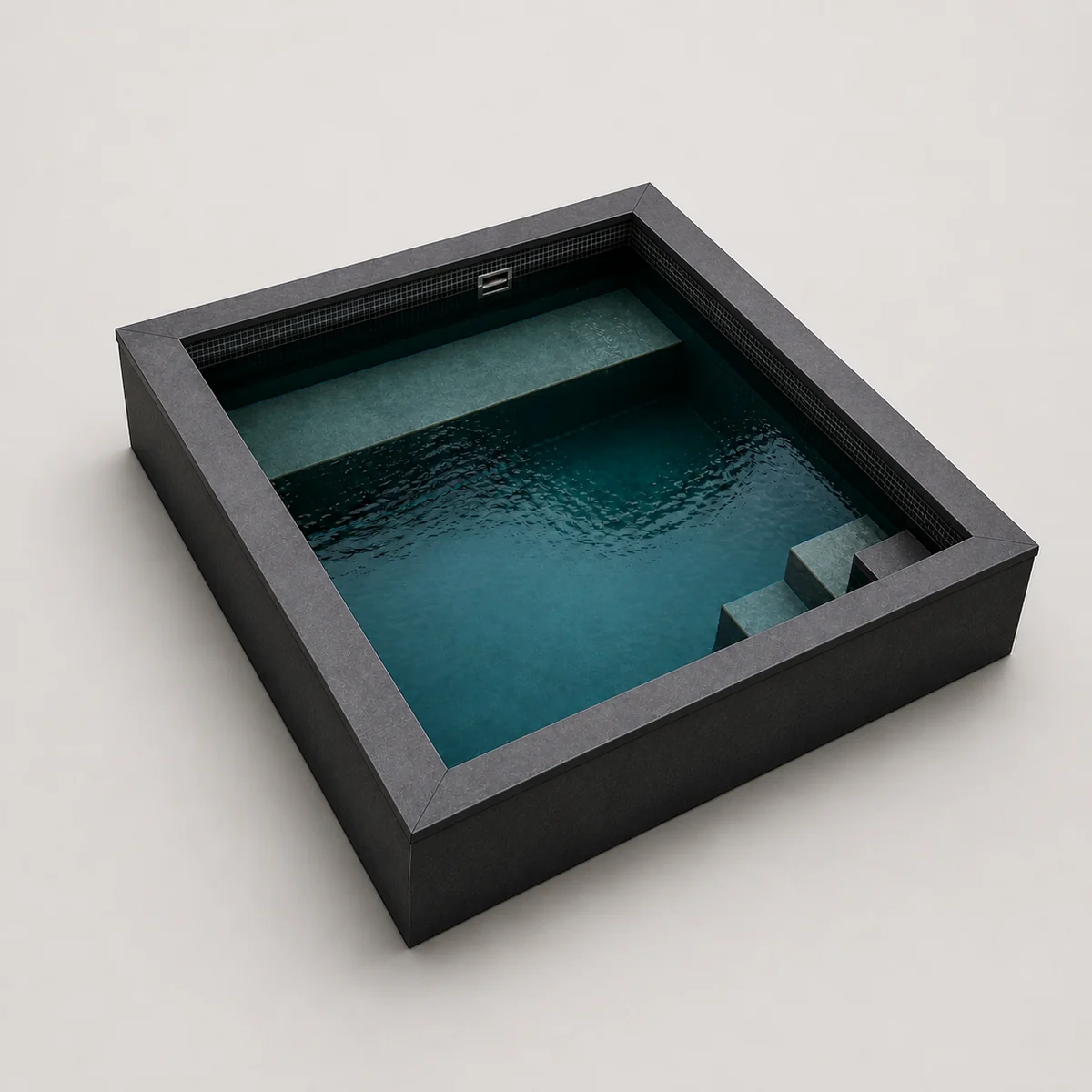
pool
2 finishes
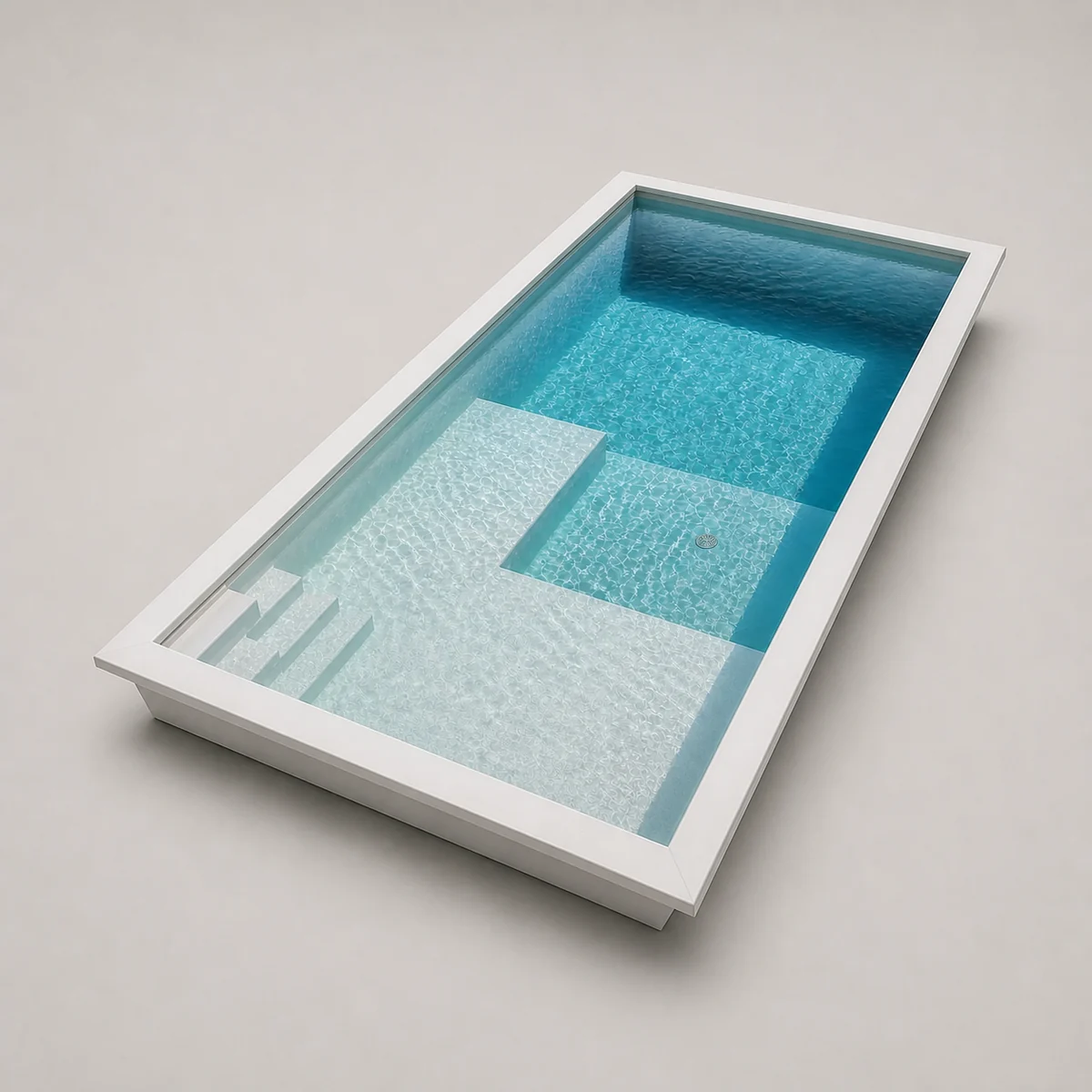
pool
pack-pool-tile · pack-pool-water · pal-grey · pal-off-white · pal-stone
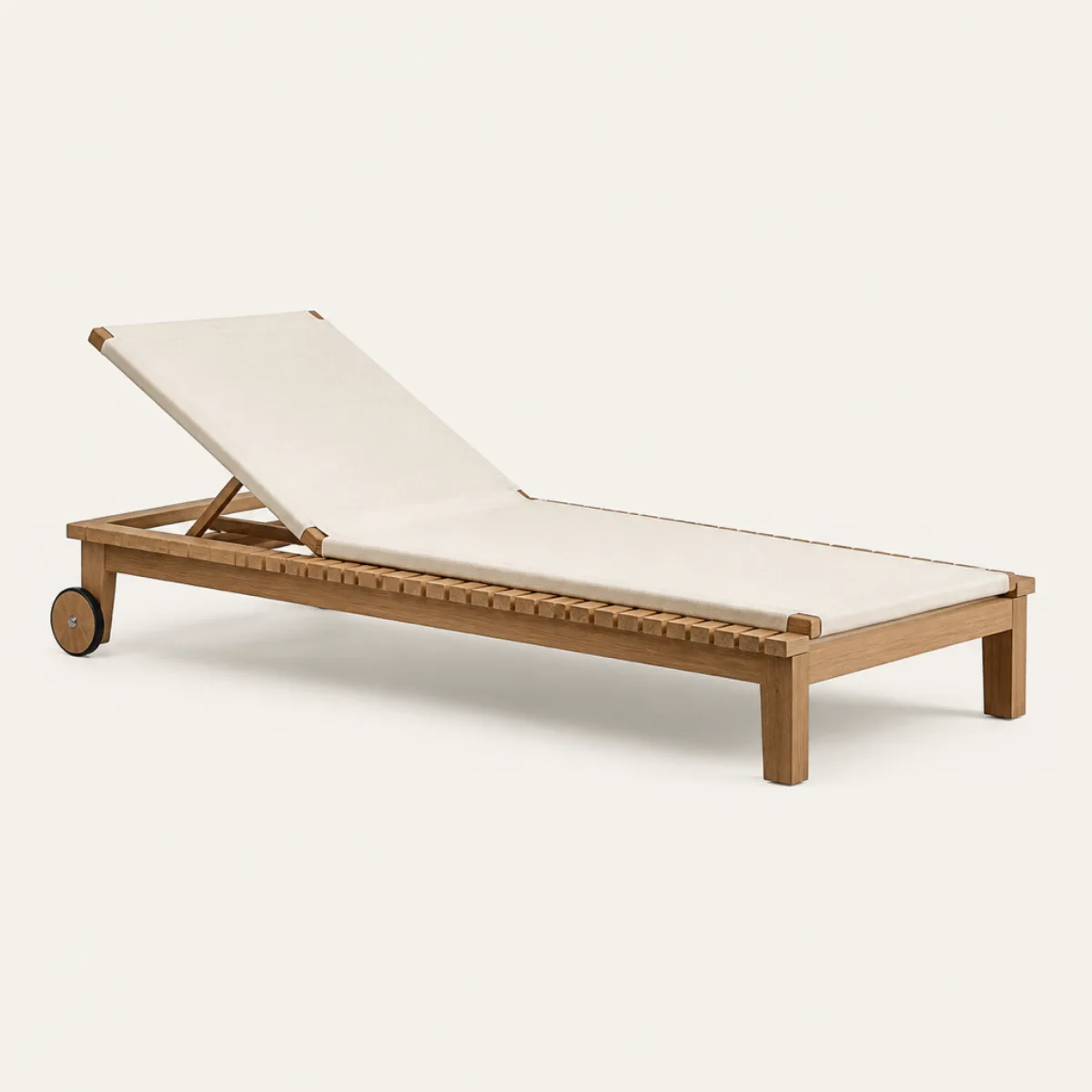
asset:lounger
pack-pool-lounger-sling · pack-pool-lounger-timber
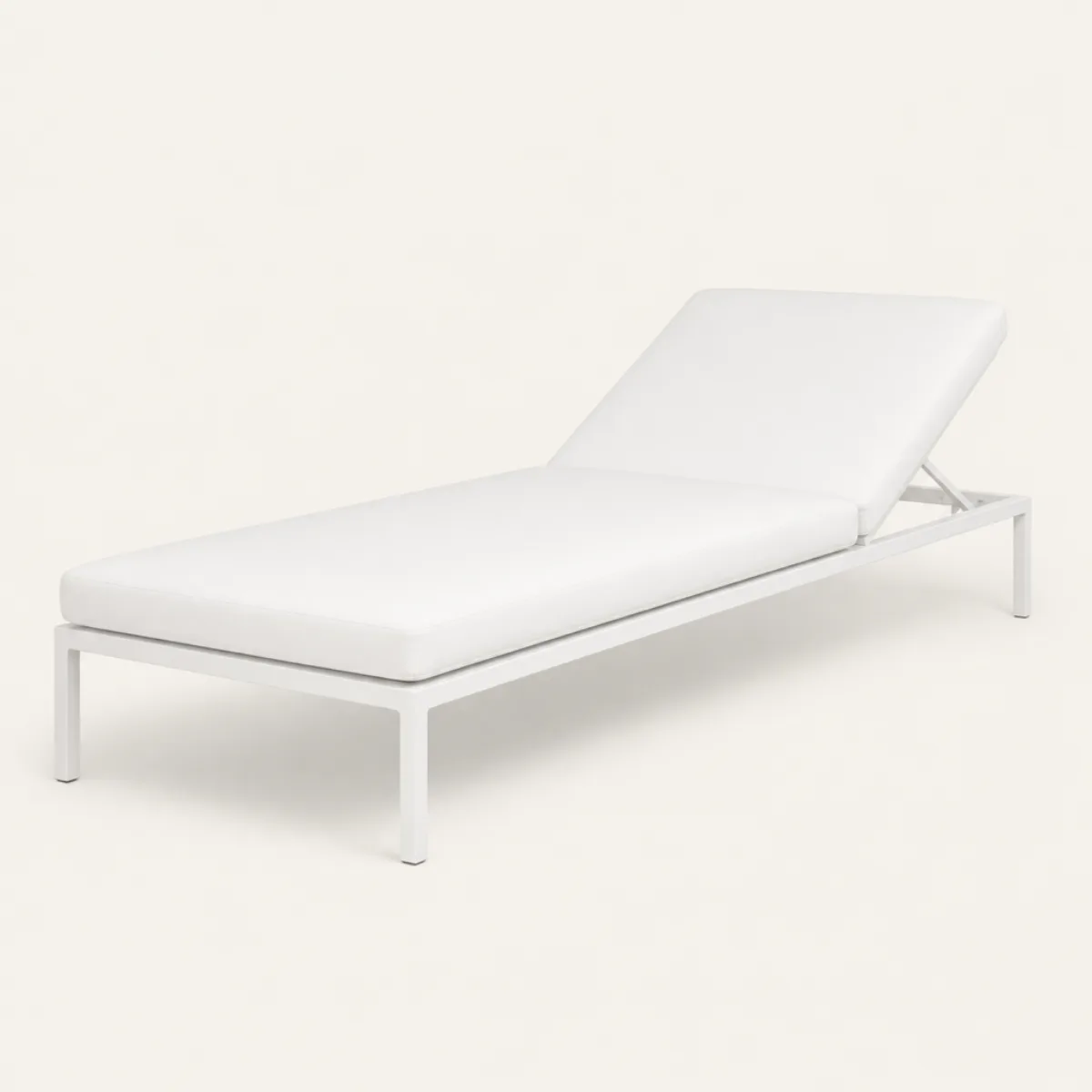
asset:chaise
pack-pool-cushion · pack-pool-teak
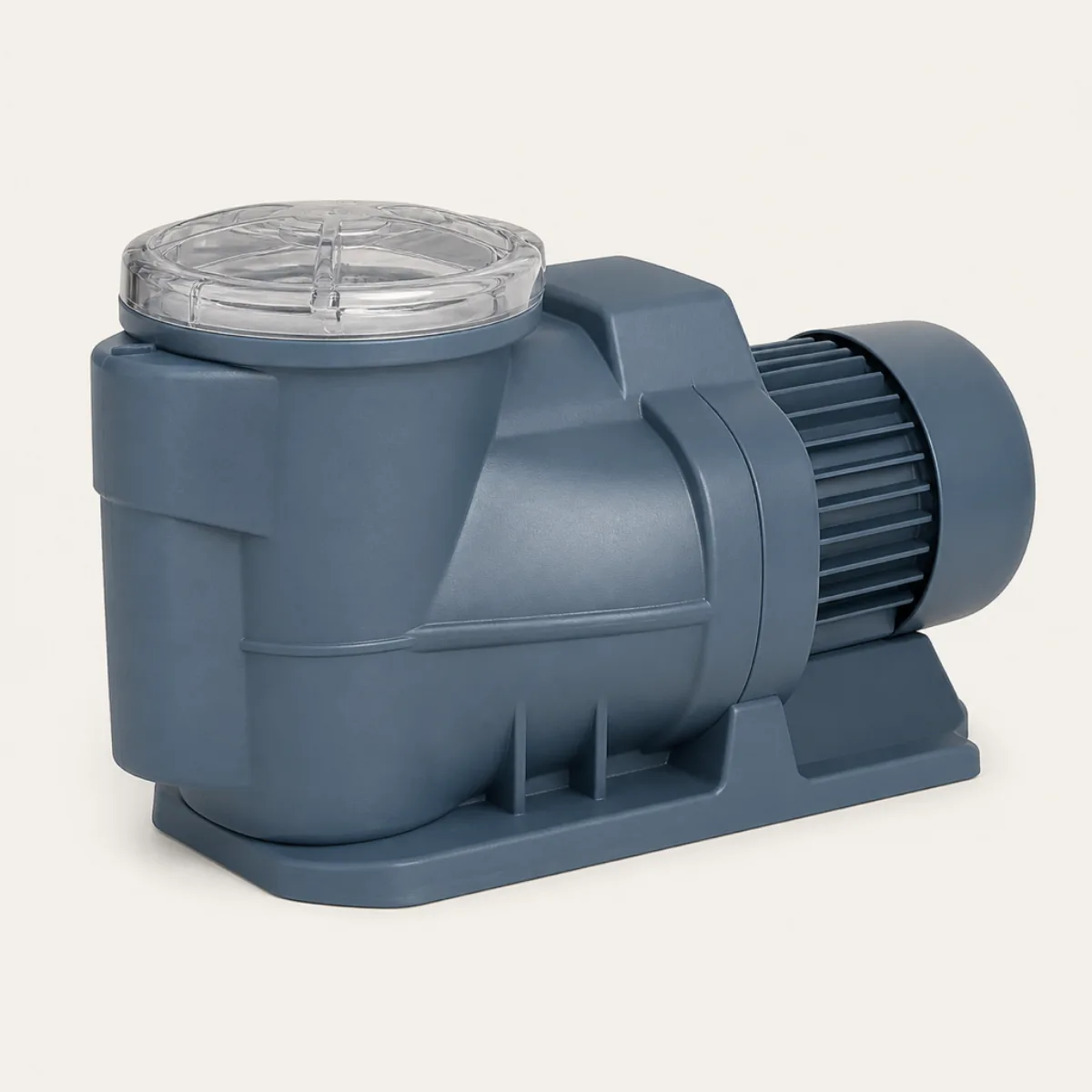
asset:pool-pump
glass · pack-pool-tile · pal-grey
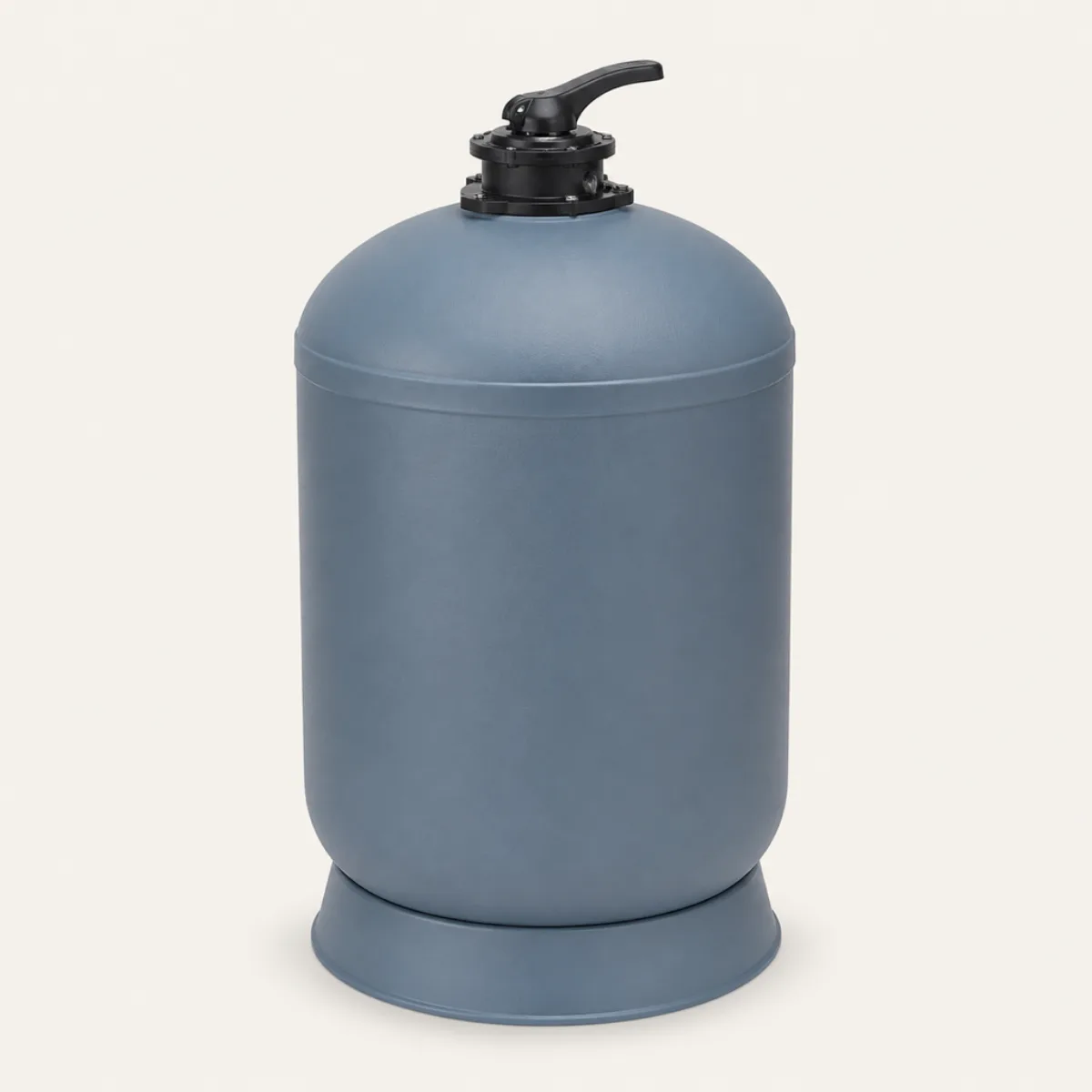
asset:pool-filter
pack-pool-slate · pack-pool-tile
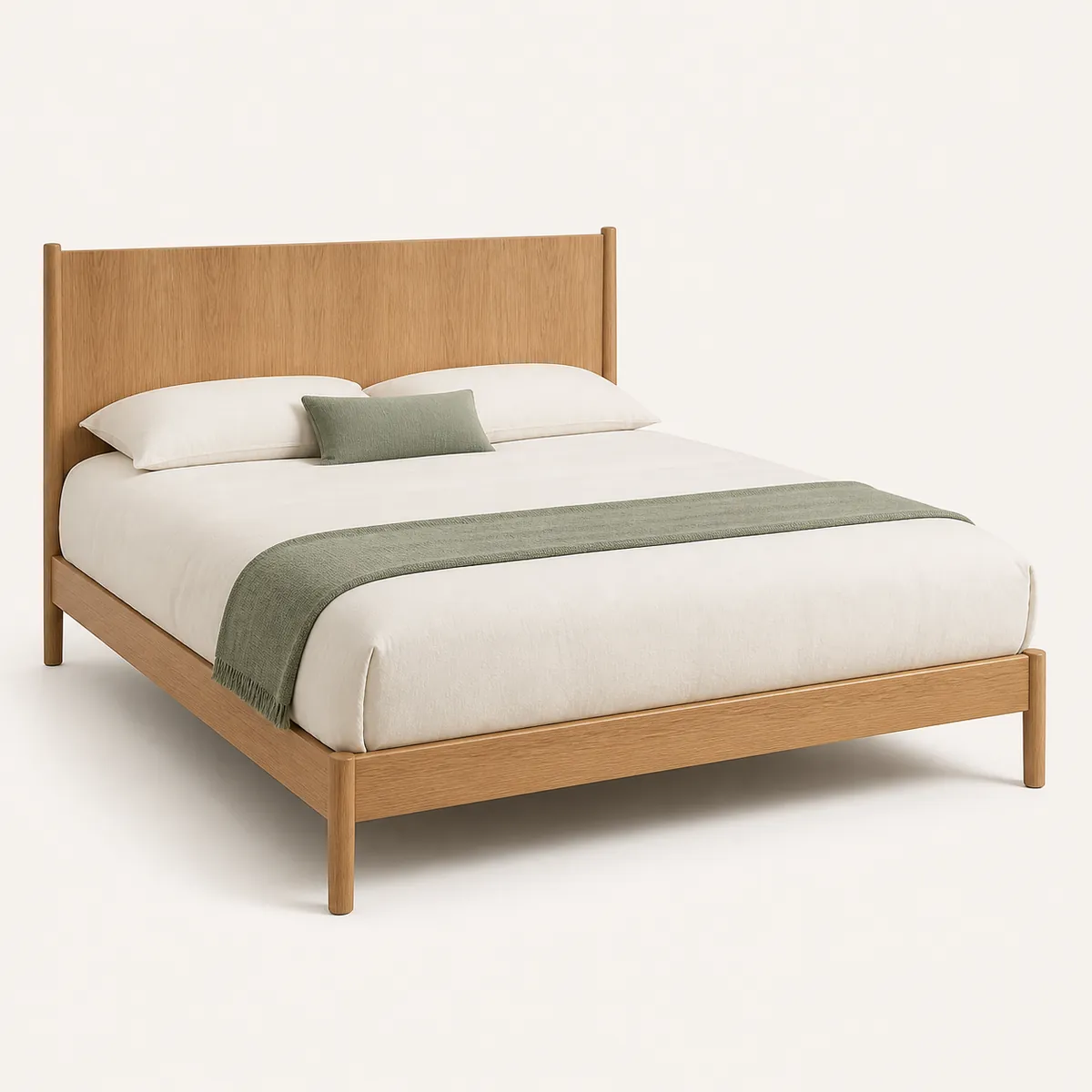
furniture:bed-queen
5 finishes
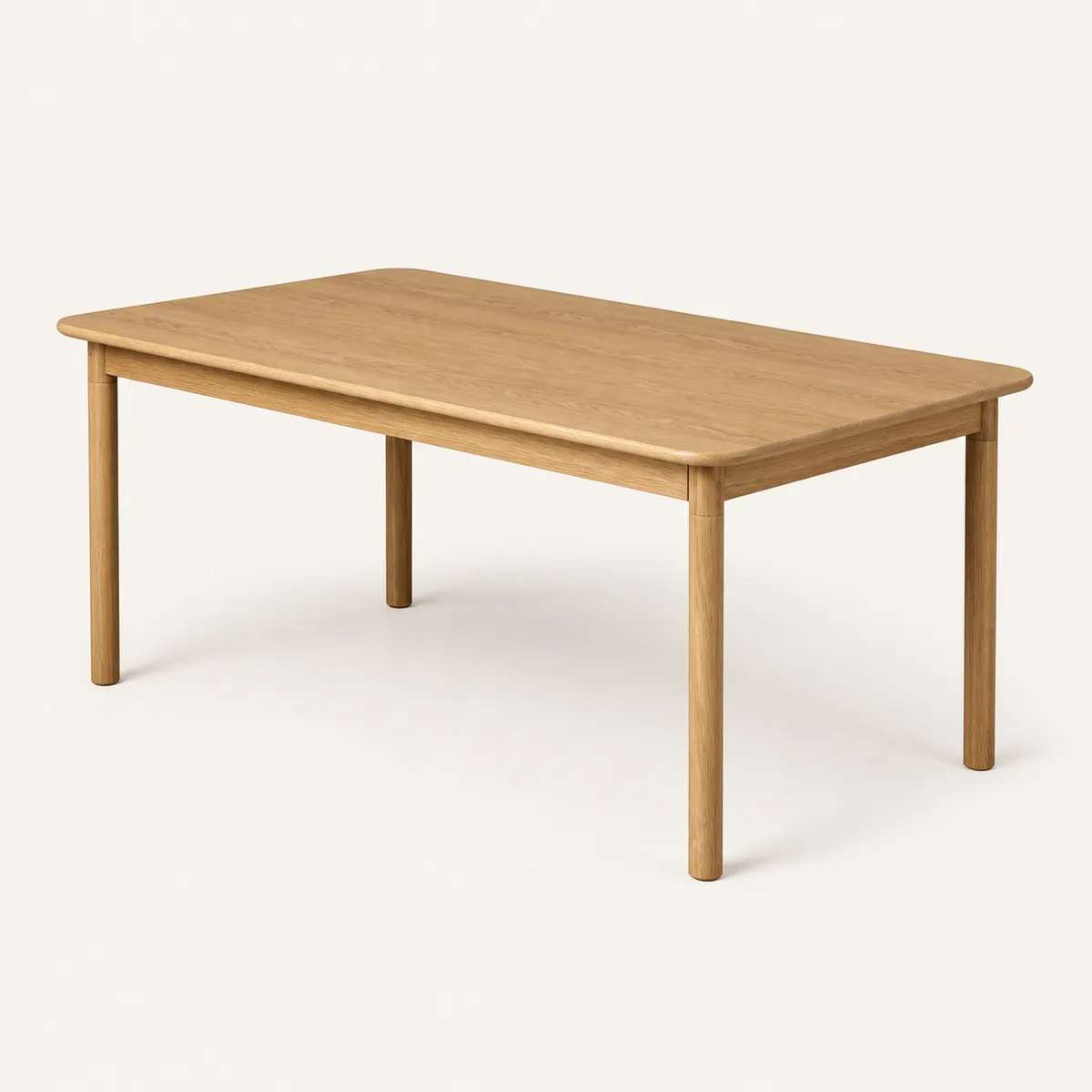
furniture:dining-table
wr-oak
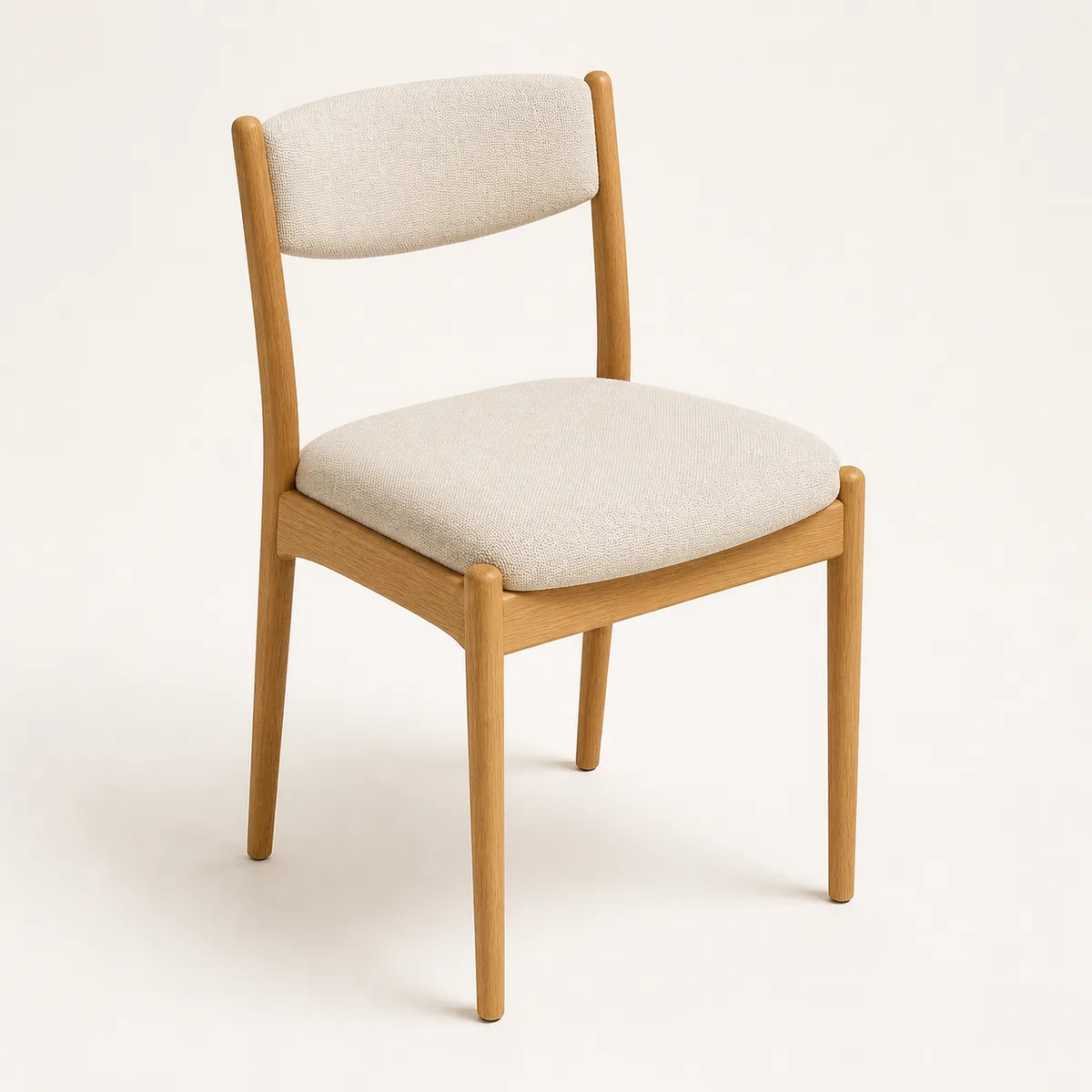
furniture:chair
wr-ivory · wr-oak
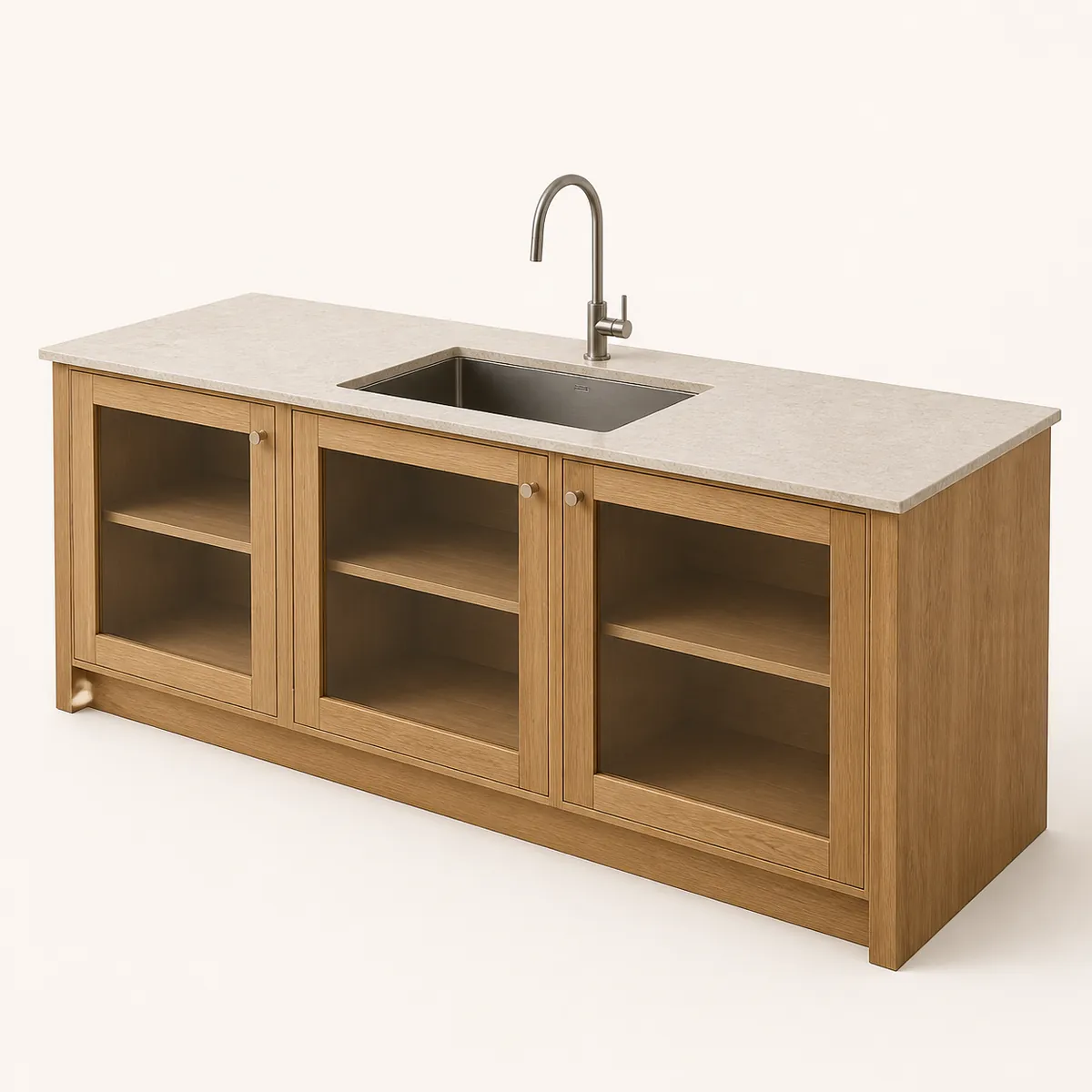
furniture:island
wr-chrome · wr-depth · wr-oak · wr-stone
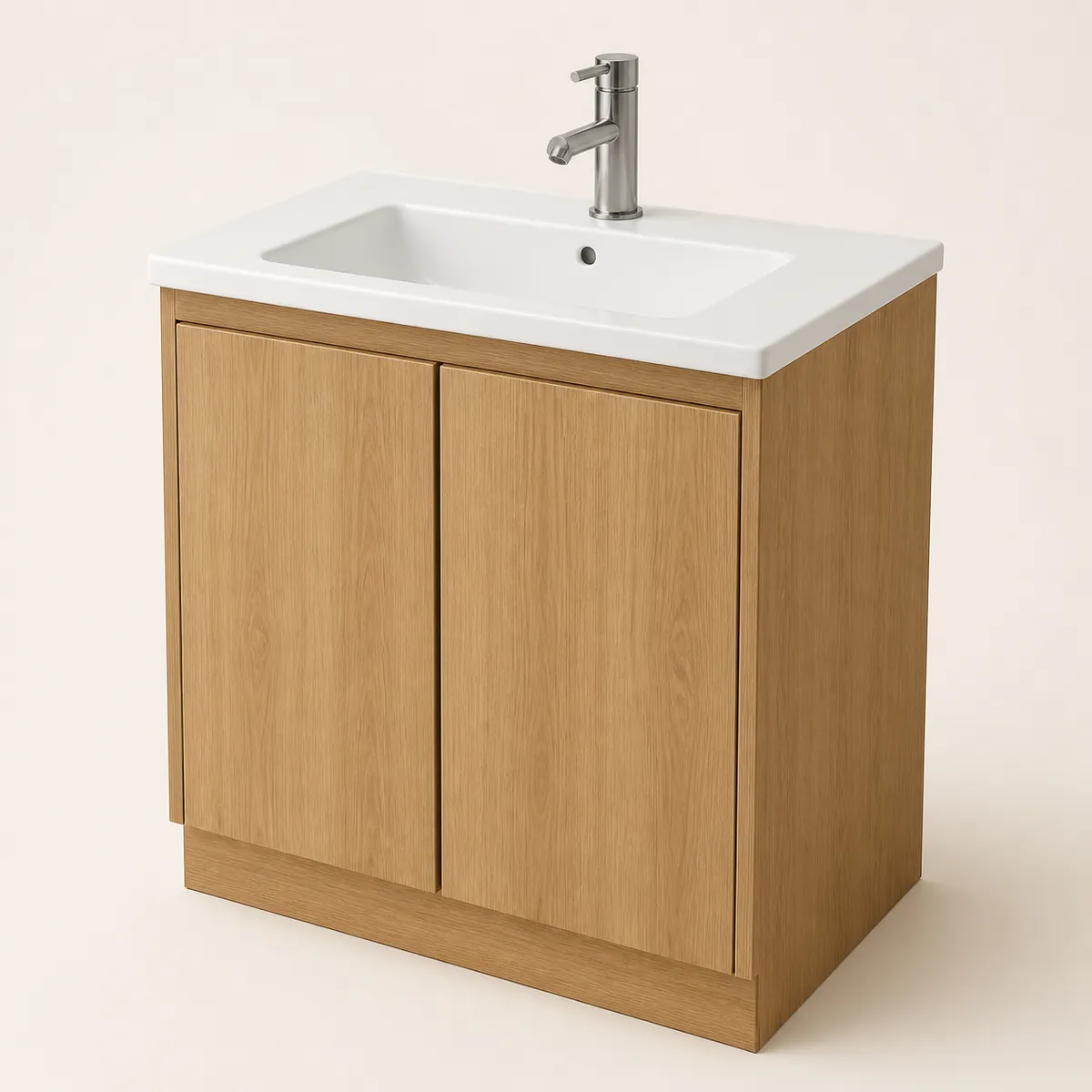
furniture:vanity
wr-ceramic · wr-chrome · wr-depth · wr-oak
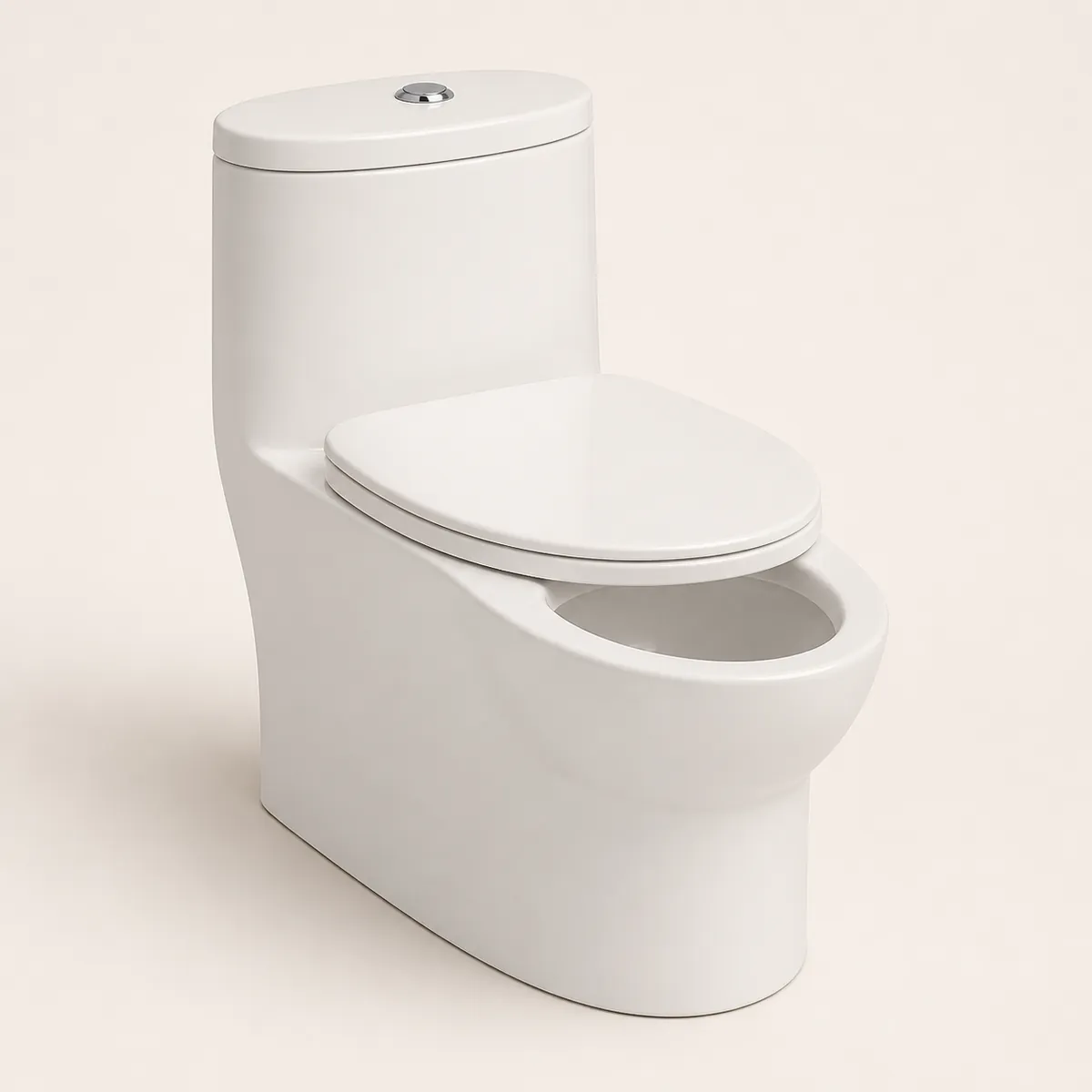
furniture:toilet
wr-ceramic · wr-chrome · wr-depth
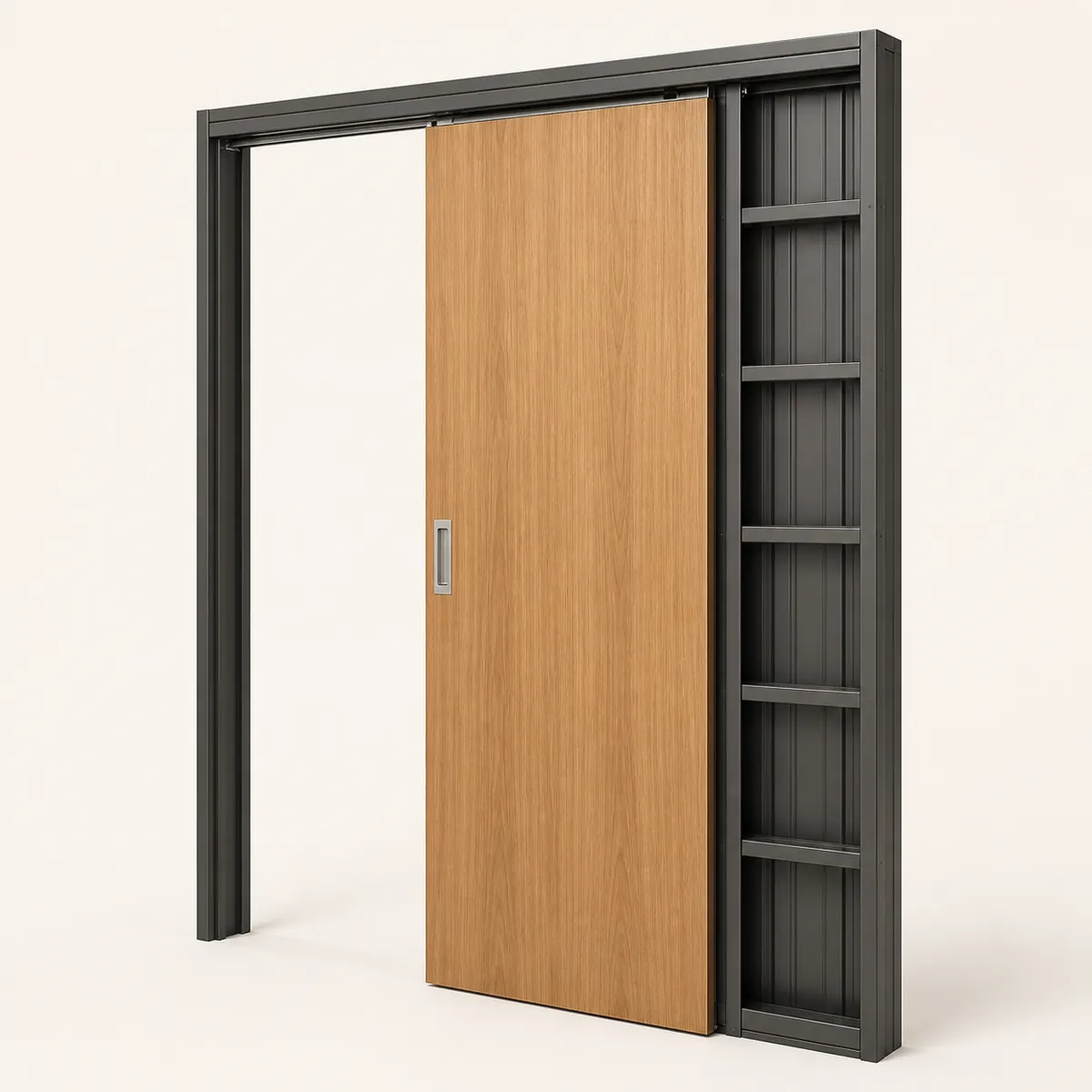
opening:pocket
wr-charcoal · wr-chrome · wr-oak
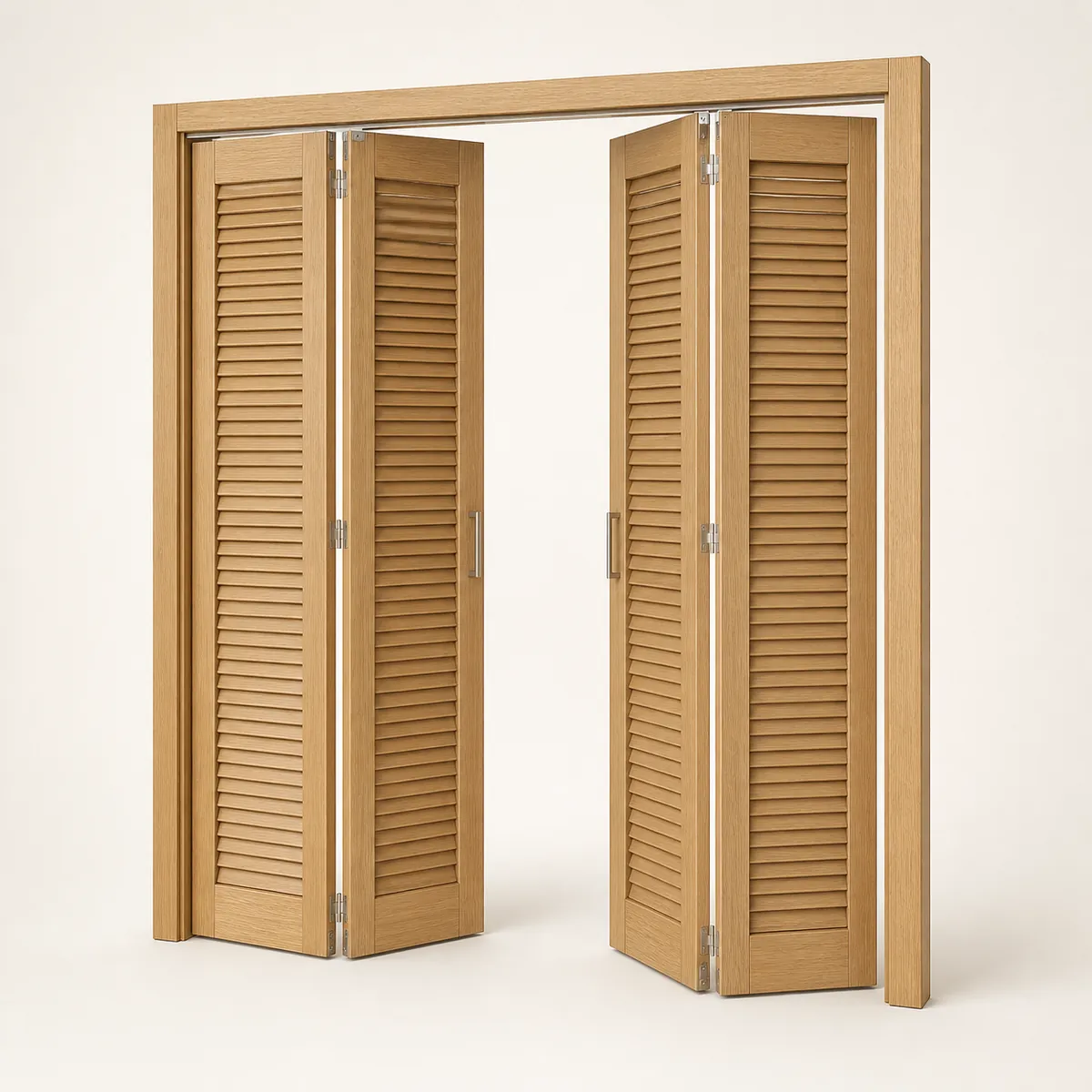
opening:bifold
wr-chrome · wr-oak · wr-pale-oak
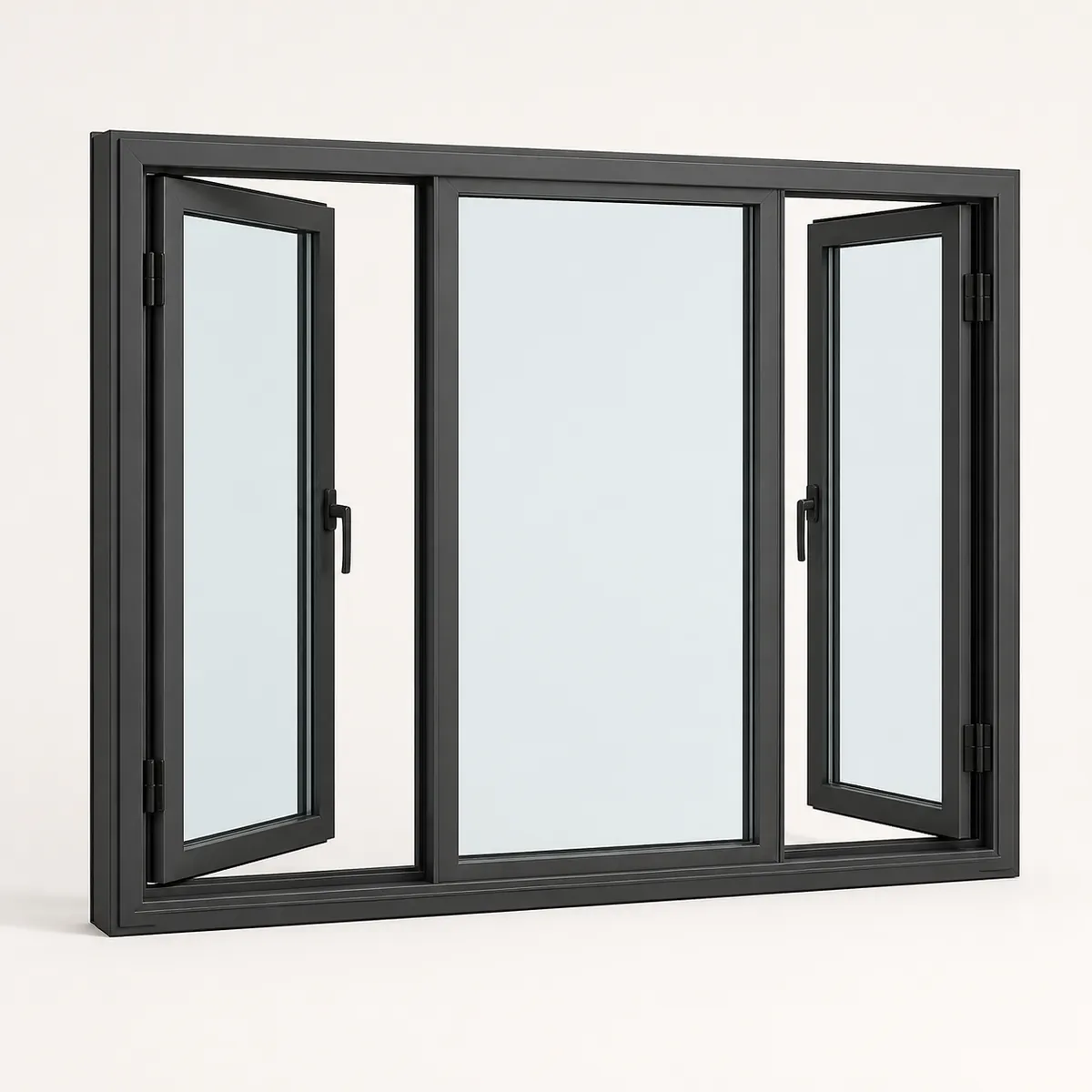
opening:casement-3
wr-charcoal · wr-glass
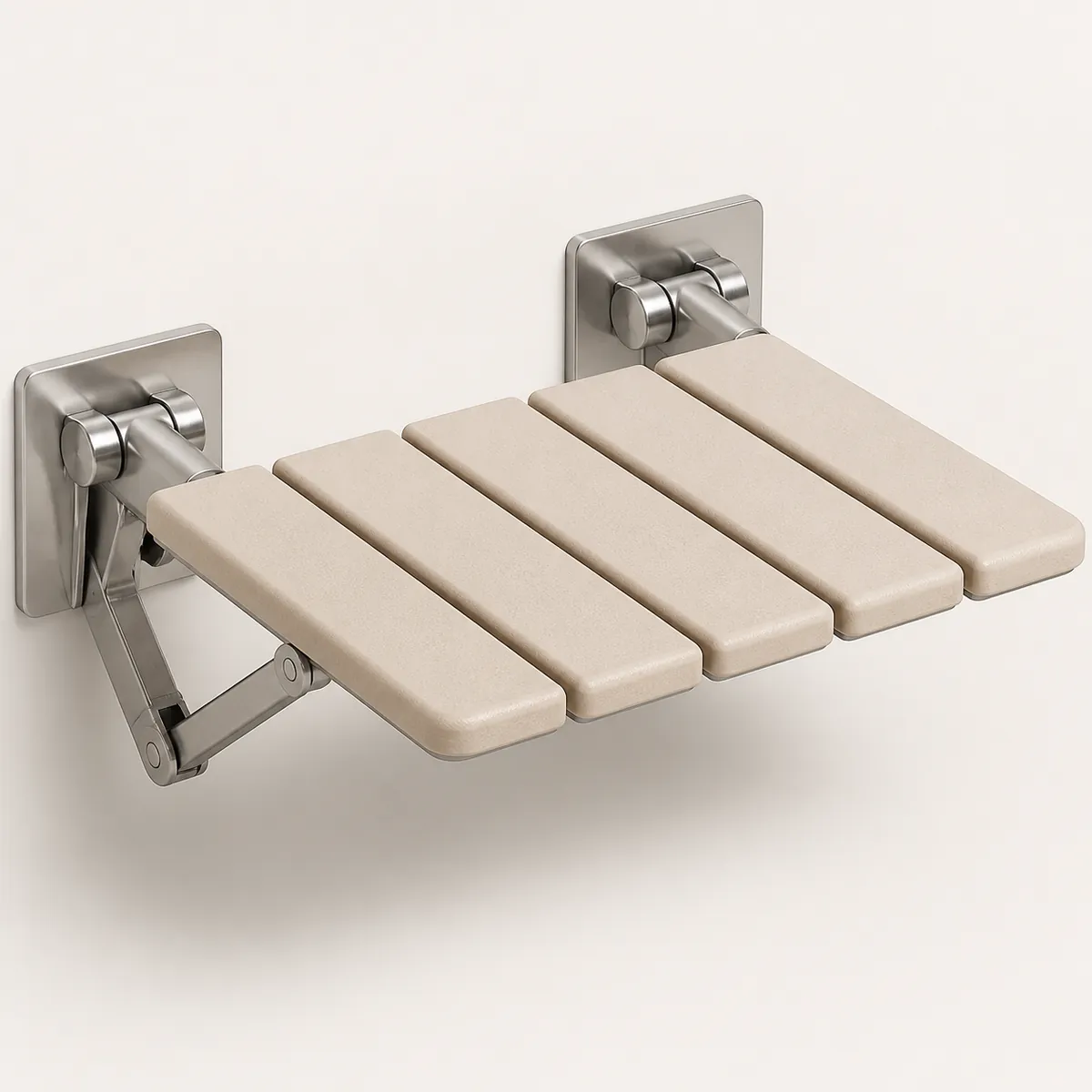
asset:shower-seat
wr-chrome · wr-ivory
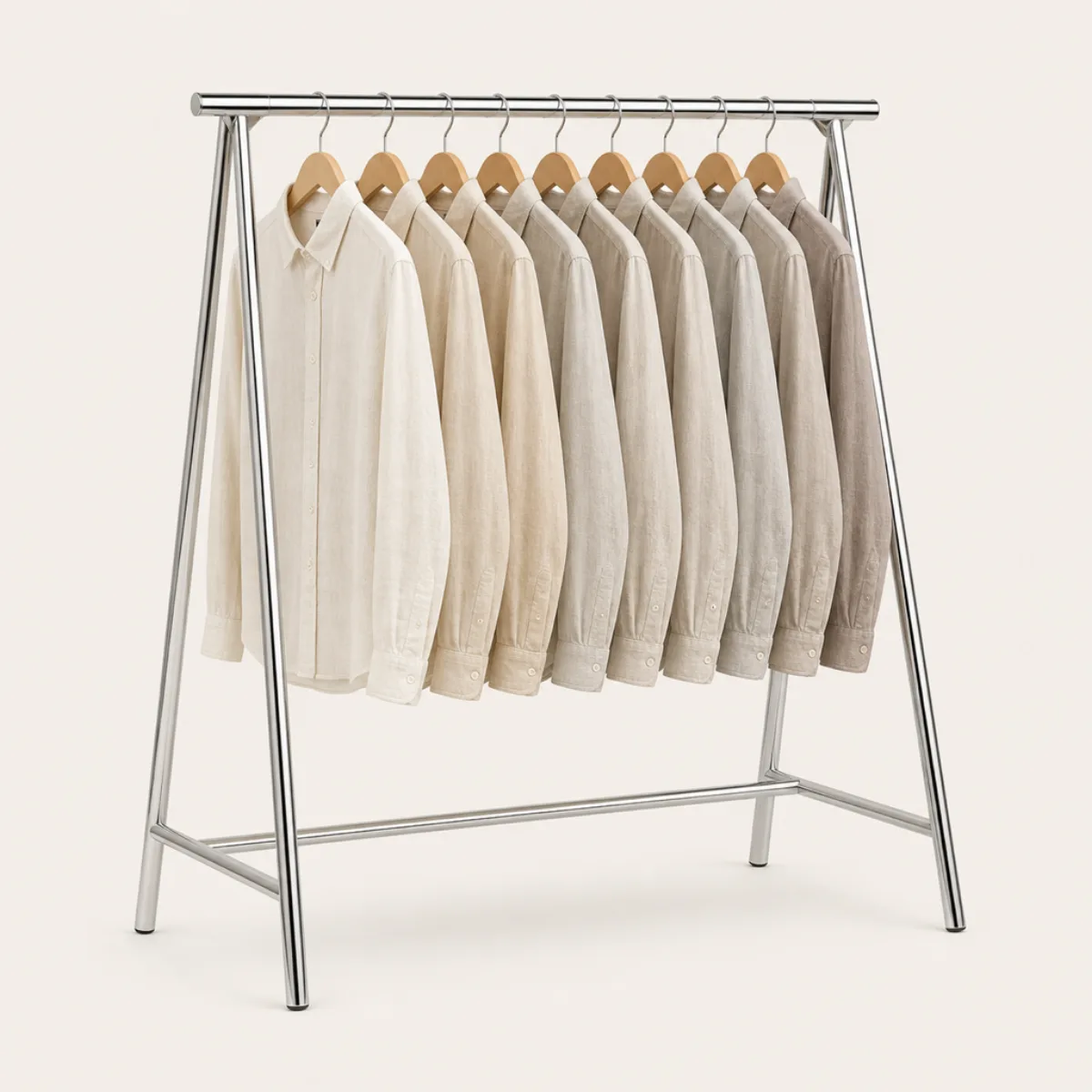
furniture:clothing-rack
pack-retail-linen · pack-retail-white · pal-steel
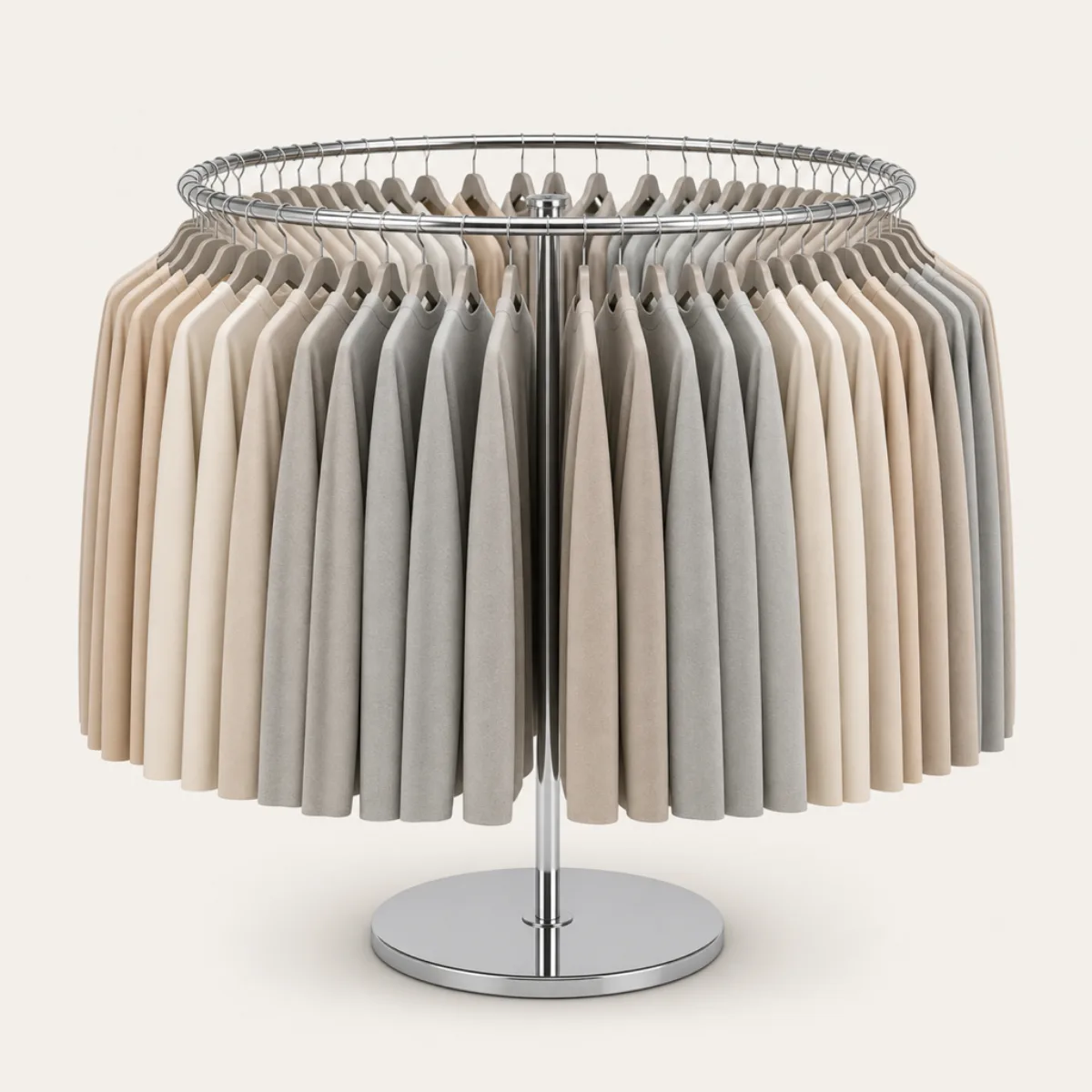
furniture:round-rack
pack-retail-linen · pal-steel
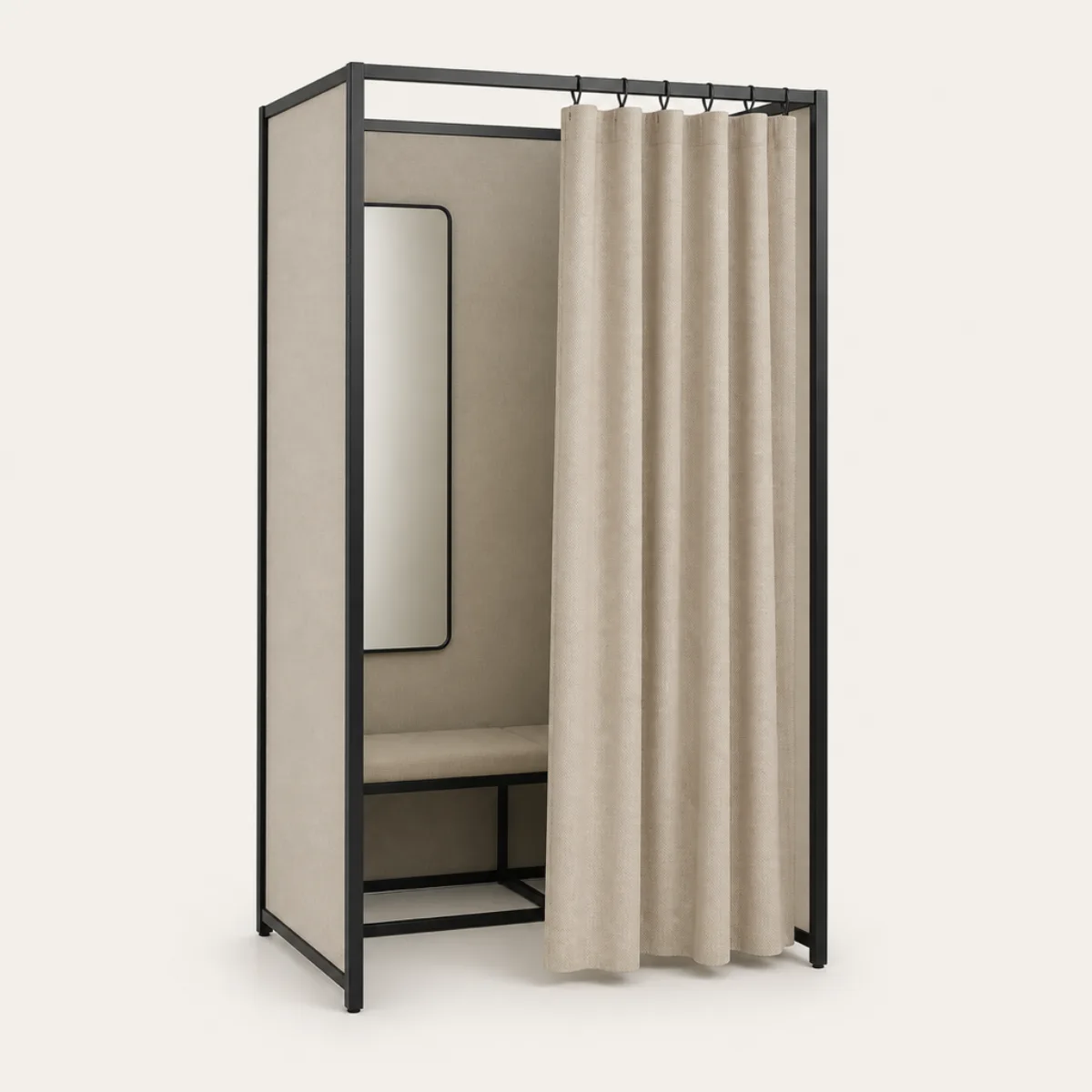
furniture:fitting-room
pack-retail-linen · pack-retail-mirror · pal-charcoal
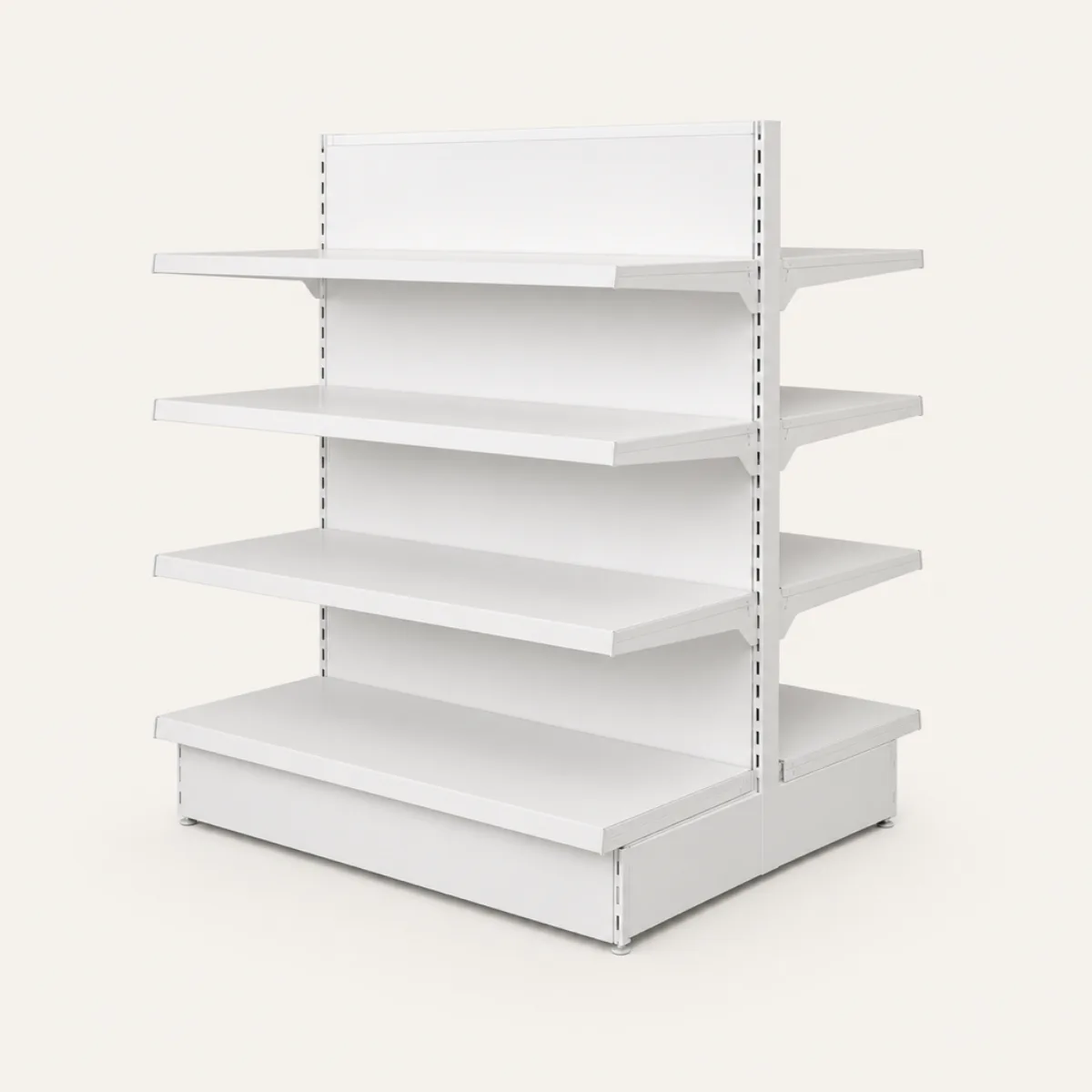
furniture:gondola
pal-white
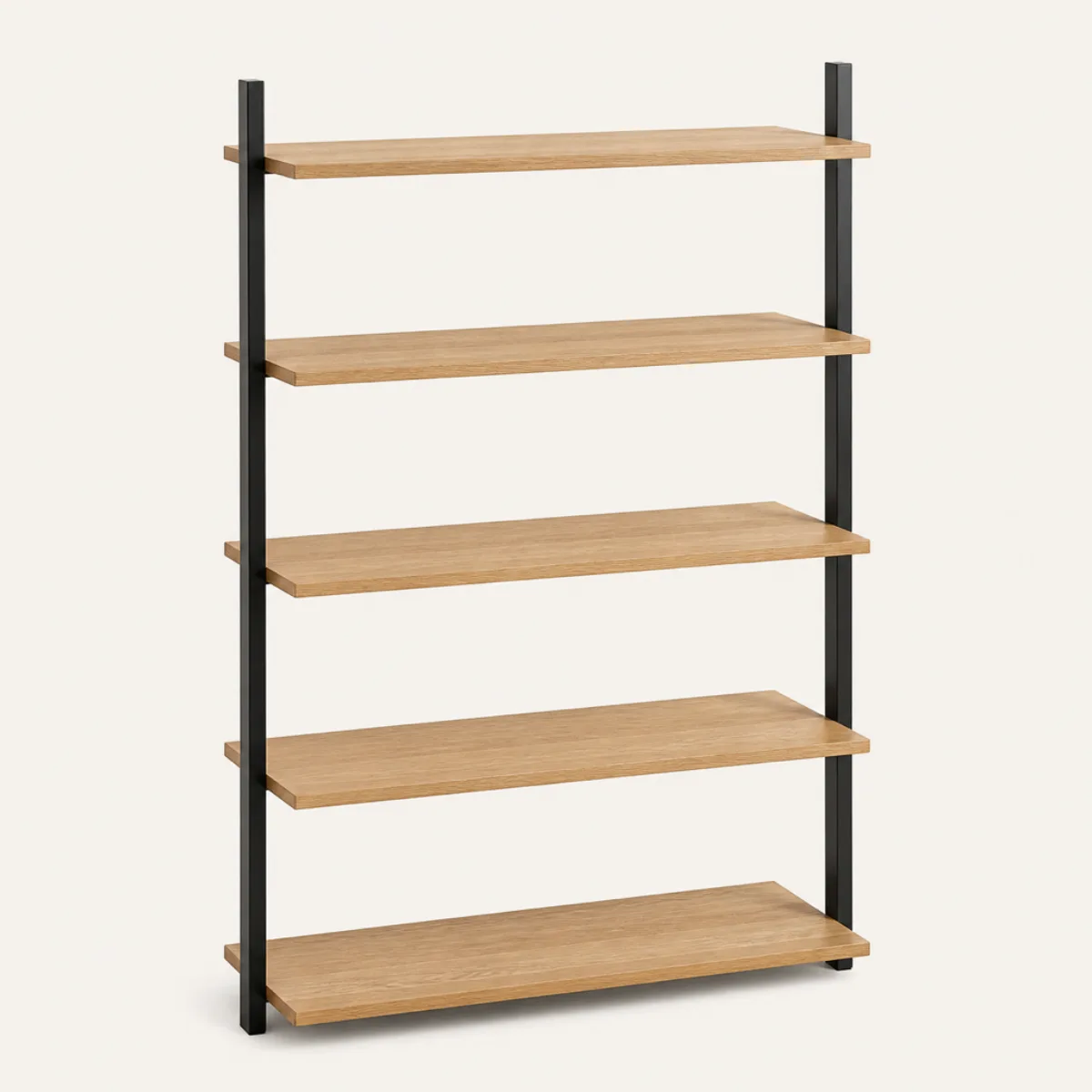
furniture:wall-bay
pal-charcoal · pal-oak
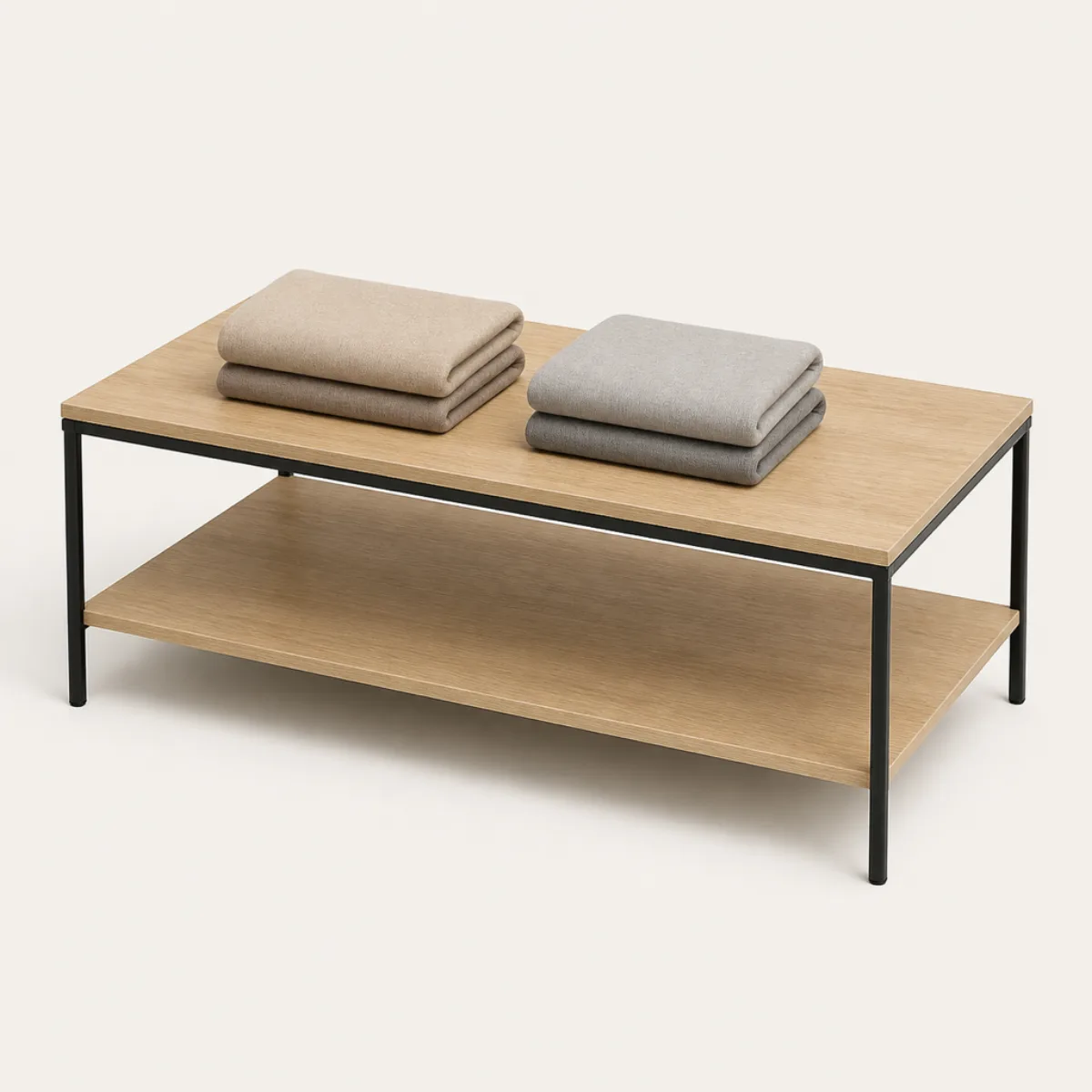
furniture:display-table
pal-charcoal · pal-oak
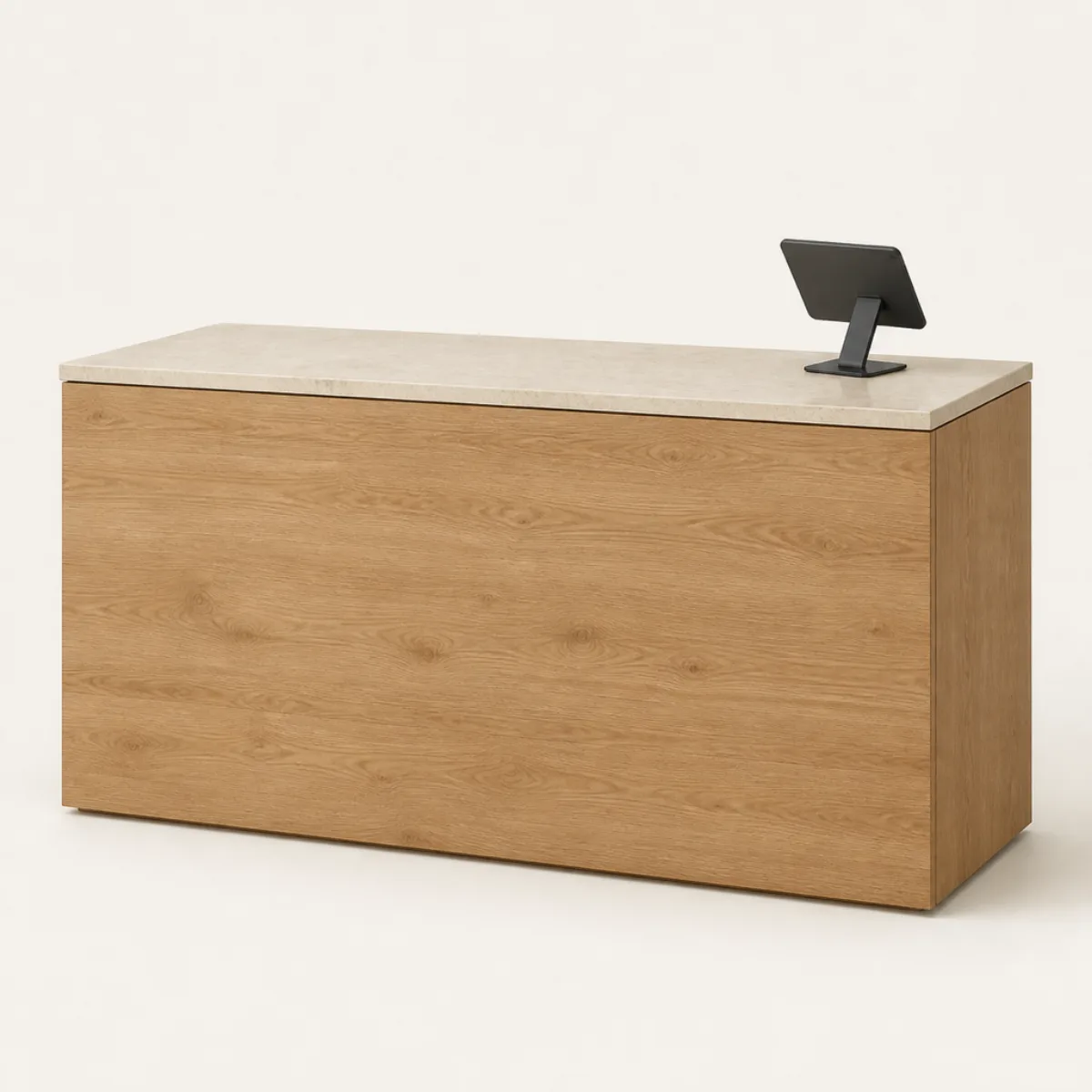
furniture:retail-till
pack-retail-charcoal · pal-oak · pal-stone
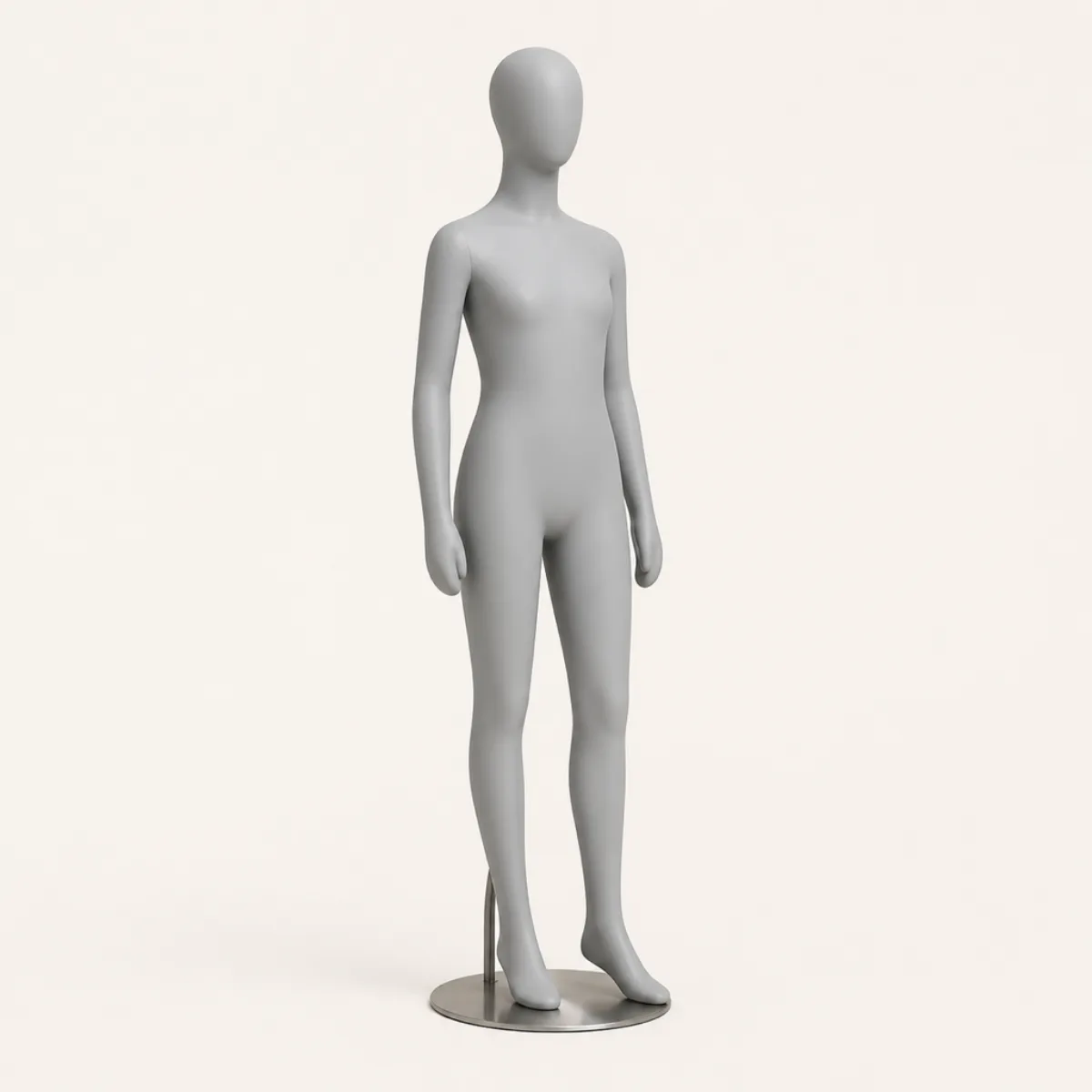
asset:mannequin
pal-felt-pale · pal-steel
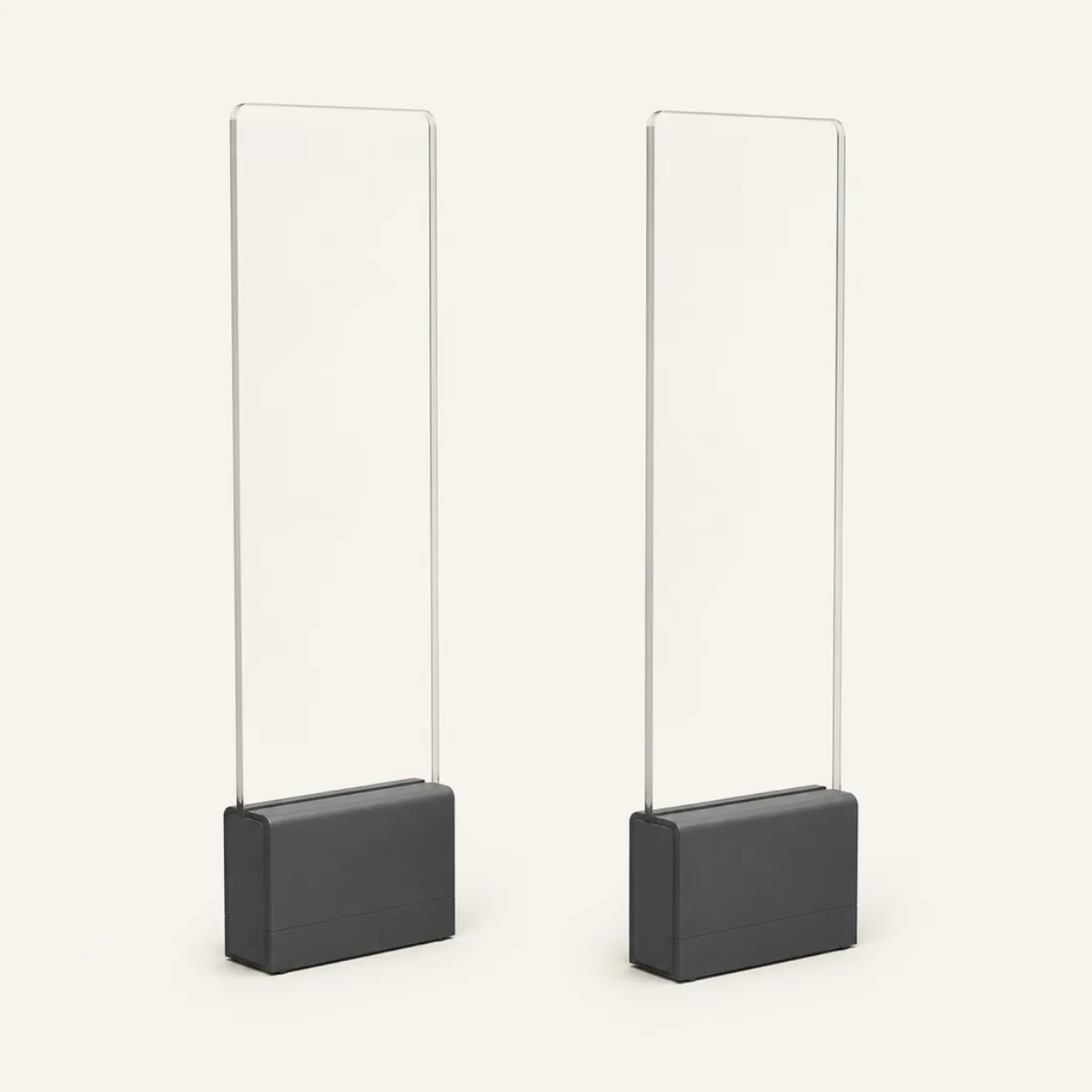
furniture:security-gate
pack-retail-charcoal · pack-retail-glass
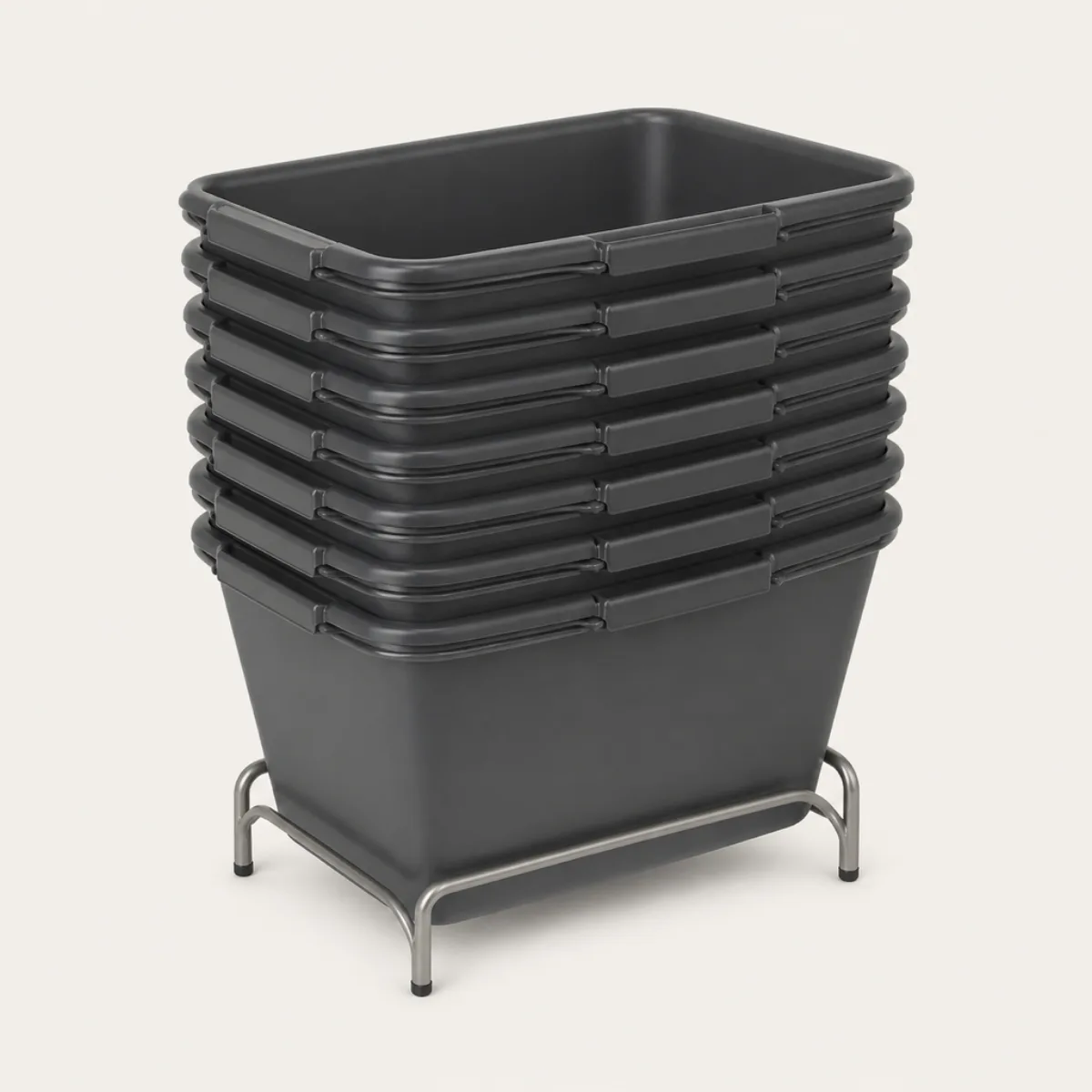
asset:basket-stack
pack-retail-chrome · pal-charcoal
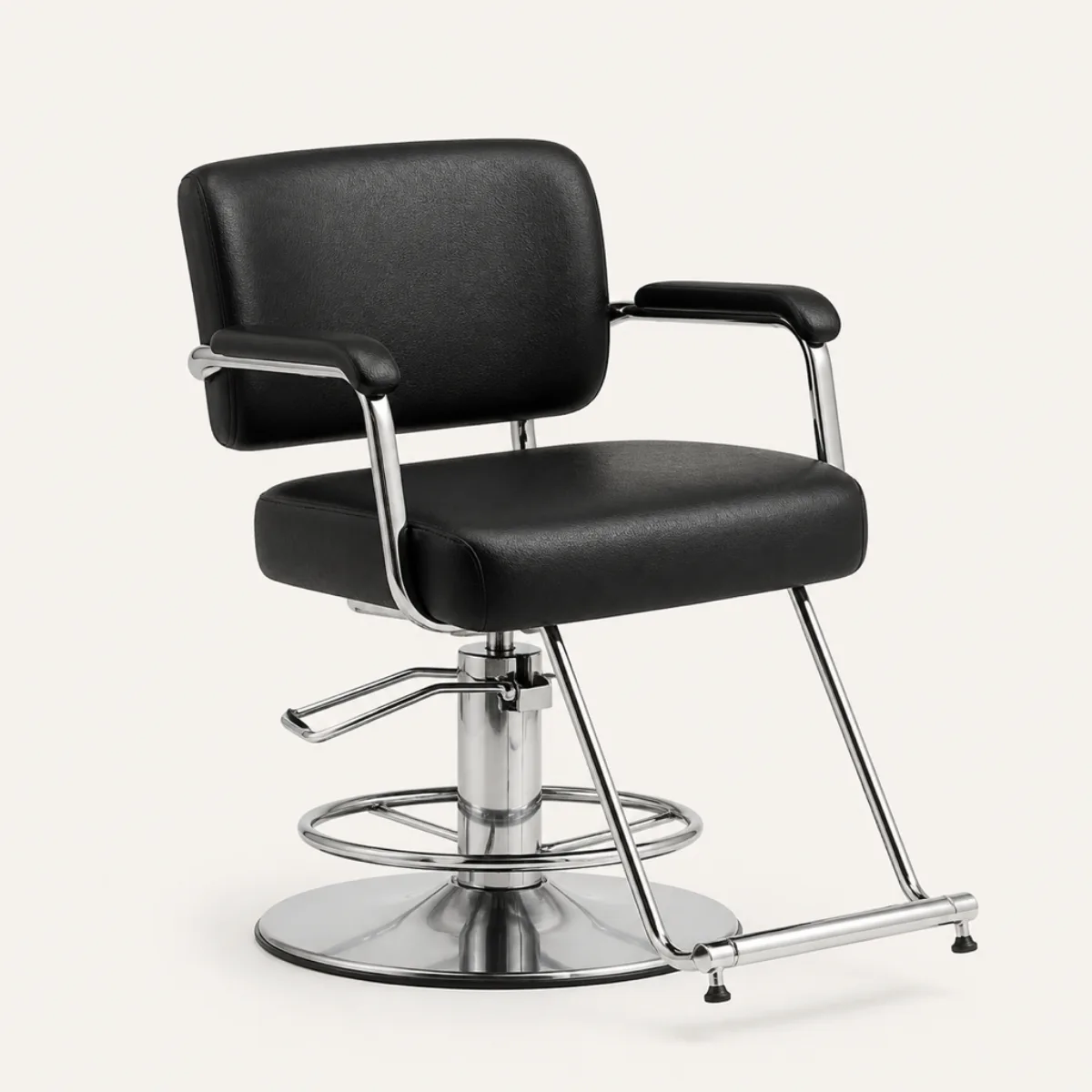
asset:styling-chair
pack-salon-black · pal-steel
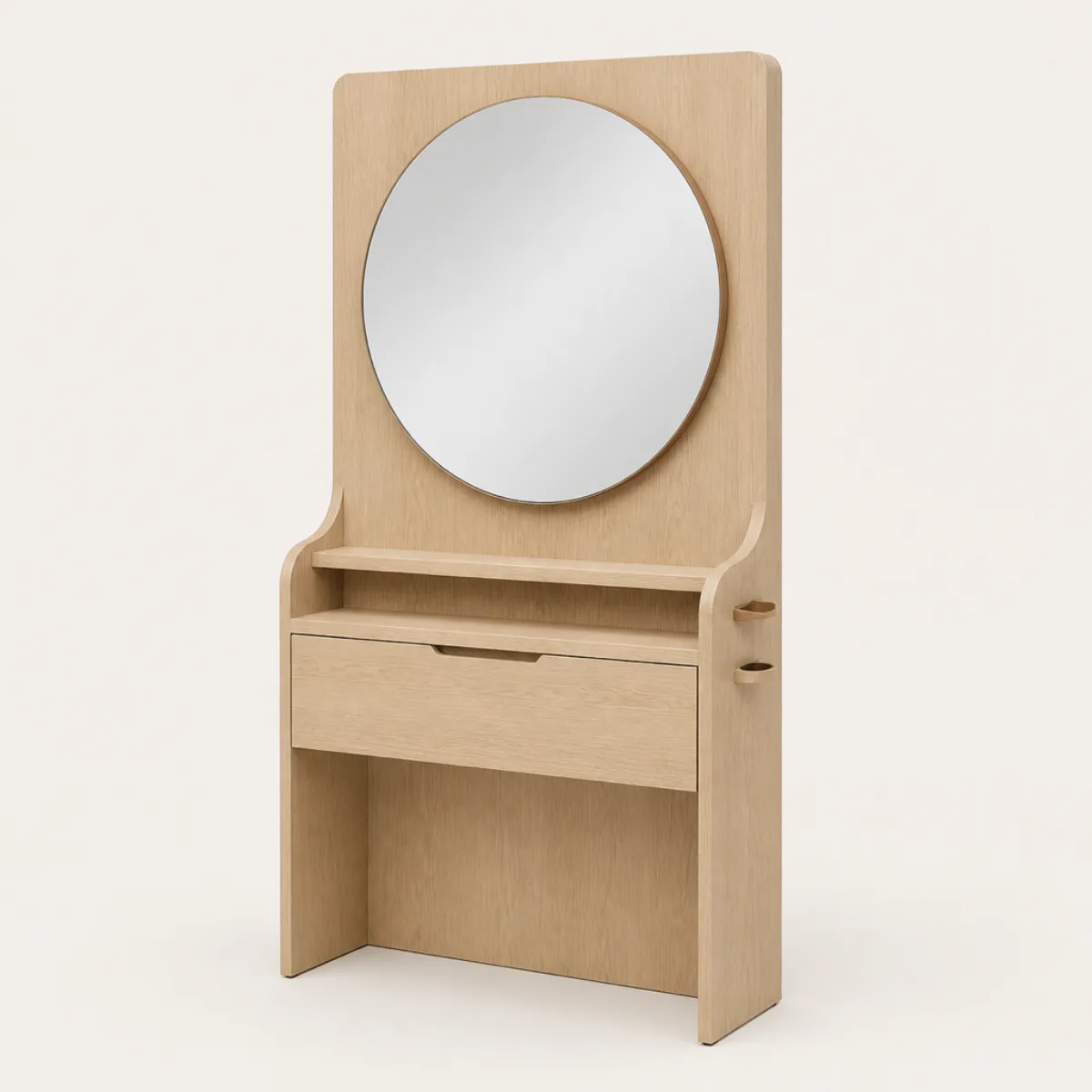
asset:styling-station
pack-salon-chrome · pack-salon-mirror · pal-oak
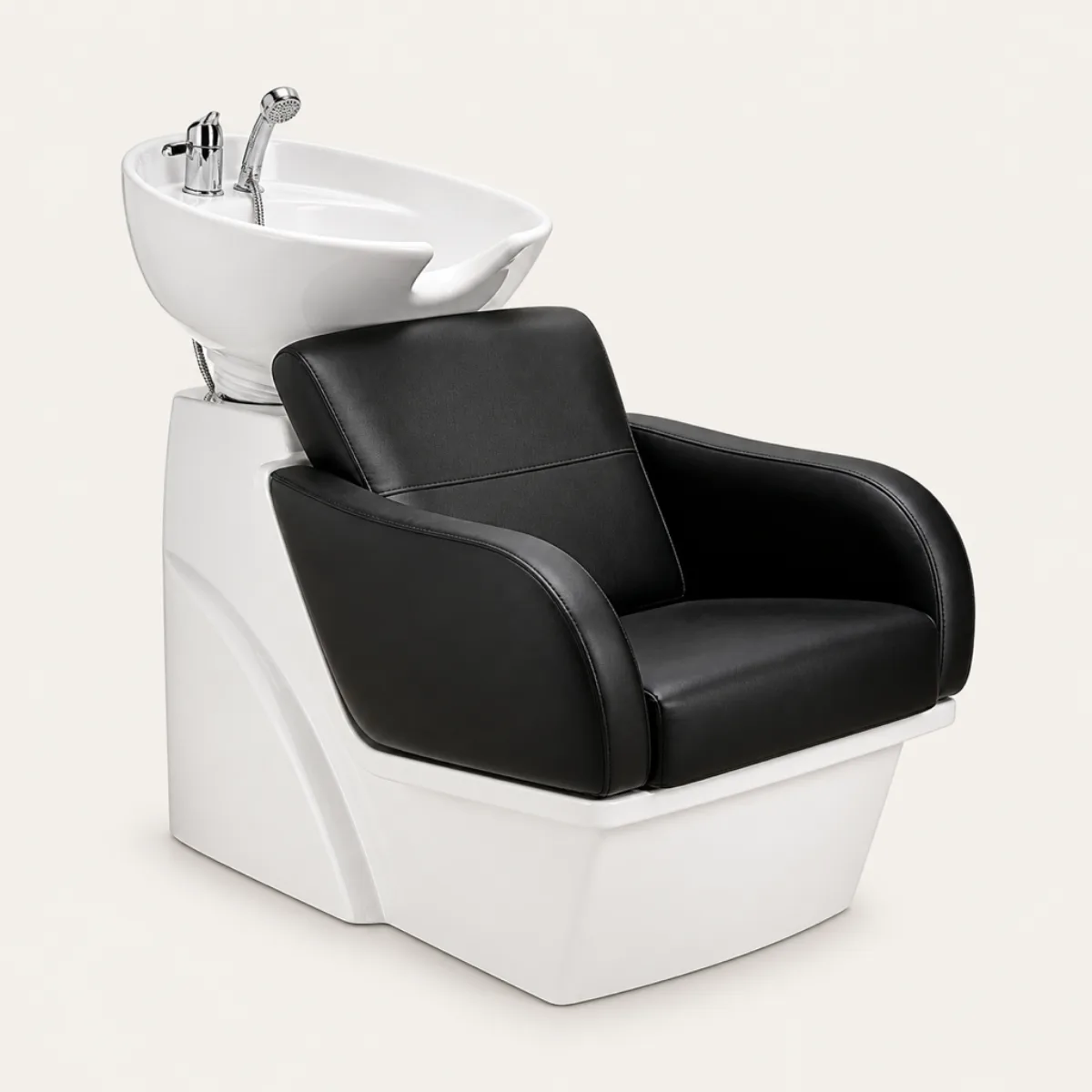
asset:shampoo-unit
pack-salon-black · pack-salon-chrome · pack-salon-porcelain · pack-salon-white
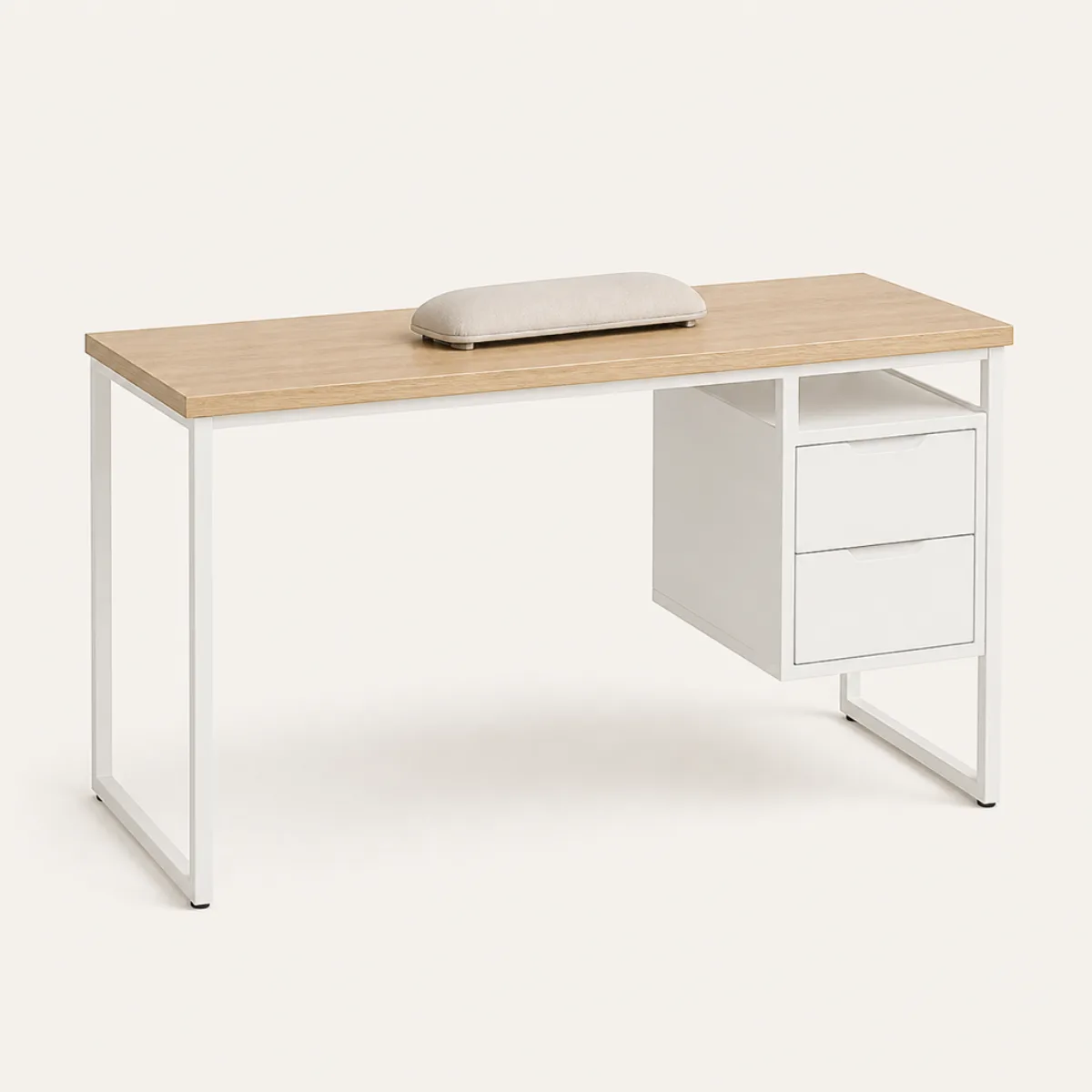
asset:nail-table
pack-salon-cream · pal-oak · pal-white
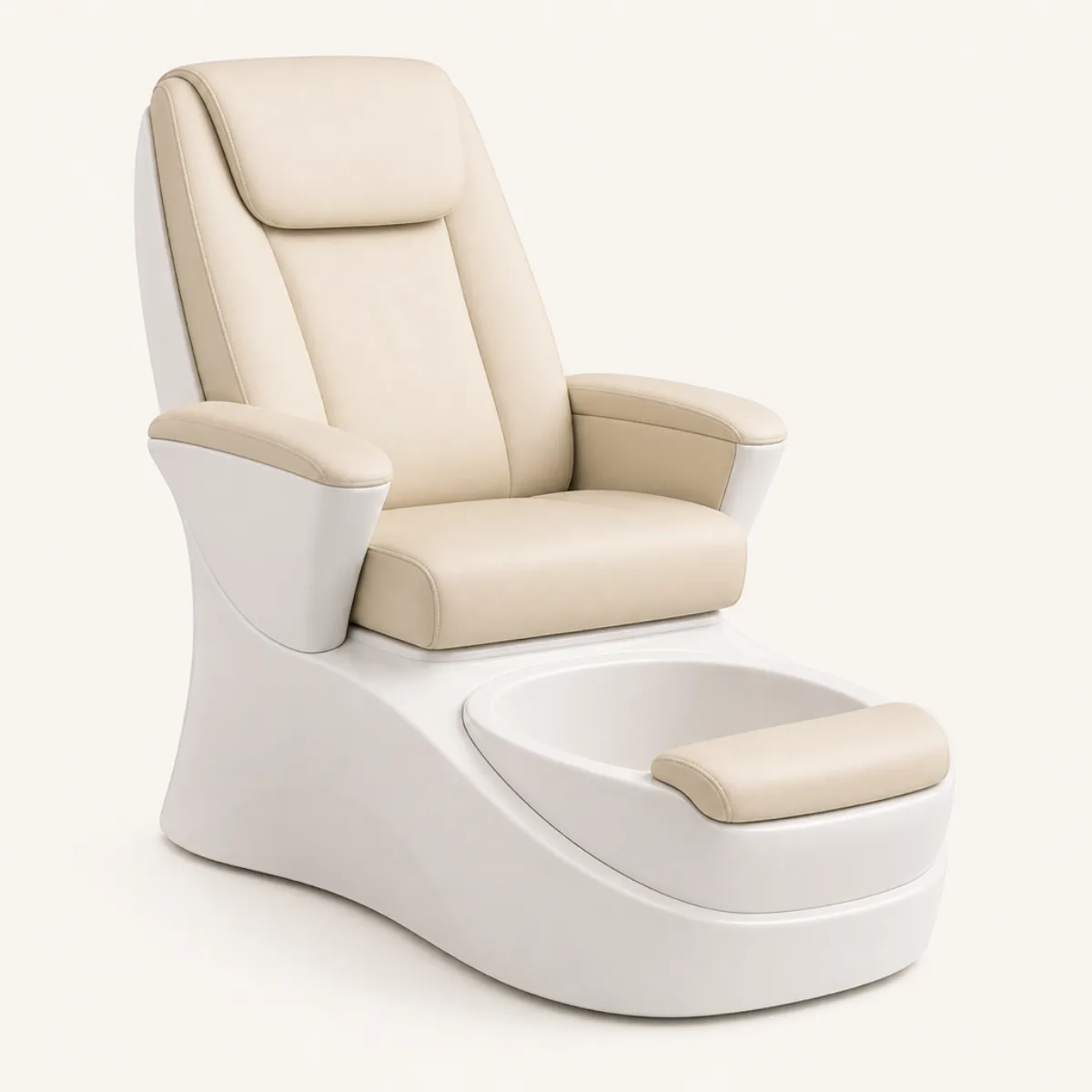
asset:pedicure-chair
pack-salon-cream · pack-salon-porcelain · pack-salon-white
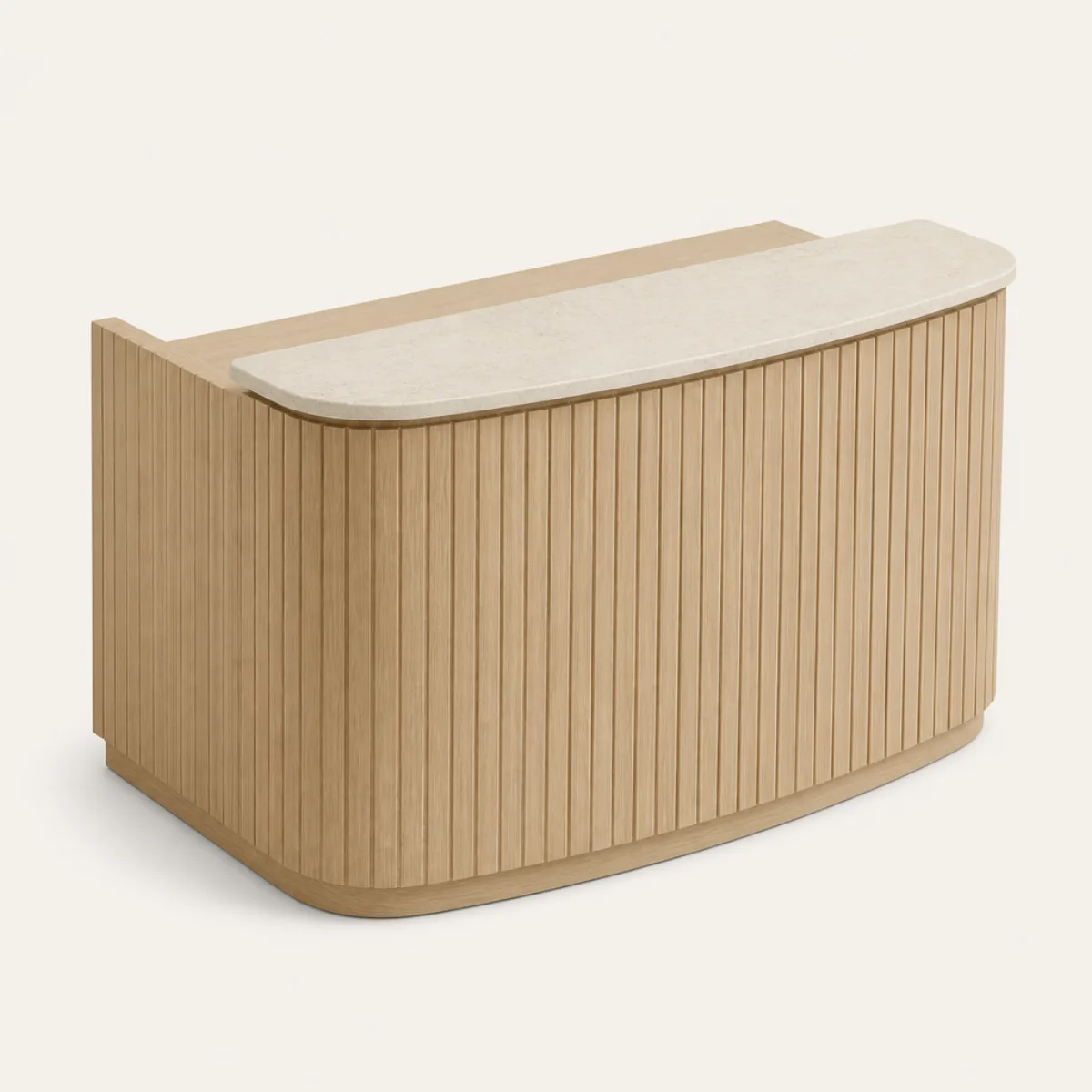
asset:reception-desk
pal-oak · pal-stone
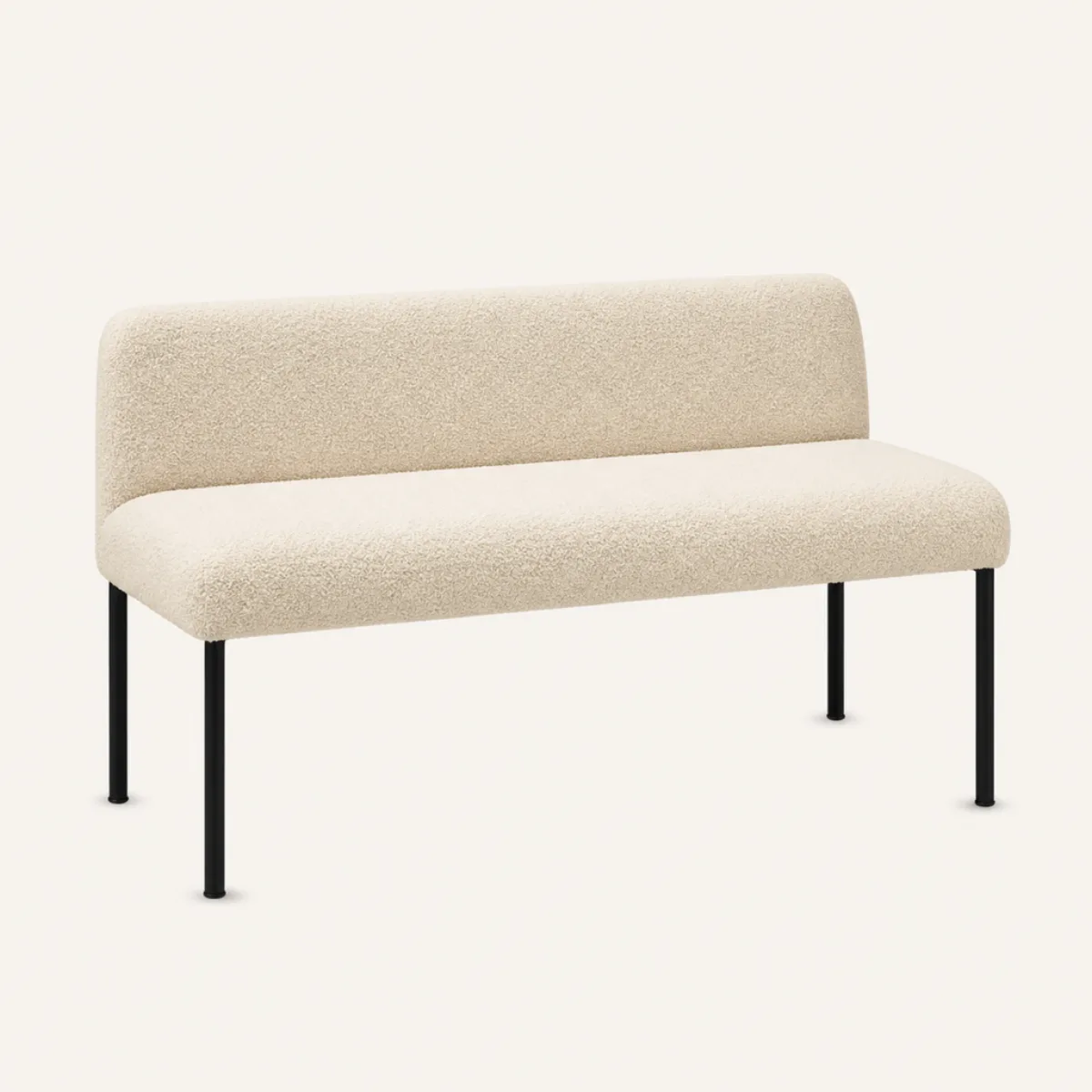
asset:waiting-bench
pack-salon-black · pack-salon-cream
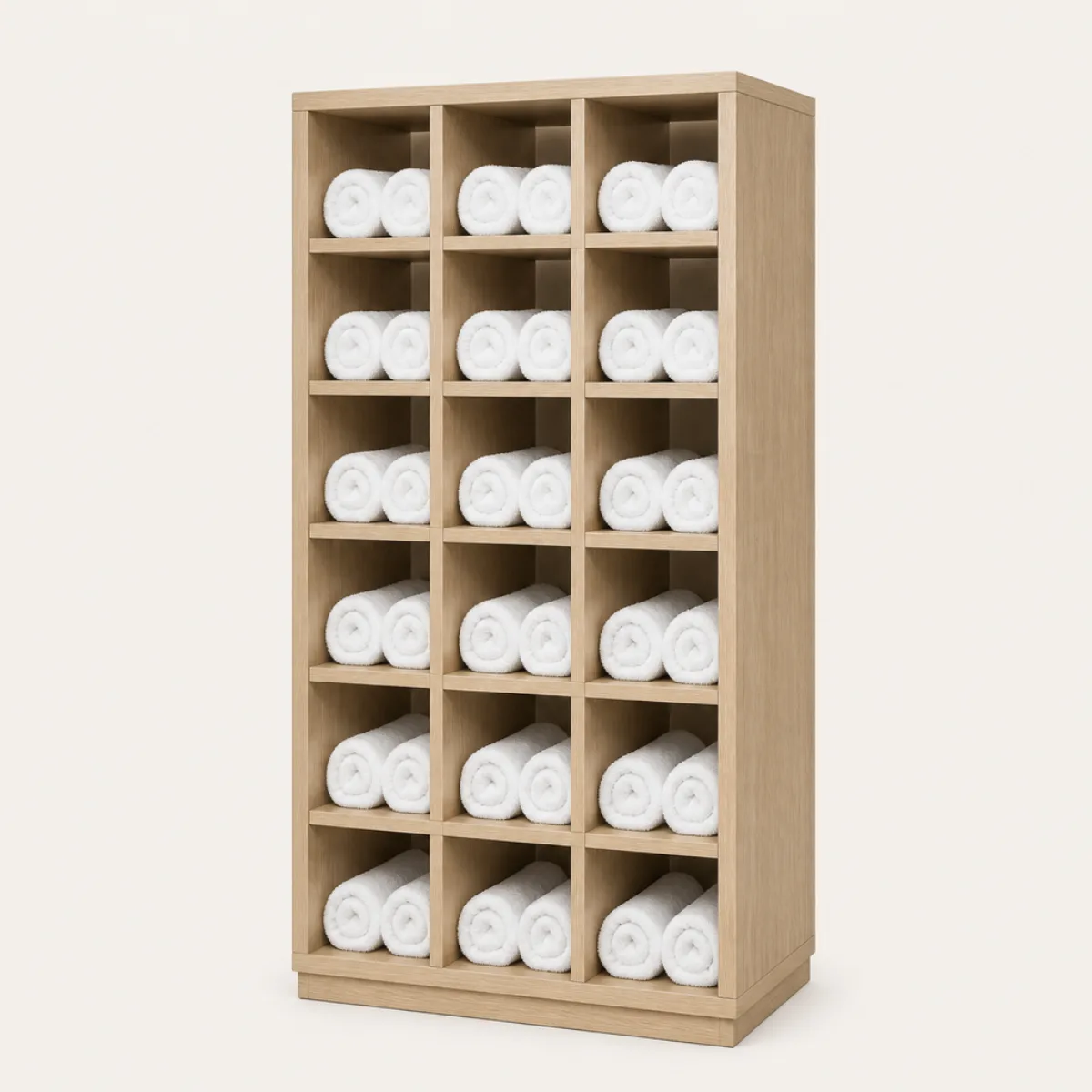
asset:towel-cabinet
pal-felt-pale · pal-oak
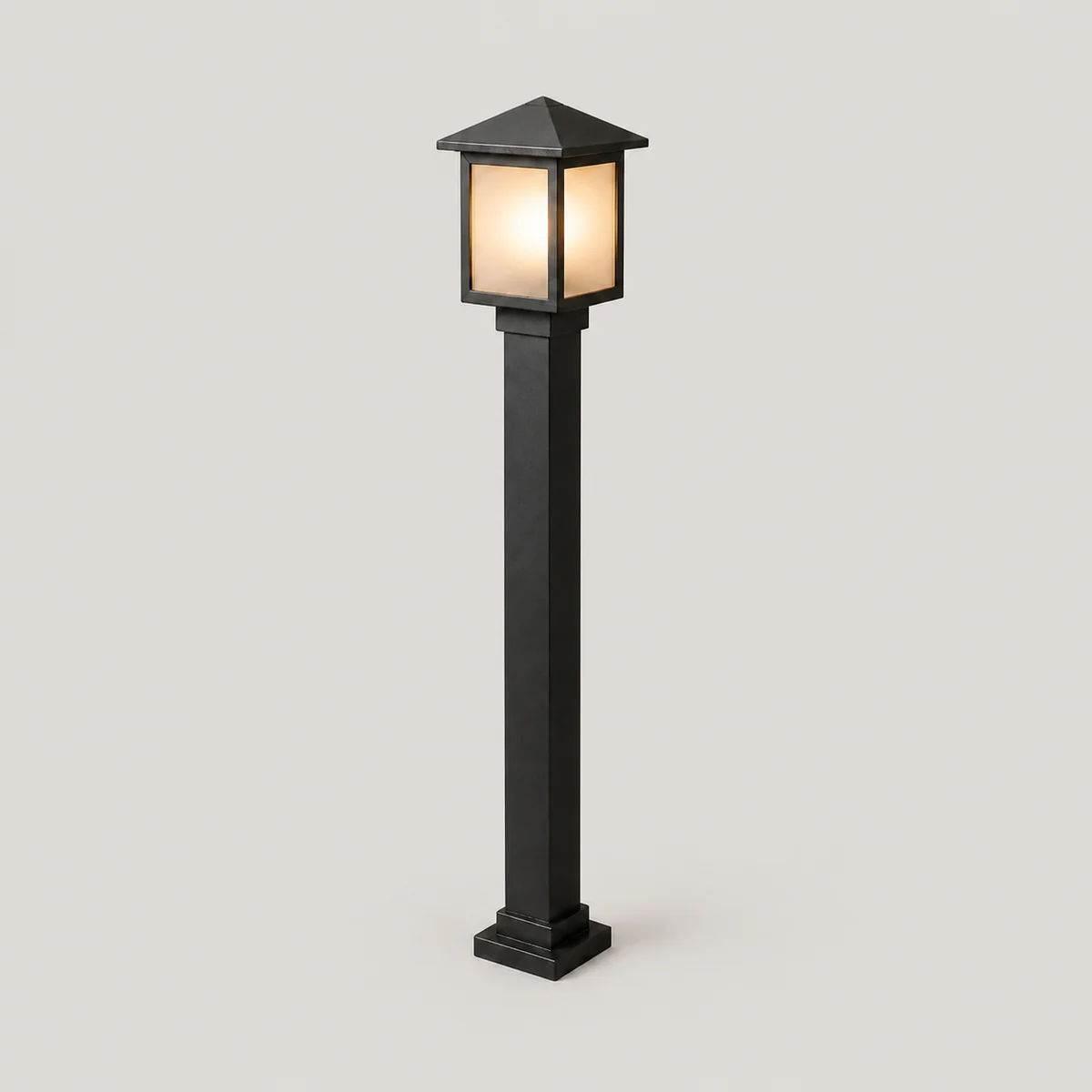
asset:lantern
pack-lamp-glow · pack-lantern-glass · qsr-charcoal
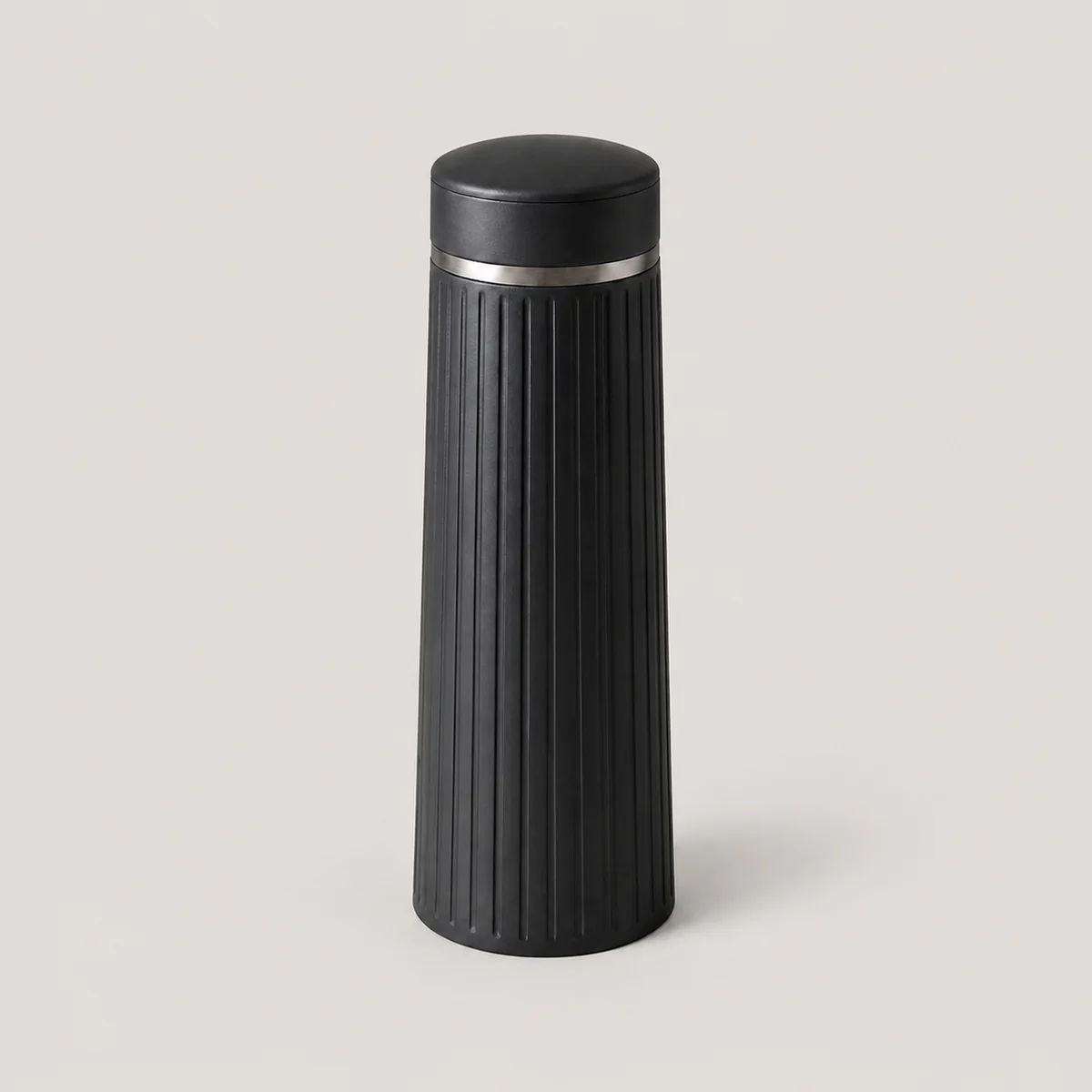
asset:bollard
qsr-charcoal · stainless
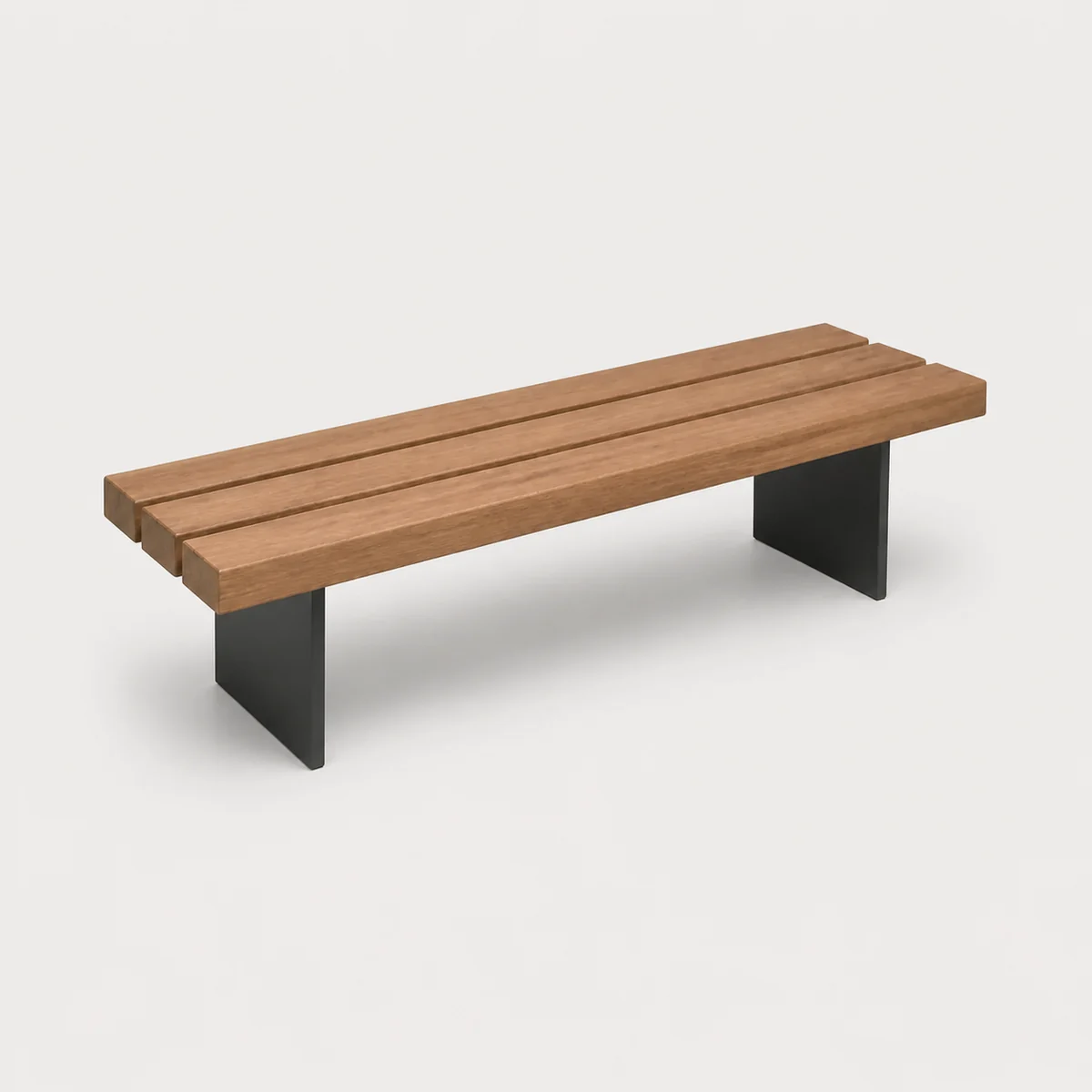
asset:bench
pack-teak · qsr-charcoal
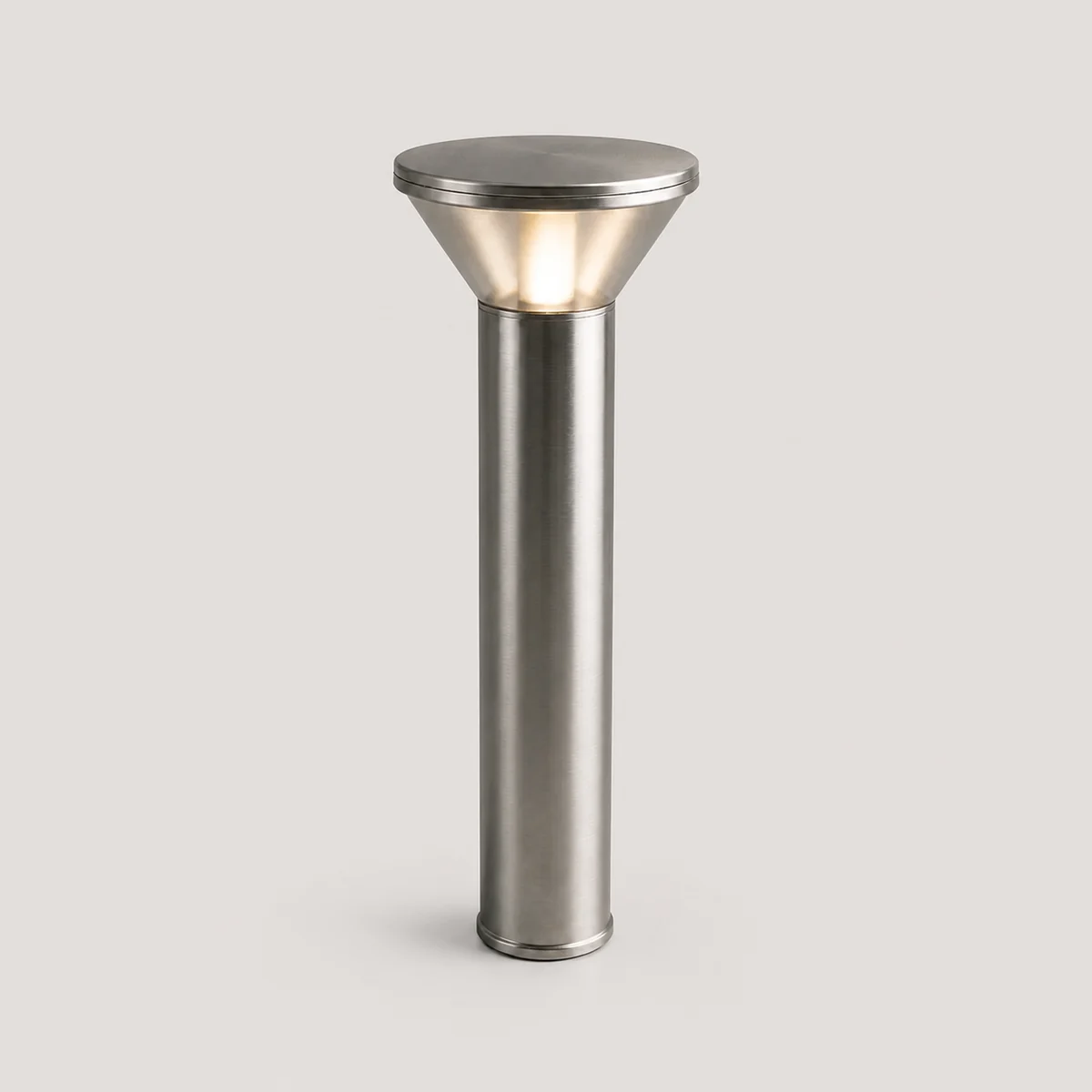
asset
pack-lamp-glow · stainless
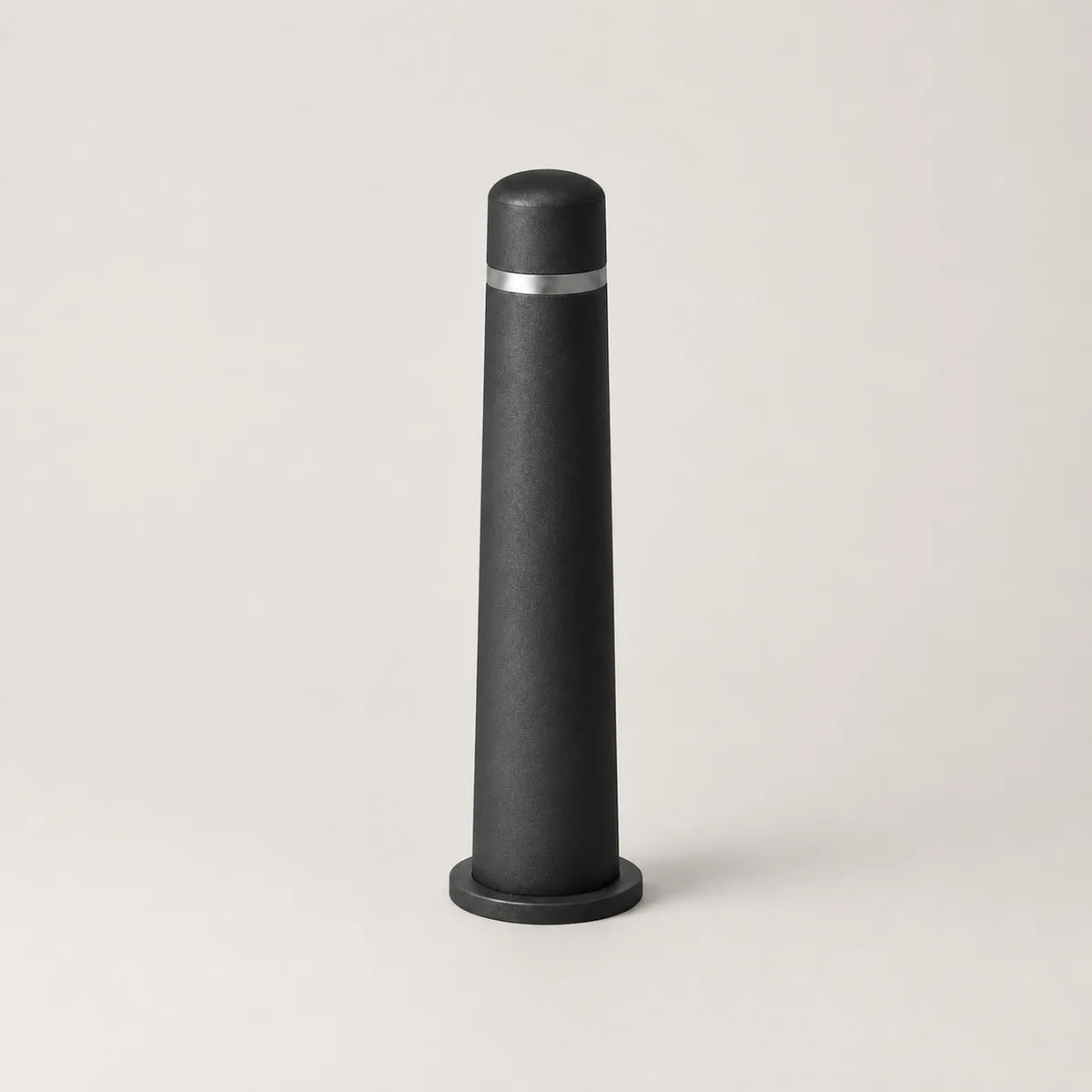
asset:bollard
qsr-charcoal · stainless
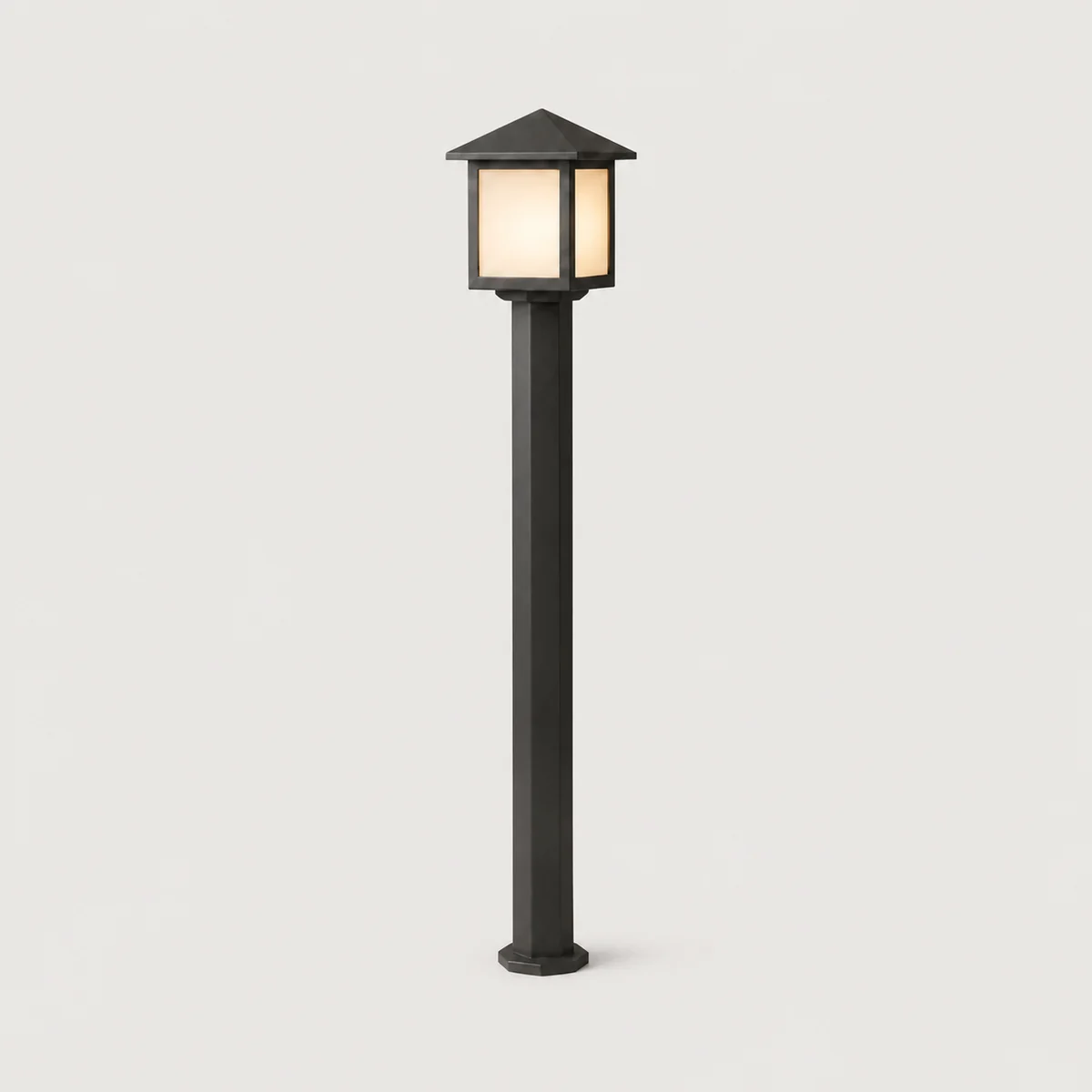
asset:lantern
pack-lamp-glow · qsr-charcoal
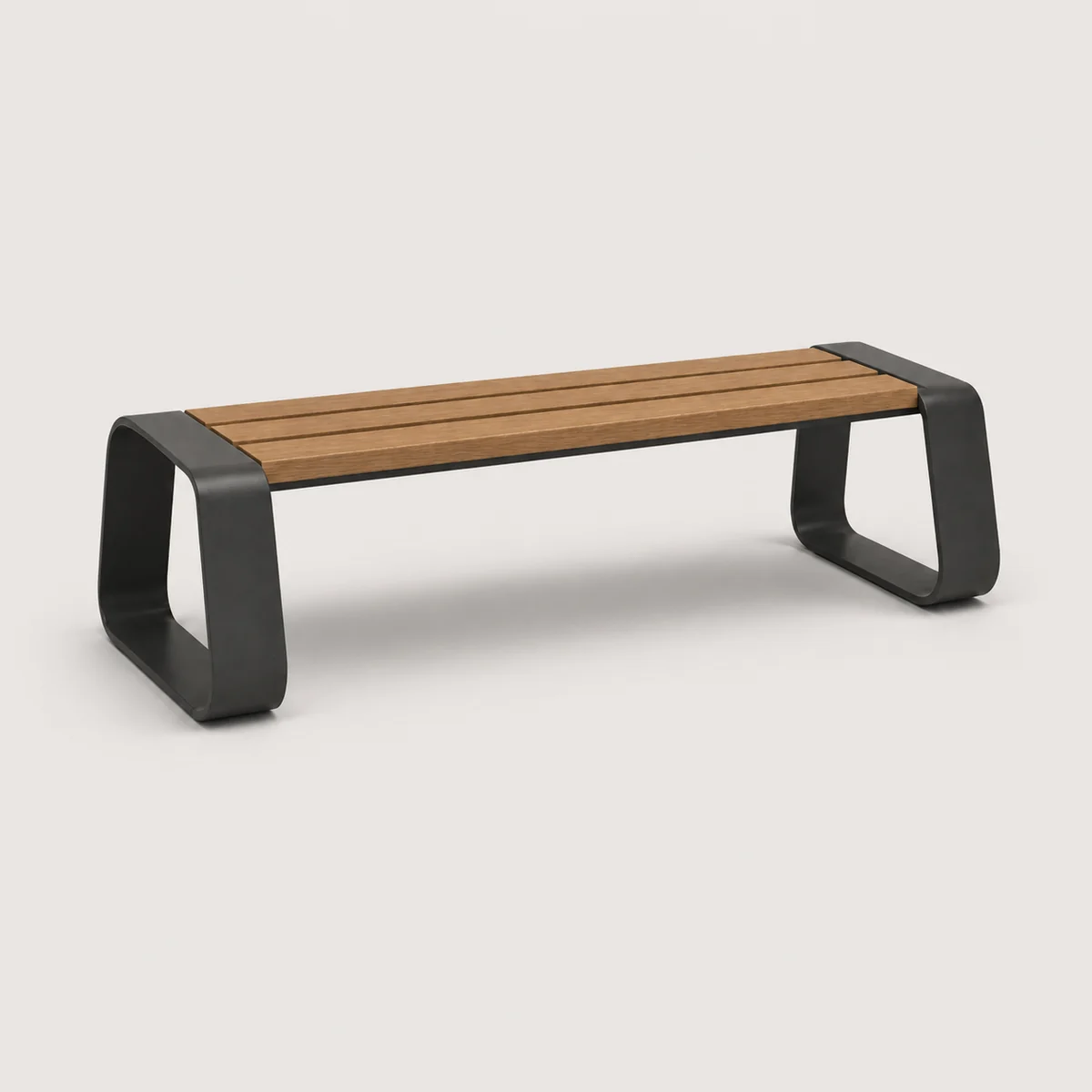
asset:bench
pal-timber-dark · qsr-charcoal
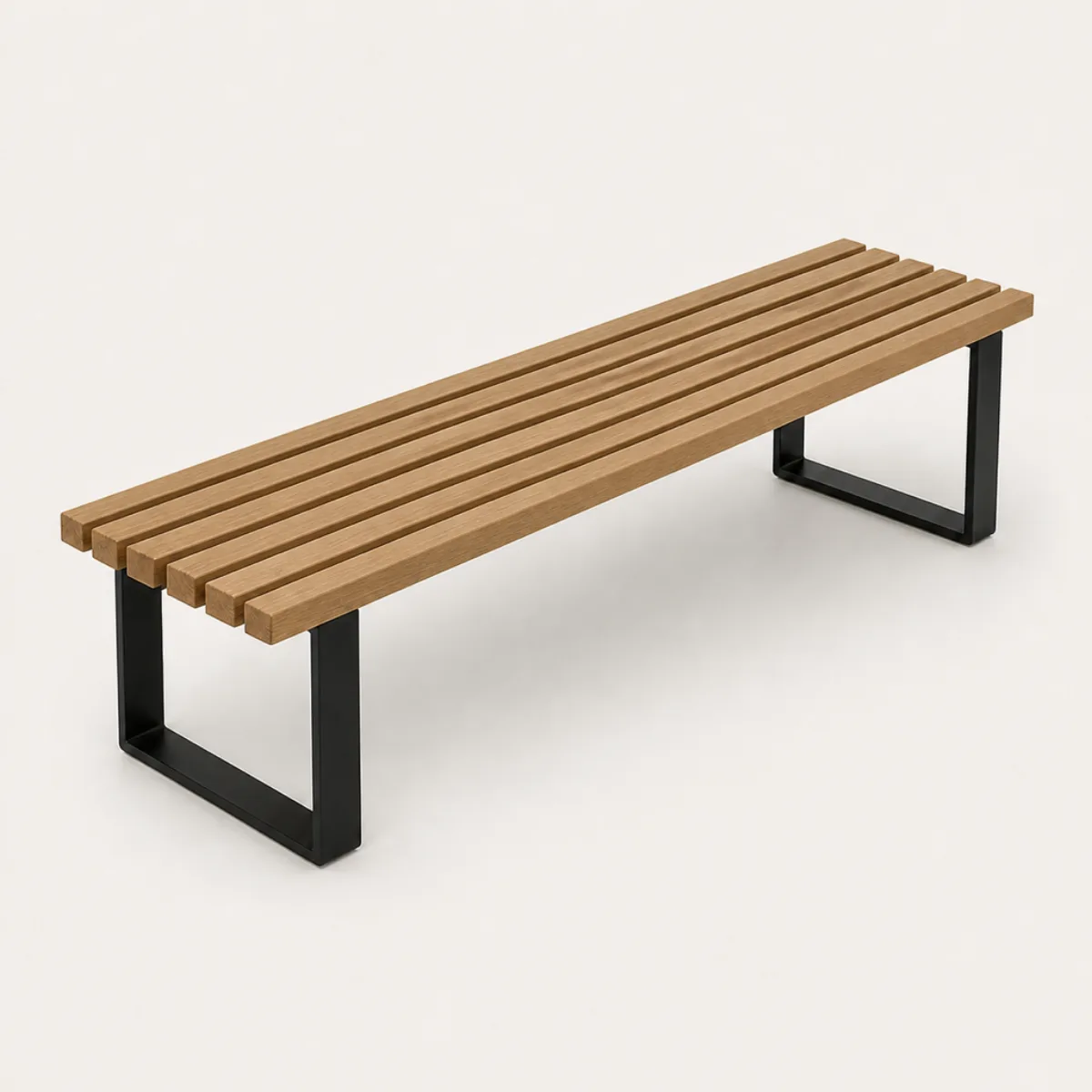
furniture:bench
pack-site-timber · pal-charcoal
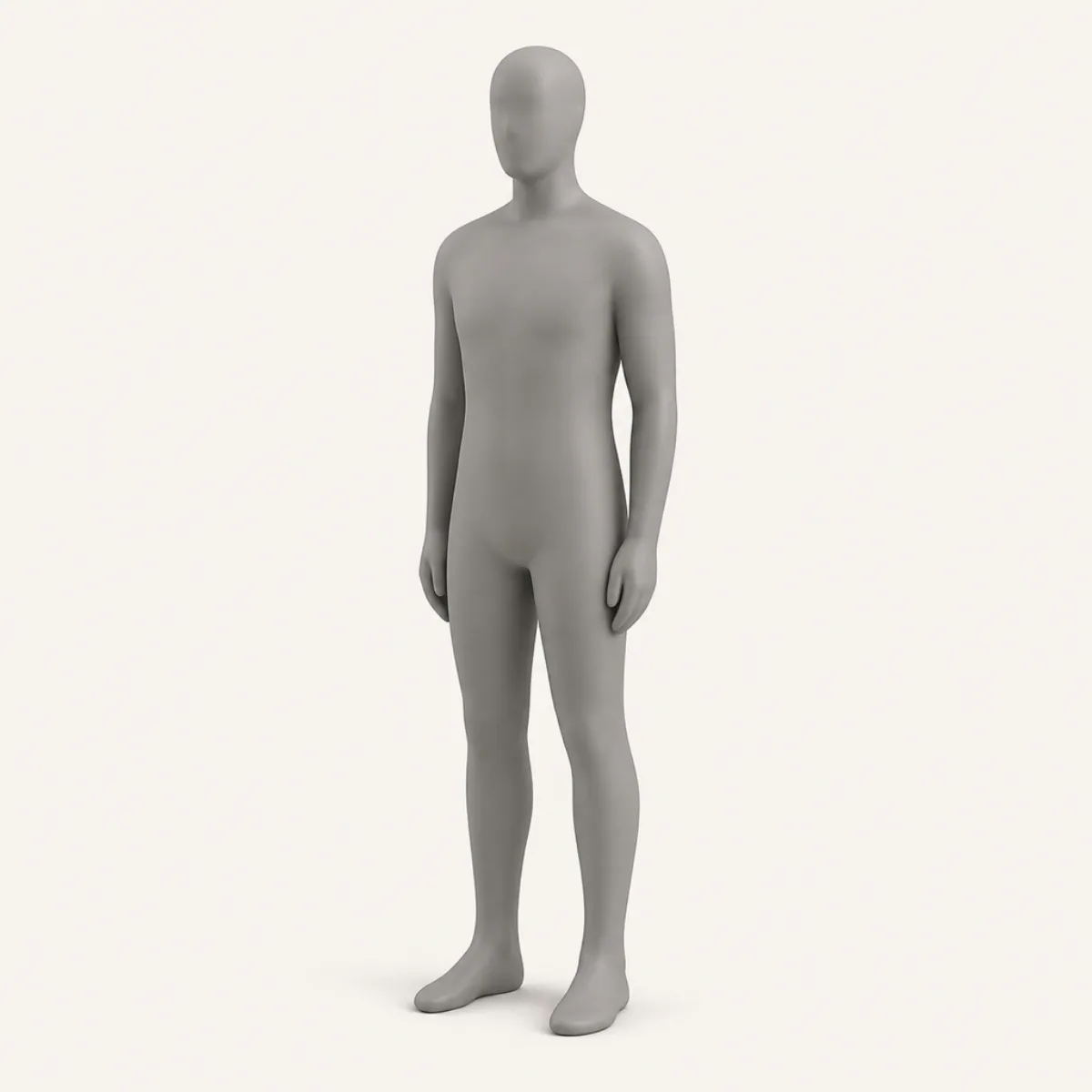
asset:person
pal-felt
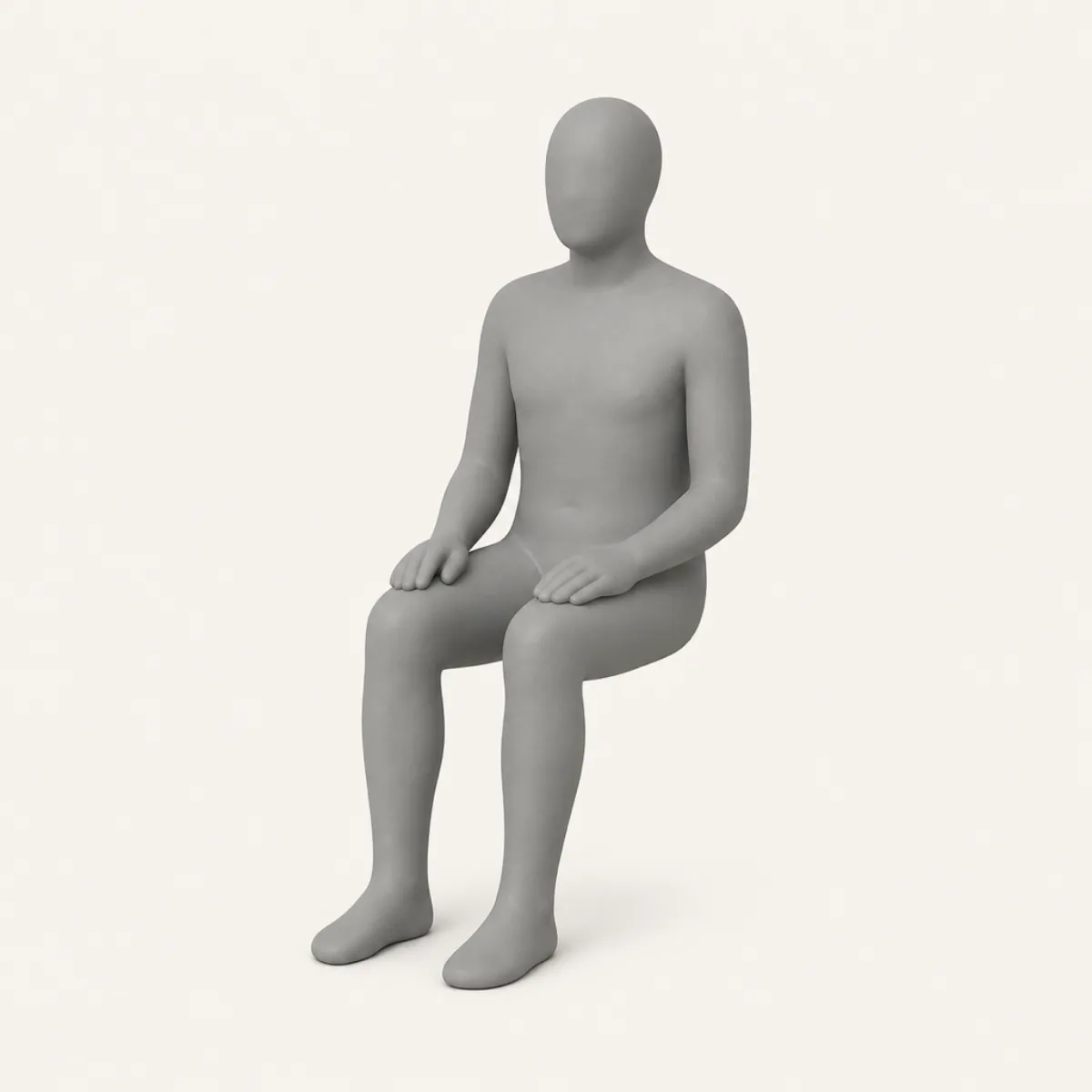
asset:person-seated
pal-felt
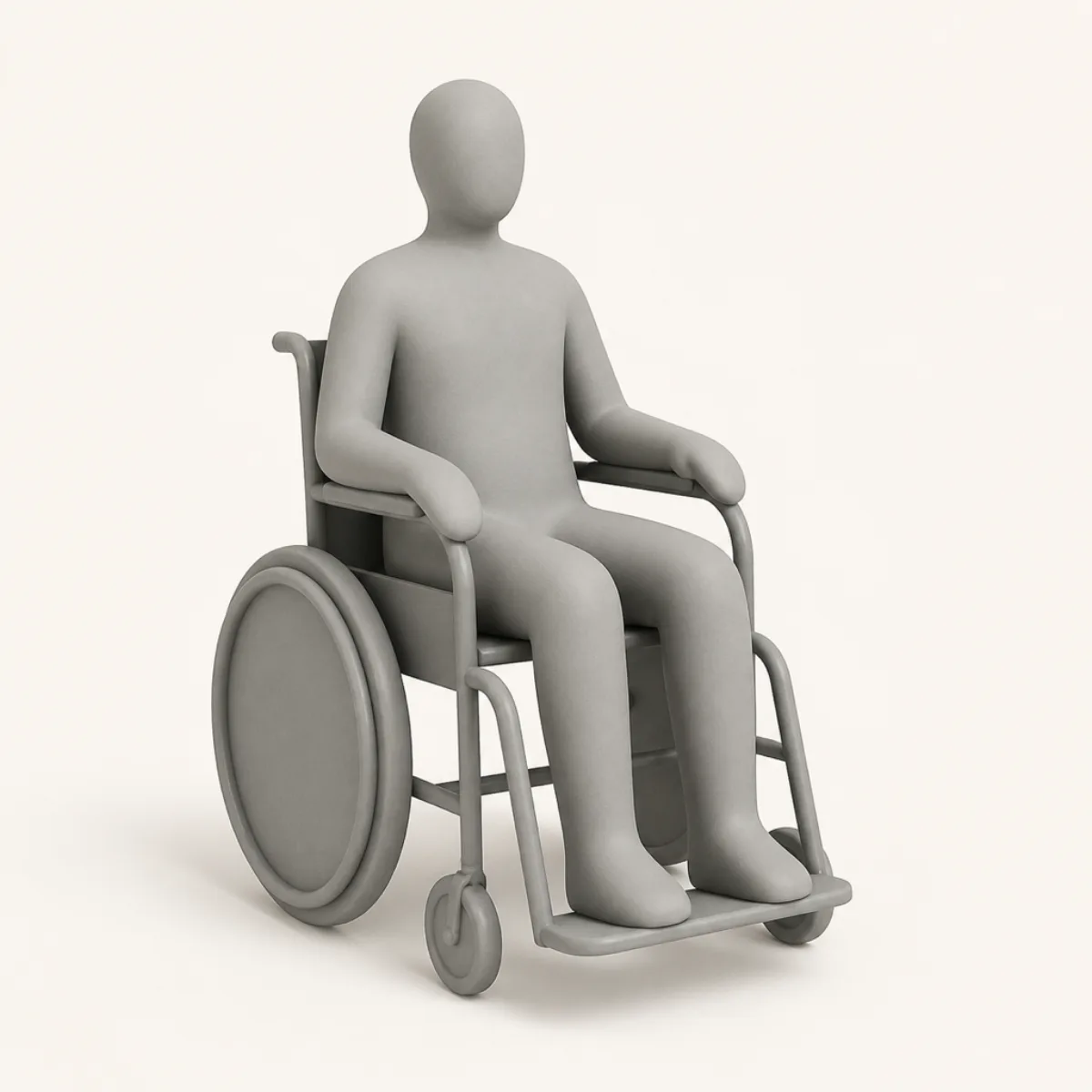
asset:person-wheelchair
pal-charcoal · pal-felt
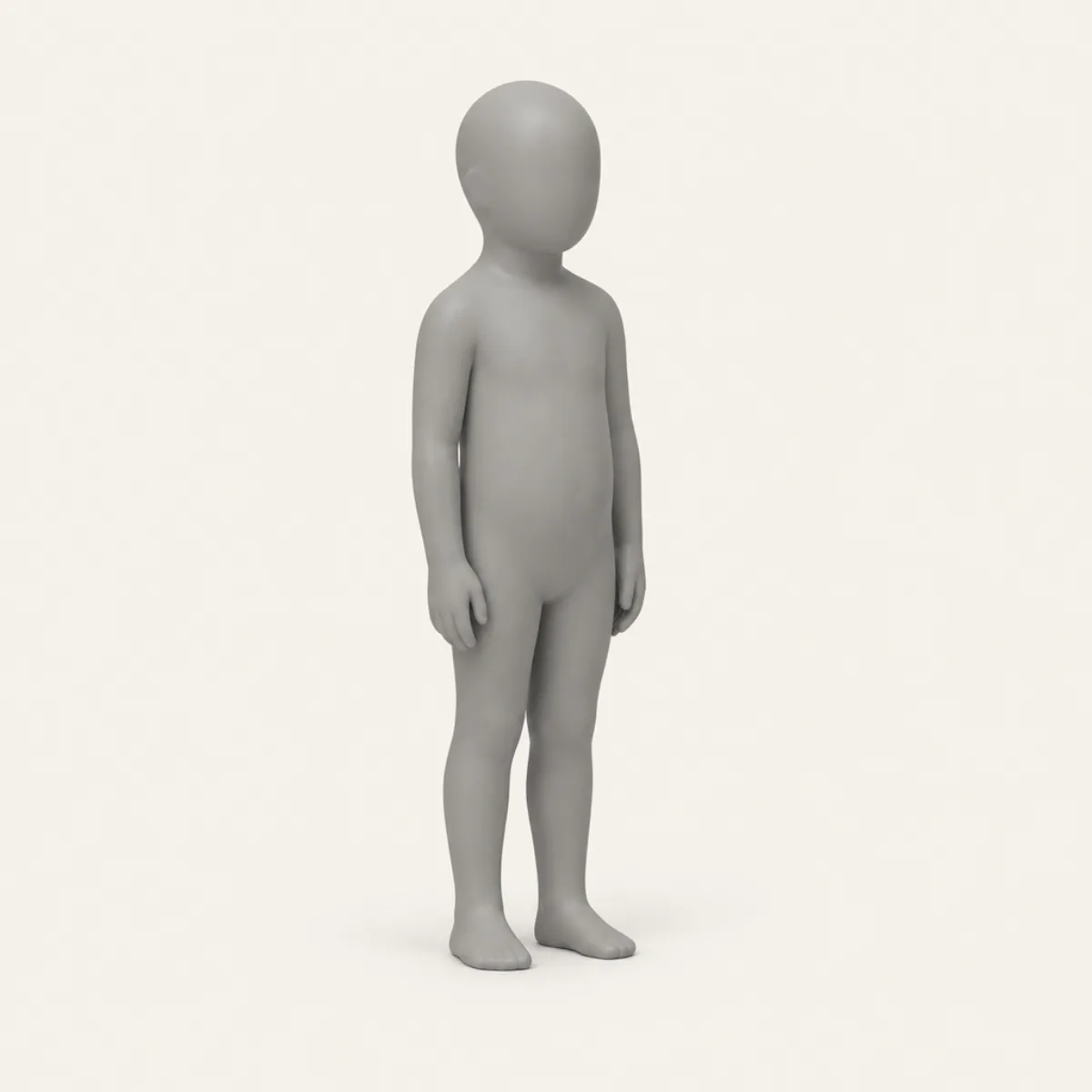
asset:person-child
pal-felt
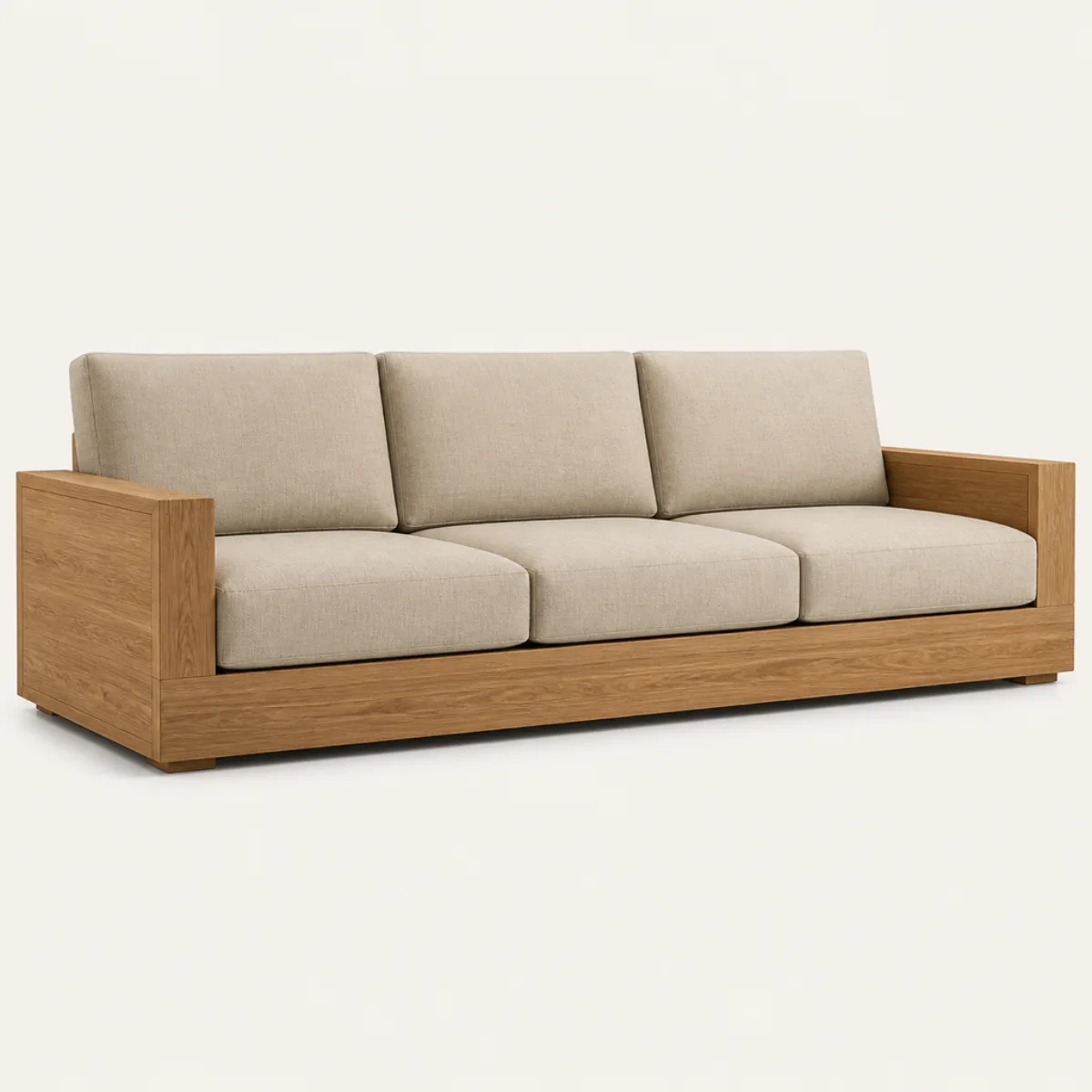
asset:outdoor-sofa
pack-site-cushion · pack-site-timber
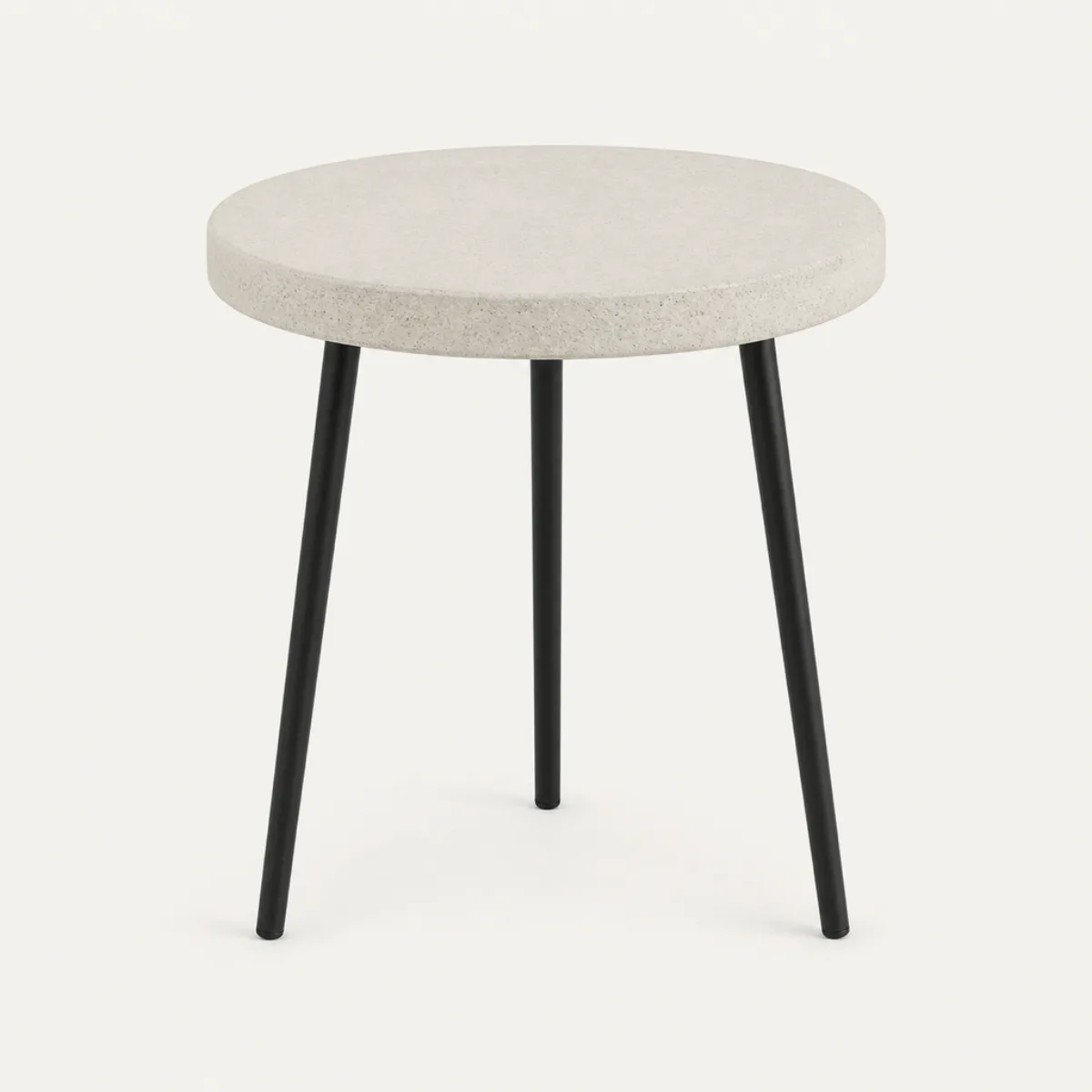
asset:pool-side-table
pack-site-timber · pal-charcoal
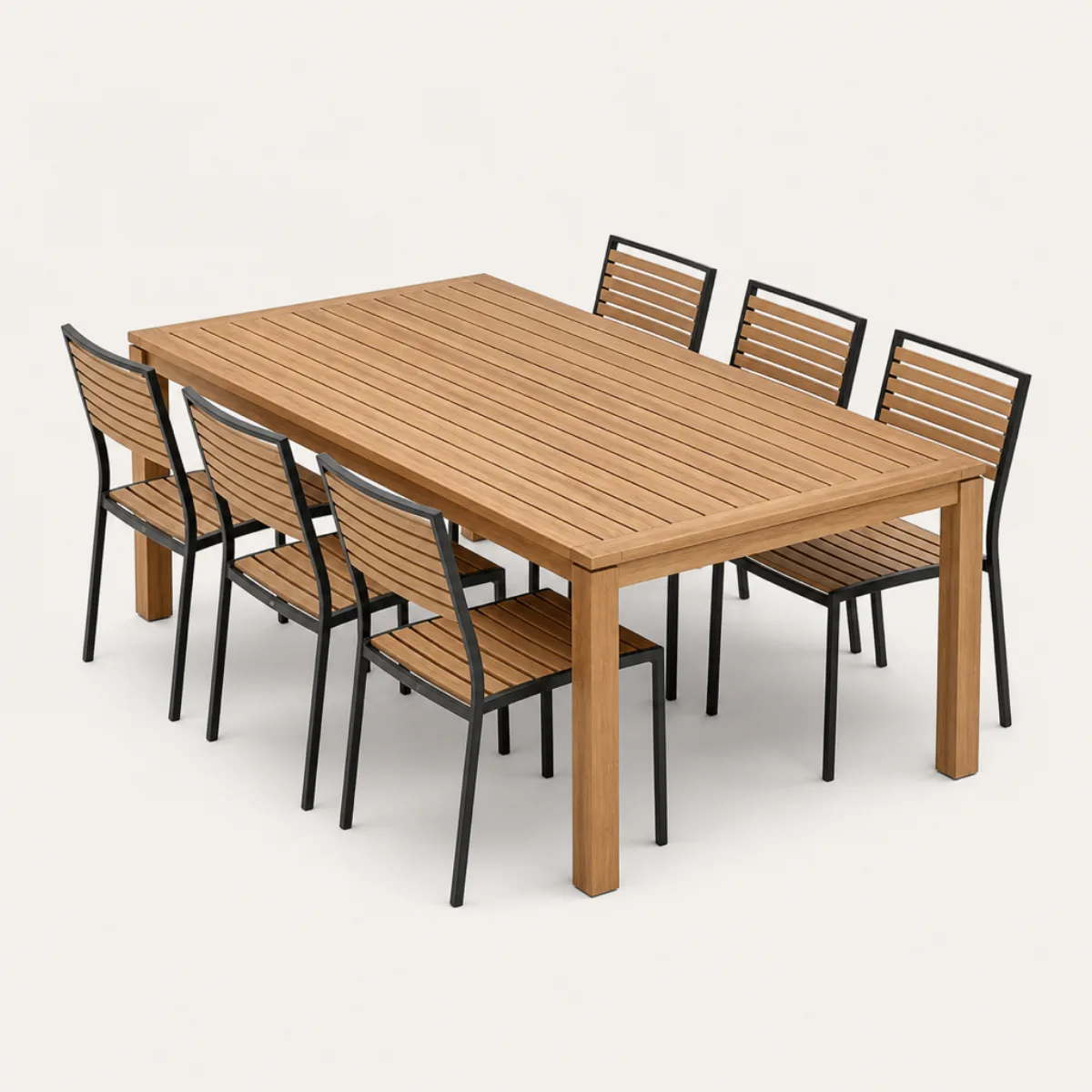
asset:outdoor-dining-set
pack-site-timber · pal-charcoal
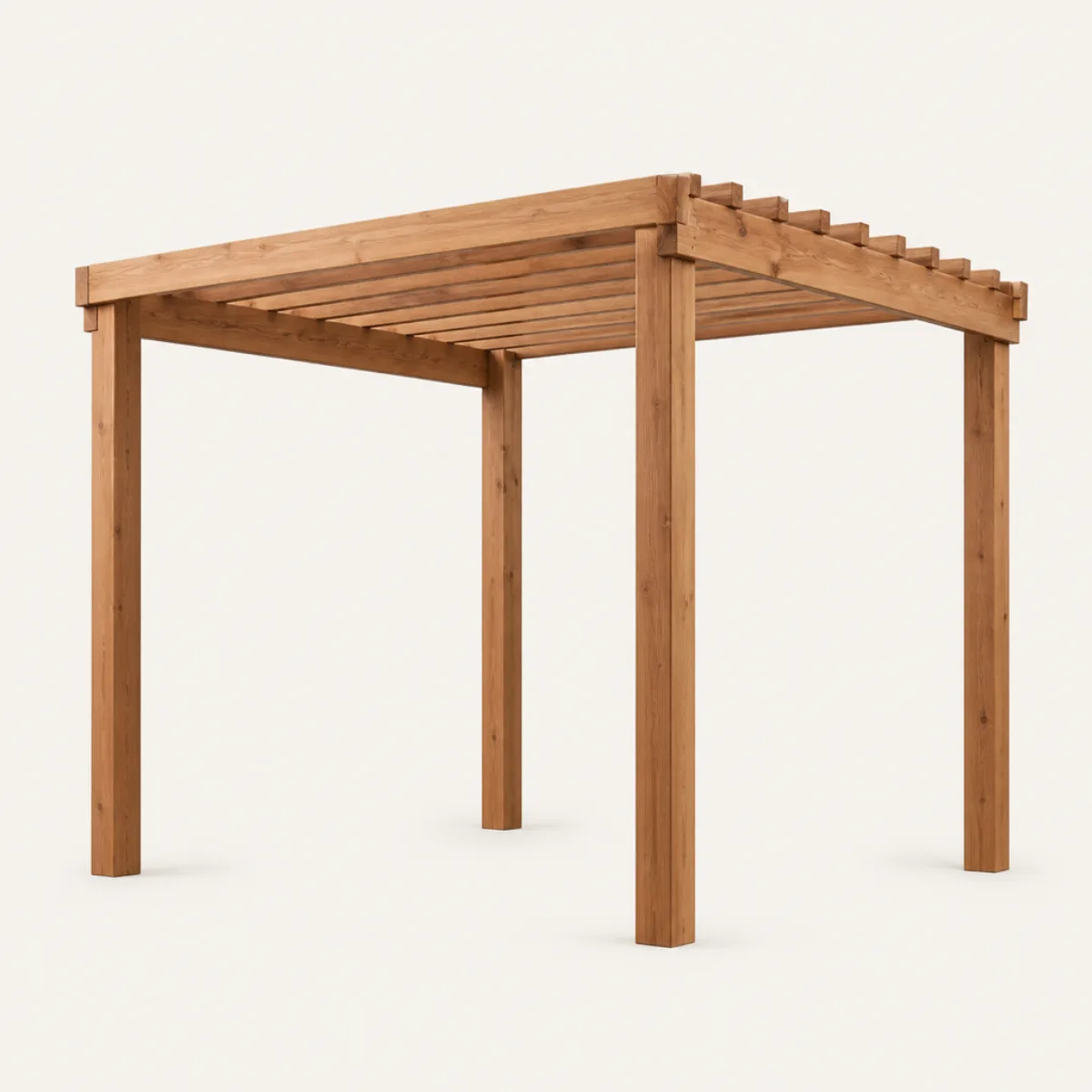
asset:pergola
pack-site-timber
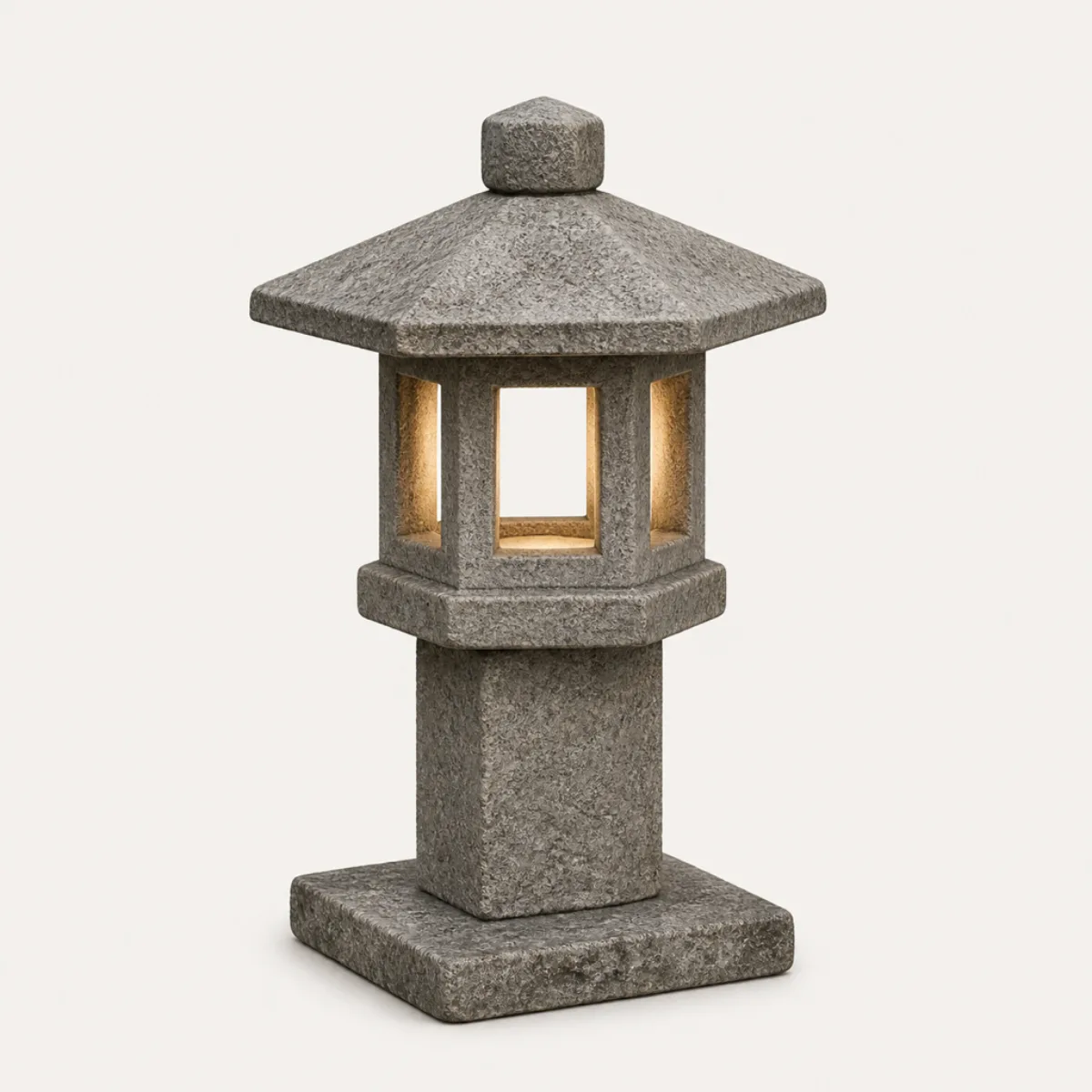
asset:stone-lantern
pack-garden-lantern-glass · pack-site-weathered-stone
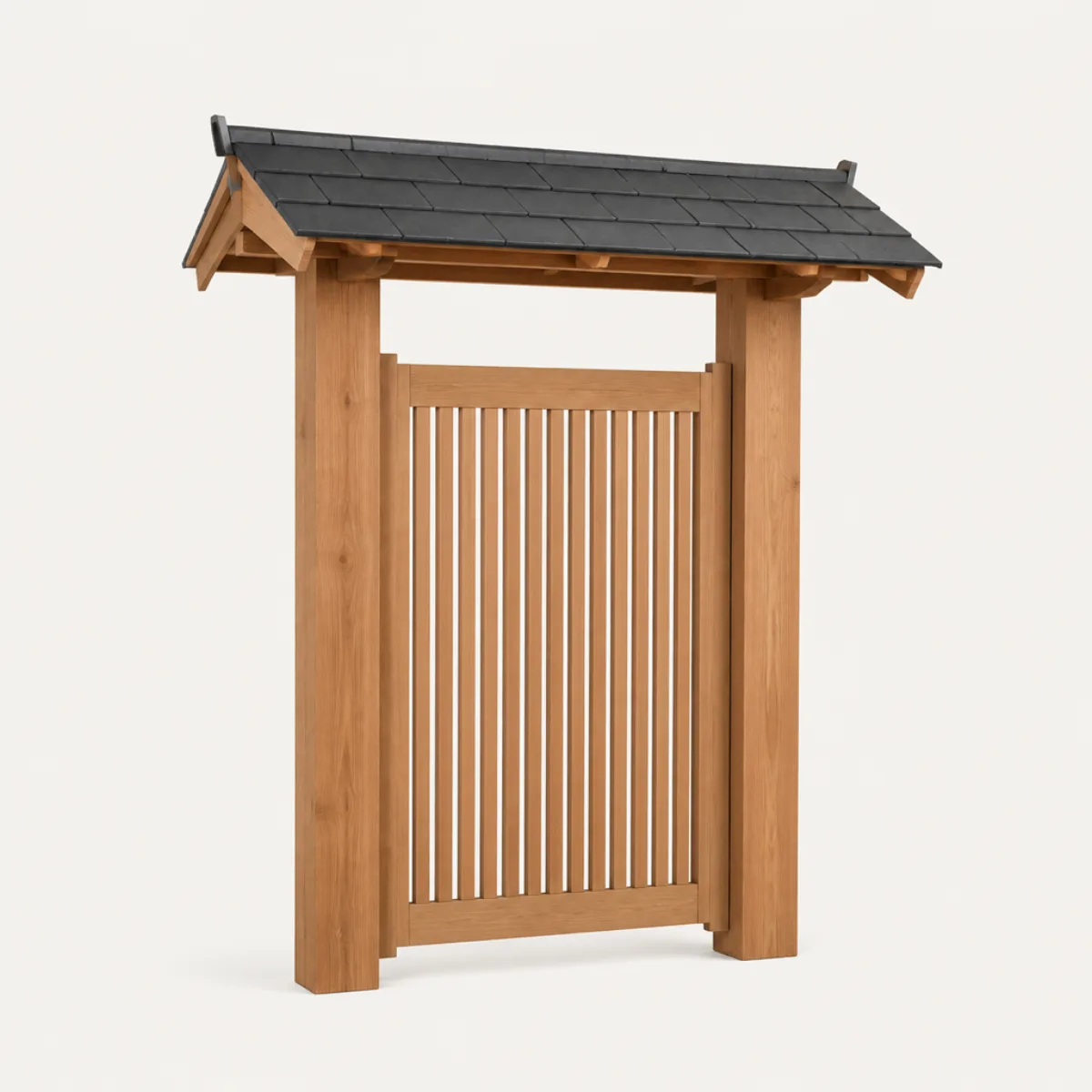
asset:gate
qsr-charcoal · timber
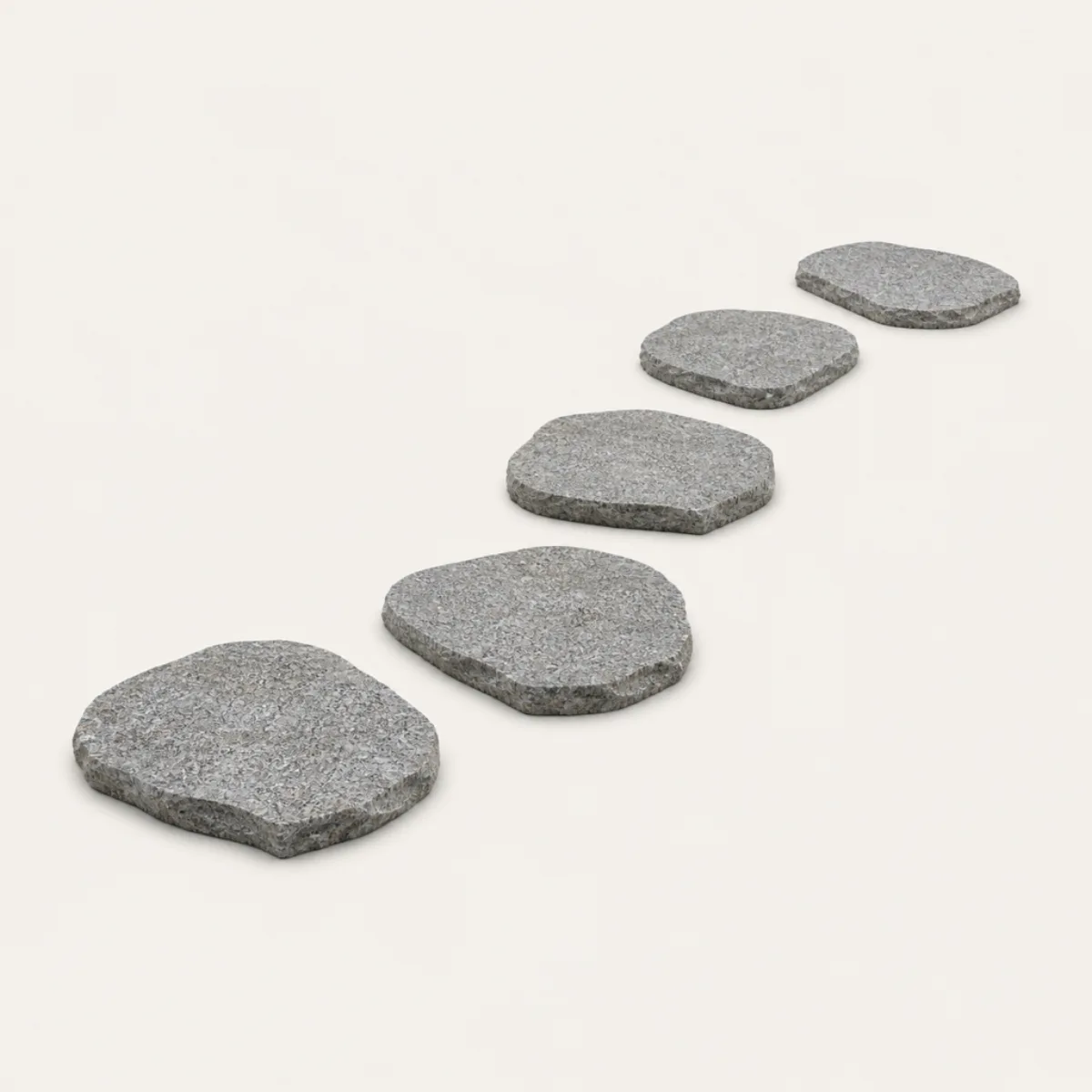
asset:stepping-stones
pack-site-weathered-stone
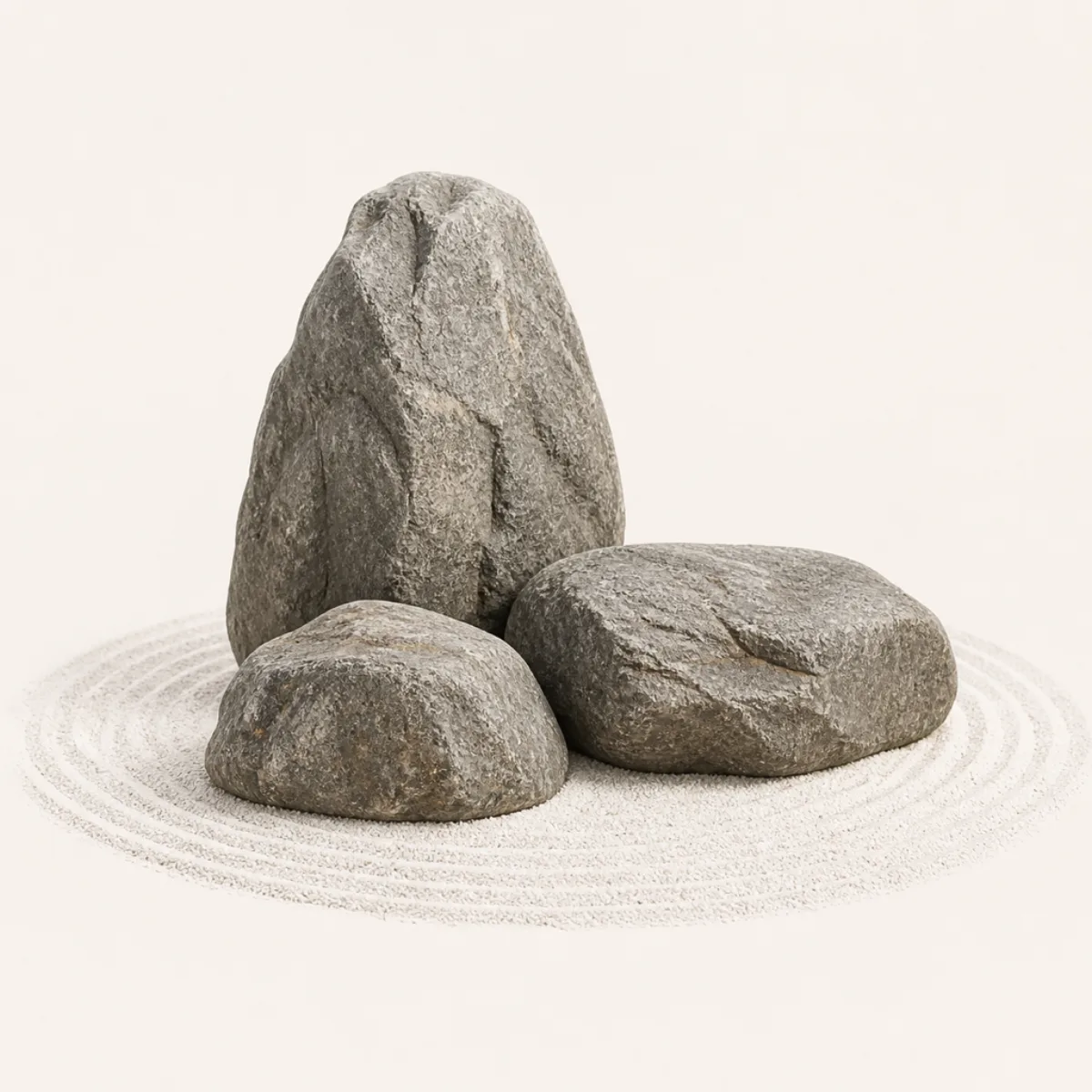
asset:rock-garden
pack-site-rake-shadow · pack-site-raked-gravel · pack-site-weathered-stone
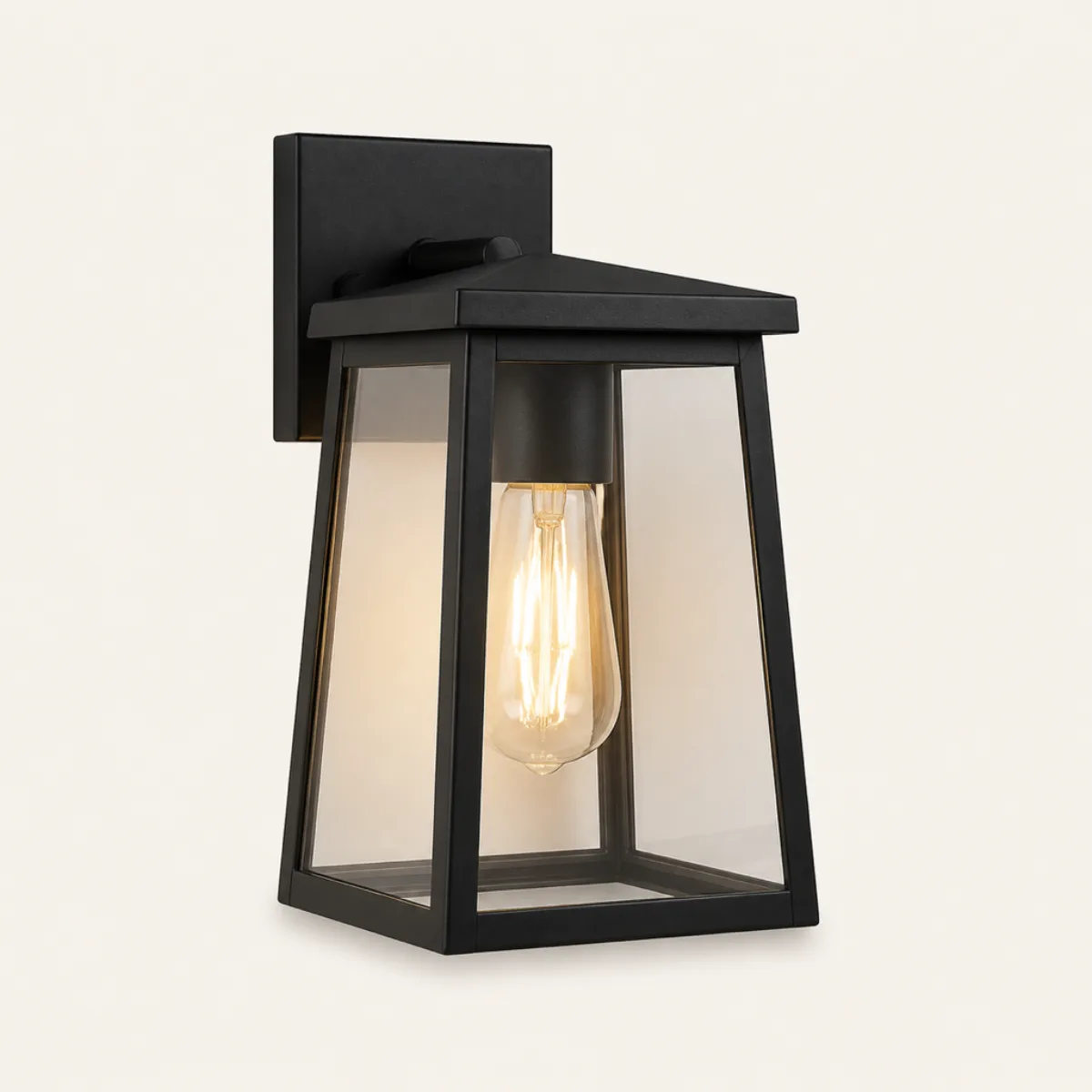
asset:wall-lantern
glass · pack-wall-lantern-glow · pal-charcoal
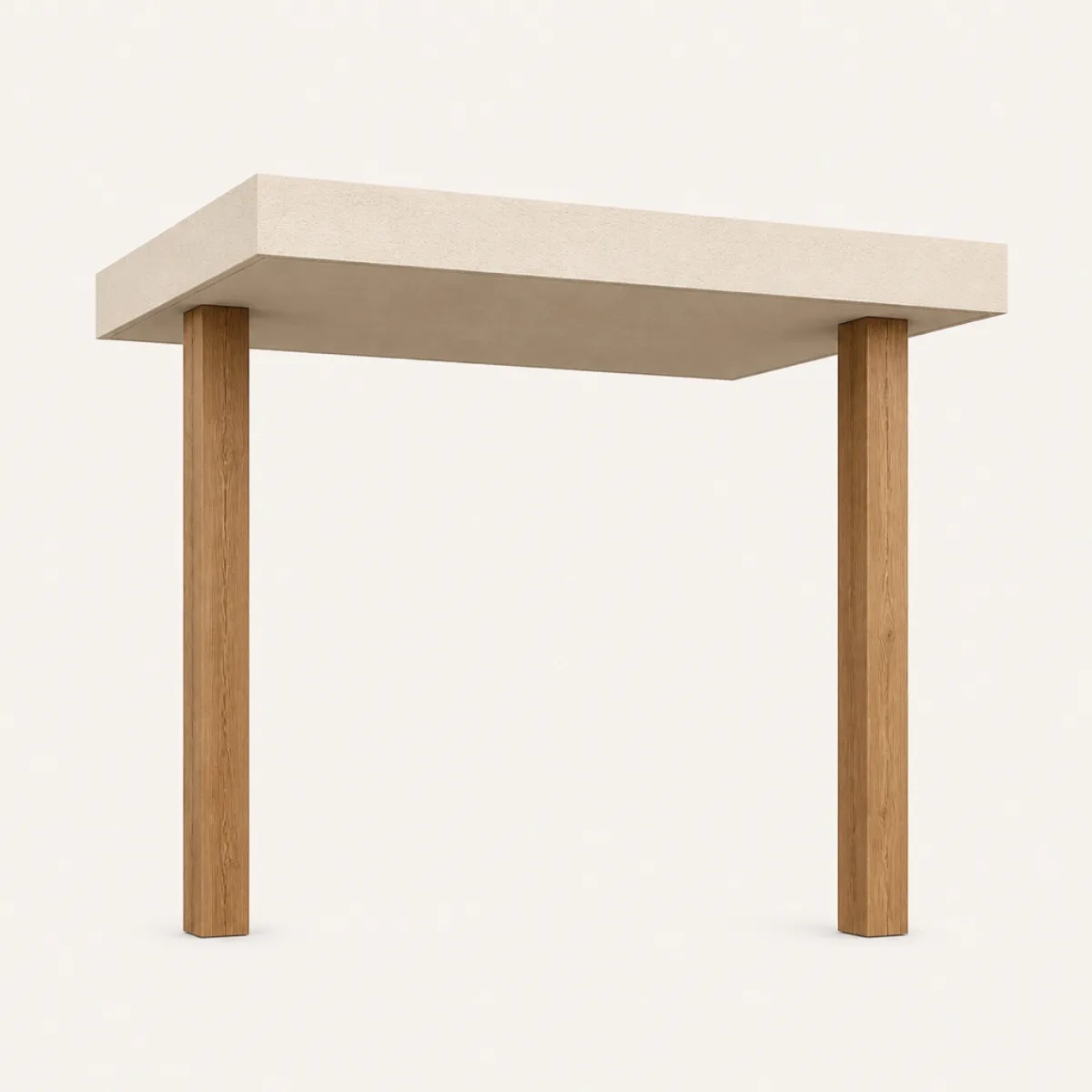
asset:entry-porch
pack-site-timber · pal-white
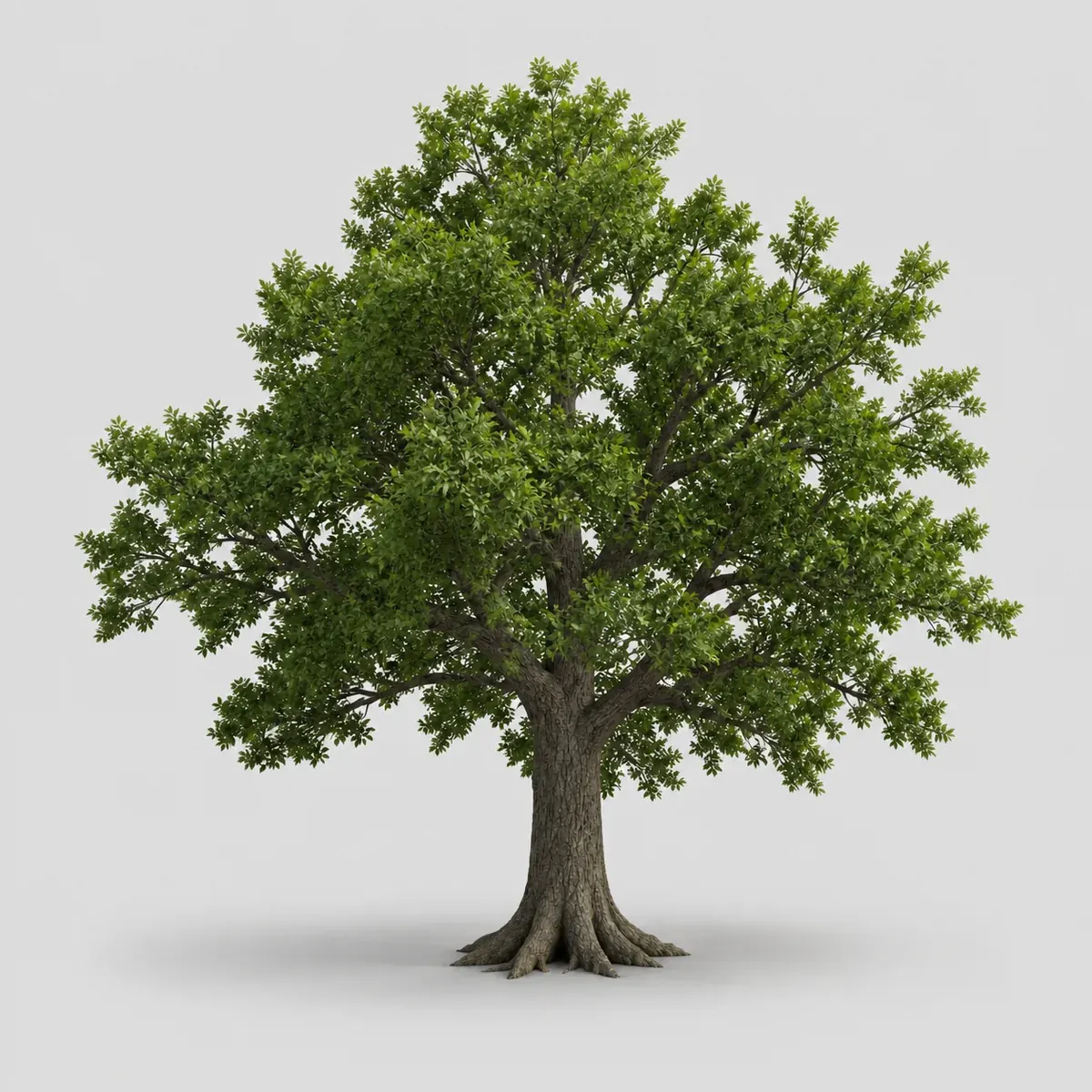
tree:oak
5 finishes
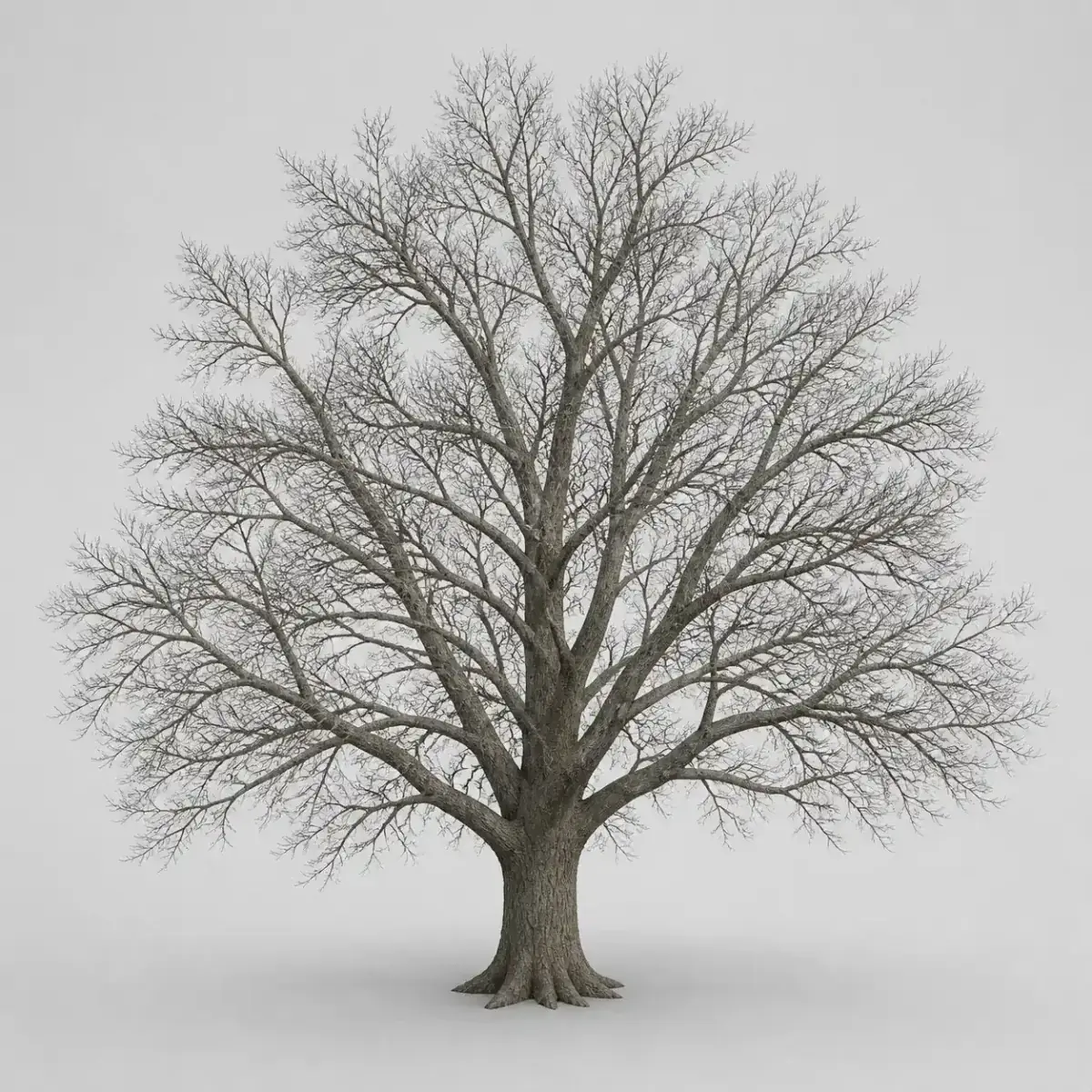
tree:bare
3 finishes
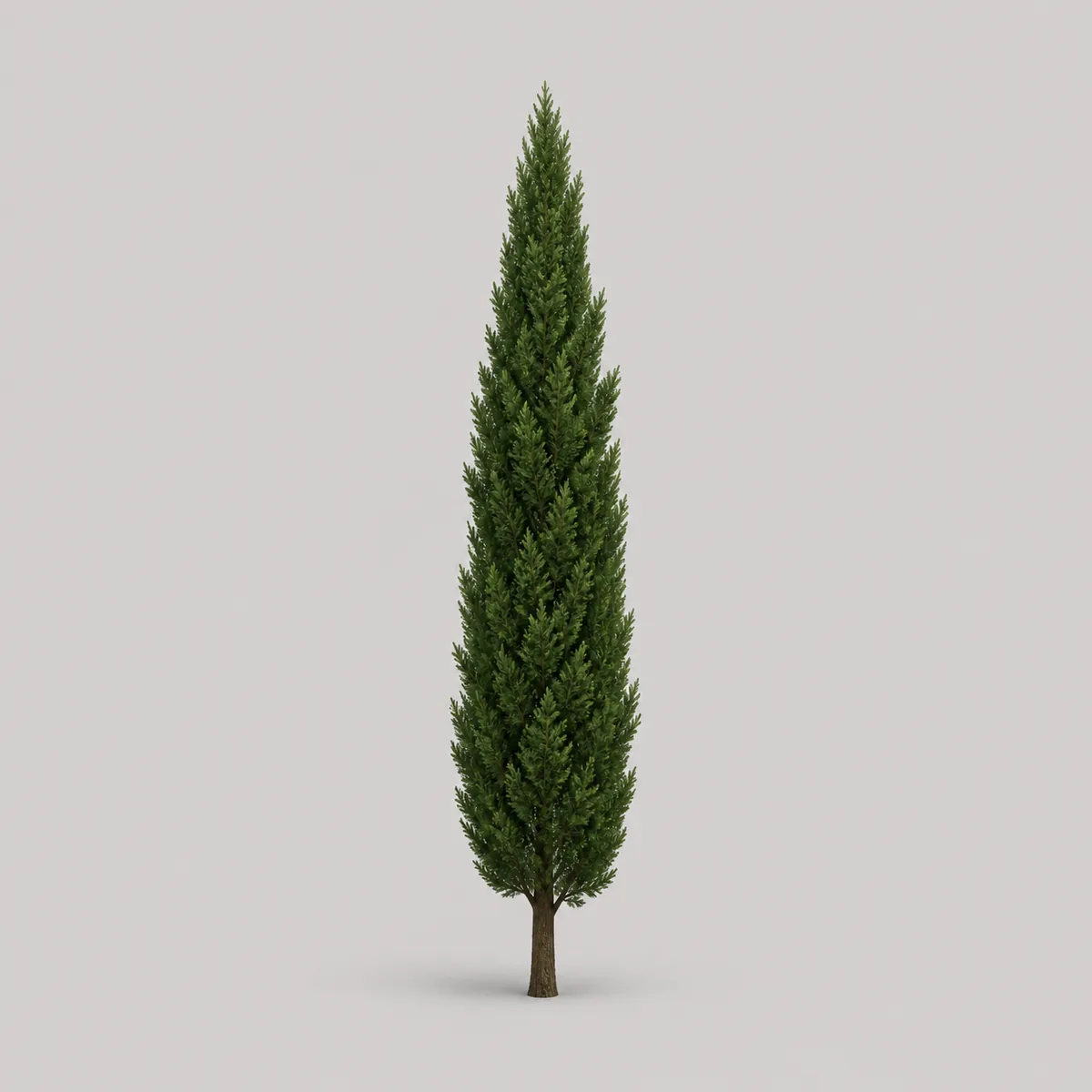
tree:pine
2 finishes
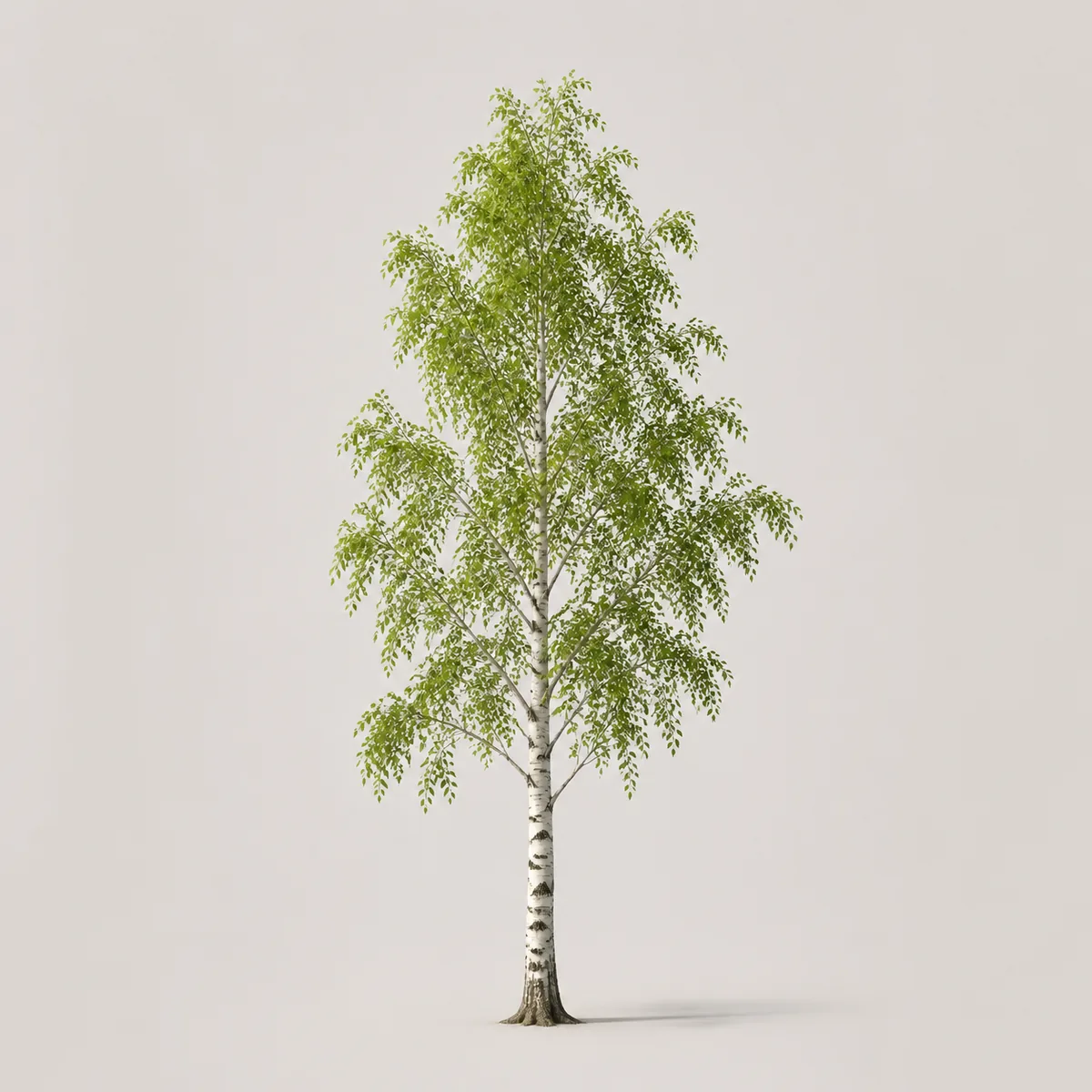
tree:birch
3 finishes

tree:topiary
3 finishes
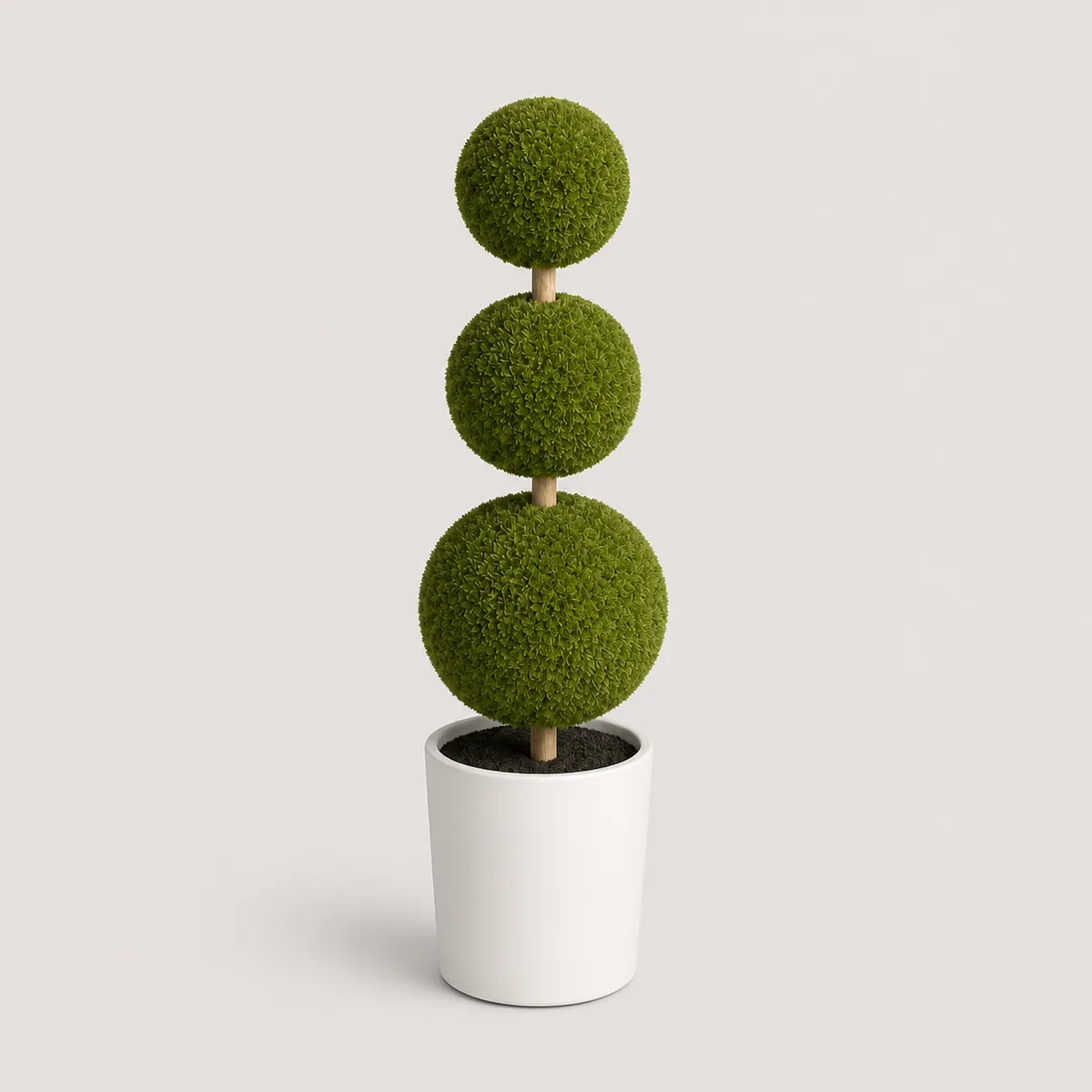
tree:topiary-pot
3 finishes
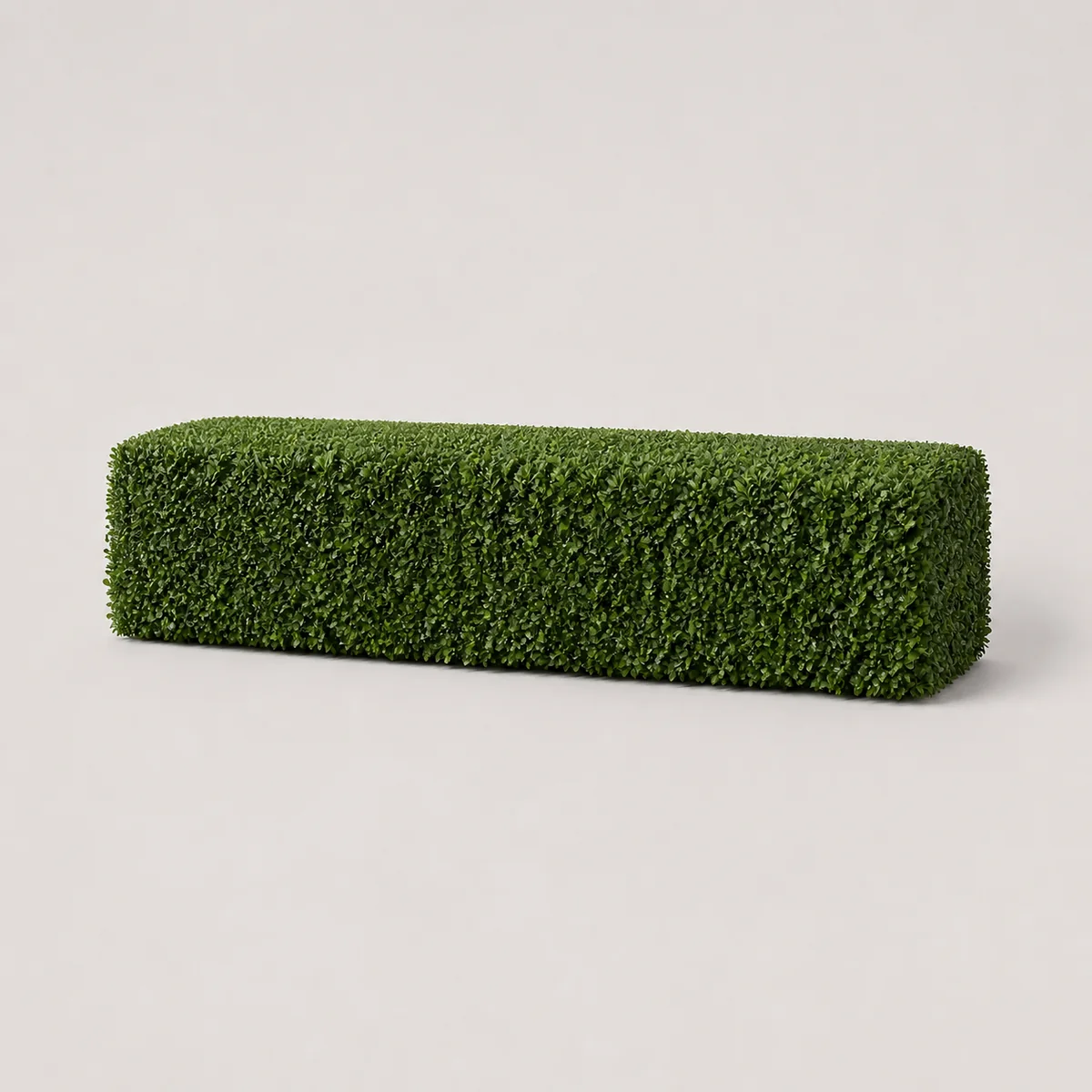
tree:hedge
2 finishes

tree:grass
2 finishes
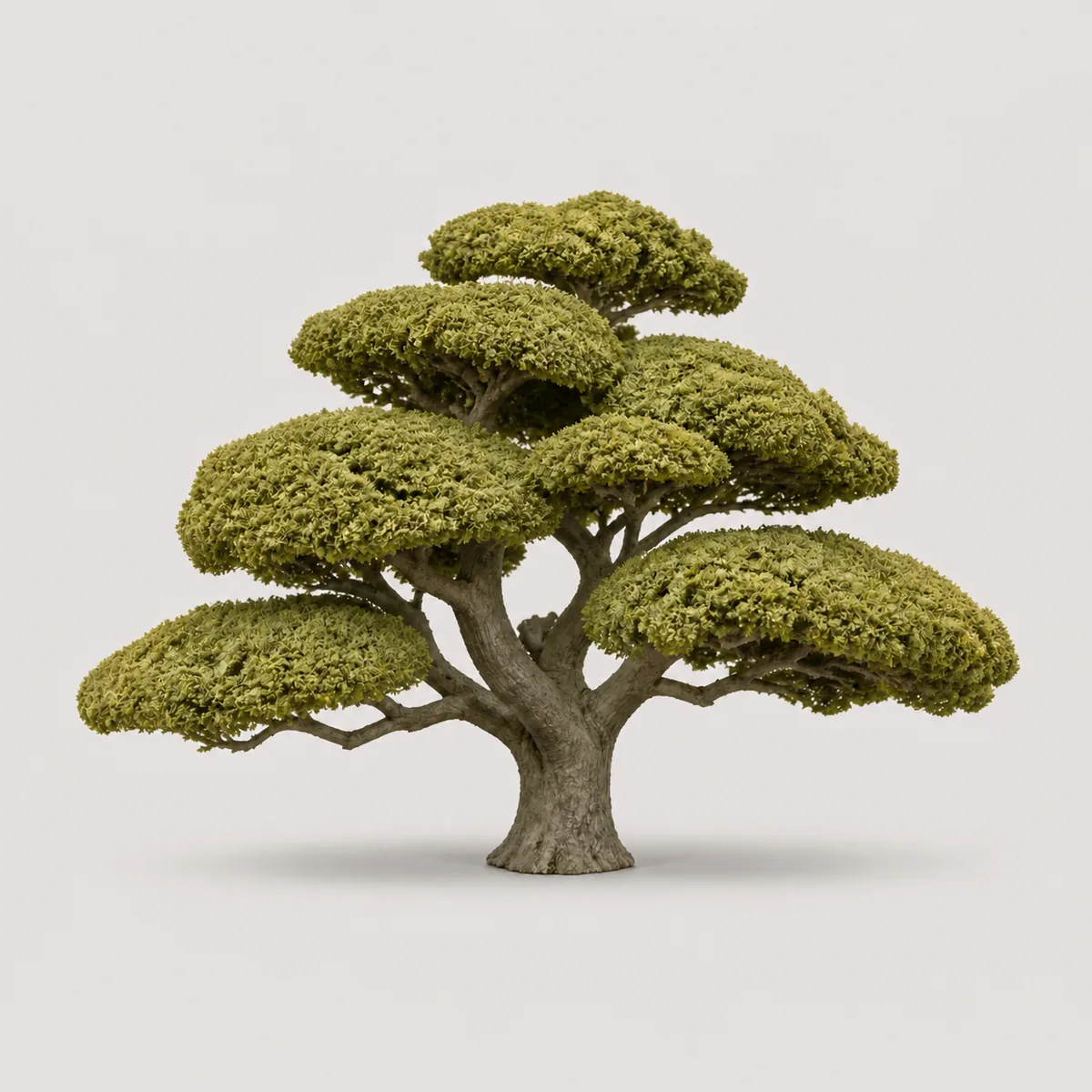
tree:oak-layered
pal-leaf-pale · pal-timber-dark
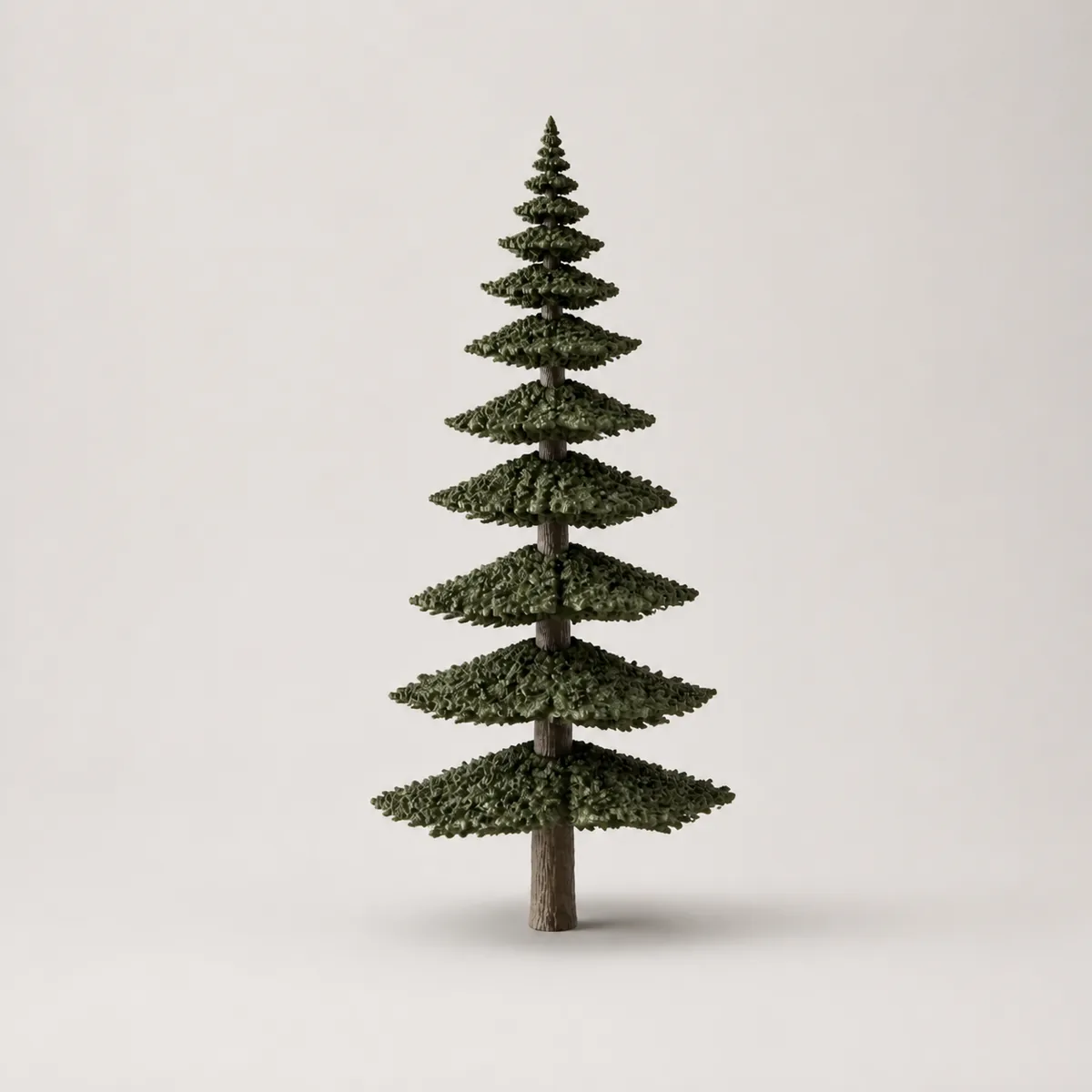
tree:pine-tiered
pack-dark-bark · pack-pine-needle
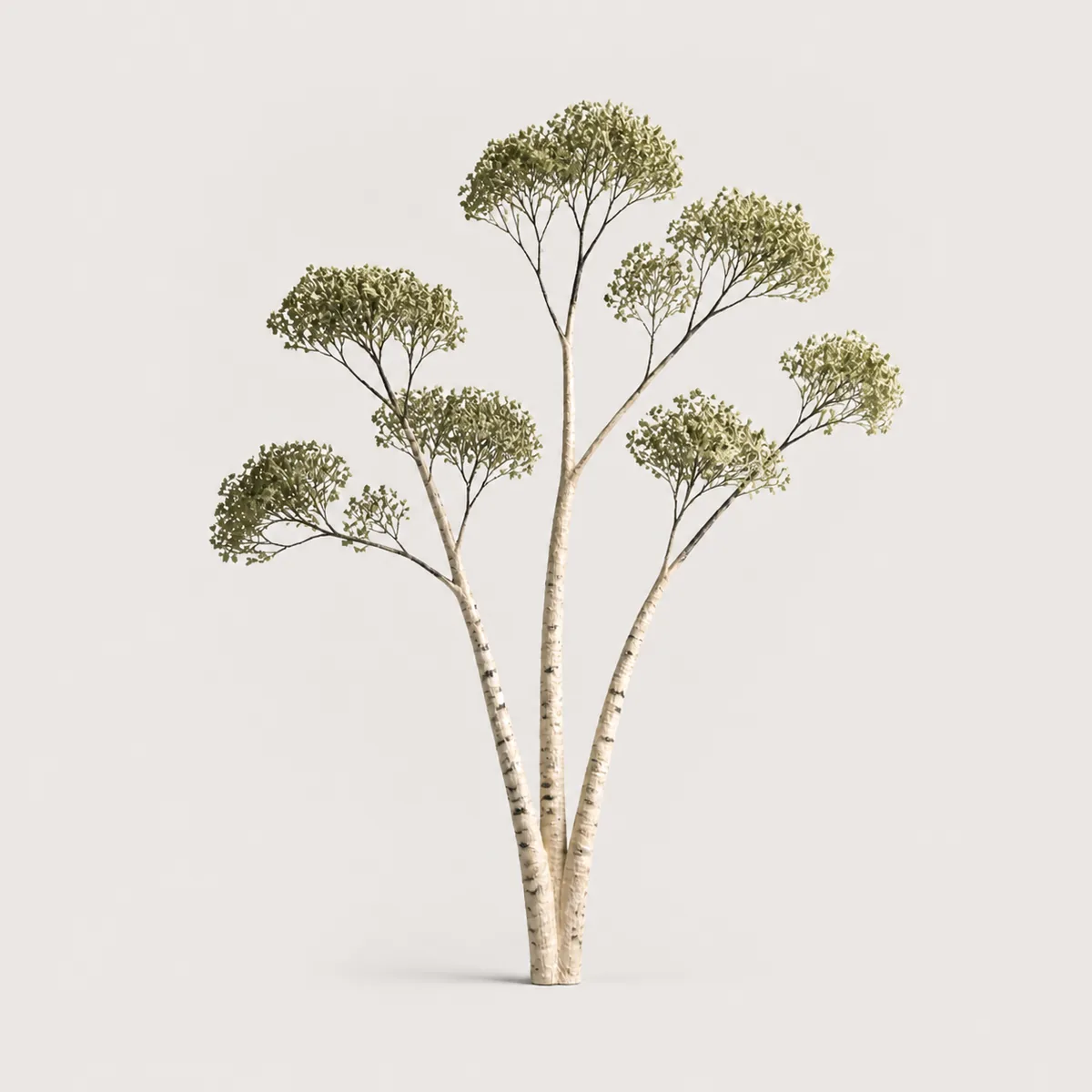
tree:birch-grove
pal-leaf-pale · pal-timber-dark
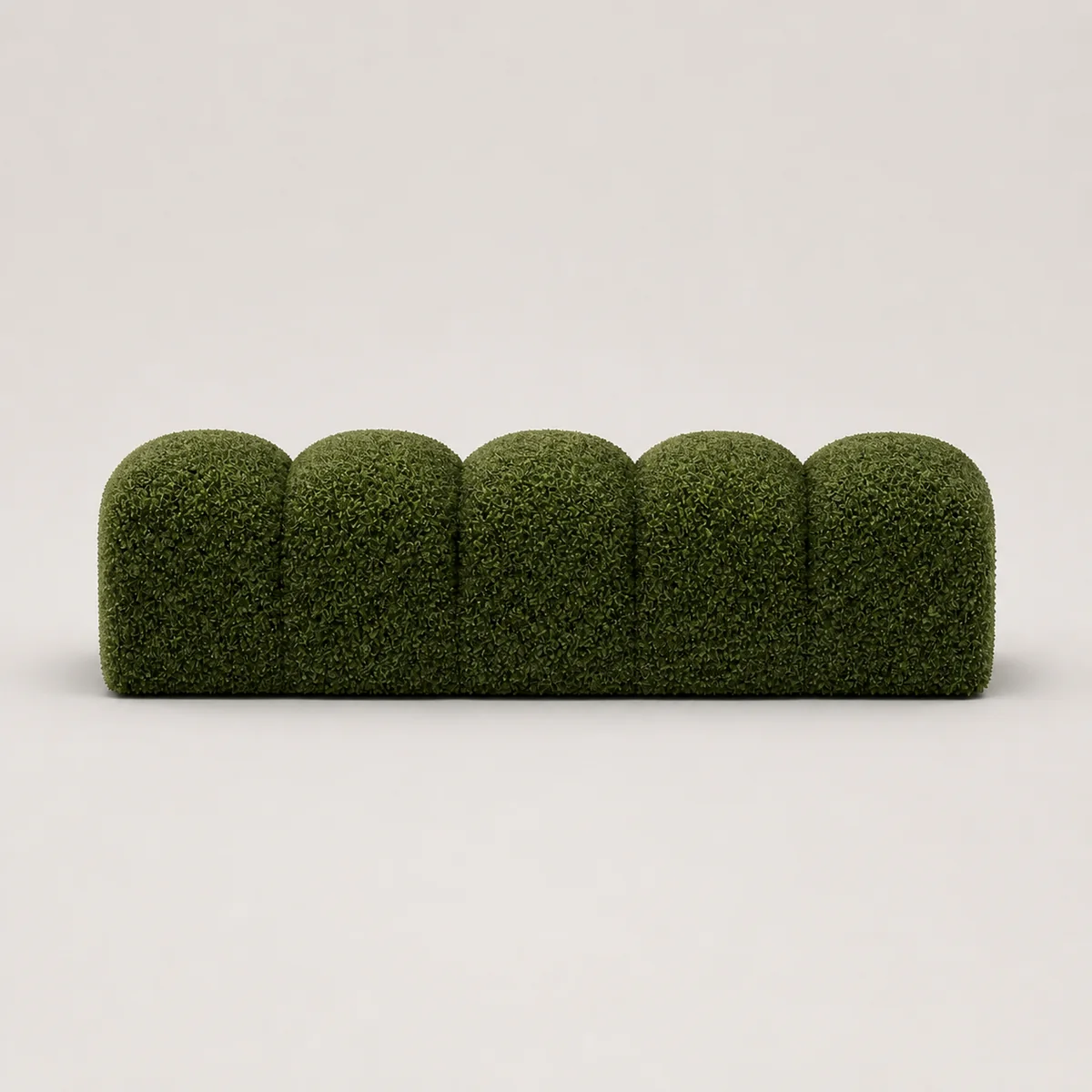
tree:hedge-parterre
pal-leaf
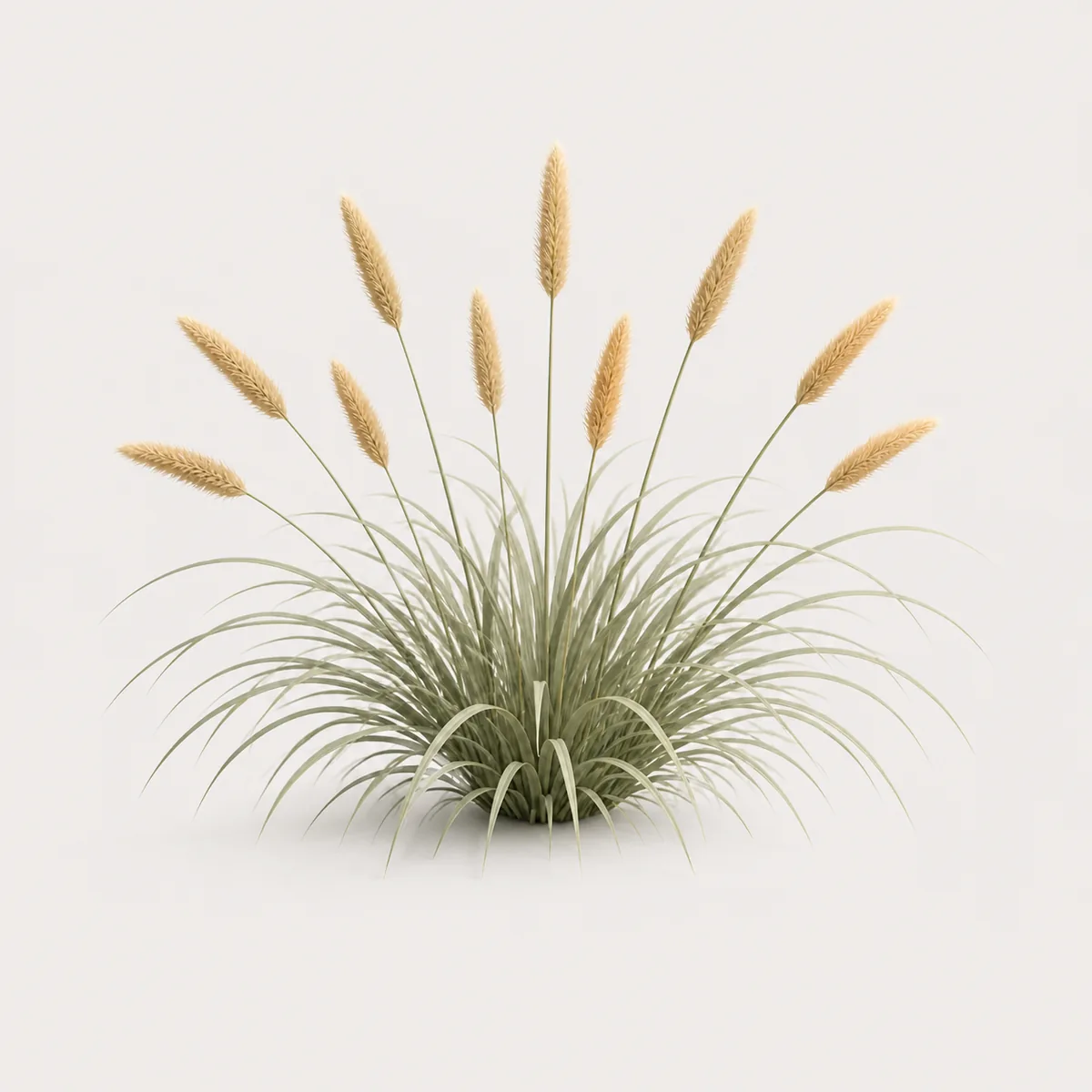
tree:grass-fountain
pack-grass-plume · pal-leaf-pale
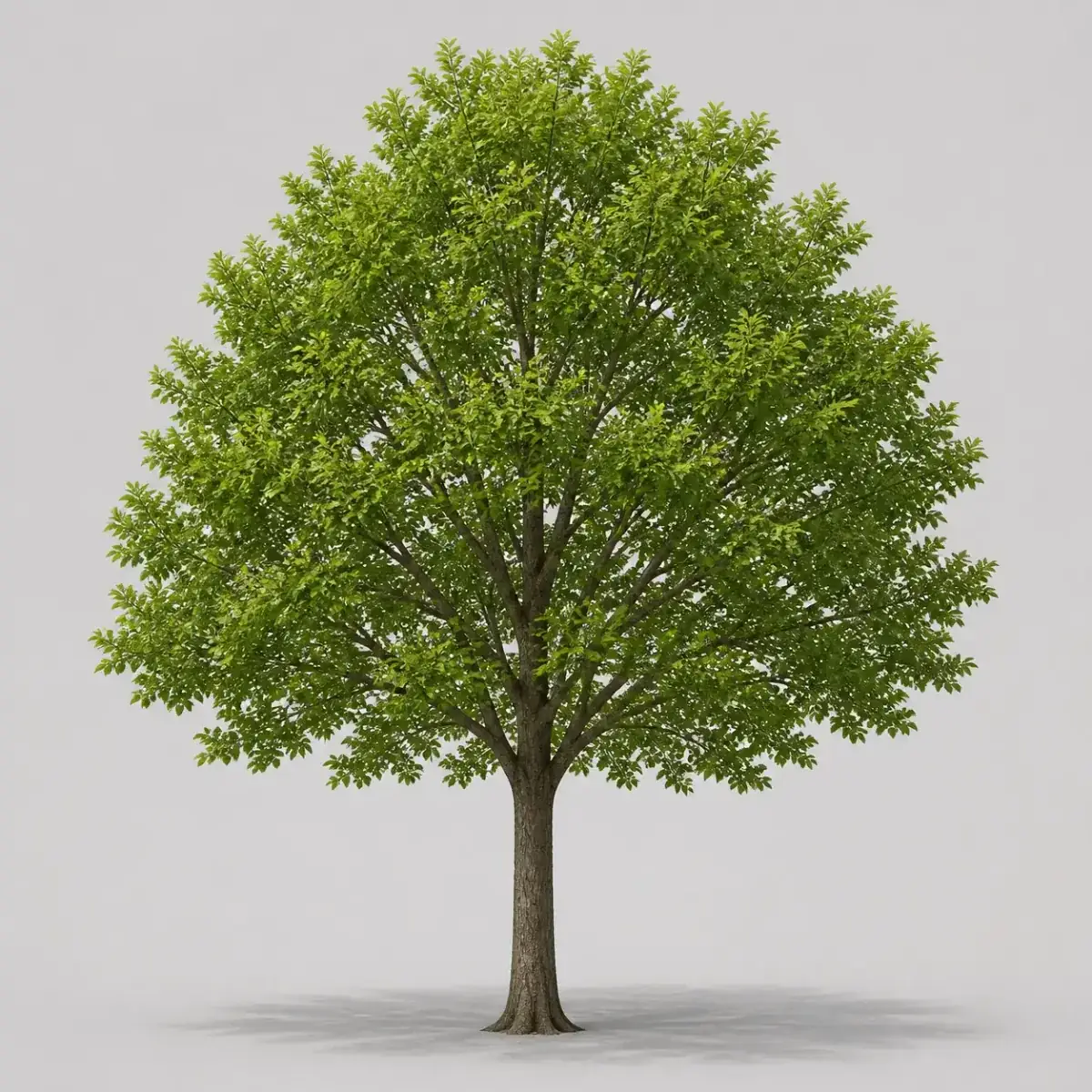
tree
2 finishes
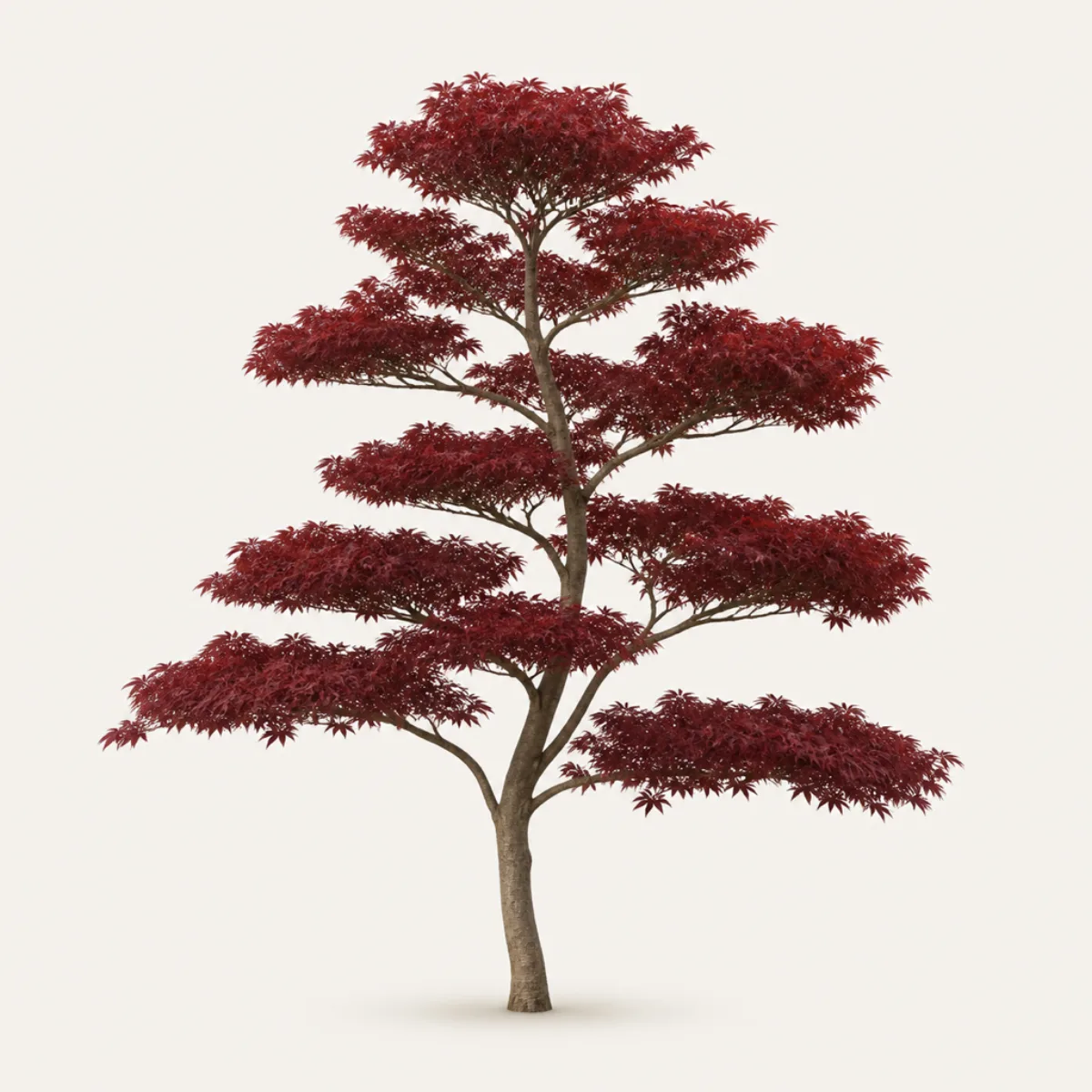
tree:maple
pack-maple-claret · pal-timber-dark
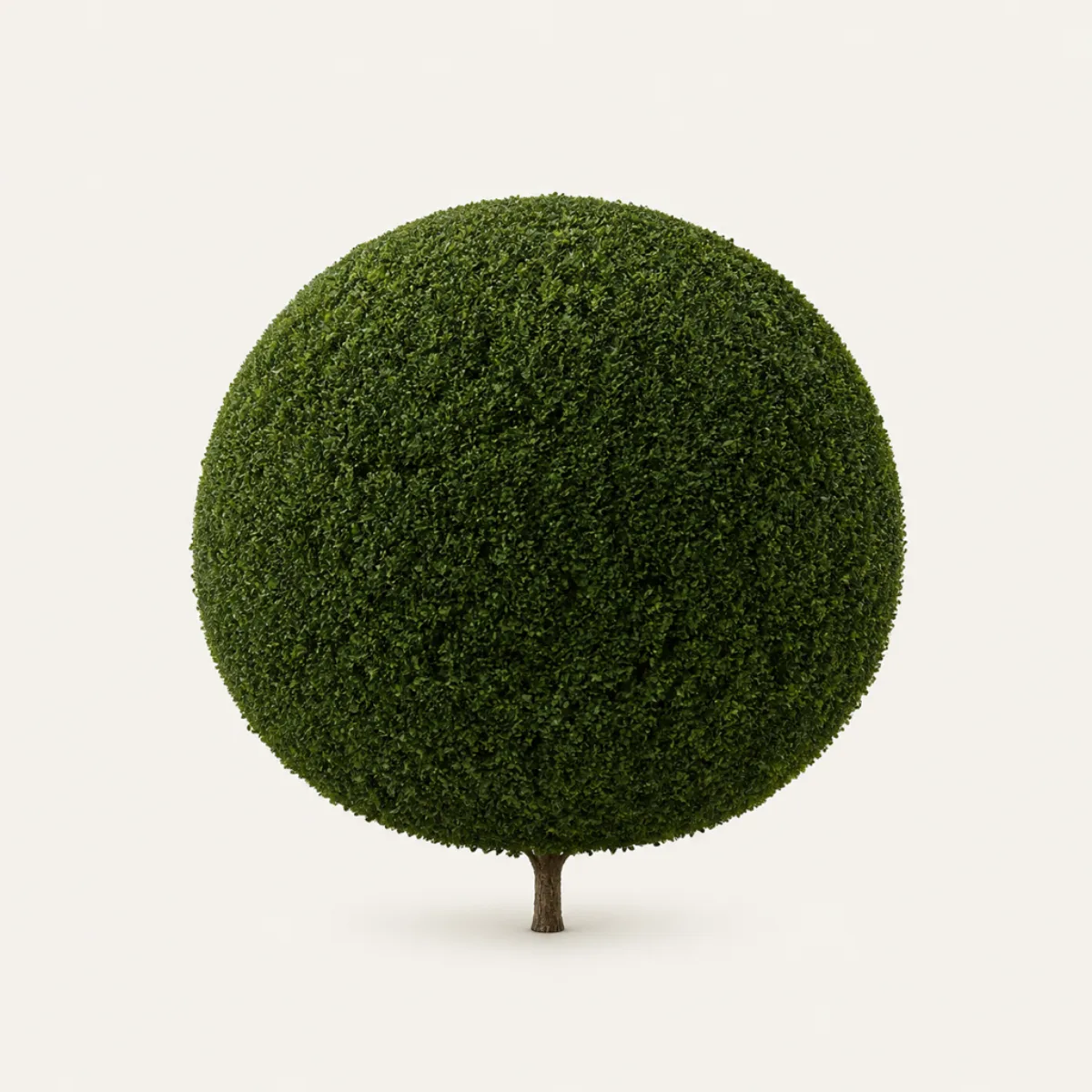
tree:boxwood
pal-leaf · pal-timber-dark
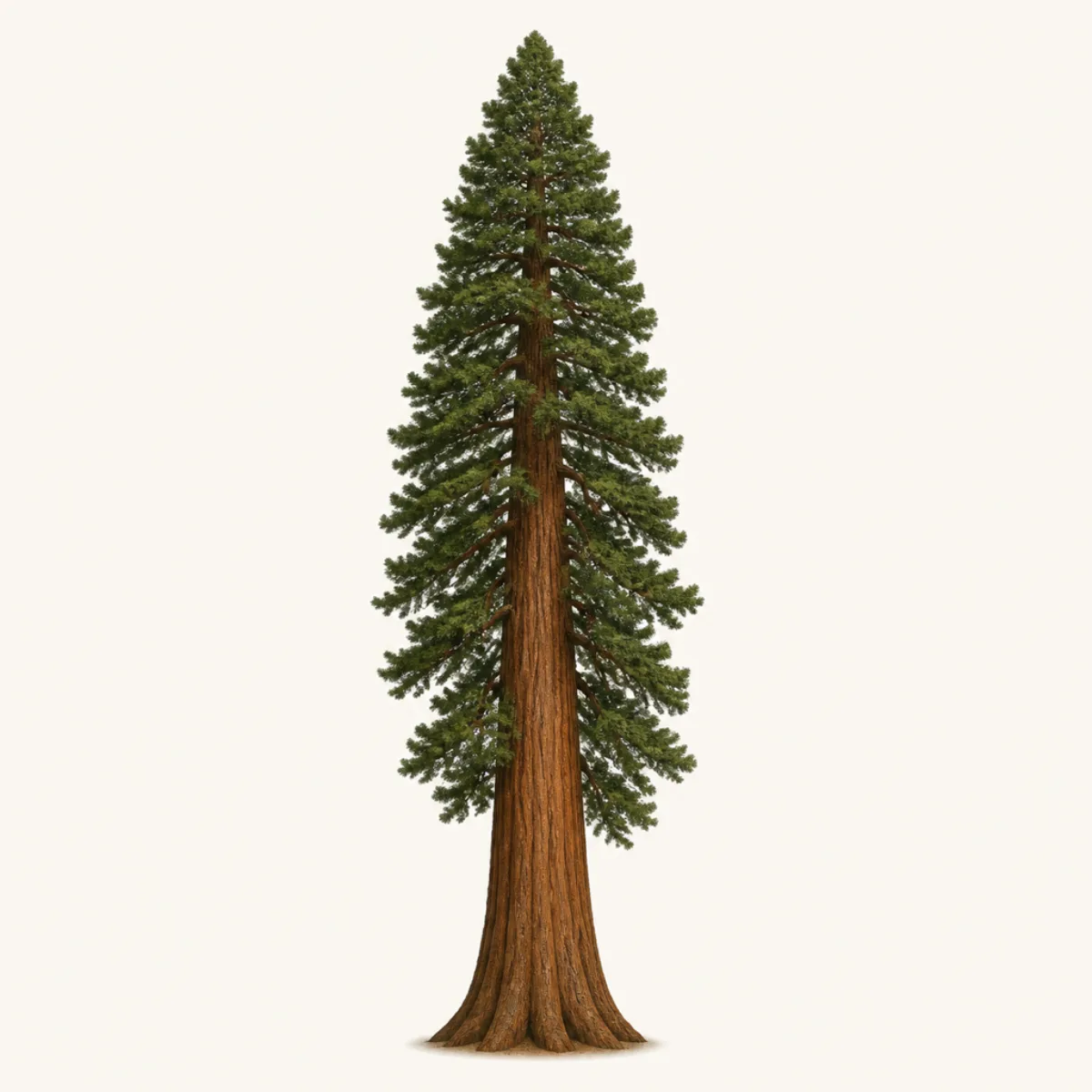
tree:redwood
pack-pine-needle · pal-timber-dark
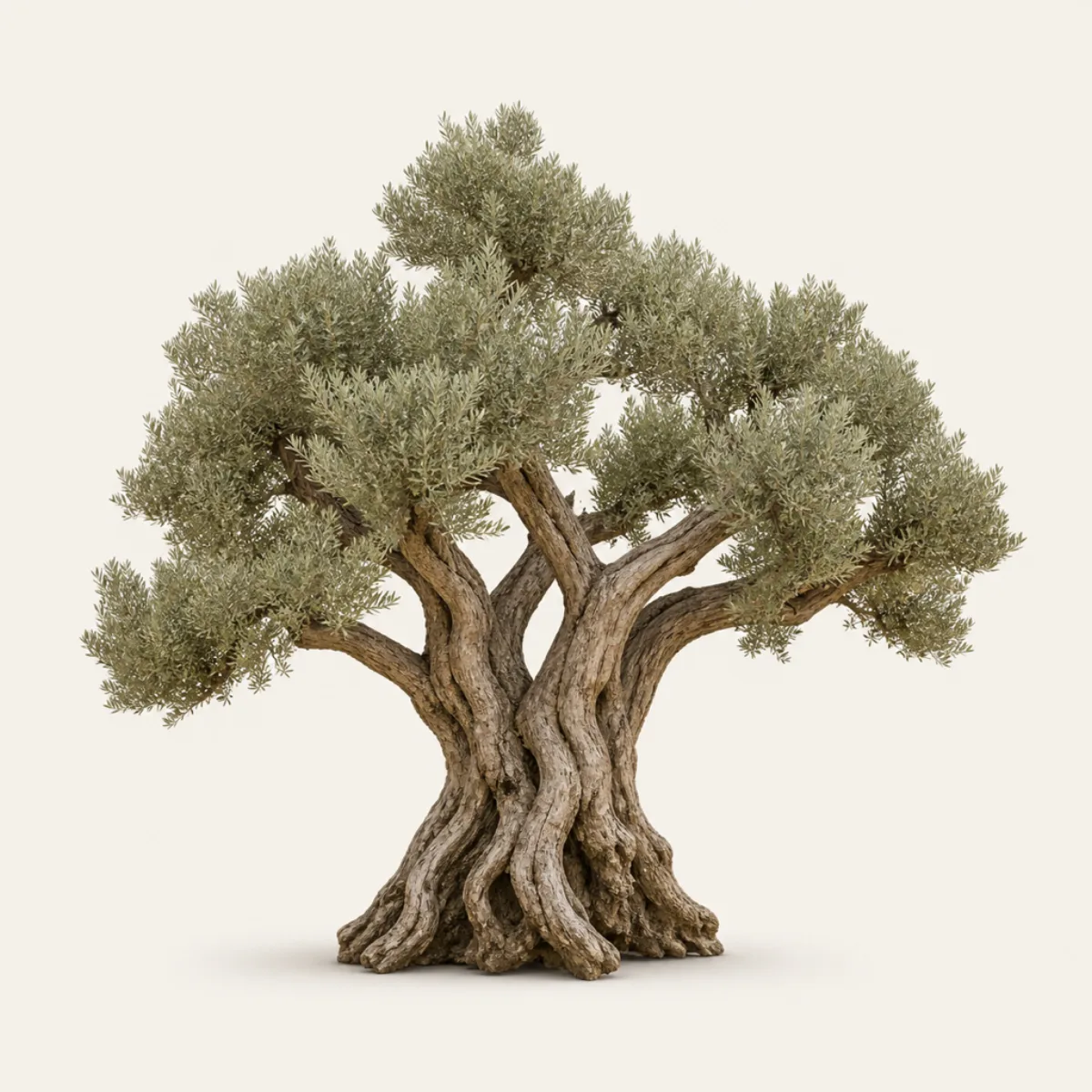
tree:olive
pal-leaf · pal-timber-dark

tree:bamboo
foliage · pack-dark-bark

tree:agave
pal-leaf-pale

tree:desert-shrub
pal-leaf · pal-timber-dark

tree:palm
pack-palm-bark · pal-leaf-pale
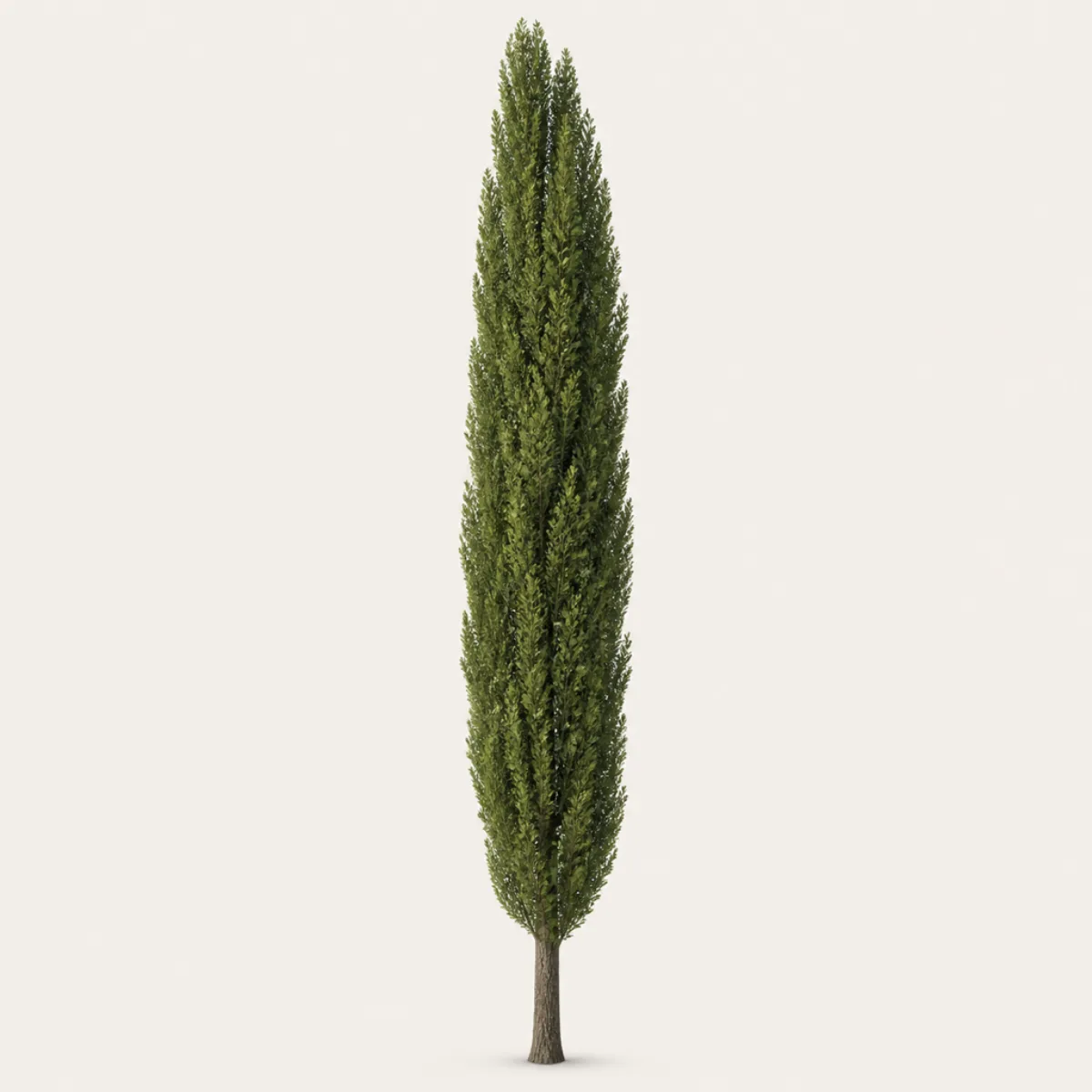
tree:poplar
pal-leaf · pal-timber-dark
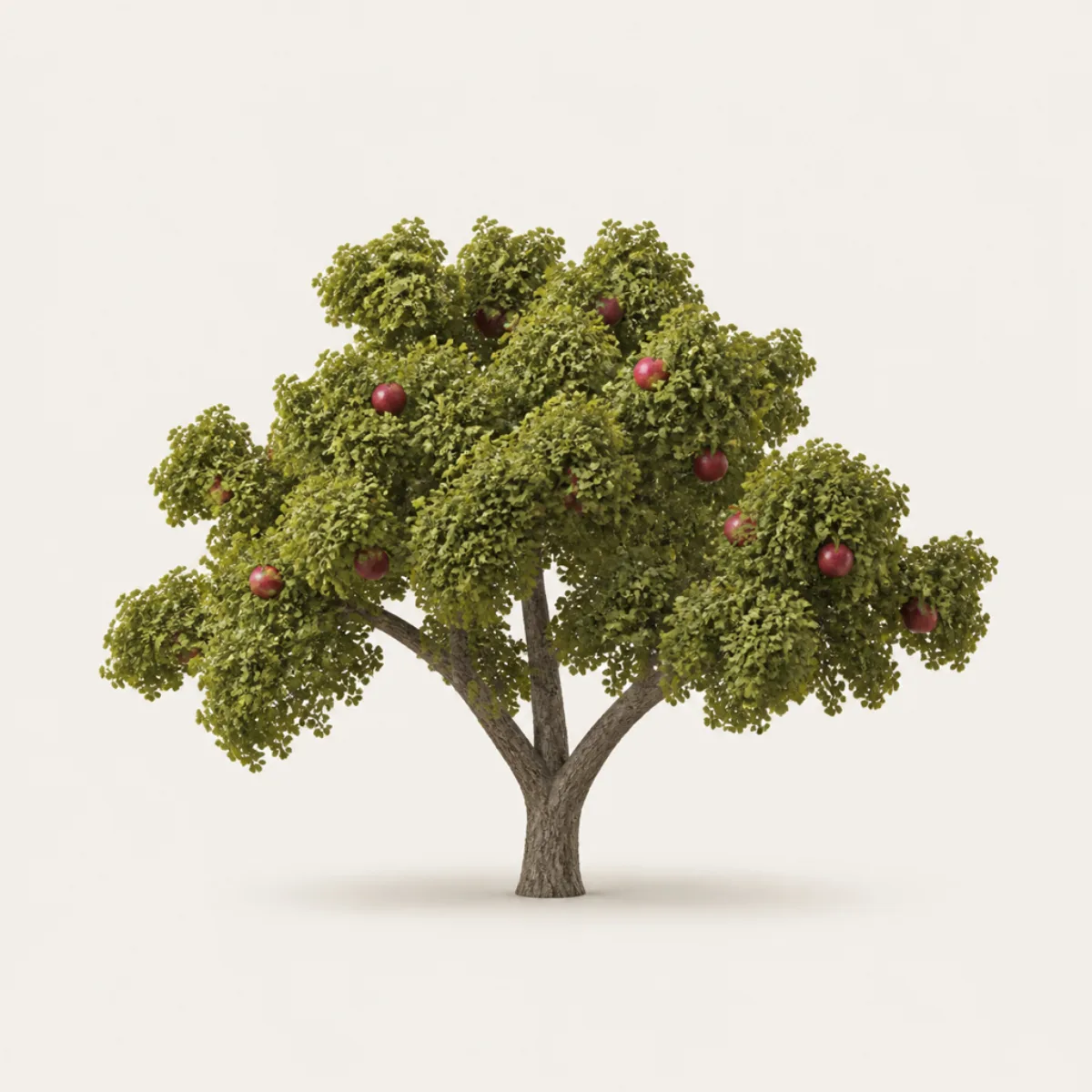
tree:fruit
pack-apple-fruit · pack-dark-bark · pal-leaf-pale
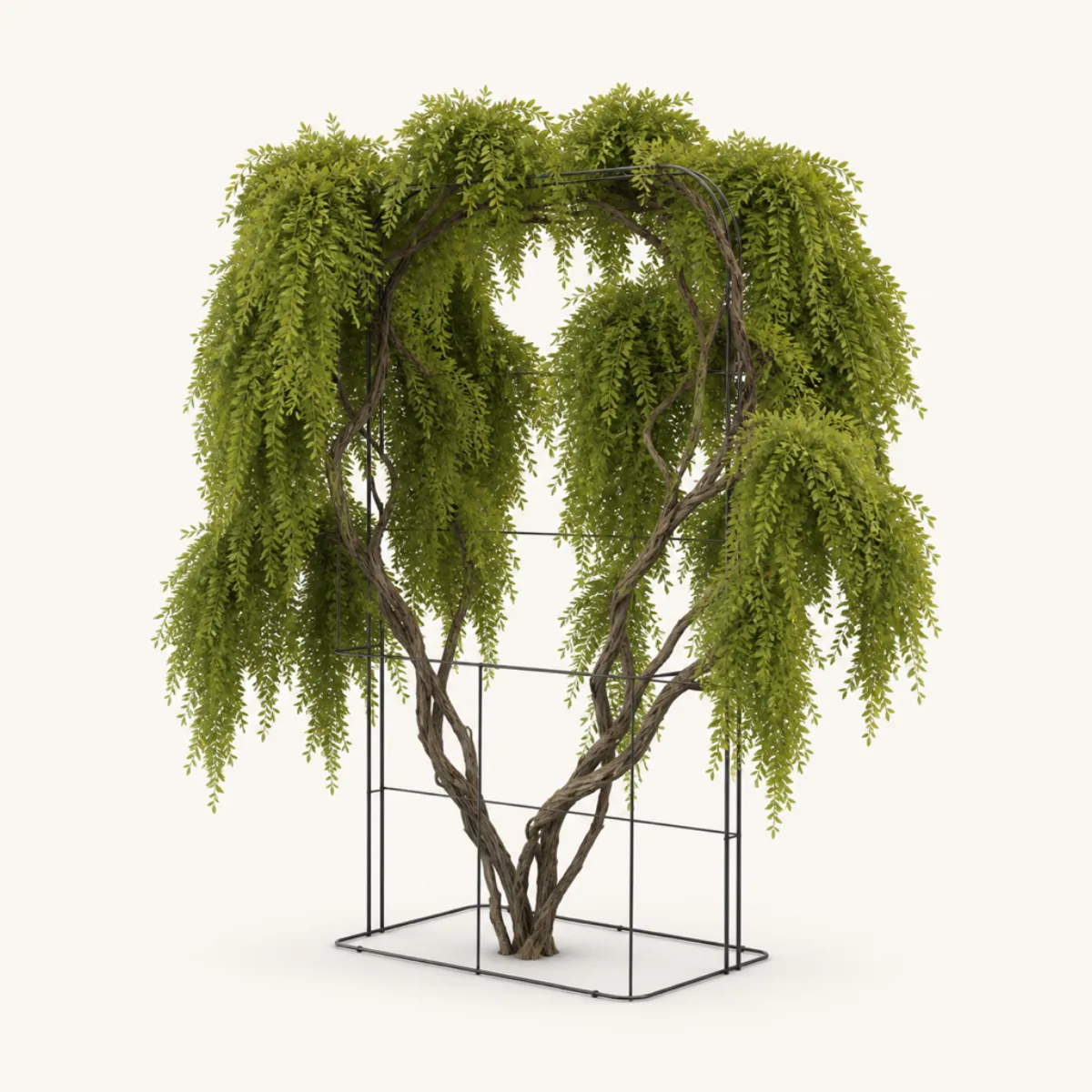
tree:climber
pal-charcoal · pal-leaf-pale
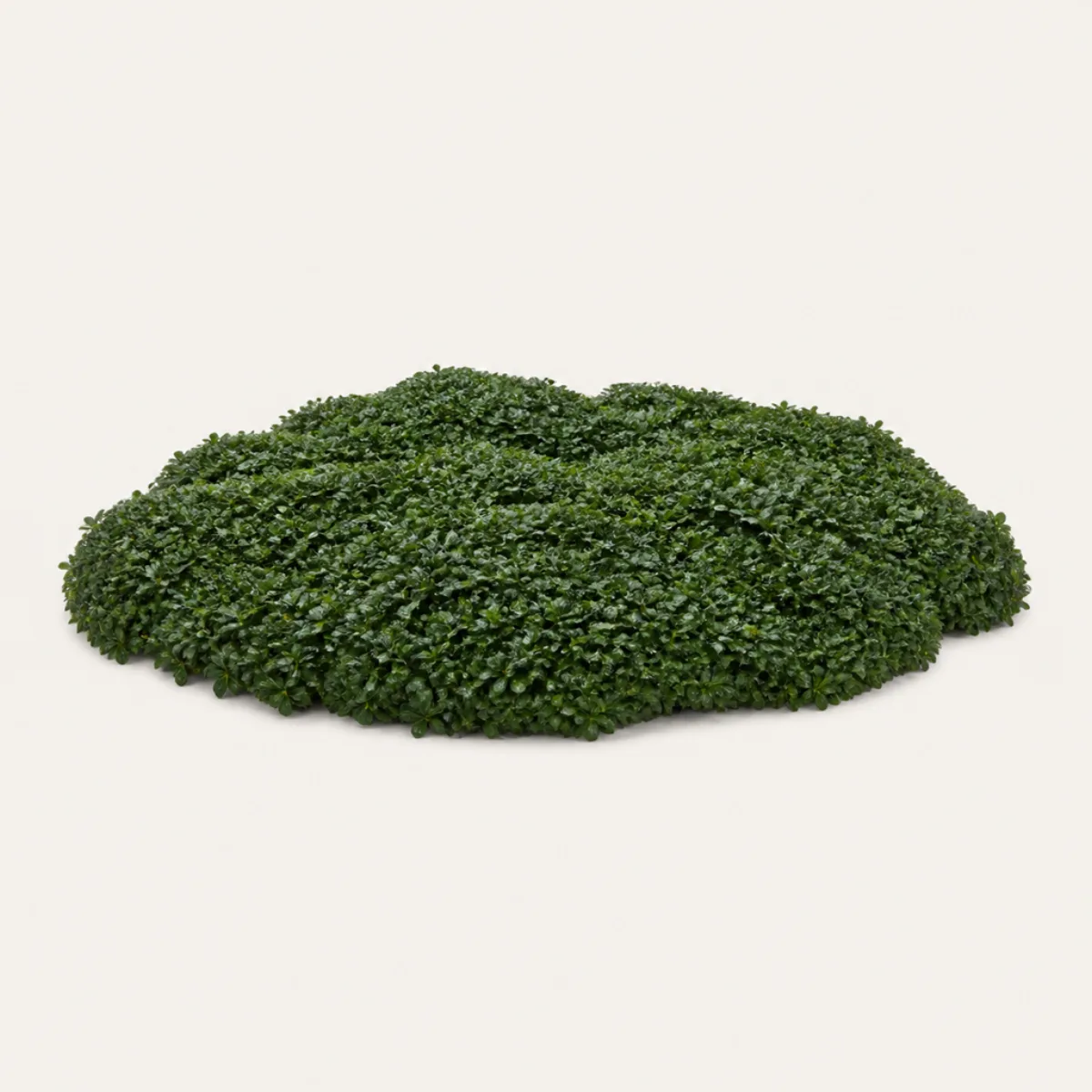
tree:ground-cover
pack-groundcover-leaf
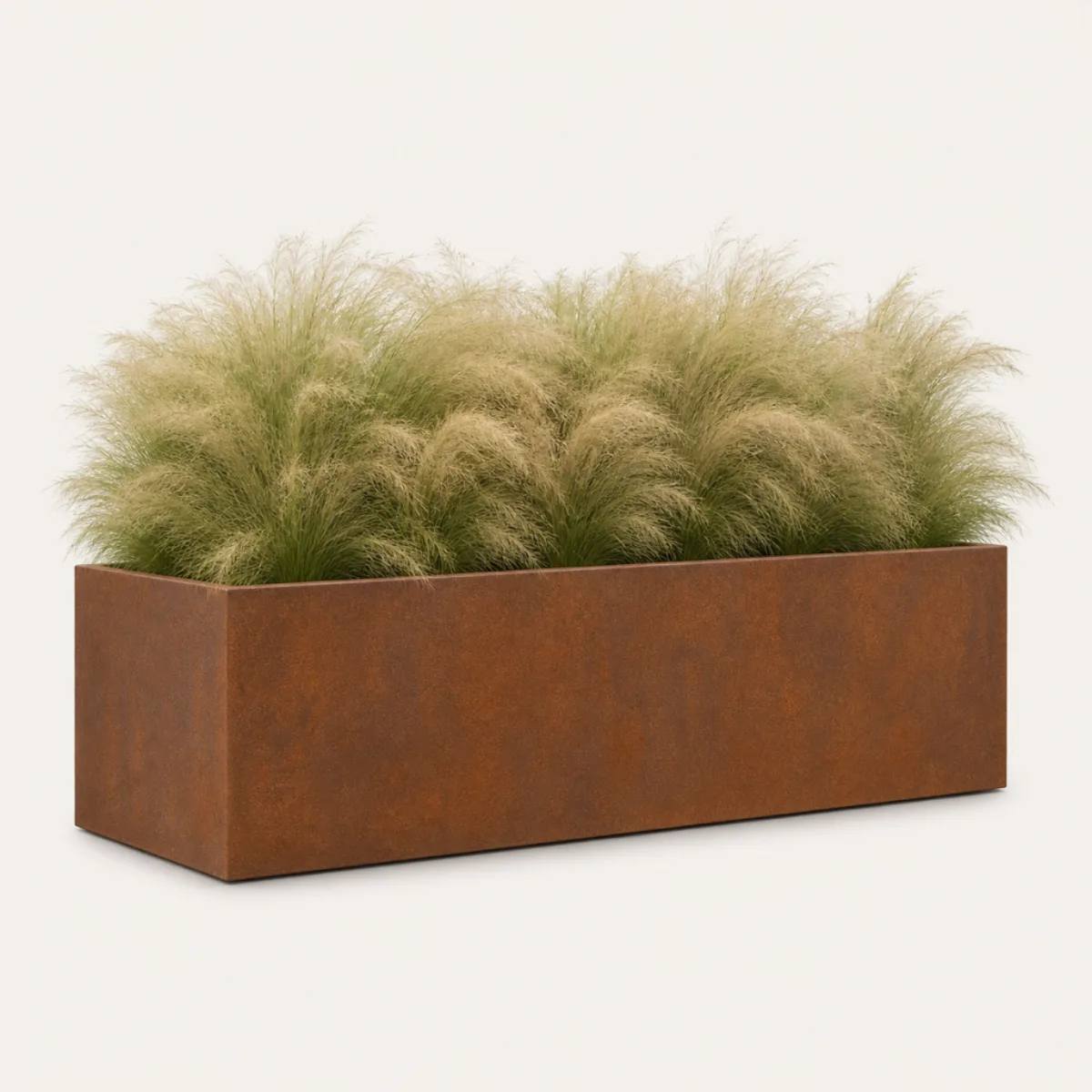
asset:planter
pack-planter-corten · pack-soil · pal-leaf-pale
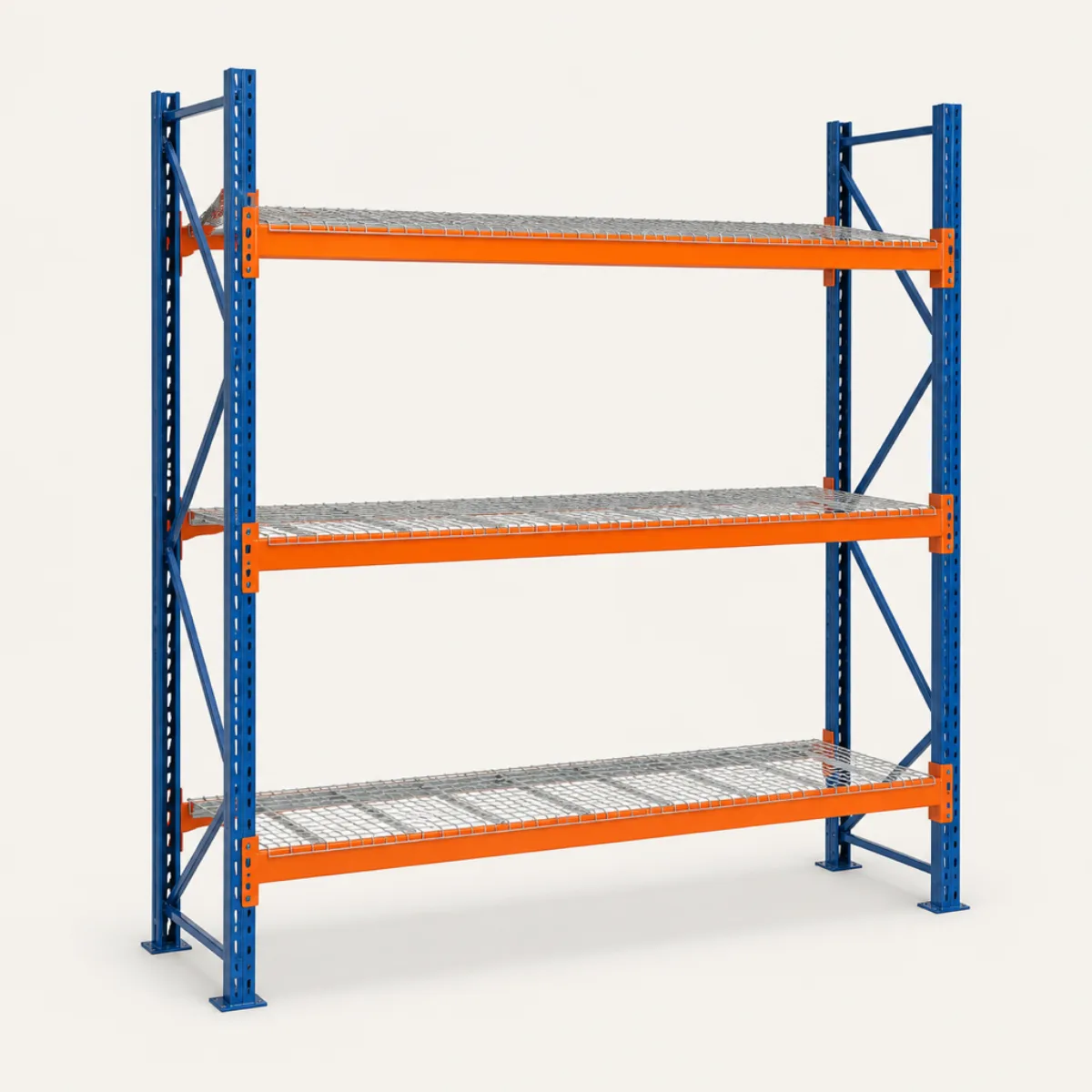
furniture:pallet-rack
pack-warehouse-black · pack-warehouse-blue · pack-warehouse-rack-orange · pack-warehouse-rack-steel
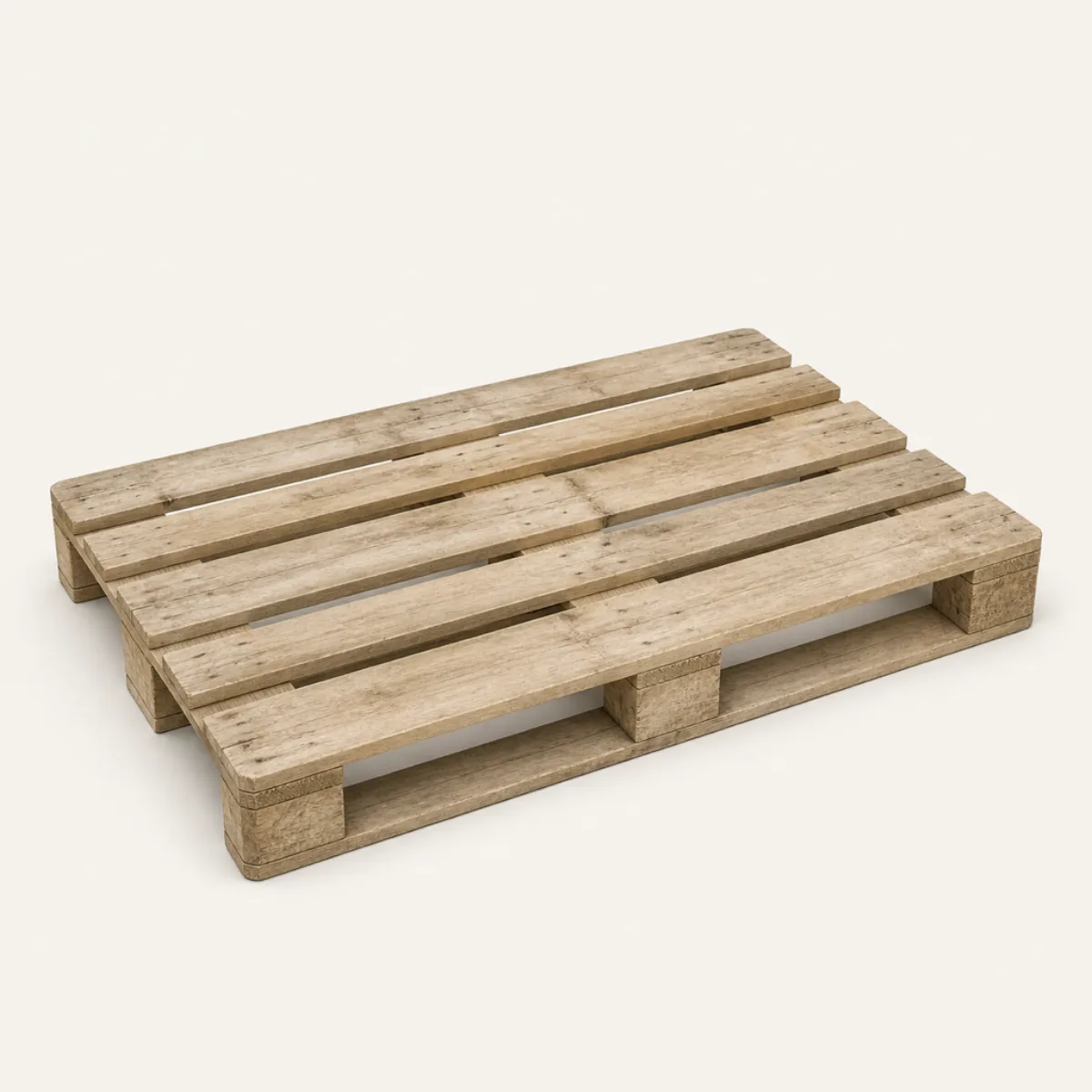
asset:pallet
pack-warehouse-timber
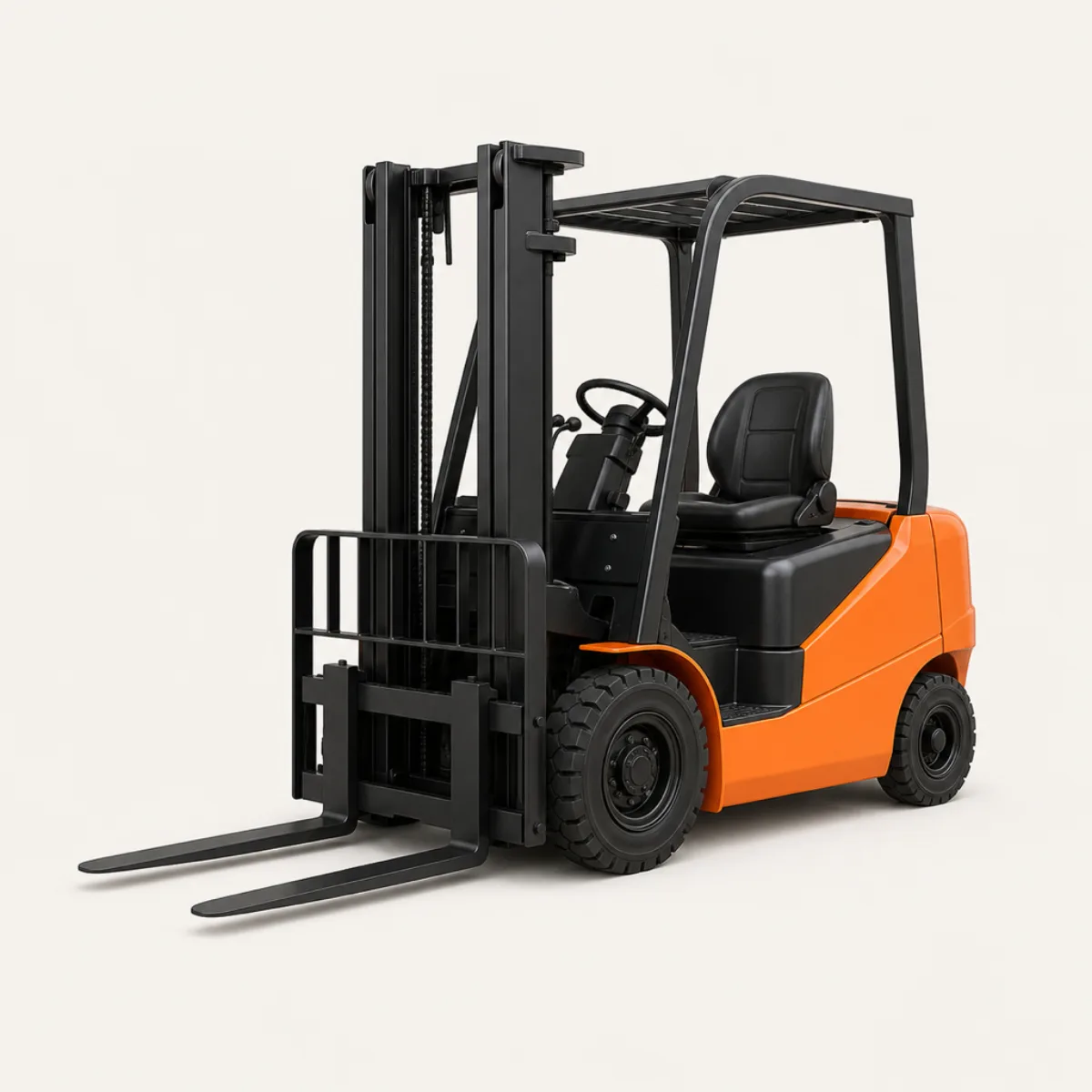
asset:forklift
pack-warehouse-rack-orange · pack-warehouse-steel · pal-charcoal · pal-steel-dark
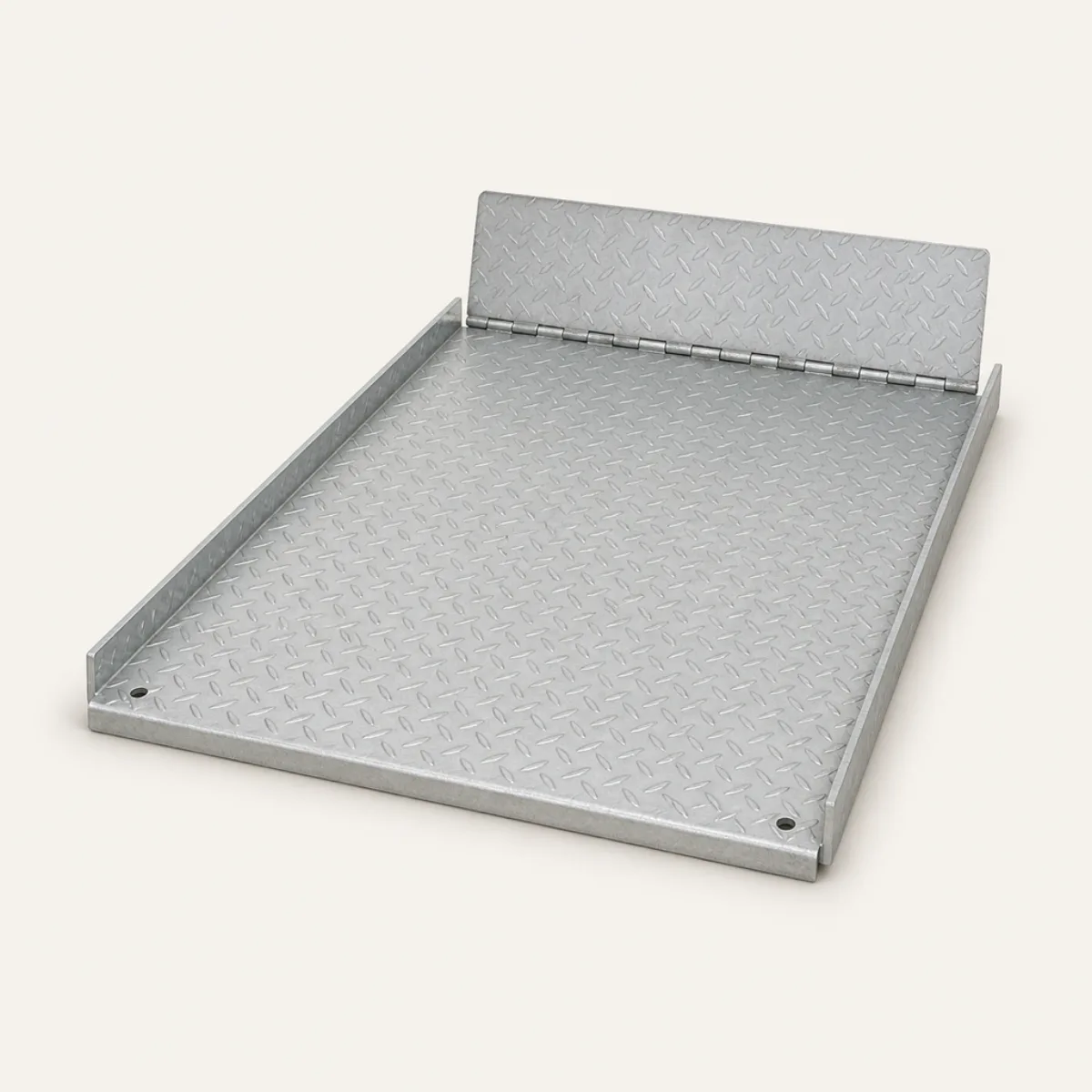
asset:dock-leveler
pal-steel
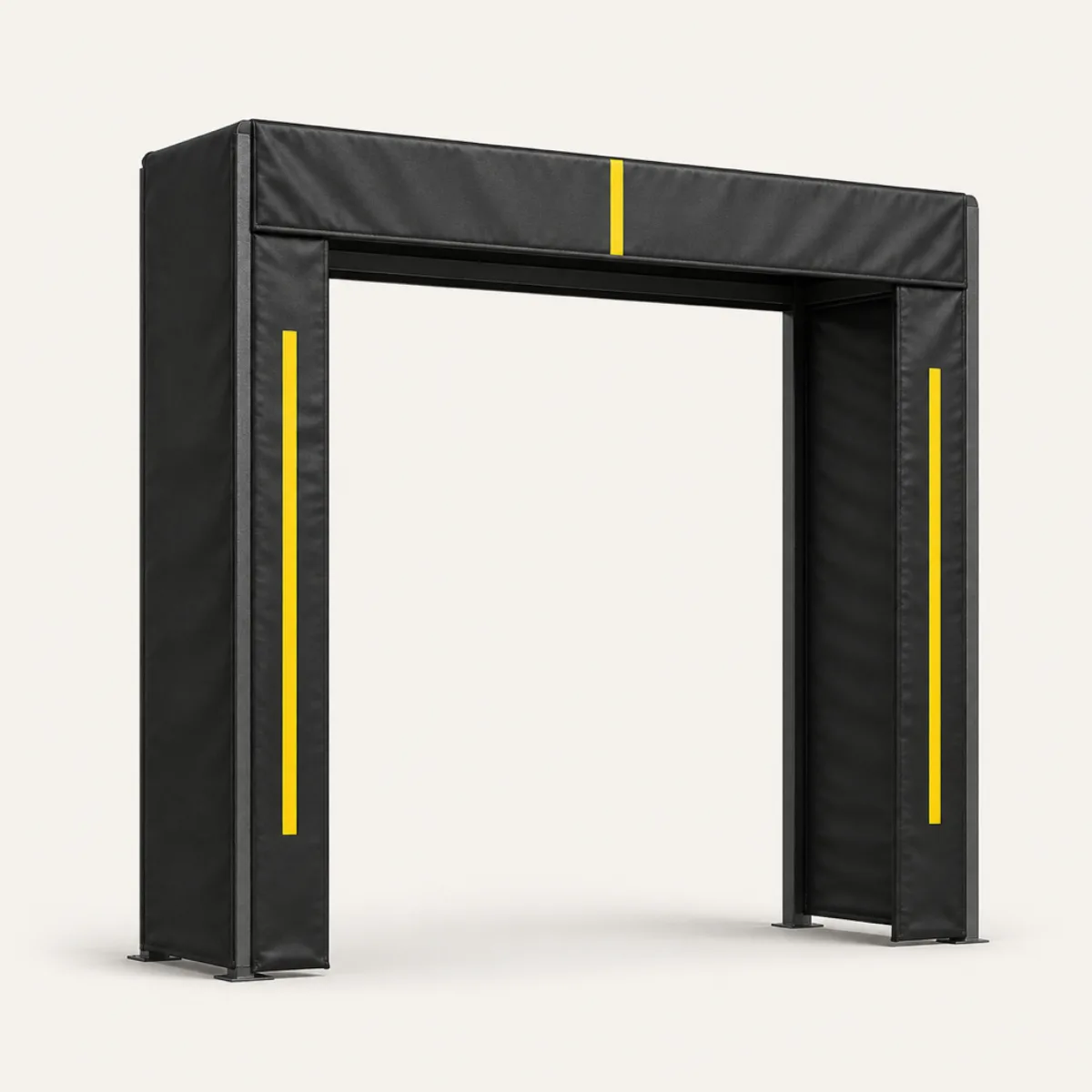
asset:dock-shelter
pack-warehouse-shelter · pack-warehouse-yellow · pal-charcoal
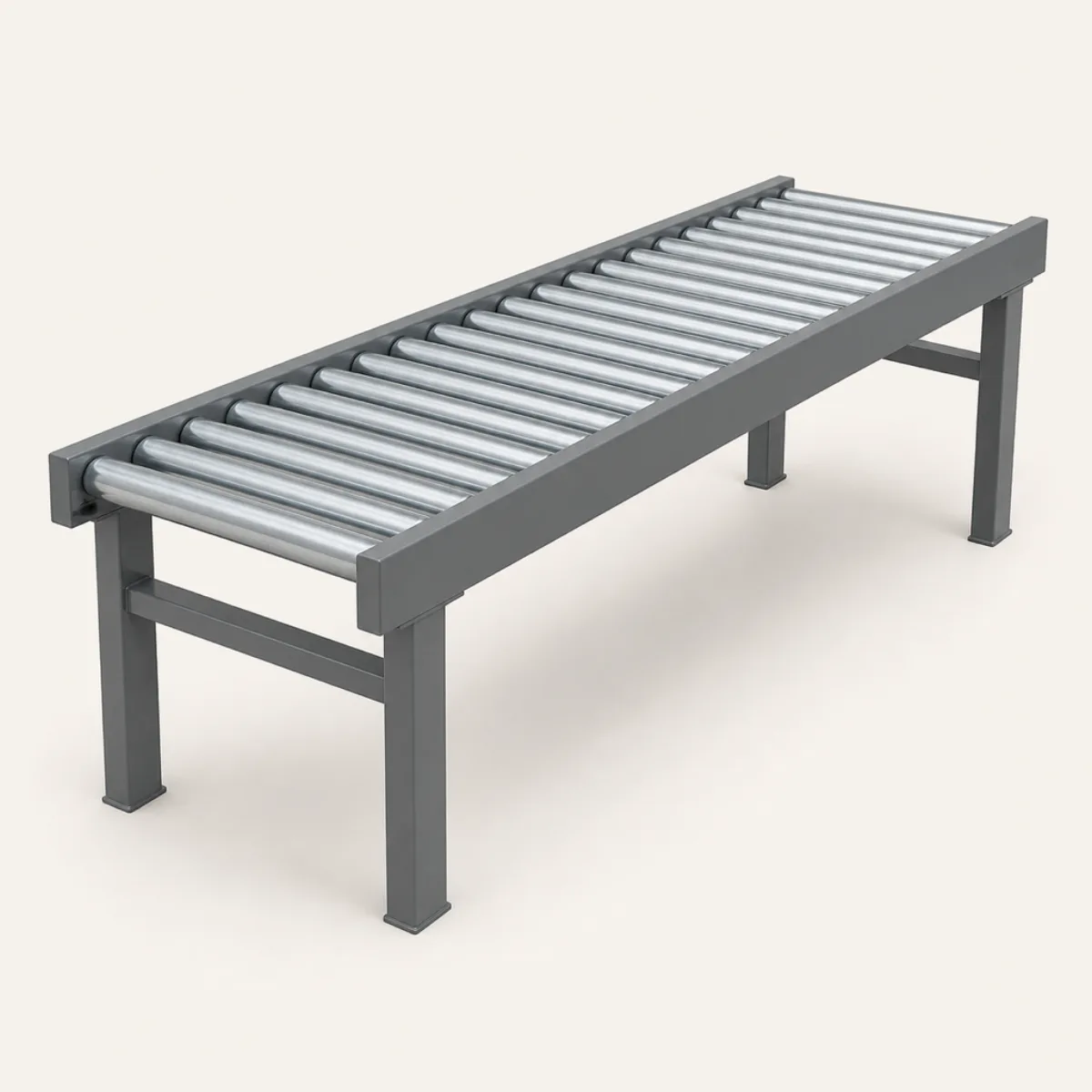
asset:conveyor
pal-charcoal · pal-steel
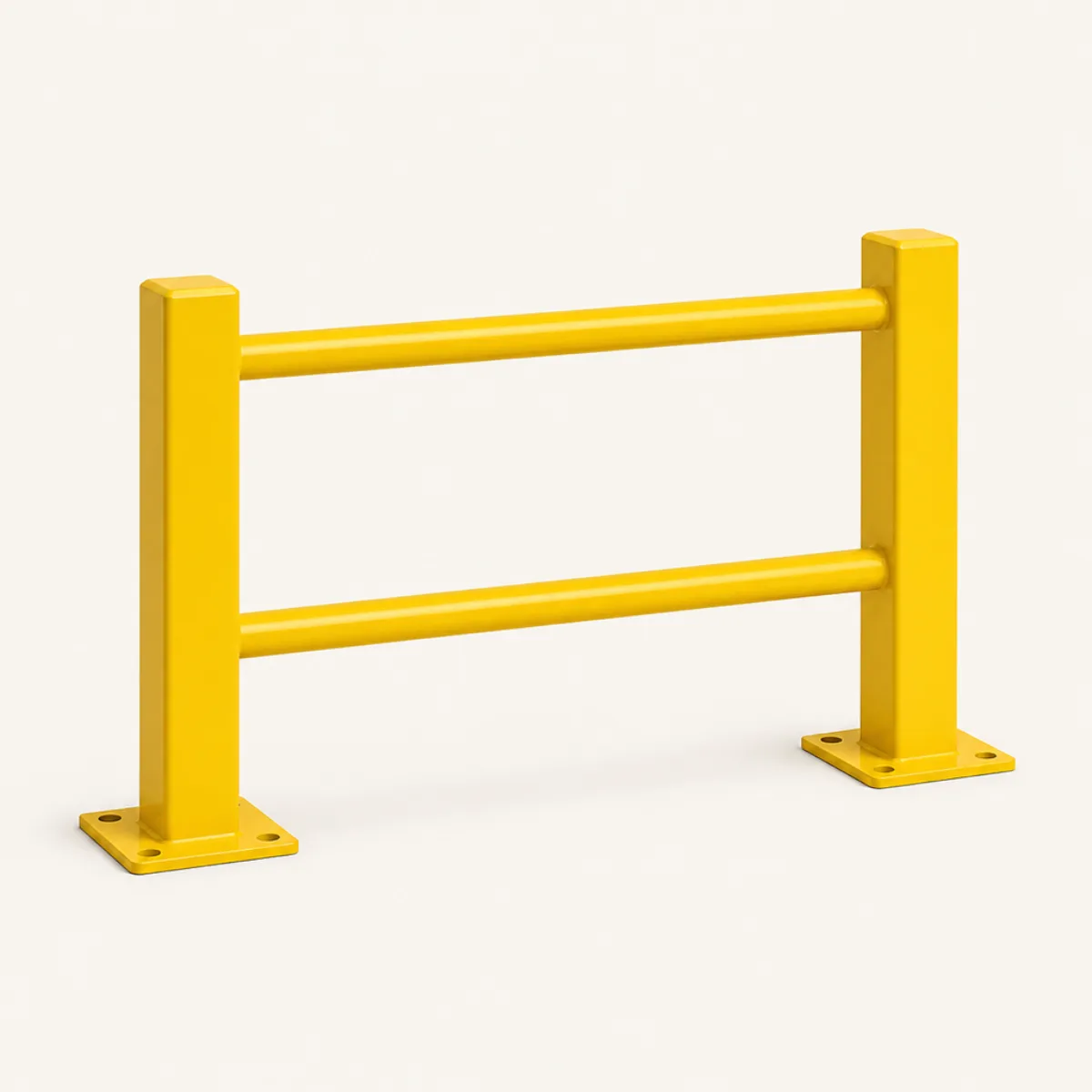
asset:guard-rail
pal-steel
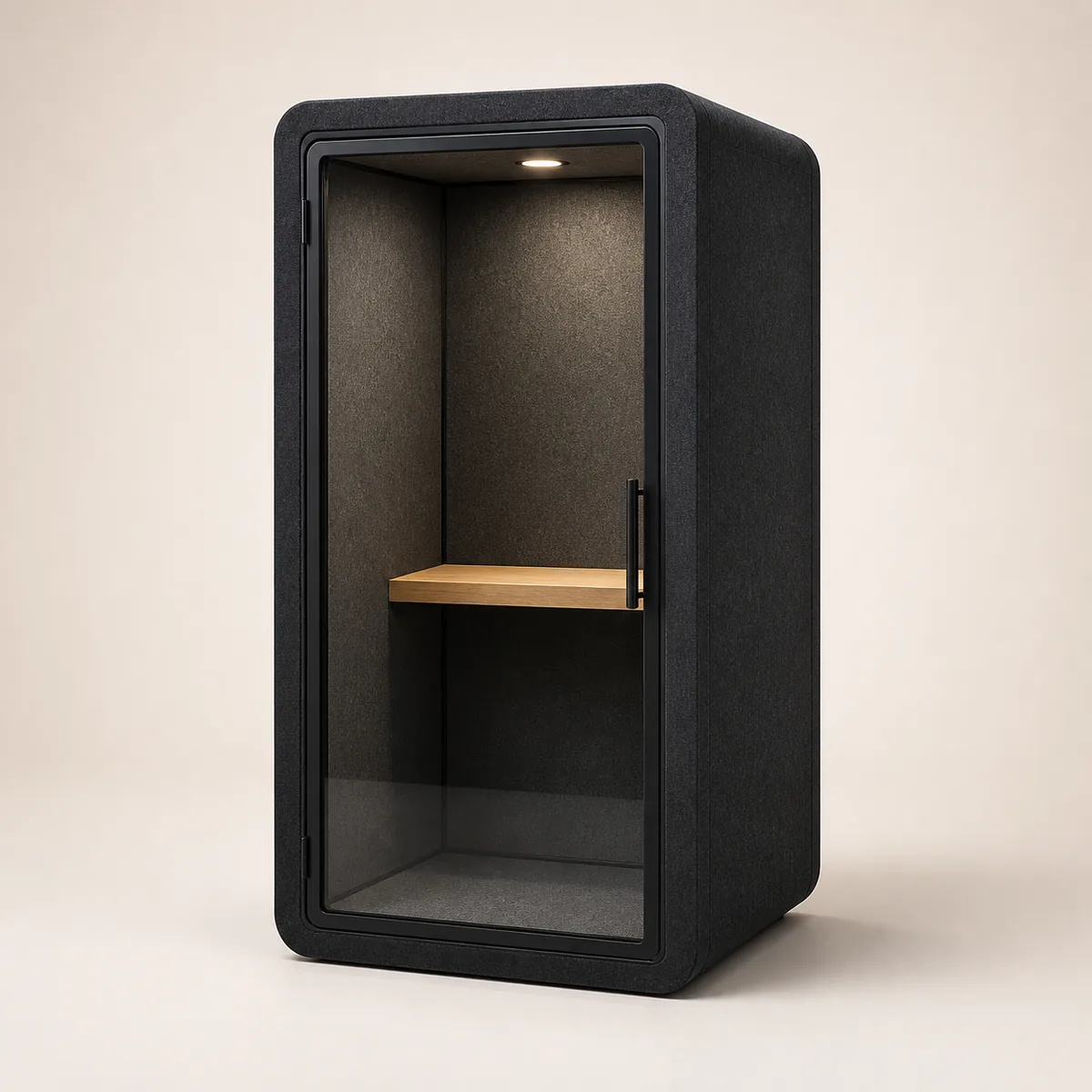
asset:phone-booth
pal-steel-dark · wpod-glass · wpod-light · wpod-oak · wpod-shell
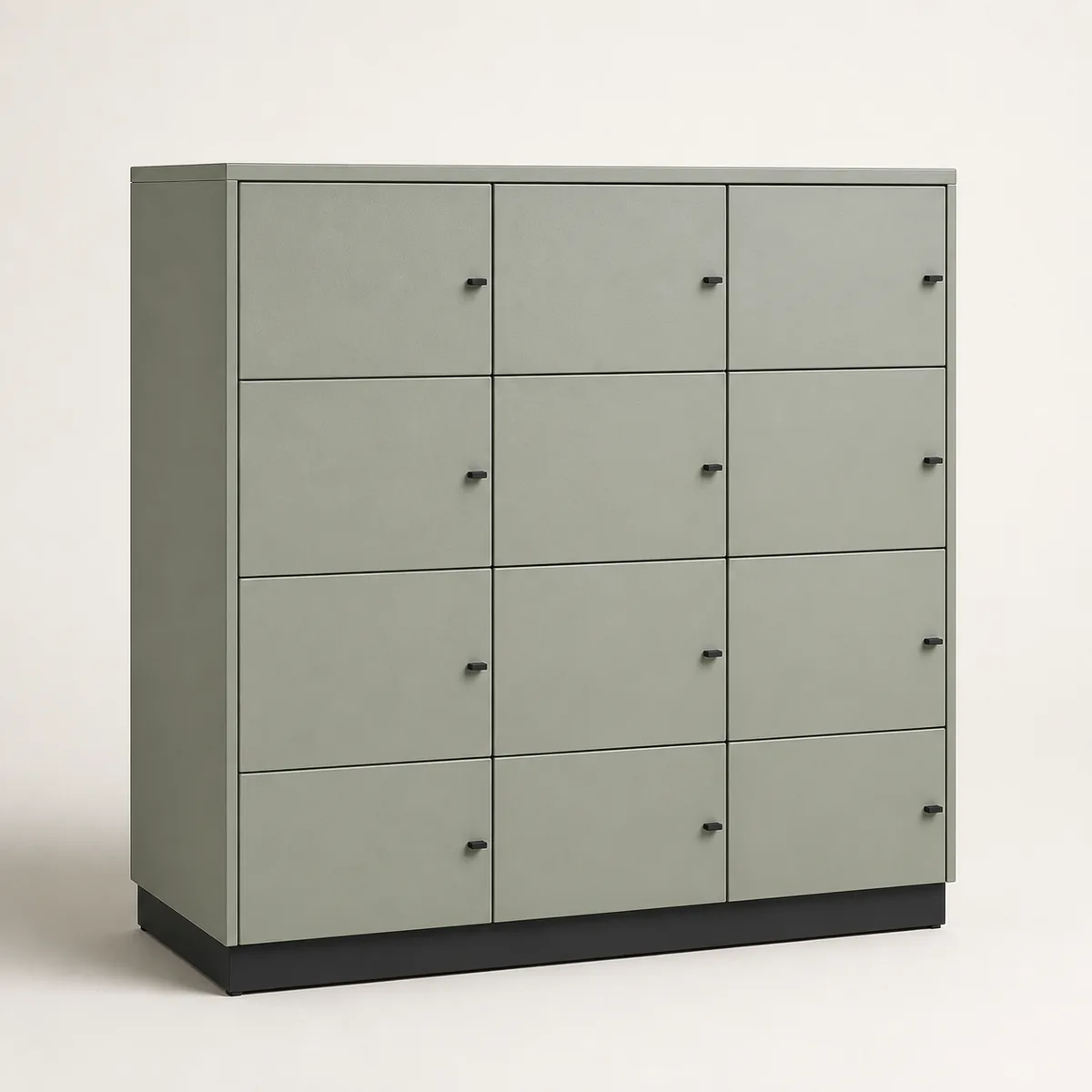
asset:locker-bank
pal-steel-dark · wpod-locker
Every tile above is built by the same interpreter the live viewer runs, fitted into the same unit envelope the compiler would hand it. No entry states a size: a definition describes proportion and the model states the dimensions, so one line gives a 5 m tree a 5 m crown and a 3 m tree a 3 m one. None of it reaches the drawing set — plans, sections and elevations of a dressed model and its plain twin are identical, and the acceptance suite draws both and compares every sheet.
A lookdef names what it dresses and carries one node tree,
written in Three.js's own vocabulary:
{"t":"lookdef","id":"my-oak","for":"tree:oak","body":{"type":"Group","children":[…]}}Qualified selectors beat bare ones: tree:oak dresses oaks,
tree dresses every tree no qualified entry claimed. The same grammar covers
furniture:<type> and asset:<class>.
material:<name> exists as well, but it reaches pitched roof planes only —
walls, slabs, glazing and paving build straight from the material palette, and no definition
is offered them.
Bodies use Group and Mesh nodes, plus
position / rotation / scale. Every constructor
parameter Three.js documents is accepted under its own name, sweep angles included — which
is where domes, arches and curved walls come from. The geometry whitelist is
BoxGeometry, RoundedBoxGeometry, CylinderGeometry, ConeGeometry, SphereGeometry, CapsuleGeometry, IcosahedronGeometry, PlaneGeometry, TorusGeometry, ExtrudeGeometry, LatheGeometry, ShapeGeometry, TubeGeometry.
Materials are semantic names resolved through the
material registry — never inline objects.
ExtrudeGeometry, LatheGeometry,
ShapeGeometry and TubeGeometry take a profile
rather than a size, and they are what architectural detail is made of — mouldings,
cornices, sills, mullion sections, turned balusters, handrails. A profile is written in
the same grammar road and footprint.spine already use.
TubeGeometry takes a path of 3-D points instead, read as a
polyline — corners with straight runs between them. "curve":"spline" reads
the same points as Catmull-Rom control points, for a bough or a bent chair back.
Two repeat nodes place one authored child many times:
bimtex:Run along a span, bimtex:Scatter over a footprint. So much
of a building is one small thing repeated — pickets, balusters, louvre blades, decking
boards, grass — and as a Group those cost one authored mesh per copy. As a
repeat they cost one, and a single-mesh child collapses to one draw call. Scatter is
seeded, never random, so every host places the same blades.
Unknown nodes are skipped, segment counts are clamped, and a body over 500 meshes — or a repeat over 4000 copies — is refused outright rather than truncated. Every failure falls back to the plain compiled volumes: appearance never blocks a deliverable. The full grammar, the envelope law and the extension nodes are specified in 10 · Appearance.